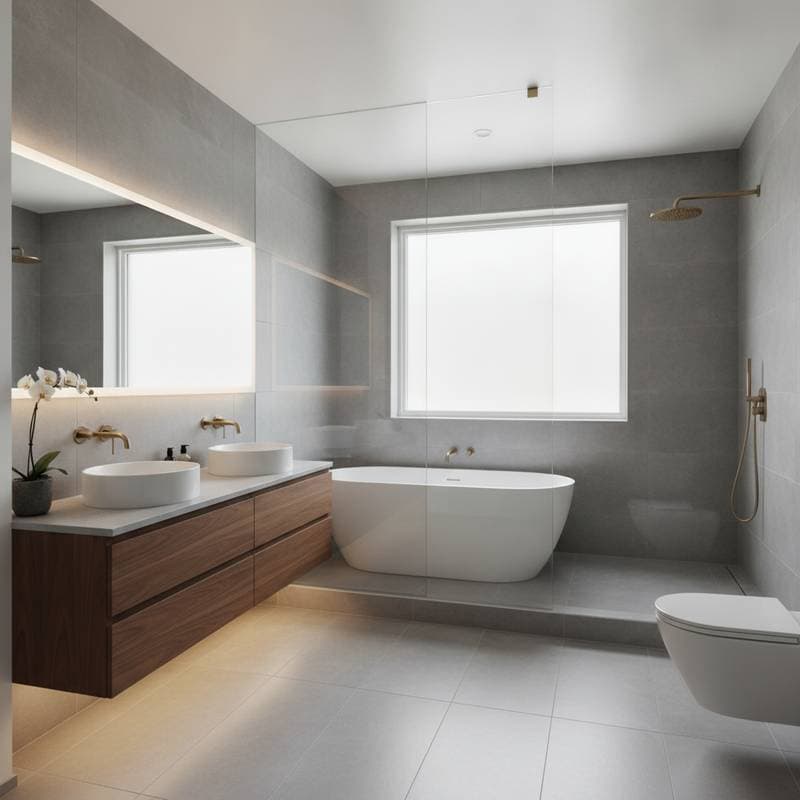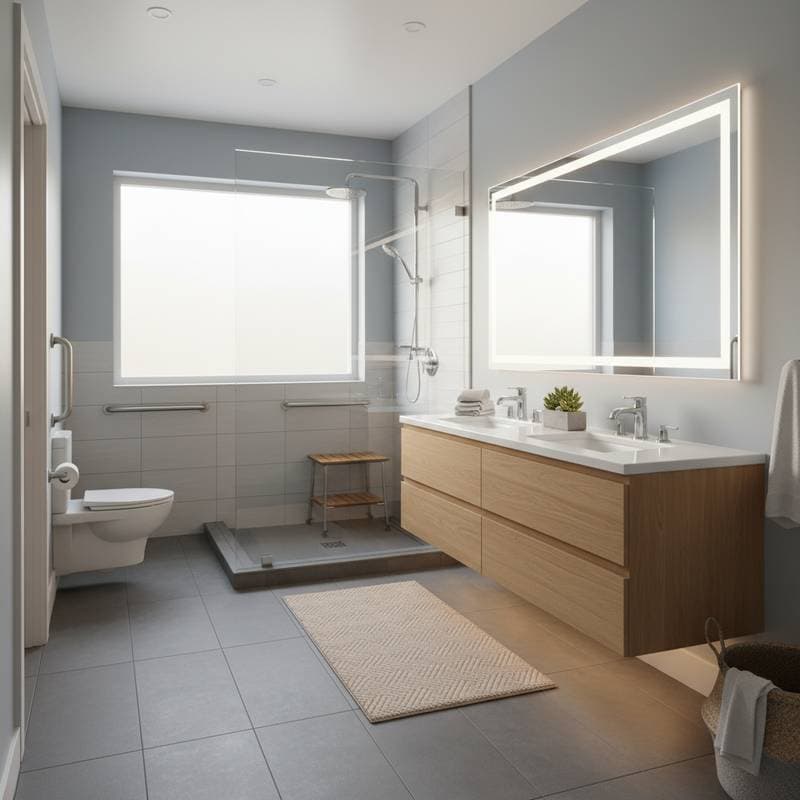
Boost Home Value by 15 Percent with Aging-in-Place Bathrooms
Strategic renovations to bathrooms designed for aging in place can increase a home's market value by approximately 15 percent across numerous regions. These modifications enhance safety and usability for older individuals while attracting purchasers seeking sustained accessibility and ease. Such updates prove valuable for homeowners intending to remain in their residence long-term or those readying a property for sale.
Consider implementing these changes when priorities shift toward mobility support, injury prevention, and practical functionality over ornate detailing. Professional assessments often reveal that well-executed projects yield returns exceeding initial investments through improved appeal and reduced future adaptation needs.
Advantages and Drawbacks
Advantages
- Elevates property resale value by up to 15 percent in competitive markets
- Minimizes risks of falls through features like non-slip surfaces and stable supports
- Benefits occupants of all ages by promoting inclusive usability
- Enables elderly relatives to maintain independence at home for extended periods
- Potentially qualifies for tax incentives or deductions related to health and accessibility improvements
Drawbacks
- Involves greater initial expenses compared to conventional bathroom overhauls
- Risks an overly clinical appearance without thoughtful aesthetic integration
- Certain elements, such as widened doorways, may encroach on storage areas
- Demands meticulous adherence to building codes and accessibility guidelines
DIY Approaches Versus Professional Installation
Project Difficulty
Moderate to high, influenced by the extent of modifications.
Estimated Timeline
One to three weeks, varying with project scale and unforeseen challenges.
Required Tools
Basic plumbing and woodworking implements, including a tile cutter, spirit level, power drill, and hardware suitable for securing grab bars.
Potential Hazards
Significant if issues arise with moisture barriers or load-bearing reinforcements.
Engage certified professionals for tasks involving pipe rerouting, wall fortification, or compliance with accessibility regulations. Specialists versed in Universal Design principles or ADA guidelines safeguard both functionality and investment protection.
Homeowners may handle simpler tasks independently, such as affixing grab bars, updating faucet hardware, or installing adjustable lighting. Adhere strictly to product specifications for weight capacities and utilize wall anchors engineered for safety equipment to avoid compromises.
Upkeep and Durability
Properly installed aging-in-place components require minimal ongoing care.
- Weekly Maintenance: Clean grab bars and built-in seats using a gentle detergent to eliminate residue accumulation.
- Quarterly Inspections: Examine sealant applications, weatherproofing, and attachment points for signs of wear or instability.
- Annual Reviews: Evaluate floor coverings for damage or degradation; renew gaskets and seals promptly as required.
Standard fixtures typically endure 10 to 20 years under normal use. Supportive elements like grab bars and fortified frameworks often persist throughout the home's lifespan. Manufacturer guarantees generally span 5 to 10 years for plumbing elements and extend indefinitely for foundational reinforcements.
Regional Considerations
Environmental Influences
In cooler climates, incorporate heated underfloor systems to enhance warmth and mitigate condensation-related slips. Within moisture-prone areas, prioritize robust exhaust systems to inhibit mold growth in seamless shower enclosures.
Regulatory Requirements
Numerous municipalities mandate installations of support rails, ground-fault circuit interrupter receptacles, and textured flooring for accessibility endorsements. Consult your local permitting office prior to commencing any alterations.
Workforce Availability
Expenses escalate in urban coastal zones or areas with elevated demand, where qualified artisans command higher fees. In contrast, rural settings might offer limited expert availability but more affordable labor costs.
Water Characteristics
Regions with mineral-rich supplies can accelerate fixture tarnishing and degrade surface longevity. Consider adding a water conditioning unit if scaling proves prevalent locally.
Essential Safety Measures
Bathroom environments combine water, power sources, and construction elements, each presenting distinct challenges.
- Electrical Precautions: Install ground-fault circuit interrupter outlets within six feet of sinks or showers; retain a qualified electrician for all circuit modifications.
- Plumbing Standards: Verify adequate drainage gradients in barrier-free showers to avert water accumulation.
- Structural Integrity: Bolster framing prior to attaching any support devices or benches.
- Air Circulation: Guarantee sufficient exhaust capacity to counteract humidity and fungal development.
- Authorization Processes: Local jurisdictions typically necessitate approvals for hydraulic and electrical interventions; confirm requirements in advance.
Omit no verification steps, as substandard workmanship may lead to accidents or invalidate liability protections.
Steps to Implement Your Upgrade
Developing an aging-in-place bathroom represents a prudent investment in security, usability, and future-proofing. This approach suits individuals prioritizing hazard reduction, ergonomic efficiency, and enduring economic benefits. Initiate the process with a detailed blueprint aligned to personal requirements and financial parameters.
Solicit quotations from a minimum of three credentialed builders experienced in inclusive design methodologies. Request client testimonials and portfolios of prior adaptive works. Scrutinize coverage terms for all selected appliances and building materials.
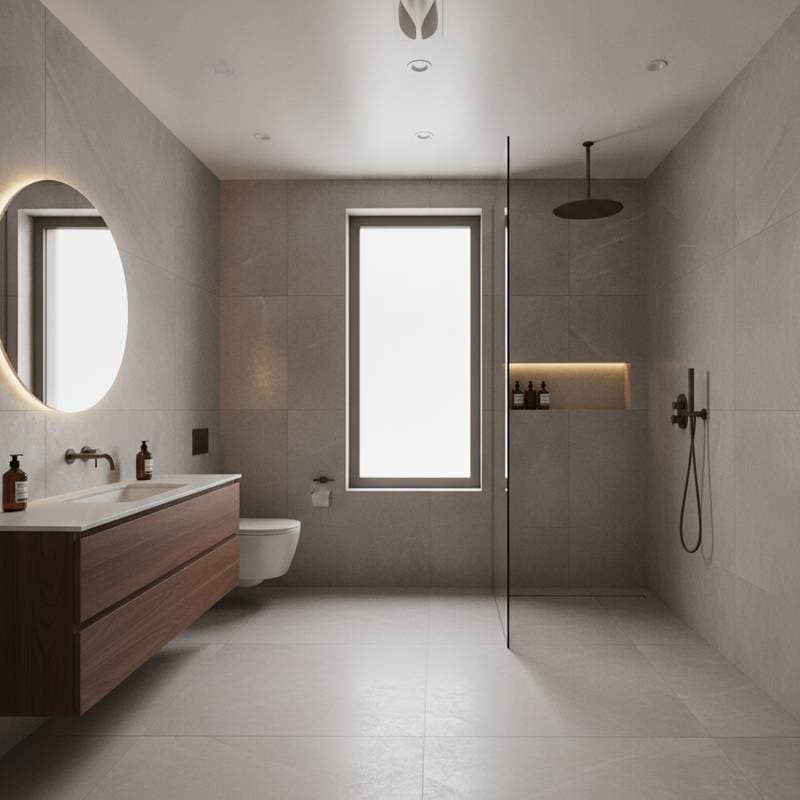
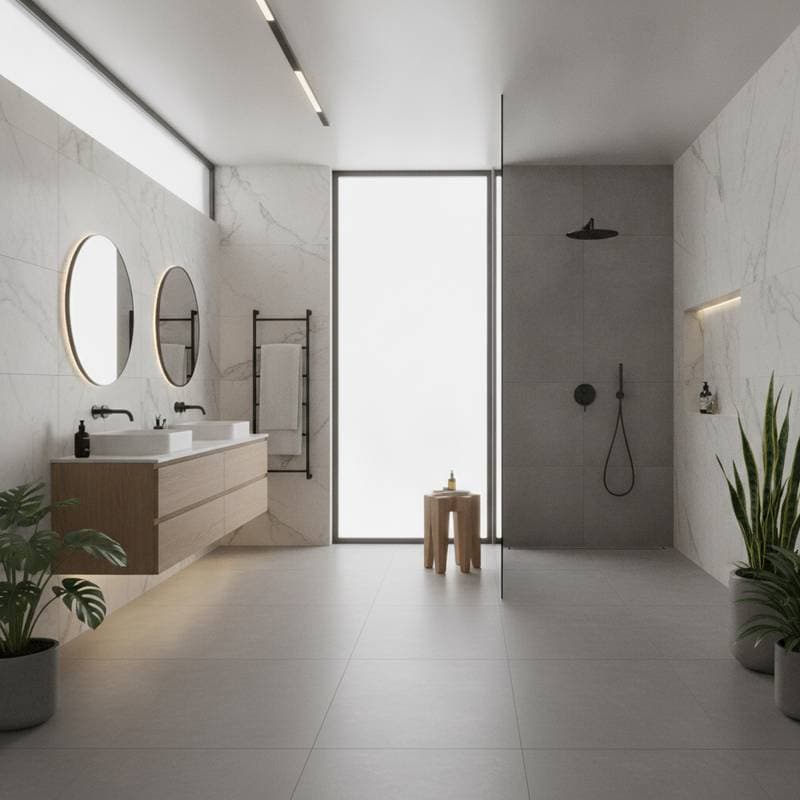
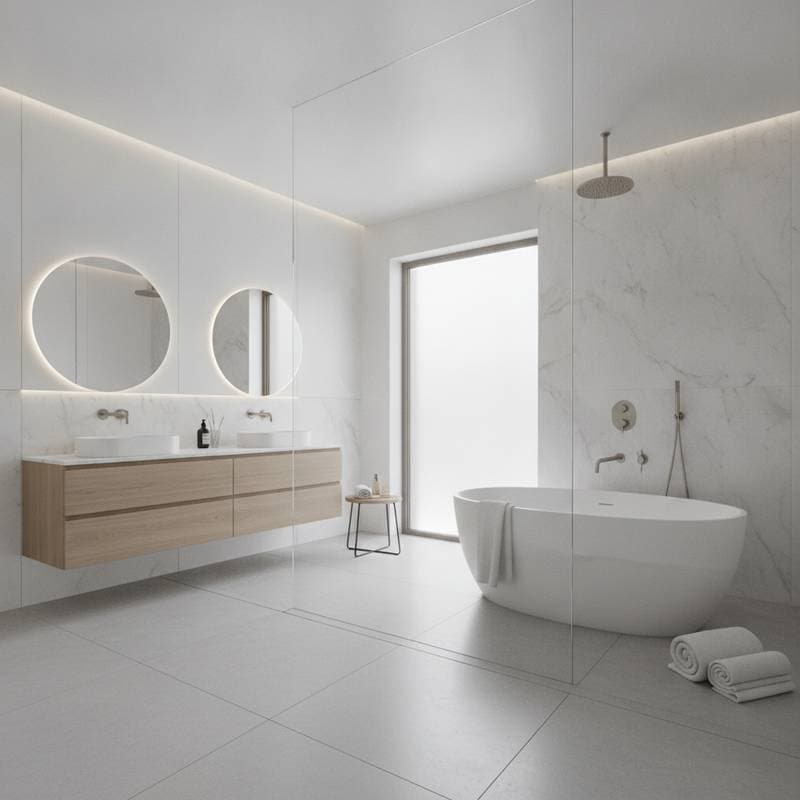
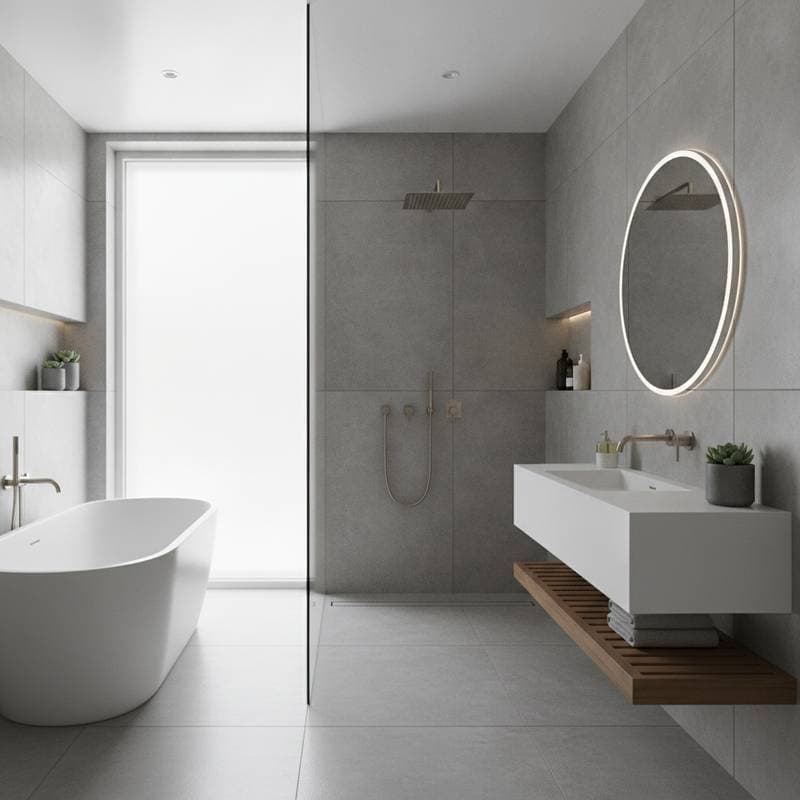
For long-term residents, emphasize enhancements that streamline routines and preserve property equity. Prospective sellers should target prominent alterations, including thresholdless access, contemporary hardware, and optimized illumination schemes.
An effectively planned aging-in-place bathroom harmonizes utility with visual appeal. It fosters self-reliance while upholding design sophistication. Ultimately, such a space equips your dwelling to accommodate evolving circumstances seamlessly.
Frequently Asked Questions
How much value does an aging-in-place bathroom contribute?
Up to 15 percent in various markets, contingent upon execution excellence and regional preferences for adaptable properties.
Do permits apply to grab bars or basic modifications?
Typically not for support rails or accessory changes, though hydraulic or wiring alterations demand approval. Verify with municipal authorities.
How do ADA and Universal Design differ?
ADA establishes standards primarily for commercial venues. Universal Design extends comparable concepts to residential settings, stressing broad applicability and ease for diverse users.
Is retrofitting possible for current bathrooms?
Affirmative. Conventional layouts accommodate additions like step-free enclosures, elevated commodes, and strengthened partitions with minimal disruption.
What funding options exist for accessibility projects?
Certain financial institutions and wellness initiatives provide reduced-rate financing or subsidies. Inquire with community housing agencies or your selected builder for applicable programs.