Wet Rooms: The 2026 Trend Elevating Home Value by 11 Percent
Wet rooms create a unified bathroom environment without barriers such as curbs or steps. This open, waterproof design integrates seamlessly with contemporary living spaces. Recent home value assessments indicate that properties featuring thoughtfully executed wet rooms command sale prices up to 11 percent higher. The aesthetic appeals to modern tastes, while the functionality supports residents of all ages and abilities.
Defining a Wet Room
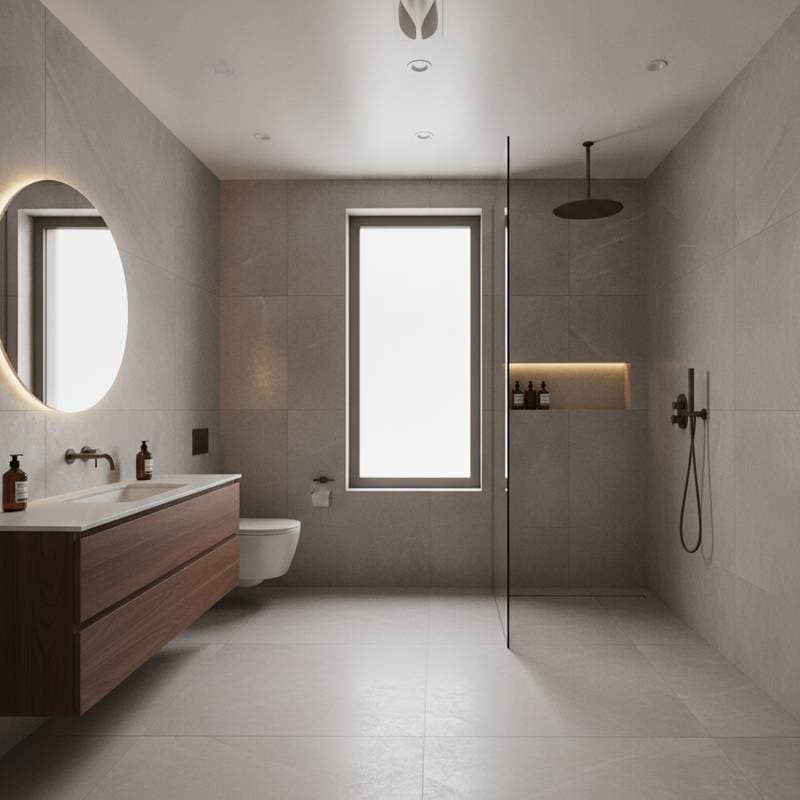
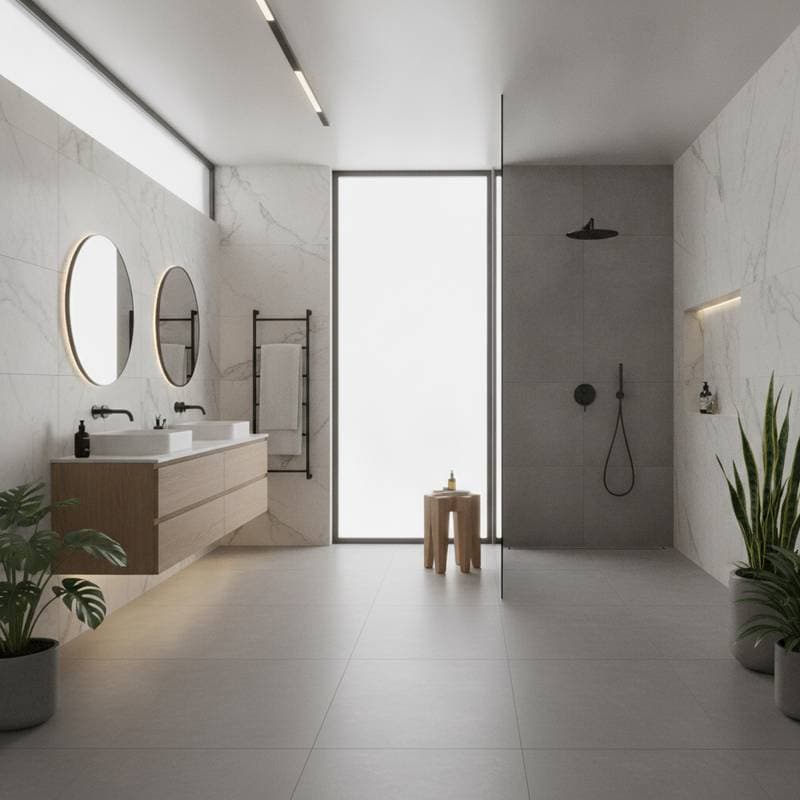
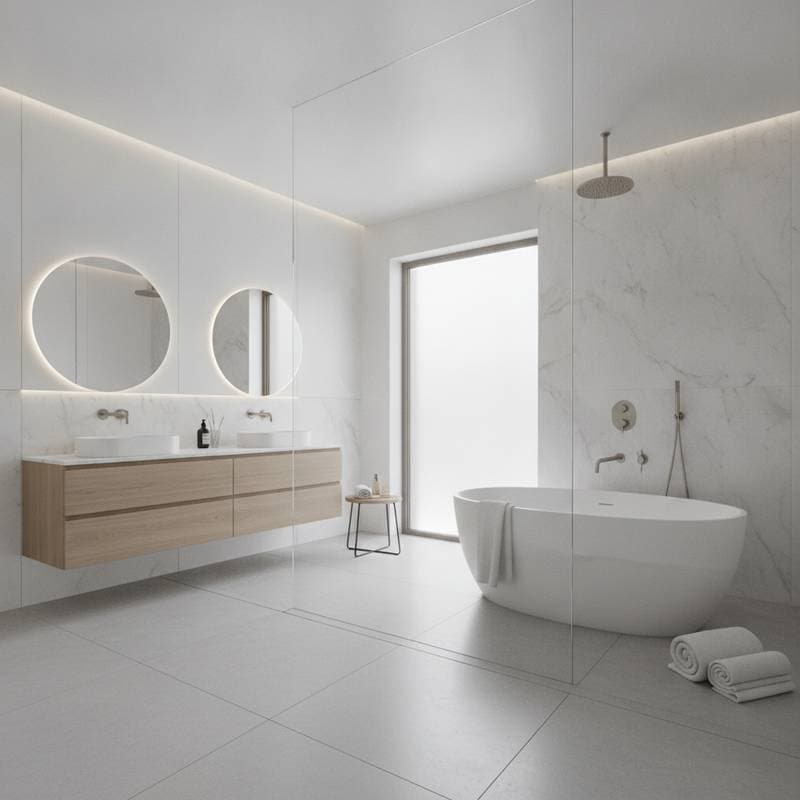
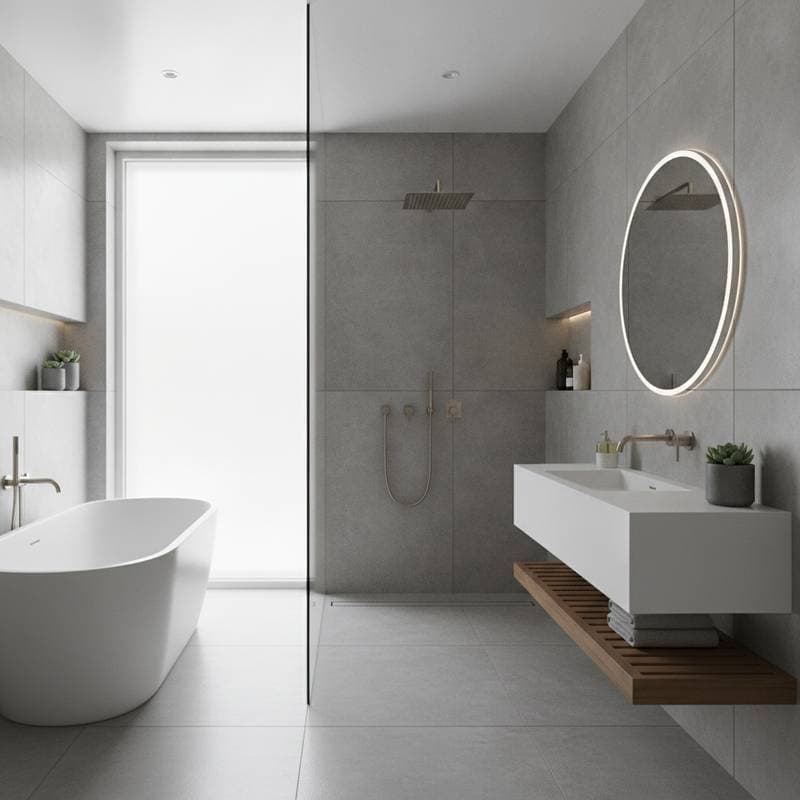
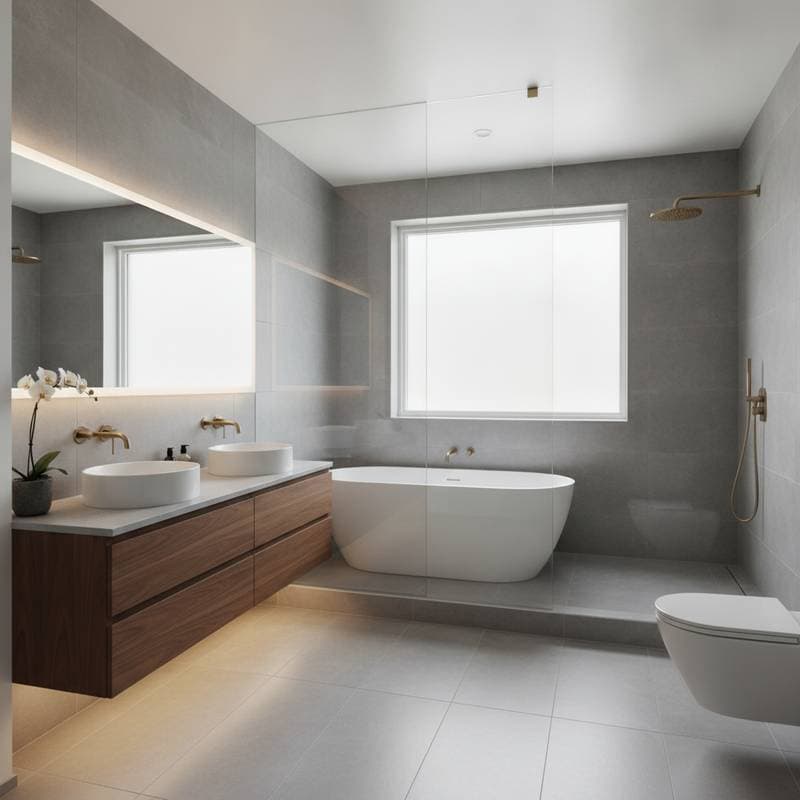
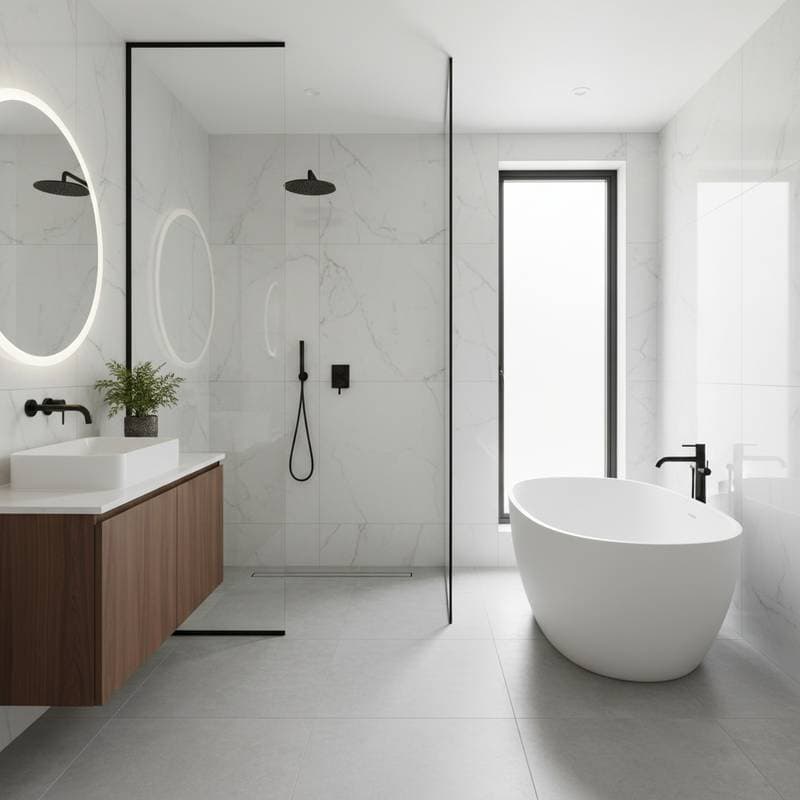
A wet room constitutes a completely waterproofed bathroom in which the shower area aligns flush with the surrounding floor. The flooring incorporates a subtle gradient directing water toward a central drain, with walls and surfaces protected by impermeable barriers. This approach yields a minimalist profile paired with everyday utility, accommodating either an unobstructed shower zone or one partially enclosed by a glass partition to manage water dispersion.
Such configurations excel in compact areas, simplify maintenance routines, and enhance mobility access. They align effortlessly with sleek architectural styles and luxurious spa-inspired atmospheres.
Planning Your Wet Room: A Step-by-Step Guide
- Evaluate structural integrity. Confirm that the underlying subfloor withstands the demands of waterproofing layers and the required gradient.
- Determine the layout. Select the drain position strategically; a corner placement simplifies execution, whereas a linear drain along one edge promotes a more refined appearance.
- Select appropriate waterproof materials. Opt for cement backer boards, liquid-applied membranes, and textured, slip-resistant tiles to ensure durability.
- Design for effective drainage and slope. Aim for a consistent decline of one-quarter inch per linear foot leading to the drain, facilitating efficient water runoff.
- Implement comprehensive waterproofing. Apply a complete membrane system across both the floor and lower wall sections to prevent moisture penetration.
- Execute tiling and sealing. Employ smaller tiles on the floor to maximize grip, and secure joints with epoxy-based, waterproof grout for long-term protection.
- Incorporate fixtures. Choose wall-mounted taps and suspended vanities to maintain an airy aesthetic and facilitate straightforward cleaning.
Detailed Cost Analysis
| Task | Typical Cost Range | Factors Influencing Price |
|---|---|---|
| Design and planning | $500 - $2,000 | Project scale and layout intricacy |
| Waterproofing system | $1,000 - $3,500 | Material brand and application method |
| Drain and plumbing | $800 - $2,500 | Necessity of drain relocation |
| Tiling and materials | $2,000 - $6,000 | Tile dimensions, surface treatments, and installation fees |
| Fixtures and glass | $1,500 - $4,000 | Aesthetic preferences and component durability |
| Labor total | $3,000 - $8,000 | Local wage standards and contractor expertise |
The overall investment for a complete wet room renovation typically spans $8,000 to $20,000. Variations arise from geographic location, desired finish quality, and existing floor conditions. Expenses primarily concentrate on waterproofing applications and intricate tile installations.
Timeline for Installation
Completing a wet room project generally requires one to three weeks. The waterproofing phase demands curing intervals between applications, while plumbing adjustments and tiling can proceed concurrently to some extent. Smaller bathrooms may conclude more swiftly, but elaborate designs incorporating high-end fixtures extend the duration.
Deciding Between DIY and Professional Installation
Consider DIY for projects where:
- You possess advanced proficiency in tiling and waterproofing techniques.
- The scope involves a modest guest bathroom, prioritizing labor cost savings.
- Ample time allows for thorough testing of the slope and seals prior to finalization.
Engage a professional when:
- Plumbing lines or drains require repositioning.
- A formal warranty on the waterproofing installation is essential.
- The property features multiple levels, where potential leaks could compromise lower structures.
Hiring a certified contractor guarantees precise slope execution, thorough waterproof coverage, and adherence to building codes. This professional oversight also safeguards the enhancement's contribution to property resale potential.
Essential Tools and Materials
- Trowel and spirit level for establishing the slope accurately
- Liquid waterproof membrane or pre-formed sealant sheets
- Cementitious backer board for substrate reinforcement
- Tile cutting tools and spacing inserts
- Linear or point drain assembly kit
- Textured, non-slip ceramic or porcelain floor tiles
- Epoxy-infused waterproof grout and perimeter sealants
- Silicone-based caulk for seam protection
- Protective equipment including gloves, respiratory masks, and padded knee supports
Safety Considerations and Regulatory Compliance
Effective waterproofing remains paramount, as vulnerabilities may permit water infiltration into substructures. Rely on certified systems and adhere strictly to product guidelines. In numerous jurisdictions, alterations to drainage configurations necessitate plumbing permits. Electrical components, such as outlets or illumination near water zones, must comply with ratings for damp locations.
Properties with concrete slab foundations often require inspections for drainage excavations. Always conduct a preliminary water flow test before tiling to verify directional efficiency.
Adapting to Regional and Environmental Conditions
In regions with high humidity or proximity to coastlines, prioritize cement board substrates over gypsum alternatives. Select grout formulations resistant to mold growth. Colder climates benefit from radiant floor heating systems, which enhance comfort and accelerate surface drying. Locations with mineral-rich water supplies should incorporate filtration to mitigate deposits on glass and tile surfaces.
Dwellings in areas susceptible to flooding or excessive dampness may incorporate a subtle door threshold, preserving the curbless essence while providing containment. Certain municipal regulations mandate such features for auxiliary water barriers.
The Value Proposition of Wet Rooms
Prospective buyers favor bathrooms that demand minimal upkeep and embody current design sensibilities. Wet rooms expand perceived space beyond conventional shower enclosures and accommodate diverse mobility needs. Real estate professionals observe that properties with updated spa-like bathrooms frequently secure elevated bids. The barrier-free arrangement, simplified cleaning, and inclusive accessibility collectively amplify desirability.
This 11 percent uplift in home valuation stems from both practical advantages and visual allure. The design captures compelling images for marketing materials and delivers a sophisticated experience during viewings.
Wet Rooms Versus Traditional Bathrooms
| Feature | Wet Room Advantage | Standard Bathroom Characteristics |
|---|---|---|
| Floor Transition | Completely level integration | Elevated step or barrier present |
| Maintenance Effort | Streamlined surface cleaning | Increased seams and grout upkeep |
| Accessibility | Superior universal design | Variable based on configuration |
| Water Containment | Encompasses entire room | Confined to designated shower |
| Aesthetic Appeal | Expansive and contemporary | Conventional enclosure style |
| Impact on Resale | Notably enhanced | Standard market expectation |
Expert Recommendations for Optimal Results
Establish the slope configuration at the outset, as corrections prove expensive post-installation. Select floor tiles with inherent texture to ensure secure footing. Validate the waterproofing integrity prior to tile placement. Install a solitary glass panel to direct water flow without disrupting the open vista. Favor wall-affixed fixtures to ease maintenance tasks. Integrate built-in niches for storage to preserve sleek contours. Employ subdued color palettes for enduring versatility.
Pitfalls to Sidestep
Avoid partial waterproofing measures; comprehensive coverage is indispensable. Refrain from smooth, polished floor tiles, which pose slip hazards in wet conditions. Ensure robust ventilation through a high-capacity, low-noise exhaust fan to control humidity levels. Account for adequate drain capacity to prevent water accumulation. Prioritize illumination with fixtures rated for moist environments to illuminate the space effectively.
Scenarios Requiring Professional Intervention
Summon an expert upon detecting water seepage, inadequate drainage, or grout degradation. Specialists can address joint resealing or membrane repairs without full disassembly. For future renovations, obtain detailed schematic drawings from a qualified professional to guide subsequent modifications.
Implementing Your Wet Room Upgrade
A wet room offers a spa-quality bathroom that tangibly boosts property worth. Begin by assessing your available space and subfloor specifications. Solicit estimates from at least two contractors specializing in waterproof installations.
Emphasize premium materials, meticulous slope engineering, and resilient surface treatments. Executed properly, this transformation yields a pristine, reliable space that elevates your home's market position for the long term.