Why Wet Rooms Increase Home Value by 11 Percent by 2026
Wet rooms elevate home values through their contemporary aesthetics, efficient space utilization, and simplified maintenance routines. Prospective buyers appreciate the accessibility features and streamlined designs these installations provide. In premium or compact housing markets, a professionally constructed wet room typically adds approximately 11 percent to a property's overall value.
Key Reasons Buyers Value Wet Rooms
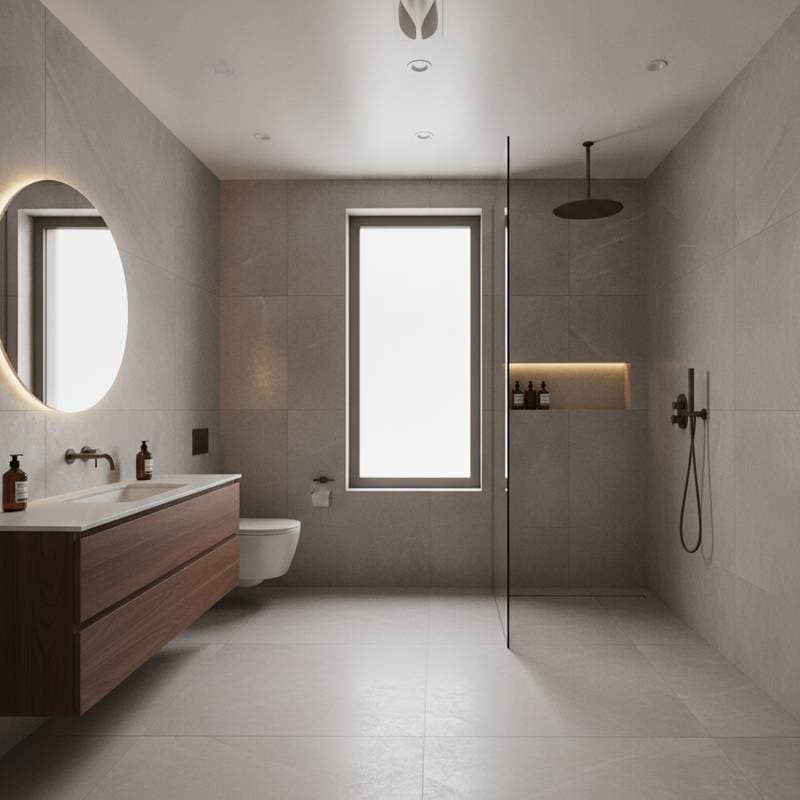
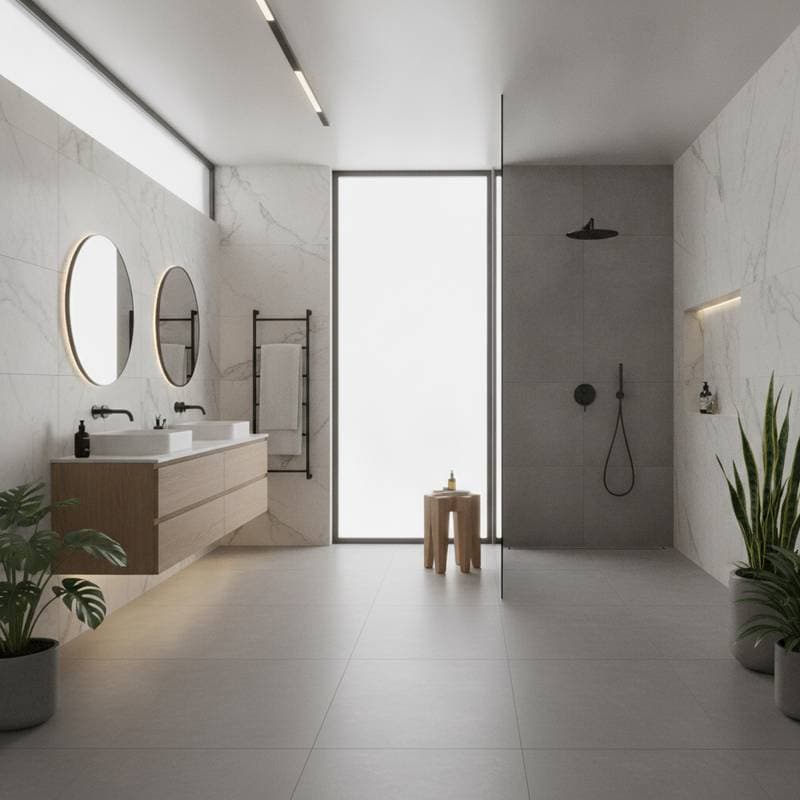
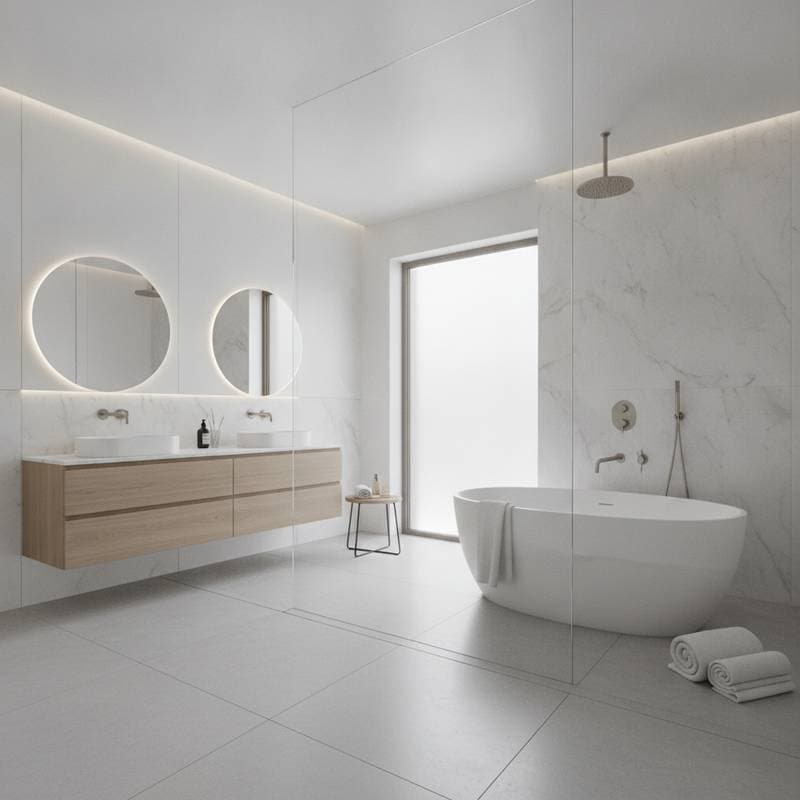
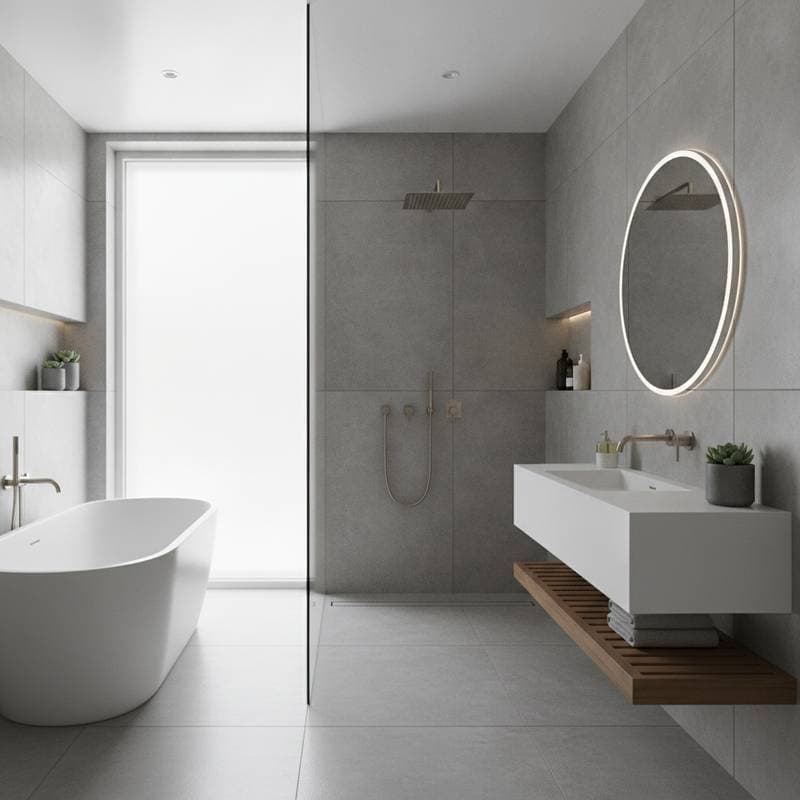
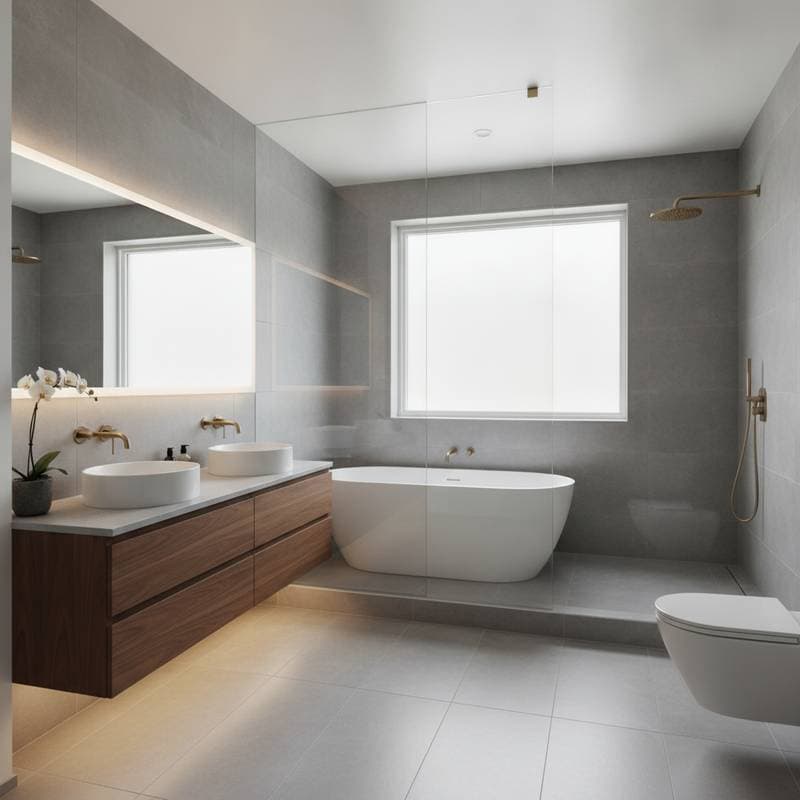
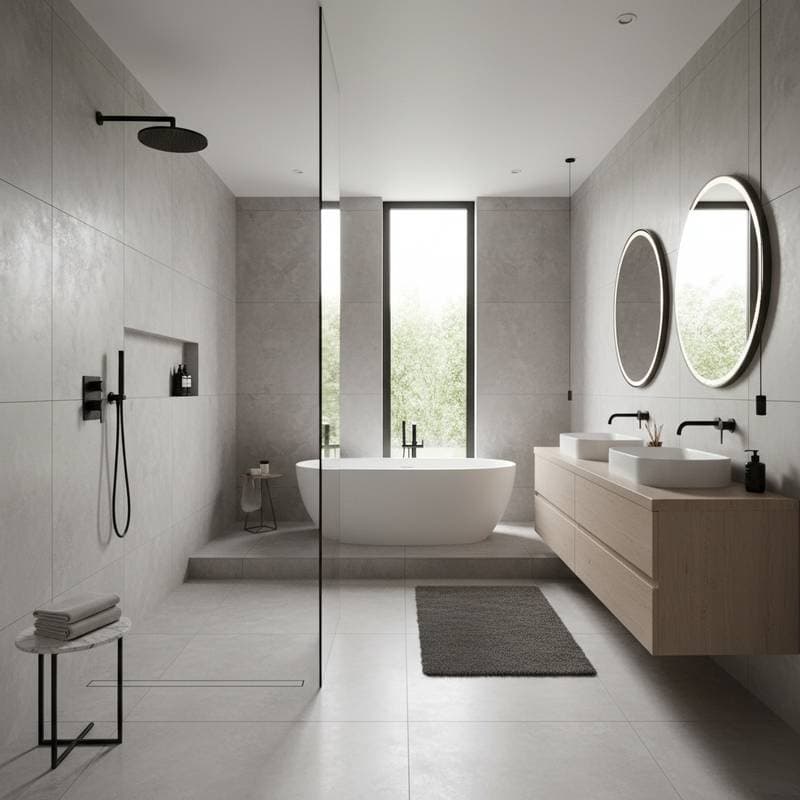
Homebuyers regard wet rooms as indicators of intentional and sophisticated interior planning. These spaces merge opulence with functionality in a cohesive manner. The minimalist lines, barrier-free entry, and integrated surfaces transform even compact bathrooms into expansive areas. The absence of raised thresholds accommodates individuals of varying ages and physical capabilities, promoting inclusive design principles that support extended residency.
Maintenance presents another compelling advantage. With minimized seams and edges, wet rooms resist mold accumulation and demand less intensive cleaning efforts. Robust waterproofing mechanisms safeguard against concealed moisture intrusion, instilling assurance in buyers who conduct thorough property evaluations.
Investment Breakdown: Costs and Considerations
Although wet rooms involve higher initial expenditures compared to conventional bathrooms, they yield substantial returns over time. Costs fluctuate based on geographic location, project scale, and material selections.
| Task | Typical Cost Range | Influencing Factors |
|---|---|---|
| Design and Planning | $500 to $1,500 | Bespoke configurations or structural alterations |
| Waterproofing System | $800 to $2,000 | Manufacturer quality and membrane durability |
| Drain and Slope Installation | $600 to $1,200 | Existing subfloor integrity and drainage specifications |
| Tile and Finishes | $1,500 to $4,000 | Material variety and area coverage |
| Plumbing and Fixtures | $1,200 to $3,000 | Preference for wall- versus floor-mounted elements |
| Labor | $3,000 to $8,000 | Local wage standards and project intricacy |
The average complete installation ranges from $7,000 to $15,000 for standard residential applications. High-end customizations, such as integrated smart features or exotic materials, may exceed $25,000.
Primary expense influencers include premium tile options, radiant floor heating systems, bespoke glass enclosures, and adaptive accessibility elements. To optimize budgets, consider compact layouts, economical tiling alternatives, and leveraging pre-existing plumbing infrastructure.
Deciding Between DIY and Professional Installation
Opt for a do-it-yourself approach under these conditions:
- Possess extensive expertise in tiling applications and waterproof membrane installations.
- Demonstrate proficiency in achieving precise gradients for drainage and aligning outflow systems.
- Maintain absolute certainty in securing all connections and interfaces against moisture penetration.
Engage professional services in the following scenarios:
- Subfloor adjustments or leveling prove necessary.
- Relocation of drainage or water supply conduits is required.
- Securing a manufacturer-backed warranty against potential leaks is a priority.
Certified plumbers or specialized bathroom remodelers guarantee adherence to building regulations and facilitate smooth inspection processes. Errors in gradient establishment or sealing integrity can lead to extensive water damage repairs, often costing several thousand dollars.
Adapting to Regional and Environmental Factors
In regions with cooler temperatures, incorporate underfloor heating to maintain tile warmth and accelerate surface drying. For areas prone to high humidity, select grout formulations enhanced with antimicrobial agents to prevent fungal growth.
Properties in flood-prone or storm-vulnerable zones demand waterproof barriers compliant with stringent local standards for water resistance. Municipal authorities frequently mandate permits for any plumbing alterations; verify requirements prior to commencing work.
Coastal markets often experience amplified resale premiums for wet rooms, driven by preferences among affluent purchasers seeking upscale amenities.
Advantages and Potential Drawbacks
Advantages
- Enhances property appraisal by approximately 11 percent.
- Facilitates straightforward cleaning and upkeep.
- Accommodates users across diverse age and mobility spectrums.
- Delivers a contemporary, uninterrupted visual aesthetic.
- Expands the perceived size of confined bathroom areas.
Drawbacks
- Demands elevated upfront financial commitment.
- Necessitates specialized waterproofing expertise.
- May convey a chilly sensation absent supplementary heating.
- Requires containment measures, such as glass panels, to manage water dispersion.
Factors Driving Significant Value Appreciation
Wet rooms embody assured architectural vision, appealing to buyers as embodiments of refinement, utility, and adaptability to future needs. Their versatility broadens the potential audience of interested parties, intensifying bidding dynamics for equipped properties.
Real estate professionals observe accelerated purchase decisions when listings highlight wet room imagery. The striking presentation of expansive tiling, level-integrated drains, and translucent partitions distinguishes a home, imparting an air of bespoke architectural distinction even in modest dwellings.
Optimal Timing for Wet Room Integration
Incorporate a wet room during primary bathroom renovations or when repurposing underutilized shower enclosures. Substituting a bathtub often liberates valuable floor area for enhanced functionality. For individuals intending long-term habitation, the level-entry design preserves usability as mobility requirements evolve.
Properties featuring multiple bathrooms realize maximum benefits. Retain a conventional tub-equipped facility to appeal to traditional preferences, while designating the principal bathroom as a wet room to underscore modernity and inclusivity.
Essential Safety and Compliance Guidelines
Prioritize non-slip flooring tiles to mitigate fall risks. Apply comprehensive sealants at all tile-to-fixture junctions. Equip the space with a moisture-rated ventilation system. Conduct a thorough water retention test prior to applying finishing layers. Adhere to jurisdiction-specific mandates for drainage inclines. Position electrical receptacles beyond the splash-prone perimeter.
Engage a qualified plumber to evaluate novel connections to primary drainage networks. Most warranties stipulate documentation of expert involvement for validity.
Practical Steps to Proceed
Commence by dimensioning your existing bathroom space and diagramming potential drain placements. Solicit estimates from a minimum of two specialists versed in impermeable systems. Inquire about specific membrane brands and associated guarantee provisions. Examine tile specimens illuminated by your bathroom's ambient lighting to inform selections.
By implementing these strategies, homeowners position their properties for optimal market positioning by 2026, capitalizing on the enduring demand for innovative, value-adding bathroom solutions.