Why Statement Ceilings Increase Home Value by 6% by 2026
Statement ceilings capture attention immediately upon entering a room. They transform ordinary spaces into refined environments. Real estate experts indicate that properties featuring distinctive ceiling designs often sell for up to 6 percent above comparable homes. Buyers interpret these elements as indicators of superior quality, skilled workmanship, and unique character.
Defining a Statement Ceiling
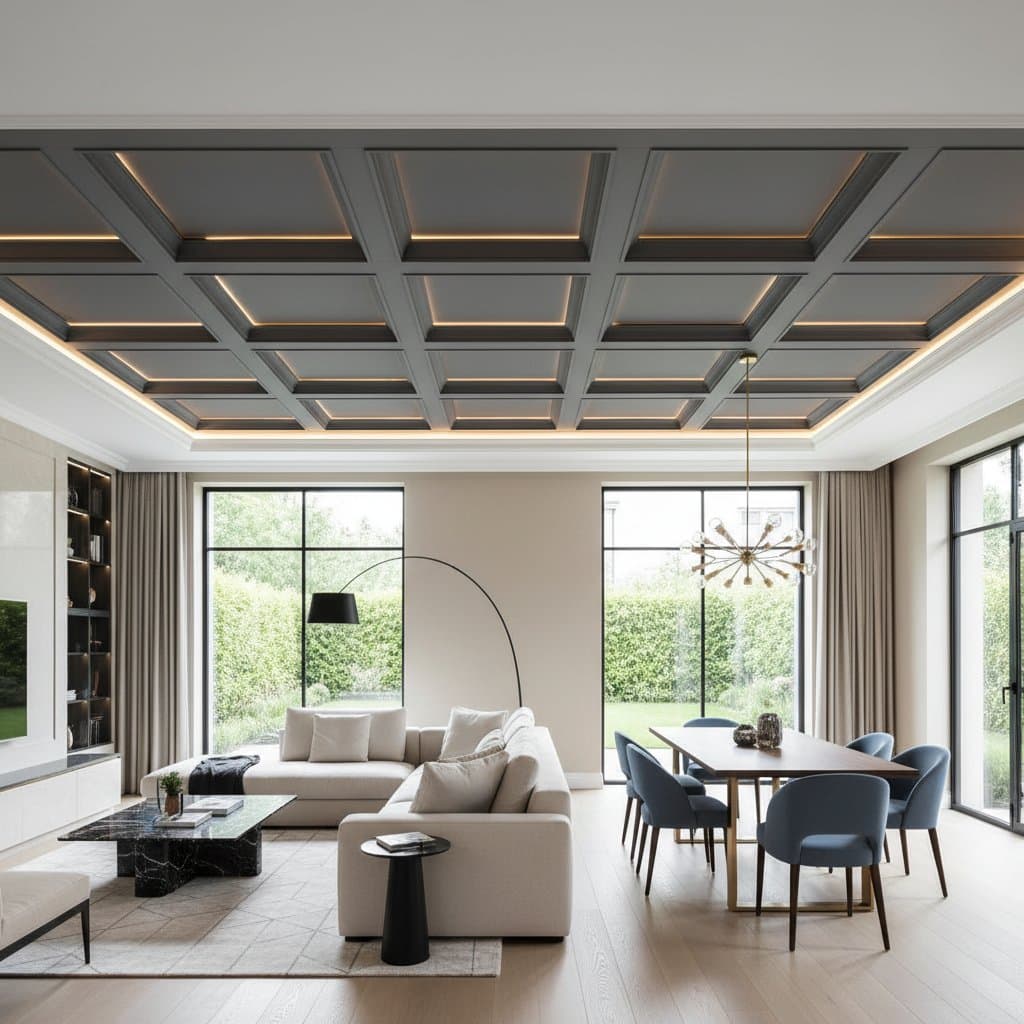
A statement ceiling serves as a focal point that commands visual interest. It employs elements such as shape, color, pattern, or texture to introduce dimension. Examples range from understated options, like a coffered grid in a dining area, to striking choices, including dark paint, exposed beams, or intricate plaster details. The intention remains to render the ceiling purposeful rather than overlooked.
These designs appear across diverse settings. In open-concept layouts, they delineate functional areas. High ceilings benefit from them to achieve proportional balance. Compact condominiums leverage them to introduce elegance without compromising usable space.
Reasons Buyers Value Statement Ceilings
Buyers associate statement ceilings with sophisticated architectural features. Such elements convey bespoke design intentions. Unlike removable decor like paint on walls or furnishings, ceilings integrate into the building's framework, lending a sense of enduring worth.
These ceilings also enhance photographic appeal. Listings showcasing overhead contrast attract greater online engagement. Increased views translate to more in-person viewings, frequently resulting in stronger purchase offers.
Key factors contributing to the 6 percent value increase include:
- Visual impact. Robust ceiling treatments elevate simple rooms to luxurious standards.
- Indication of skill. Coffered or beamed designs imply tailored construction.
- Enhanced lighting options. Many incorporate multi-layered illumination, a feature buyers appreciate.
- Spatial organization. They structure open areas without introducing partitions.
Leading Statement Ceiling Styles
1. Coffered ceilings.
These timeless configurations feature recessed panels outlined by beams, creating shadows and architectural rhythm. They suit living rooms, dining spaces, and libraries ideally.
2. Tray ceilings.
A recessed central portion rises above the edges, imparting height and grace. Bedrooms and foyers accommodate them particularly well.
3. Beamed ceilings.
Visible wood or simulated beams introduce warmth and texture. They align with rustic, coastal, or farmhouse aesthetics effectively.
4. Painted or wallpapered ceilings.
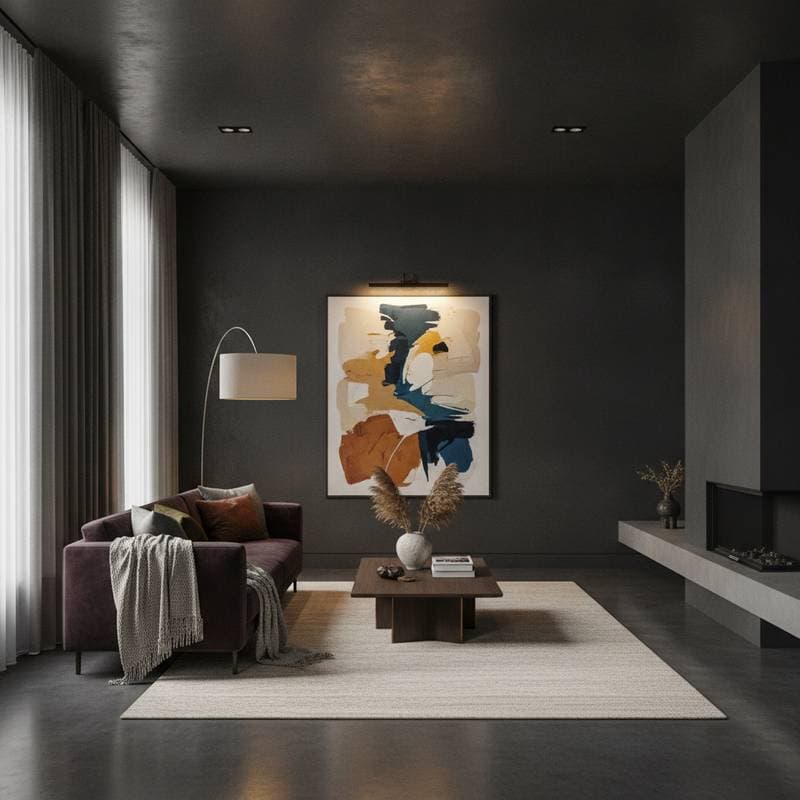
Bold hues or motifs direct gaze upward. Deep tones foster coziness, while wallpaper infuses individuality.
5. Metal or tin panels.
These reflective surfaces add sheen and detail. Kitchens and period residences benefit from their application.
Installation Costs
| Task | Typical Cost | Influencing Factors |
|---|---|---|
| Coffered ceiling installation | $25 to $50 per square foot | Material selection, height, design intricacy |
| Tray ceiling framing | $15 to $35 per square foot | Labor for framing, drywall application |
| Beamed ceiling (faux wood) | $12 to $25 per square foot | Beam composition, arrangement |
| Painted or wallpapered ceiling | $3 to $10 per square foot | Paint grade, preparation requirements |
| Metal ceiling panels | $10 to $20 per square foot | Panel variety, surface treatment, installation effort |
Costs fluctuate based on location. Urban centers incur elevated labor expenses. Choices in wood species, trim styles, and elevation further impact budgets.
Project Timeline
Basic decorative applications require one to two days. Elaborate coffered or tray installations may span a week. Painting or finishing adds an additional day. Integrating custom elements or lighting could extend efforts to two weeks.
Efficiency hinges on preparation. Prefinished panels and premeasured trim accelerate progress. Coordinating carpenters and painters streamlines the schedule.
DIY or Professional Installation
Consider DIY for:
- Accessible, level surfaces.
- Simple additions like paint, peel-and-stick panels, or temporary wallpaper.
- Projects equipped with stable ladders and essential painting supplies.
Opt for professionals when:
- Incorporating beams, trays, or coffers.
- Modifying electrical systems for lighting.
- Addressing elevated or irregular ceilings.
Experts maintain precise alignment and seamless joints. They manage necessary permits for structural modifications. Poor execution risks diminishing property appeal.
Essential Tools and Materials
For painted or wallpapered ceilings:
- Sturdy ladder or scaffolding.
- Painter's tape.
- Rollers and brushes.
- Protective drop cloths.
- Primer, topcoat paint, or wallpaper paste.
For coffered or beamed ceilings:
- Miter saw.
- Spirit level.
- Stud detector.
- Pneumatic nailer.
- Tape measure.
- Beams in wood, MDF, or polyurethane.
- Adhesive for construction.
- Caulking compound and paint.
Prioritize equipment safety ratings and personal protective gear, including eye shields. Employ dust masks during overhead woodworking.
Considerations for Region and Climate
Moisture alters wood performance. Coastal or humid regions favor engineered or synthetic alternatives. Arid areas support solid timber, though periodic sealing proves necessary.
In earthquake-prone or storm-vulnerable locations, evaluate framing prior to additions. Adhere to municipal regulations. Substantial elements like heavy beams or embedded lights may necessitate electrical or structural approvals.
Upkeep and Durability
Installed statement ceilings demand minimal ongoing care. Repaint surfaces every few years. Seal wooden beams every five to seven years. Steer clear of abrasive cleaners that compromise sheen.
Maintain low humidity around wallpaper and clean spots delicately. Polish metal or tin periodically to avert tarnish.
For resale preparation, select understated yet appealing finishes. Buyers seek distinction without overwhelming patterns.
Indicators for Professional Intervention
Engage a licensed specialist if:
- Pre-existing cracks exceed one-eighth inch.
- Drywall shows sagging or prior moisture effects.
- Electrical updates for fixtures or ventilation are required.
- Joist capacity raises concerns.
Pre-project assessments safeguard against complications and liability concerns.
Implementing a Statement Ceiling in Five Steps
- Identify the primary space. Select a room where overhead interest will captivate visitors.
- Determine the design. Align the choice with existing architecture, such as coffers for traditional styles or beams for rustic ones.
- Incorporate illumination. Plan for recessed LEDs, hanging fixtures, or central chandeliers.
- Measure accurately. Procure materials with a 10 percent buffer for adjustments.
- Execute and refine. Proceed from the core outward, sealing joints and applying primer, paint, or stain for uniformity.
Safety and Compliance Essentials
Avoid compromising joists or imposing undue weight without load verification. Handle ladders with utmost caution, maintaining three contact points. Secure assistance for overhead power tool use.
Electrical modifications adhere to jurisdiction-specific standards. Permits often apply to novel installations or recessed options. Non-compliance may hinder future sales.
Enduring Advantages
Beyond value enhancement, a thoughtfully designed statement ceiling alters spatial perception. Beams or trays lend intimacy to lofty volumes, while pale hues or linear motifs expand compact areas. Such refinements convey intentional curation over standard construction.
Prospective buyers register customized details vividly. This recognition often tips decisions toward purchase.
Expert Recommendations
- Balance scale appropriately; avoid deep coffers in low-ceilinged rooms to prevent oppressiveness.
- Select lighting hues that harmonize with wall colors.
- Apply finishes to beams prior to mounting to minimize site disruption.
- Capture ceiling images post-cleaning of lights for optimal marketing visuals.
- Integrate elements that complement the home's overall palette for seamless cohesion.
Frequently Asked Questions
Do statement ceilings reduce perceived room size?
Designs overwhelm only when mismatched to scale. Opt for light finishes or modest trays to preserve openness.