Moody Paint Colors Accelerate Home Sales by 11 Percent in 2026
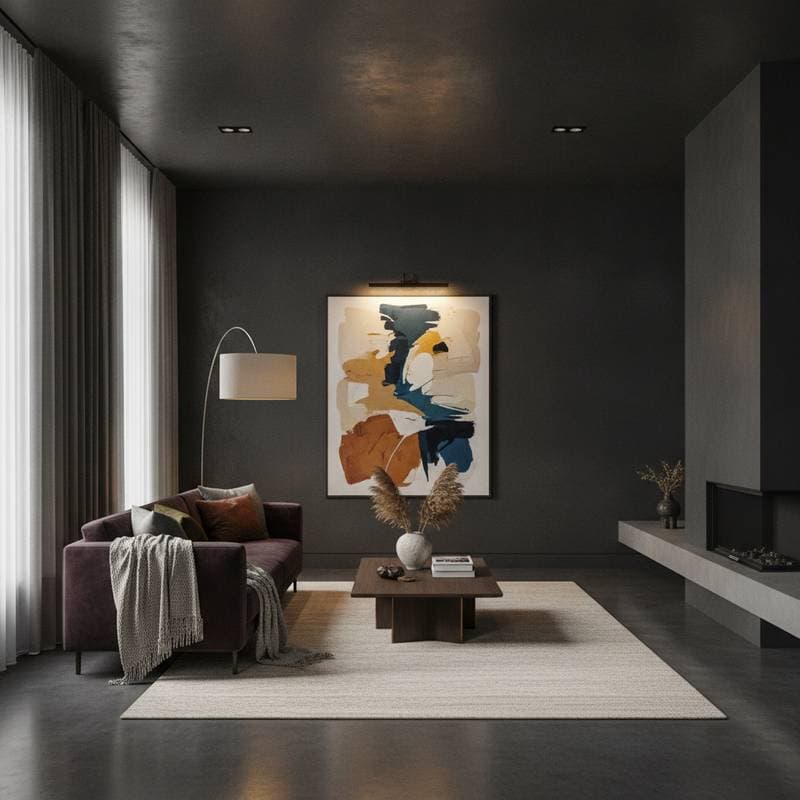
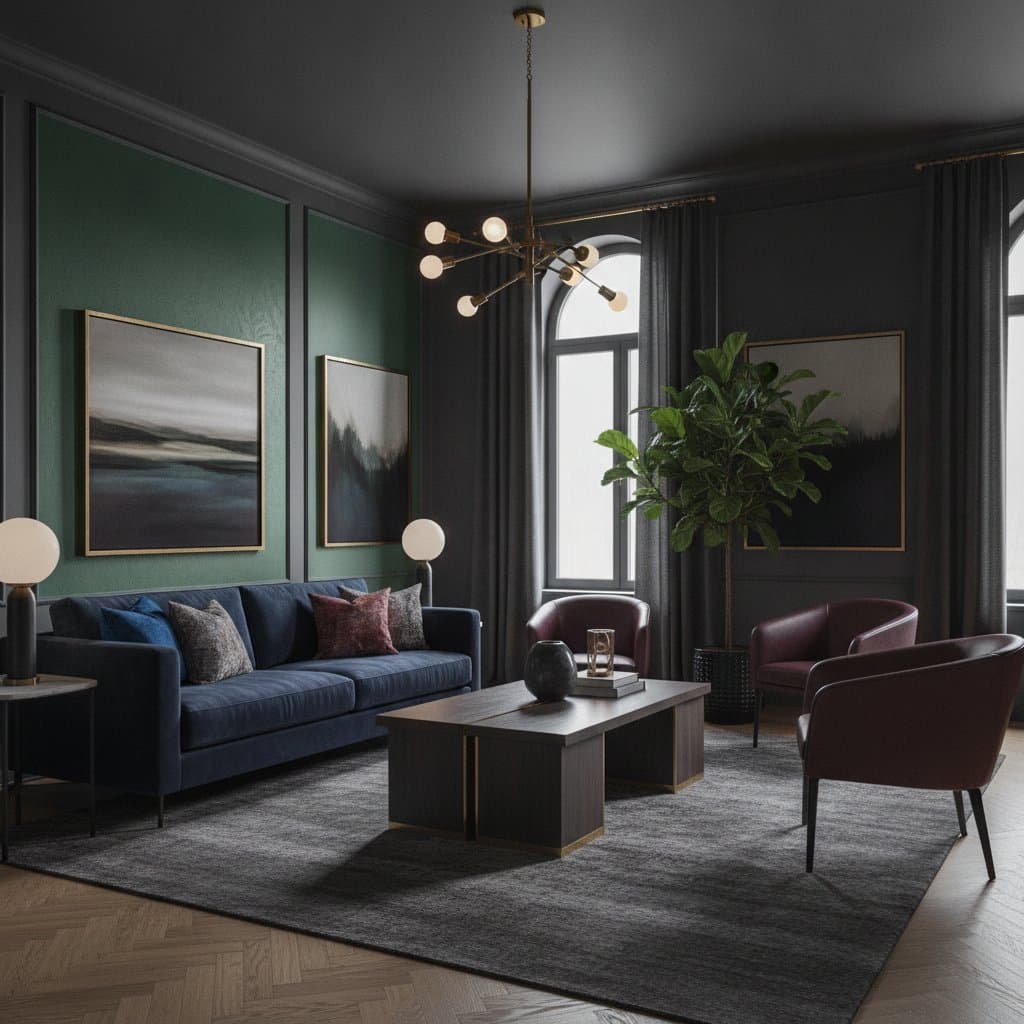
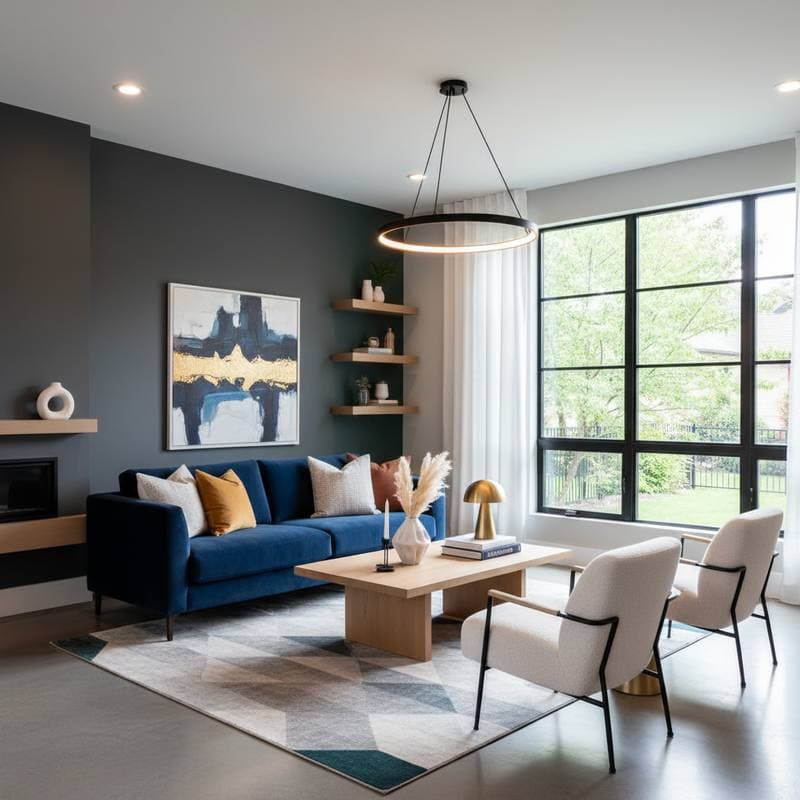
Dark, moody paint colors are transforming the real estate landscape. Recent data indicates that homes featuring deep tones such as charcoal, navy, and forest green sell approximately 11 percent faster than those painted in light neutrals. These hues appeal to buyers by conveying a sense of quality, stability, and contemporary sophistication.
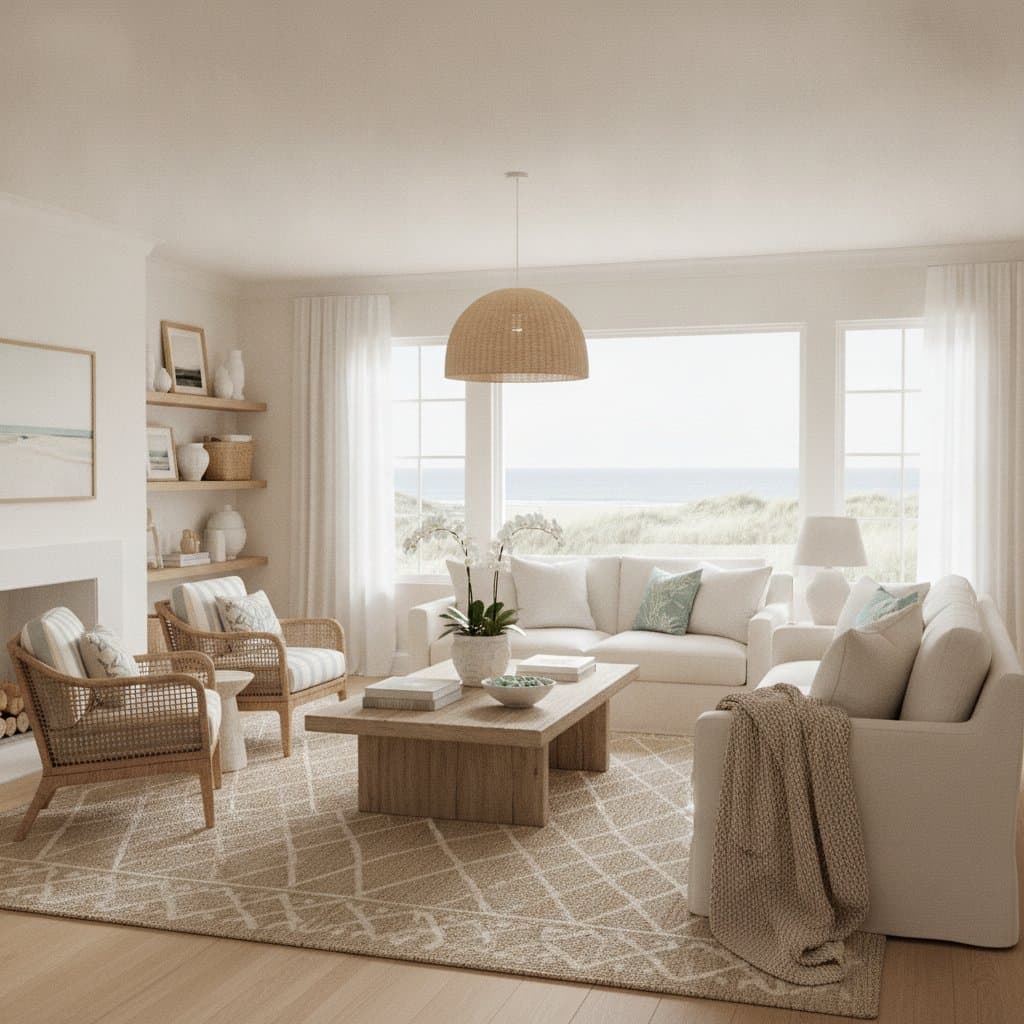
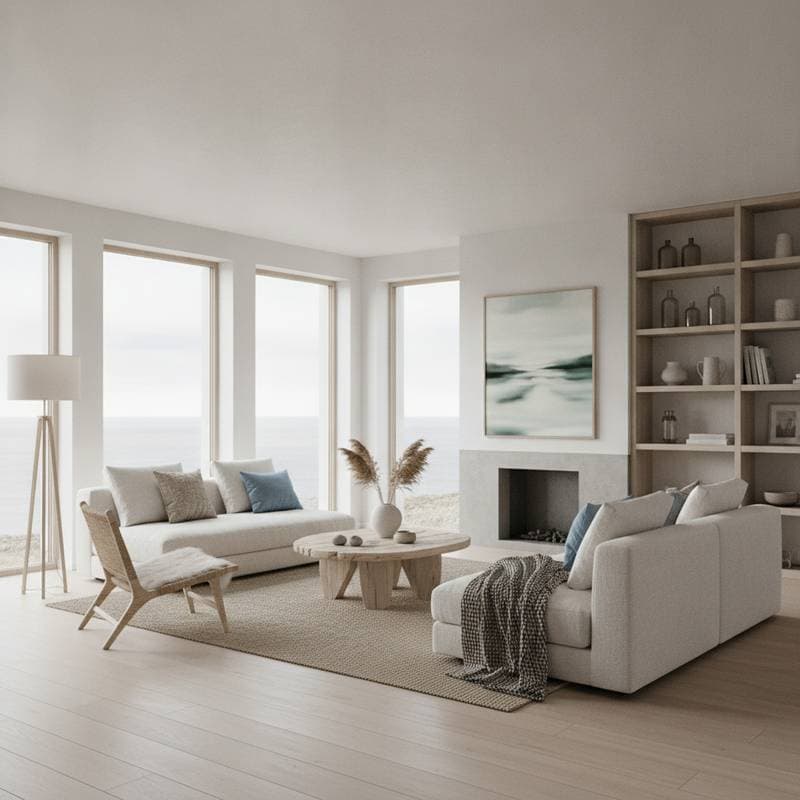
Homeowners preparing to sell or seeking a refined interior update find value in moody palettes. Such schemes perform best in spaces with ample natural light, balanced finishes, and furnishings that provide sufficient contrast to prevent rooms from appearing confined.
Advantages and Drawbacks
Advantages
- Quicker transactions. Properties with bold, dark wall treatments generate heightened buyer interest from the outset.
- Premium aesthetic. These colors establish striking contrasts against lighter trim and flooring elements.
- Imperfection concealment. Matte dark surfaces effectively mask minor wall imperfections.
- Inviting ambiance. Deep shades introduce depth and coziness, particularly in bedrooms and living areas.
- Enhanced visual impact. Listings benefit from vibrant, well-composed color schemes in photographs.
Drawbacks
- Challenging repairs. Dark paints reveal roller marks if application lacks precision.
- Illumination constraints. Spaces lacking natural light may appear diminished in scale.
- Dust visibility. Finishes in matte black or deep navy accentuate dust particles and smudges.
- Additional layers required. Achieving full coverage demands more coats, extending time and expense.
- Subjective appeal. Certain buyers prefer airy, neutral environments over intense tones.
Handling the Project: DIY or Professional
Applying moody colors as a do-it-yourself endeavor requires thorough preparation and steady effort.
Project complexity: Moderate.
Estimated duration: Four to eight hours per room, accounting for drying intervals.
Essential equipment: High-quality rollers, brushes, painter's tape, drop cloths, and precision edging tools.
Potential pitfalls: Inconsistent application leading to streaks or overlapping lines.
Engage a professional for projects involving tall ceilings, surface texturing adjustments, or uniform coverage challenges. Experts employ airless sprayers or specialized rollers for seamless results. They also select appropriate primers to ensure dark pigments adhere evenly and deeply.
Upkeep and Durability
Well-maintained dark paint retains its vibrancy for extended periods.
Daily maintenance practices
- Wipe surfaces using a soft microfiber cloth every few months to remove dust.
- Clean spots with a lightly dampened sponge and gentle detergent solution.
- Steer clear of abrasive cleaning methods that might compromise matte textures.
Repair techniques
- Retain excess paint from the original batch for matching touch-ups.
- Blend edges softly to prevent variations in finish appearance.
Premium interior paints typically endure eight to twelve years without significant fading, provided they receive proper priming during initial application. Select brands that provide guarantees against peeling on prepared substrates.
Regional Considerations
Local environmental conditions, weather patterns, and service costs influence project execution and expenses.
Humid coastal regions: Elevated moisture levels prolong drying times; opt for paints formulated to resist mold growth.
Arid environments: Rapid evaporation risks brush marks; incorporate paint extenders to maintain workability.
Colder climates: Reduced sunlight can amplify the weight of dark tones; incorporate mirrors or ambient lighting to counteract this effect.
Urban settings: Moody shades align seamlessly with industrial or contemporary designs prevalent in high-demand markets.
Regulatory aspects: Interior repaints seldom require approvals, though exterior modifications in heritage districts may necessitate permits.
Professional painting rates vary from $45 to $90 per hour by location. Always request proof of liability coverage and client testimonials prior to commitment.
Investment Return and Market Impact
Moody interiors elevate perceptions of property sophistication. The observed 11 percent reduction in selling time stems from superior photographic representation and enhanced furnishing displays. Prospective buyers perceive greater design intentionality through these layered contrasts.
Although fresh paint does not directly inflate formal valuations, it minimizes market exposure duration and negotiation pressures. An outlay of $1,000 on painting often offsets a month's worth of holding expenses, yielding tangible financial benefits.
Essential Safety Measures
Interior painting involves straightforward tasks, yet adherence to protocols ensures protection.
- Ensure adequate airflow by opening windows and operating exhaust fans to disperse vapors.
- Don protective gloves and eyewear during surface preparation like sanding.
- Secure ladders firmly and avoid stretching beyond safe reach.
- Mask electrical fixtures and switches prior to coating.
- Handle oil-based waste materials responsibly to mitigate fire hazards from spontaneous ignition.
For structures predating current regulations, test for lead content before disturbing existing layers. Comply with Environmental Protection Agency guidelines for renovation activities in pre-1978 dwellings.
Frequently Asked Questions
Do dark colors diminish room proportions?
They might in low-light conditions. Counter this by installing layered illumination or selecting semi-gloss accents to promote spaciousness.
Which areas gain the most from moody applications?
Intimate spaces like bedrooms, dining areas, and home offices absorb deep tones for added intimacy. Well-lit corridors or compact baths tolerate them effectively.
Matte or satin finish: which to choose?
Matte variants obscure flaws yet attract residues; satin provides durability and subtle luster for routine upkeep.
Is it feasible to overlay dark paint with lighter shades subsequently?
Affirmative. Apply a robust primer coat followed by two layers of the new color for optimal results.
How do moody hues interact with wooden accents?
Favorably. Rich greens and blues harmonize with natural wood warmth, whereas charcoals enhance cooler neutral trims.
Implementing Your Moody Refresh
Moody paint selections endure as a staple in evolving design preferences. They foster emotional resonance within living environments, evoking serenity and assurance. Sellers leverage these palettes to differentiate listings amid uniform beige backdrops in digital marketplaces. Residents intending to remain enjoy sustained tranquility and elegance.
Initiate cautiously by treating an accent wall or secondary space to gauge interactions with existing light and decor. Upon validation, proceed to primary zones. Prioritize superior products, sample swatches under varied lighting, and strategize illumination integration.
Secure estimates from at least three certified contractors. Inquire about priming methods, application strategies, and post-job protocols. Through meticulous groundwork and illumination equilibrium, moody paints emerge as both aesthetic enhancements and strategic assets for property enhancement.