Hidden Wine Cellars Enhance Home Value by 15 Percent by 2026
Hidden wine cellars represent a sophisticated upgrade that integrates seamlessly into modern homes. These concealed spaces combine practical storage with elegant design, appealing to buyers who value luxury and functionality. By 2026, experts predict such features will increase property values by up to 15 percent, making them a worthwhile investment for homeowners.
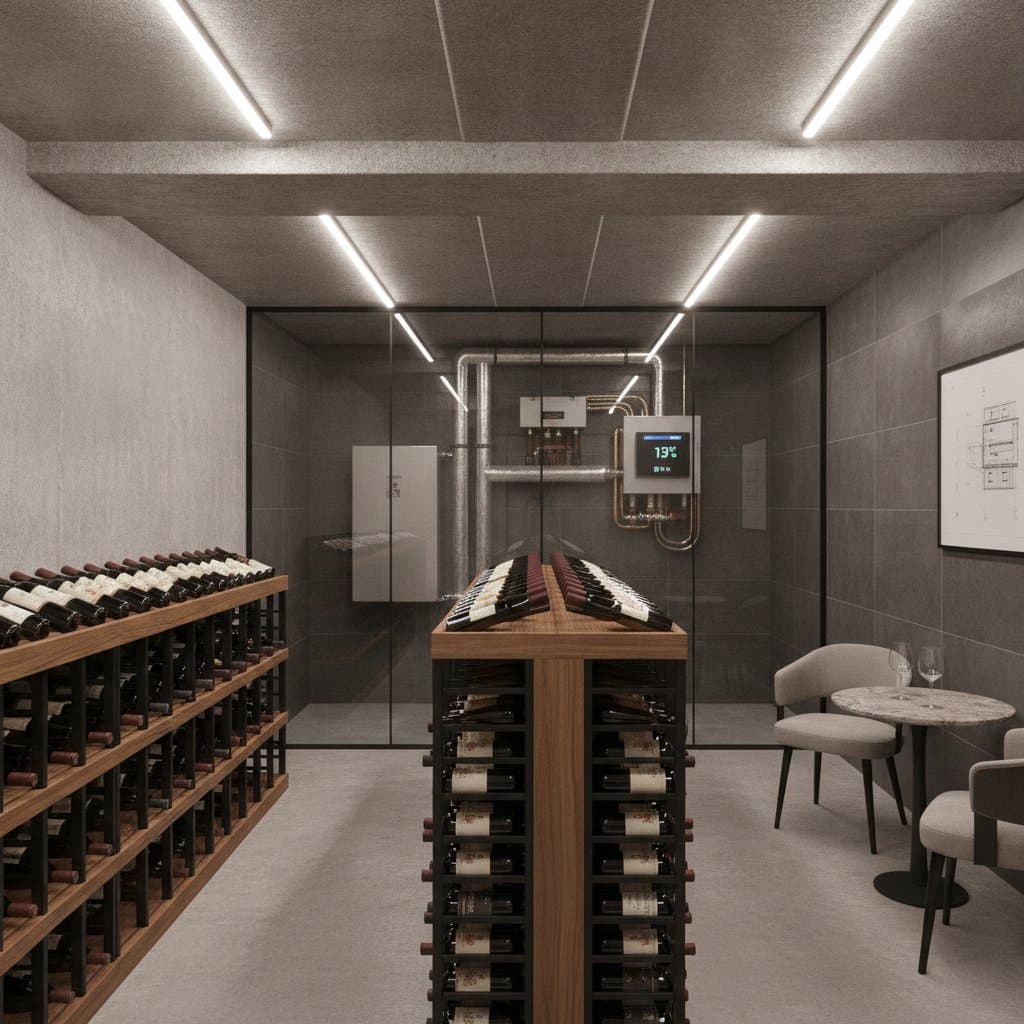
The appeal lies in their ability to transform underutilized areas, such as basements, into secure, climate-controlled retreats. Costs typically range from $18,000 to $65,000, influenced by factors like size, materials, and concealment methods. Proper planning ensures the cellar not only preserves wine collections but also elevates the overall aesthetic and marketability of the property.
Key Cost Considerations
Understanding the breakdown of expenses helps homeowners budget effectively. Each element contributes to both the functionality and the visual impact of the cellar.
Excavation and Space Preparation
Converting an existing basement offers the most economical option, with costs between $18,000 and $30,000. This includes installing insulated walls, vapor barriers, and basic finishes to create a stable environment. For homes without suitable below-grade space, excavating under a slab foundation demands significant investment, often tripling the price due to reinforced structural supports and advanced waterproofing measures.
Homeowners should consult structural engineers early to assess feasibility and avoid unexpected complications. These preparations form the foundation for long-term durability and value retention.
Climate Control Systems
Maintaining optimal conditions requires reliable cooling and humidity management. A compact, self-contained unit suits smaller collections and costs $2,500 to $4,000. Larger installations or those in challenging environments, such as areas with high ambient moisture, necessitate split systems priced from $6,000 onward.
Professional installation adds $1,000, including calibration and performance testing. Selecting energy-efficient models reduces ongoing operational costs while ensuring consistent temperatures between 55 and 65 degrees Fahrenheit.
Racking, Finishes, and Lighting
Storage solutions vary by material and capacity. Custom wood racks, prized for their warmth and craftsmanship, cost $60 to $120 per cubic foot. More affordable metal modular systems begin at $40 per cubic foot, offering flexibility for expanding collections.
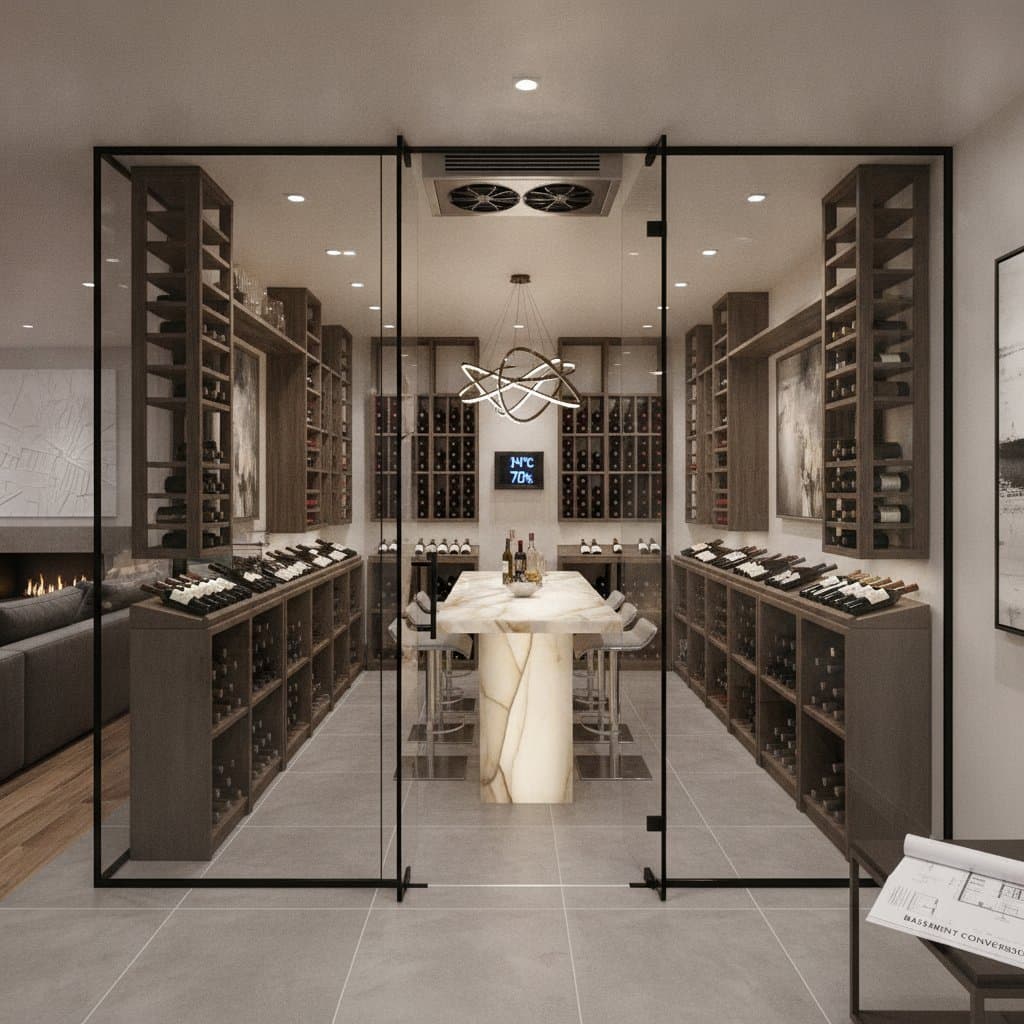
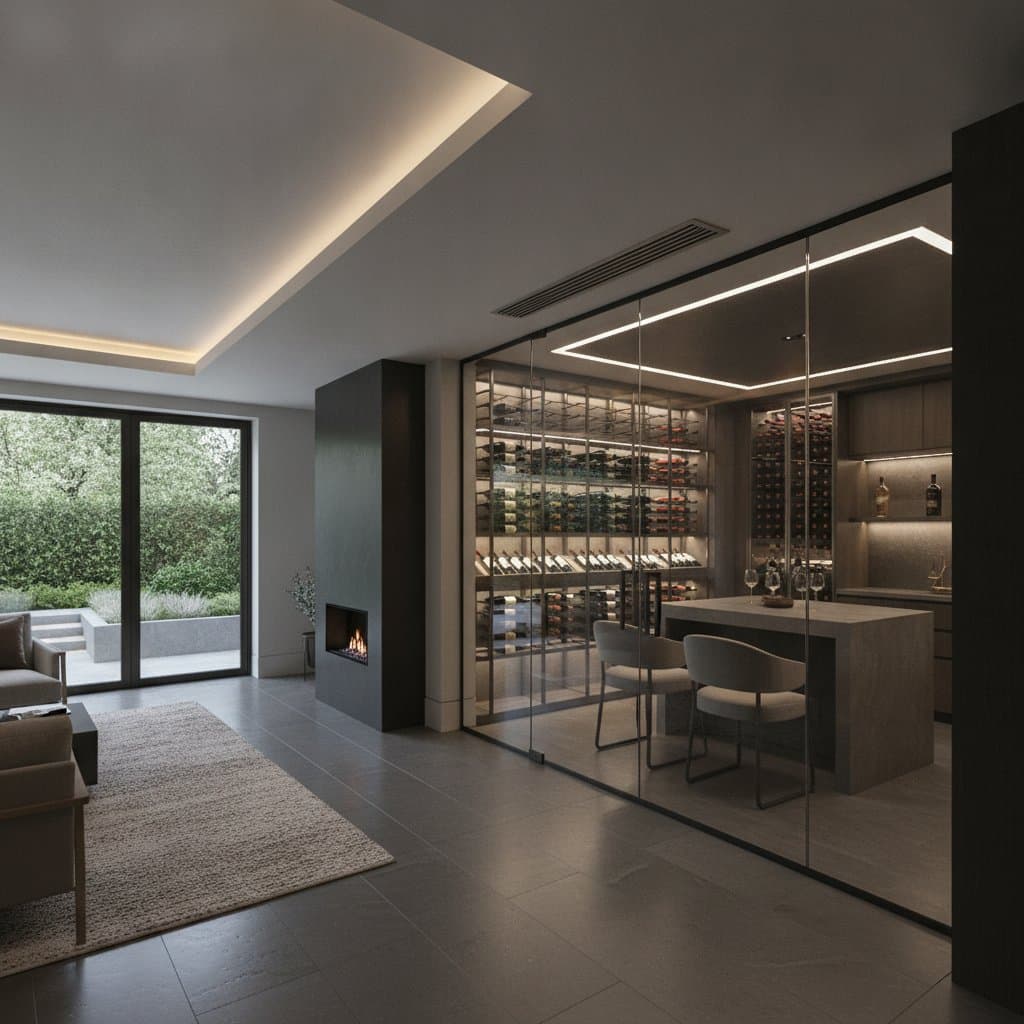
Enhancing the space with stone or glass partitions runs $8,000 to $15,000, depending on dimensions and design complexity. Integrated lighting and automated controls contribute an additional $2,000 to $4,000, creating ambiance that highlights the cellar's architectural details.
Concealed Access Features
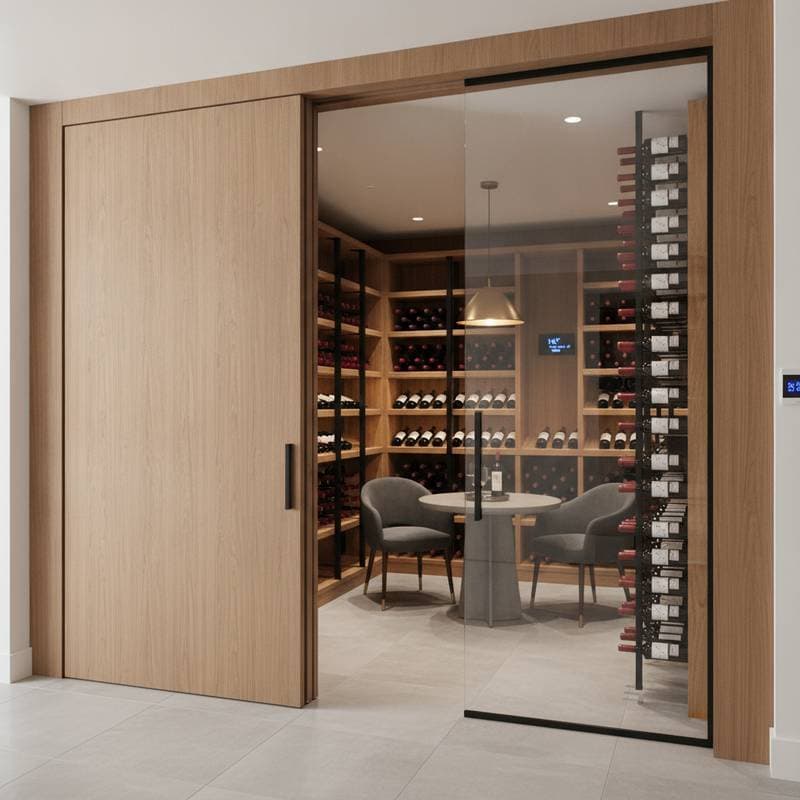
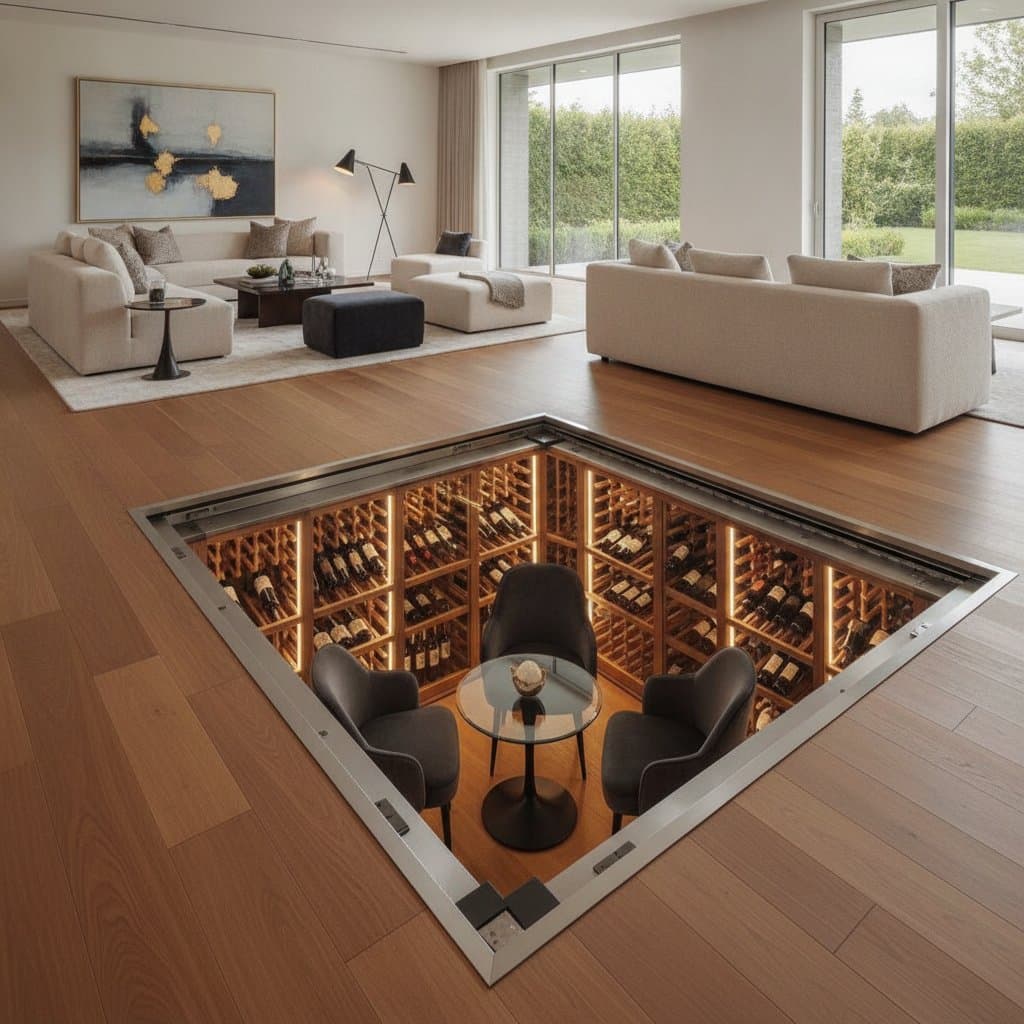
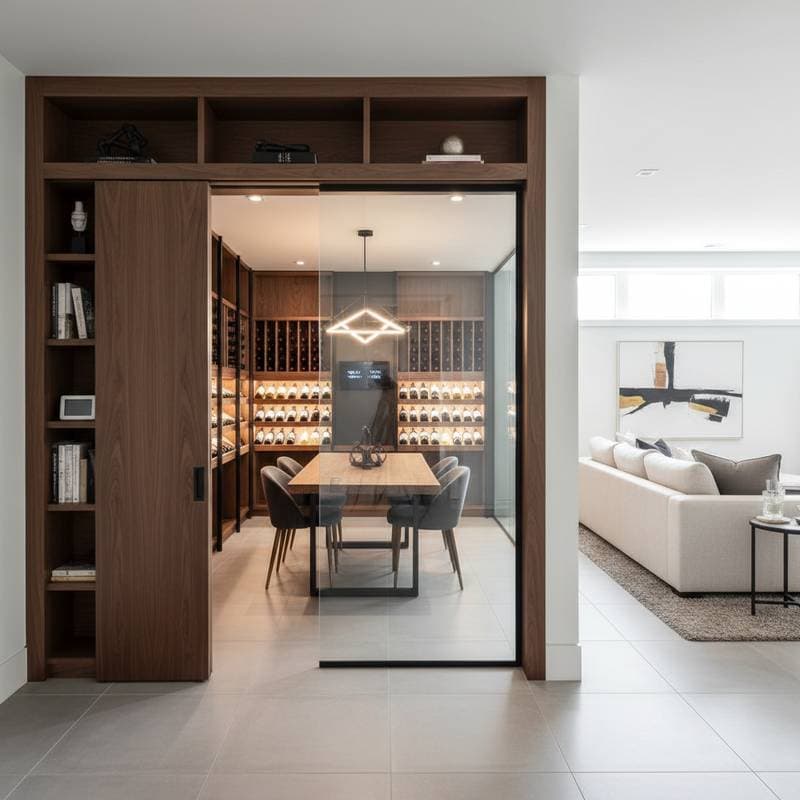
The hidden aspect defines these cellars, with entry points designed for discretion and security. A pivoting bookcase serves as a classic choice at approximately $2,500, blending into surrounding decor. Hydraulic floor hatches, ideal for seamless integration, range from $5,000 to $9,000.
For enhanced protection, safe-room-style mechanisms exceed $12,000, incorporating biometric locks and reinforced panels. These elements not only conceal the space but also add an element of intrigue that captivates potential buyers.
Permits, Inspections, and Compliance
Regulatory requirements safeguard the project and preserve property integrity. Structural and electrical permits cost $500 to $1,200. Post-construction evaluations, such as moisture testing or engineering certifications, add $300 to $600.
Securing approvals upfront prevents delays and ensures adherence to local building codes. This diligence protects against liability and supports the projected value increase.
DIY Options Versus Professional Expertise
Homeowners with relevant skills can tackle certain aspects to control costs, but complex elements demand specialist involvement.
Tasks Suitable for DIY
- Applying finishes, such as painting walls or installing pre-fabricated racking systems.
- Upgrading lighting fixtures or sealing minor gaps around doors.
- Sketching layouts with digital planning tools available online.
These activities allow personalization while keeping expenses in check. Intermediate builders often succeed here with careful research.
When to Engage Professionals
Structural alterations, including excavation, require certified contractors to handle load-bearing modifications safely. Electrical wiring and climate system integrations fall under licensed HVAC and electrician domains. Waterproofing demands precise application to prevent moisture intrusion.
Neglecting professional input risks severe issues, such as mold growth from improper vapor barriers or rapid failure of cooling components. Leaks may damage adjacent areas, leading to costly repairs and diminished resale appeal.
Ongoing Maintenance Practices
Sustaining the cellar's performance extends its lifespan and protects investments. Regular upkeep ensures optimal conditions for wine preservation.
Equipment Care
Air filters in climate units need replacement biannually, while coils require annual cleaning. These systems typically endure 10 to 15 years with proper attention. Monitoring prevents efficiency losses and maintains stable humidity levels between 55 and 65 percent.
Structural and Finish Upkeep
Clean racks and surfaces with a damp cloth, steering clear of oil-based products that could taint cork. Well-maintained wood elements last for decades under controlled conditions. Inspect finishes periodically for wear.
Seal and Sensor Checks
Examine door gaskets annually, replacing any degraded weatherstripping for $30 to $50. Calibrate humidity sensors monthly to verify precision. Early detection of issues averts larger problems.
Warranty Details
Most cooling systems include 3- to 5-year coverage, while professional waterproofing often carries 10-year guarantees. Retain documentation and adhere to maintenance schedules to validate claims.
Essential Safety Measures
Prioritizing safety during construction and use mitigates risks and complies with standards.
- Equip workers with gloves, goggles, and respirators when handling sealants or adhesives on concrete surfaces.
- Disconnect power at the main breaker prior to any electrical work on lights or outlets.
- Verify the absence of utility lines in excavation paths through professional surveys.
- Secure permits for modifications to load-bearing walls or electrical installations.
- Employ licensed professionals for HVAC and electrical components.
Adhering to these protocols avoids accidents, voids on warranties, and potential devaluation of the property.
The Value Proposition of Hidden Wine Cellars
These installations appeal to discerning buyers seeking lifestyle enhancements and secure storage solutions. Real estate professionals note that properties featuring dedicated cellars sell more quickly and at premiums closer to list prices. The anticipated 15 percent value uplift stems from the blend of aesthetic allure and robust mechanical systems.
Beyond storage, the space doubles as an entertainment venue, fostering social gatherings without altering the home's exterior. Thoughtful lighting and finishes evoke a sense of exclusivity, positioning the cellar as a signature element that differentiates the property in competitive markets.
Steps to Implement Your Hidden Wine Cellar
Embarking on this project requires methodical planning to achieve desired outcomes.
- Evaluate available space by measuring basement or crawlspace dimensions, noting ceiling clearance and baseline humidity.
- Establish a realistic budget, factoring in conversion versus new excavation and allocating extra for custom concealment.
- Consult specialists experienced in climate-controlled environments, rather than general contractors.
- Select an access method, such as a disguised bookcase or hydraulic hatch, aligned with your design vision.
- Procure components early, as cooling units and specialty doors may involve 3- to 5-week delivery periods.
- Initiate permit applications ahead of any disruptive work like demolition.
- Monitor environmental controls post-installation, recording temperature and humidity data weekly during the initial month.
Transforming overlooked areas into hidden wine cellars delivers lasting benefits, from guest admiration to enhanced market position. Approach the endeavor with precision, balancing innovation and practicality for maximum return.