EV Chargers Add 15% Home Value Boost by 2026
The Rising Appeal of Electric Vehicles and Home Infrastructure
Electric vehicles represent a significant shift in transportation. As adoption rates increase, homeowners seek properties equipped for this technology. Installing an EV charger emerges as a forward-thinking enhancement that aligns with market trends.
By 2026, experts predict that homes with EV chargers will command a premium in the real estate market. This upgrade not only supports daily convenience but also positions the property as desirable in a sustainable future. Buyers increasingly prioritize such features, driving up overall value.
How EV Chargers Enhance Property Value
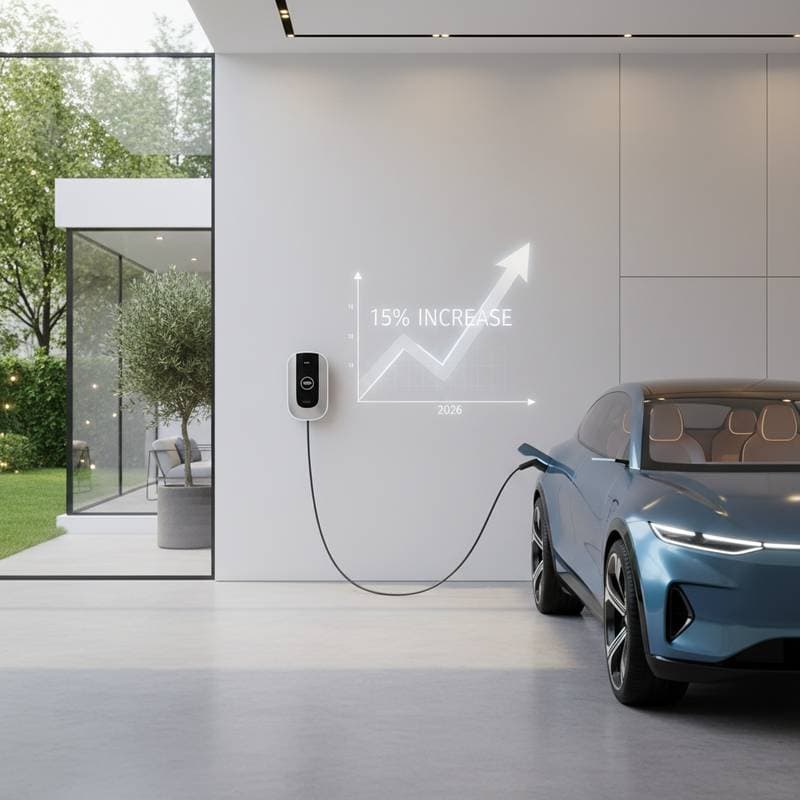
The boost in home value stems from growing demand among EV owners. A recent analysis indicates that properties with charging stations sell 15% higher than comparable homes without them. This premium reflects the time and cost savings for new owners who avoid public charging reliance.
Market data shows EV sales projected to reach 40% of new vehicles by 2026. Homeowners who install chargers now capitalize on this trend. The investment signals environmental commitment, appealing to eco-conscious buyers.
Resale appeal extends beyond immediate utility. Appraisers recognize the charger as a permanent fixture that adds functional value. In competitive markets, this feature differentiates listings and accelerates sales.
Understanding Installation Costs
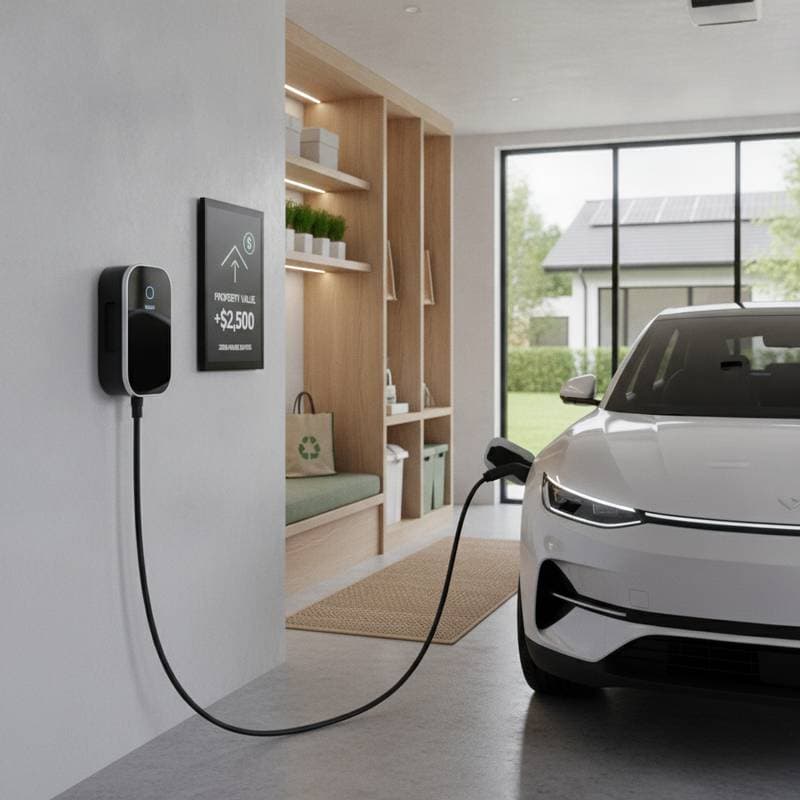
Costs for installing a home EV charger vary based on several factors. Basic Level 2 chargers, suitable for overnight charging, range from $900 to $2,500 including installation. This price covers the unit, wiring, and labor for most standard setups.
Factors influencing the total include electrical panel capacity and charger type. Homes with outdated wiring may require upgrades, adding $500 to $1,500. Permits and inspections contribute another $200 to $400 in many areas.
Federal incentives can offset expenses. The Inflation Reduction Act offers tax credits up to 30% of installation costs, capped at $1,000 for residential setups. Local utility rebates further reduce the net investment.
Step-by-Step Installation Guide
Begin by assessing your home's electrical system. Consult a licensed electrician to evaluate panel capacity and determine if upgrades are necessary. This step ensures safety and compliance with local codes.
- Select the charger type: Choose a Level 2 model for faster charging compared to standard outlets.
- Choose the location: Install near the garage or driveway for easy access, considering cable length and weather protection.
- Hire professionals: Engage certified installers experienced in EV systems to handle wiring and connections.
- Apply for incentives: Submit documentation for tax credits and rebates before or after installation.
- Test the setup: Verify functionality and charging speed post-installation to confirm optimal performance.
Professional installation typically takes one to two days. Homeowners should budget for ongoing maintenance, such as annual inspections costing $100 to $200.
Maximizing Resale Appeal with EV Chargers
To leverage the value boost, highlight the charger in listings. Professional photos showcasing the setup attract EV-interested buyers. Include details on charger specifications and energy efficiency in property descriptions.
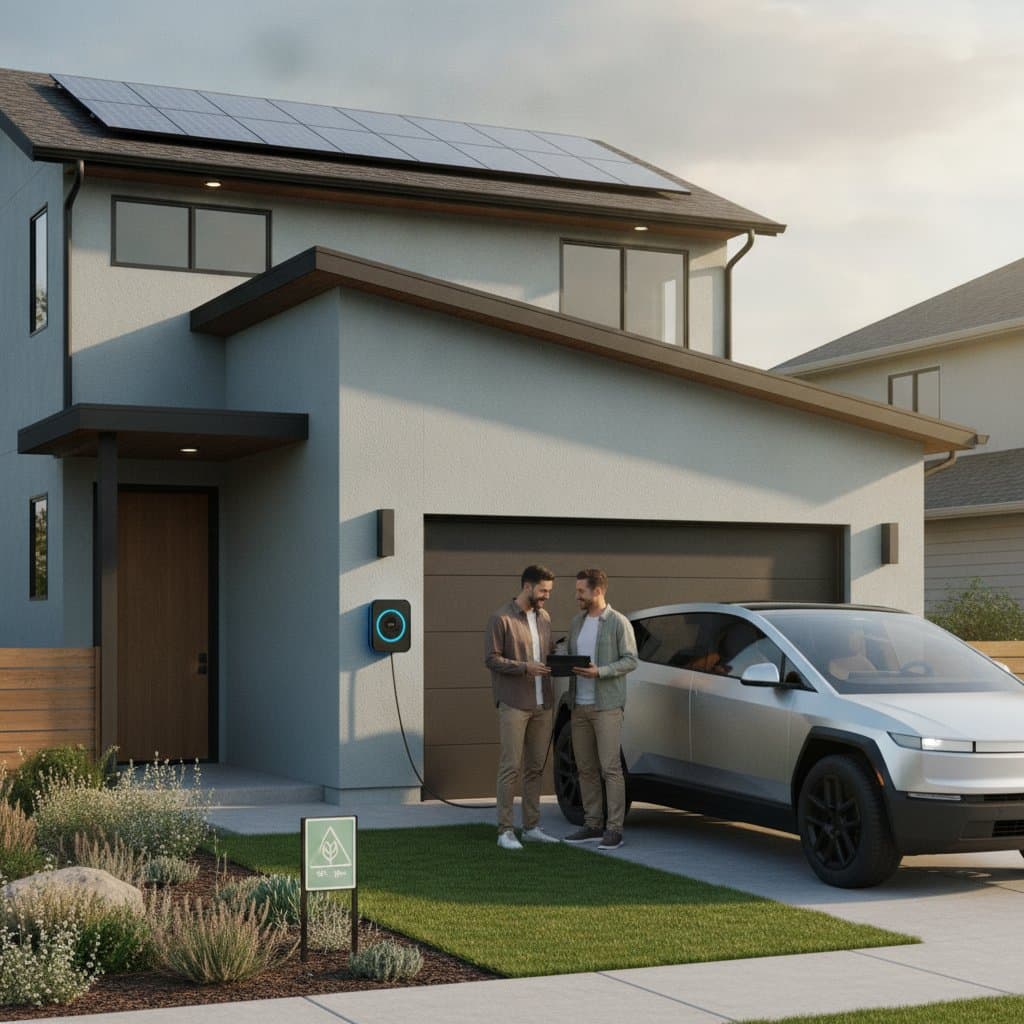
Pair the charger with other green upgrades for compounded benefits. Solar panels or energy-efficient appliances enhance the home's sustainable profile. This combination can increase appeal by an additional 5% to 10%.
Timing matters in the market. Install before listing to demonstrate immediate usability. Disclose any warranties on the charger, which often last 3 to 5 years, to build buyer confidence.
Preparing for an Electrified Future
The transition to electric mobility accelerates with advancements in battery technology and charging speeds. By 2026, widespread infrastructure will make EV ownership seamless. Homes prepared with chargers stand out as ready for this era.
Investing now yields returns through energy savings and property appreciation. Annual charging costs at home average $300 to $500, far below gasoline equivalents. This practical benefit reinforces the long-term financial wisdom of the upgrade.
Homeowners who act proactively secure a competitive edge. The 15% value increase by 2026 underscores the strategic importance of EV readiness. Embrace this opportunity to future-proof your property and enhance its market position.