Why Insulated Garage Conversions Yield 92% ROI
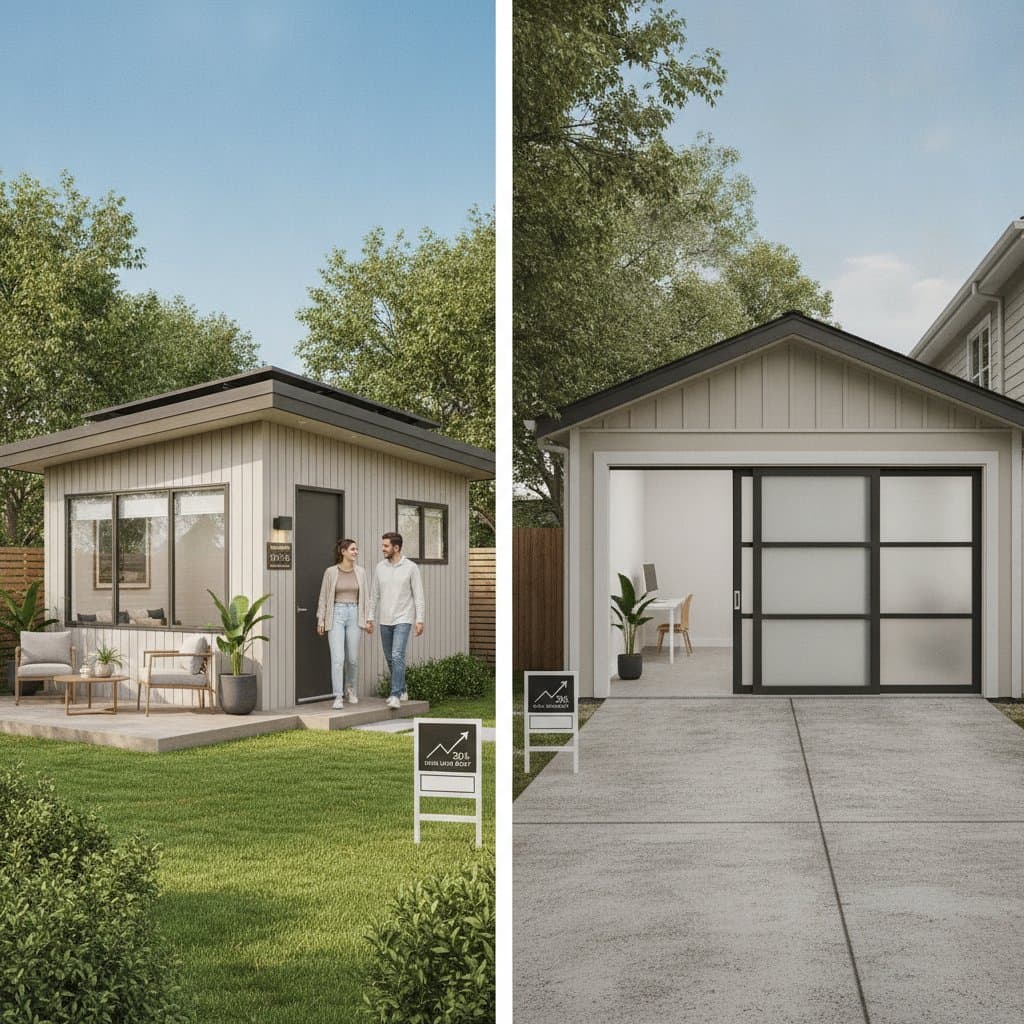
Homeowners seeking cost-effective ways to enhance their property often overlook the potential of garage spaces. An insulated garage conversion stands out as a practical solution, typically recouping 92 percent of its investment through increased resale value. This approach expands usable living area without the expense of constructing a new addition, making it ideal for creating dedicated zones such as a home office, guest quarters, or creative workshop.
Proper insulation transforms the garage from a drafty storage area into a comfortable, climate-controlled extension of the home. Without insulation, garages remain challenging to heat in winter or cool in summer, leading to inefficiency and discomfort. Insulated versions, however, provide consistent temperatures, boost overall energy performance, and attract buyers who prioritize functional, efficient living spaces.
Pros and Cons
Pros
- Expands living space within the existing home footprint, avoiding the need for new construction
- Delivers strong resale value with an average 92 percent return on investment
- Enhances daily comfort through effective insulation and reliable temperature regulation
- Minimizes energy loss via sealed walls, ceilings, and doors
- Provides versatile functionality, from additional bedrooms and offices to workshops or playrooms
Cons
- Eliminates covered parking, which may impact appeal in regions with harsh weather or limited street parking
- Involves navigating permits, inspections, and compliance for electrical, plumbing, and structural modifications
- Can uncover underlying problems, such as moisture intrusion or structural weaknesses
- Demands thoughtful design to ensure seamless integration with the home's existing aesthetic
DIY Versus Professional Approach
Project Difficulty
Moderate to high, depending on the scope of modifications.
Estimated Timeline
Professionals complete the work in three to six weeks; DIY efforts often extend beyond this due to learning curves and availability.
Essential Tools
Insulation knife for cutting materials, framing nailer for secure installations, drywall tools for finishing surfaces, power saw for precise cuts, and painting equipment for final touches.
Associated Risks
Significant hazards arise with electrical wiring, HVAC systems, or load-bearing framing; improper handling can lead to safety issues or code violations.
Basic tasks like installing insulation or laying flooring suit capable homeowners. For complex elements such as electrical systems, heating, ventilation, air conditioning, or plumbing, engage a licensed contractor. Professionals guarantee adherence to building codes and optimize energy efficiency. Incomplete or unpermitted projects risk devaluing the property during resale.
Step-by-Step Guide to Con. Review Local Regulations: Verify requirements for occupancy classification, emergency egress windows, and minimum insulation standards specific to your area.
-
Prepare the Space: Remove all shelving, tools, and debris to create a clean working environment.
-
Assess Structural Integrity: Examine walls, floors, and ceilings for cracks, water damage, or framing deficiencies; address any issues before proceeding.
-
Construct Framing and Add Insulation: Build interior walls if needed, then install insulation in walls, ceilings, and doors using R-value ratings appropriate for your local climate—higher values for colder regions.
-
Wire for Electricity: Run circuits, install outlets, and add lighting fixtures in compliance with electrical codes; consider energy-efficient LED options.
-
Apply Drywall and Finishes: Hang sheets, tape seams, apply texture, and paint to achieve a smooth, professional appearance.
-
Install Flooring: Choose durable, moisture-resistant options like vinyl plank or engineered wood suitable for heated or cooled environments.
-
Secure and Detail: Seal all gaps around windows, doors, and penetrations; add trim, hardware, and any necessary windows for natural light and ventilation.
-
Final Inspection and Testing: Conduct a thorough cleanup, then test heating, cooling, and electrical systems to confirm optimal performance.
Ongoing Maintenance and Durability
A properly executed insulated garage conversion endures alongside the home's primary structure. Perform annual inspections for air leaks, moisture buildup, or insulation shifts. Refresh weatherstripping and caulk seals as they wear, and repaint interior surfaces every three to five years to preserve appearance and protect materials.
Choices like closed-cell spray foam or fiberglass batts require little intervention beyond visual checks. For added systems such as mini-split HVAC units or baseboard heaters, schedule professional servicing once a year to maintain efficiency and prevent breakdowns.
Comparable Home Improvement Options
Sunroom Addition
This option introduces abundant natural light and a connection to outdoor views, yet it demands higher costs per square foot and provides less robust insulation against extreme temperatures.
Basement Remodel
Similar returns on investment apply, but projects frequently involve extensive waterproofing, structural reinforcements, and egress installations to meet safety standards.
Detached Studio Build
Preserves original garage parking while creating a separate space; however, it necessitates a new foundation, utility connections, and permitting, which escalate expenses significantly.
Attic Conversion
Enhances overall home value through added usable area, though constraints like low ceiling heights, steep roof pitches, and stair access often limit practicality.
While each alternative offers unique benefits, none rival the insulated garage conversion in terms of leveraging pre-existing structure, roof, and utilities for maximum cost savings.
Considerations for Your Location
Regional climate dictates insulation thickness and type; northern areas benefit from R-19 or higher in walls and R-38 in ceilings to combat heat loss. In southern, humid zones, incorporate vapor barriers and dehumidification to prevent mold and condensation issues.
Urban or suburban municipalities typically mandate occupancy permits and may restrict conversions that eliminate off-street parking. Coastal properties require treatments to protect metal components from salt corrosion. In markets with elevated labor rates, project budgets rise, but so do potential resale premiums due to heightened property values.
Consult your local building authority early; submit detailed plans and energy calculations to secure approvals and avoid delays.
Maximizing Return on Investment and Resale Potential
Buyers prioritize homes with expanded, finished living areas, and an insulated garage conversion directly addresses this demand. National remodeling studies support the 92 percent ROI figure by analyzing average costs against post-project appraisals.
Properties featuring converted garages attract quicker offers thanks to their adaptability for modern lifestyles. To preserve and amplify value, prioritize cohesive design elements: align flooring materials, trim styles, and paint colors with the main residence, ensuring the space feels like a natural extension rather than an afterthought.
Essential Safety Measures
Obtain permits for all electrical, plumbing, and structural alterations to ensure compliance and safety. Faulty wiring or inadequate circuit capacity poses fire risks; install arc-fault circuit interrupters and ground-fault circuit interrupters where appropriate, especially near sinks or appliances.
If relocating gas lines or appliances, confirm proper venting and install carbon monoxide detectors. Inspect and remove any outdated insulation or concealed wiring before enclosing areas. Tighten seals around entry points to block pests and maintain energy integrity.
Planning Your Project
Evaluate whether your garage remains underutilized or suffers from poor insulation, signaling an opportunity for transformation. Develop a detailed blueprint outlining intended uses, from a serene reading nook to a productive workspace.
This upgrade delivers immediate enhancements in comfort and functionality while securing substantial financial recovery upon sale. Professional guidance combined with strategic planning ensures a seamless process and enduring results.