Basement Gyms Can Increase Home Value by 15% Through 2026
Understanding the Value Boost from Basement Gyms
Homeowners who convert basements into gyms stand to gain up to a 15 percent increase in property value by 2026. Real estate trends show that buyers prioritize flexible, health-oriented spaces that integrate seamlessly into daily routines. Such a transformation utilizes underutilized square footage, reduces reliance on external fitness facilities, and demonstrates thoughtful home design.
This upgrade not only provides personal benefits like convenience and privacy but also positions the property favorably in competitive markets. Appraisers recognize finished basements as additional livable area, directly contributing to higher valuations. The investment aligns with growing demand for homes that support active lifestyles.
Key Benefits for Resale and Lifestyle
Basement gyms enhance resale potential by offering multifunctional utility. They serve as dedicated workout areas while accommodating yoga sessions or relaxation zones, appealing to diverse buyer preferences. Proper execution ensures the space meets safety standards and building codes, which protects against future liabilities.
Homeowners typically recover costs and achieve returns exceeding initial outlays when the gym features durable materials and efficient layouts. This addition signals a modern, wellness-focused property that stands out from standard listings. Daily use fosters better health habits, adding intangible value beyond financial gains.
Step-by-Step Guide to Basement Conversion
1. Assess and Prepare the Foundation
Begin with a thorough inspection for moisture, structural cracks, or leaks. Employ a professional to evaluate foundation integrity and install waterproofing membranes if necessary. Address these issues early to prevent long-term damage and ensure a stable environment for equipment.
Seal walls and floors with appropriate barriers to maintain dryness. Test humidity levels regularly during preparation to confirm suitability for fitness activities.
2. Design the Layout for Functionality
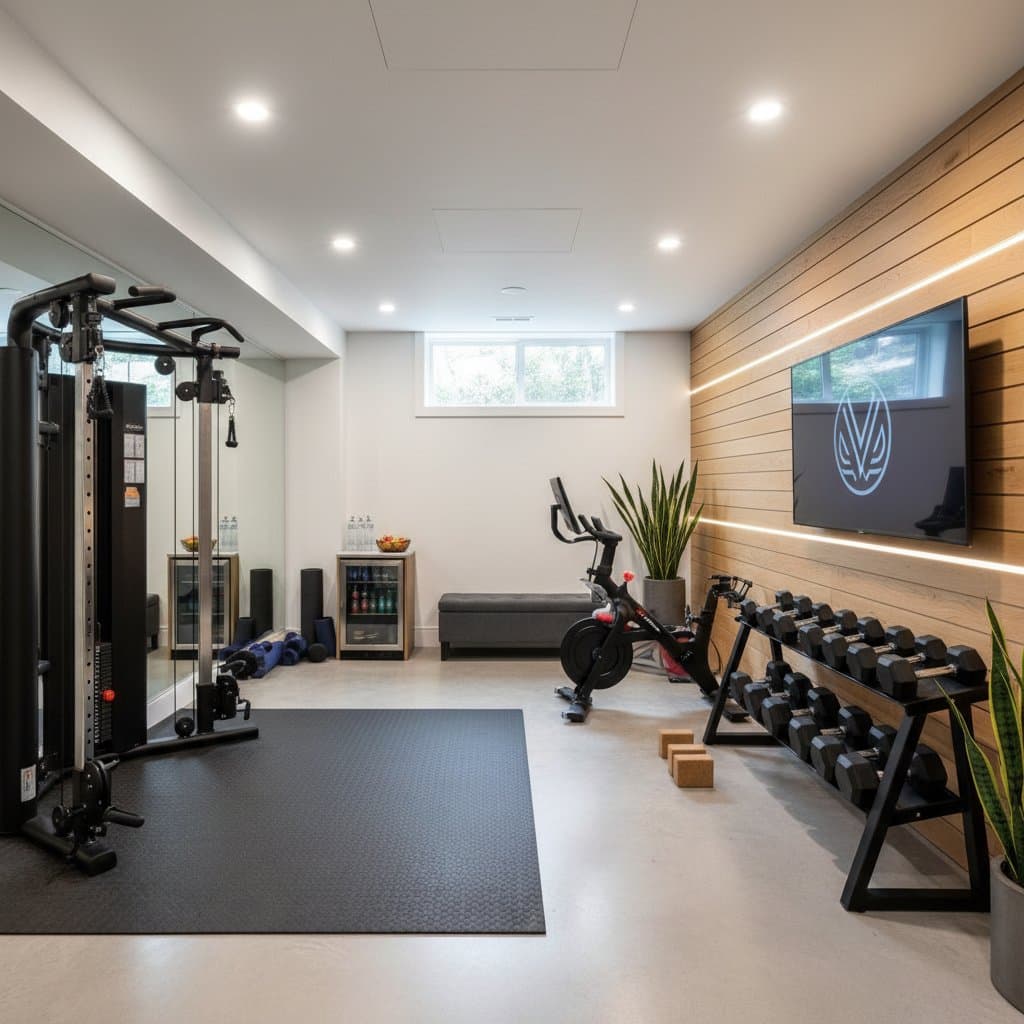
Sketch zones for cardiovascular exercises, strength training, flexibility work, and equipment storage. Allocate at least three feet for walkways to promote safe movement and prevent overcrowding. Consider future expansions by leaving flexible open areas.
Incorporate mirrors for form correction and natural light sources where possible to enhance the sense of space. This planning stage minimizes rework and optimizes the area's efficiency.
3. Select and Install Durable Flooring
Opt for rubber mats or interlocking foam tiles that cushion impacts and resist wear on concrete surfaces. These materials provide slip resistance and ease of cleaning, essential for sweat-prone environments. Measure the space precisely to avoid excess material costs.
Secure flooring with adhesives suitable for basements to withstand humidity fluctuations. Avoid thinner options that may shift during use, compromising stability.
4. Enhance Lighting and Air Quality
Install bright LED panels to illuminate workout areas without excessive heat generation. Position mirrors strategically to amplify light and create an inviting atmosphere. Add exhaust fans or ducted ventilation systems to circulate fresh air and reduce stale odors.
Ensure vents align with local codes for airflow efficiency. This setup prevents discomfort during extended sessions and maintains a hygienic space.
5. Upgrade Electrical Systems Securely
Hire a licensed electrician to add dedicated circuits for high-power machines like treadmills. Include GFCI outlets near potential water sources to mitigate shock risks. Map outlet placements to match equipment needs without cord clutter.
Verify load capacities to avoid circuit overloads, which could lead to hazards. Documentation of these upgrades proves compliance during home inspections.
6. Apply Finishing Touches to Walls and Ceilings
Use mold-resistant paint on walls and install drop ceilings for a polished look. Integrate sound-absorbing panels to contain noise, preserving upstairs tranquility. Select materials that facilitate easy maintenance and resist basement-specific wear.
Insulate where feasible to regulate temperature, making the space comfortable year-round. These elements elevate the gym from basic to premium.
7. Integrate and Test Equipment
Introduce core items such as adjustable benches, free weights, and cardio machines gradually. Secure larger pieces to the floor to prevent tipping during dynamic movements. Conduct trial sessions to refine the setup and identify adjustments.
Prioritize versatile, space-saving gear that aligns with user goals. This phased approach ensures the final configuration supports sustained use.
Budget Breakdown and Cost Factors
Converting a basement into a gym involves varied expenses based on scope and location. The following table outlines typical ranges:
| Task | Typical Cost Range | Influencing Factors |
|---|---|---|
| Waterproofing and Prep | $1,000 - $5,000 | Severity of existing water damage, foundation repairs |
| Flooring Installation | $500 - $3,000 | Square footage, material durability |
| Electrical and Lighting | $800 - $2,500 | Circuit additions, fixture complexity |
| Ventilation and Finishes | $1,500 - $6,000 | HVAC integrations, material choices |
| Equipment Acquisition | $2,000 - $10,000 | Item specifications, brand reliability |
Overall projects range from $6,000 for basic setups to $25,000 for comprehensive builds. Regional labor rates and material availability influence totals. Track expenses meticulously to assess return on investment accurately.
Project Timeline Considerations
Basic conversions with minimal structural changes complete in two to three weeks. Extensive work, including waterproofing or electrical overhauls, extends to six to eight weeks. Coordinate with contractors to align phases and minimize disruptions.
Permitting processes add one to two weeks in regulated areas. Professional involvement accelerates progress while ensuring quality outcomes.
Deciding Between DIY and Professional Help
Suitable for DIY
Pursue self-directed efforts when the basement remains dry and partially finished. Individuals skilled in basic installations like flooring or painting benefit from this approach. Limit to low-power, plug-and-play equipment to sidestep complex wiring.
When to Engage Professionals
Seek experts for moisture remediation, electrical modifications, or ventilation installations. Major remodels requiring permits demand licensed oversight for compliance. Custom features such as built-in storage or acoustic treatments justify professional input.
Professionals provide warranties and enhance marketability through certified workmanship. DIY offers cost savings but requires caution to avoid errors in critical areas.
Essential Tools and Materials List
- Moisture meter and dehumidifier for ongoing monitoring
- Interlocking rubber tiles for impact absorption
- Dimmable LED fixtures for adjustable illumination
- Heavy-duty, grounded extension cords as temporary solutions
- Moisture-resistant paint and sealants for surfaces
- Stud finder, level, measuring tape, and power drill for installations
- Wall-mounted fan or inline vent system for air circulation
- Multi-purpose equipment like dumbbells, pull-up bars, or resistance bands
Select items based on project scale and personal expertise. Obtain permits for any alterations affecting structure or utilities.
Adapting to Regional Conditions
In high-humidity regions, prioritize vapor barriers and robust dehumidification to combat mold growth. Coastal properties benefit from corrosion-resistant materials for longevity. Colder climates require wall insulation to eliminate condensation and maintain warmth.
Seismic zones necessitate equipment anchoring and reinforced flooring. Flood-prone areas demand elevated sump pumps and drainage solutions. Consult local codes to tailor the project appropriately and avoid penalties.
The Rising Appeal of Home Fitness Spaces
Basement gyms attract buyers by embodying versatile health hubs. They accommodate diverse activities from high-intensity training to meditative practices, all while minimizing household disturbances. The downstairs placement conceals equipment, preserving aesthetic flow upstairs.
Compared to outdoor additions or kitchen updates, these conversions deliver superior value per square foot. Fitness enthusiasts pay premiums for ready-to-use facilities, and the setup appeals to rental markets by offering exclusive amenities. Appraisers factor in the added usable space, amplifying overall worth.
Prioritizing Safety and Regulatory Compliance
Equip the area with grounded outlets and GFCI devices adjacent to sinks or wet zones. Maintain at least seven feet of ceiling height to allow unrestricted motion. Bolt heavy apparatus to prevent shifts during use.
Ensure clear paths to exits and utility panels remain unobstructed. Install interconnected smoke and carbon monoxide alarms linked to main systems. Adherence to these measures safeguards occupants and upholds insurance validity.
Non-compliance risks failed inspections or denied claims upon resale. Regular maintenance checks sustain the space's integrity over time.
Implementing Your Basement Gym Vision
Initiate with foundational elements like flooring and lighting to build momentum. Gradually incorporate equipment as the layout solidifies, focusing on user comfort and accessibility. Document all modifications with photos and receipts to support future valuations.
Emphasize adaptability in design to appeal to varied buyer needs, such as converting to a home office. This strategic approach not only elevates property equity but also enriches everyday wellness routines.
Frequently Asked Questions
Does converting a basement to a gym require permits?
Simple additions often proceed without, but electrical, plumbing, or structural alterations typically mandate approvals from local authorities.
What flooring options suit basement gyms best?
Rubber interlocking tiles or resilient vinyl planks excel in moisture resistance and shock absorption, outperforming carpet or wood in durability.
Is an unfinished basement viable for gym use?
Affirmative, provided it stays dry, receives adequate lighting, and offers secure power sources. Supplement with protective mats and humidity controls for optimal conditions.