How Dark Academia Interiors Increase Home Offers by 11 Percent
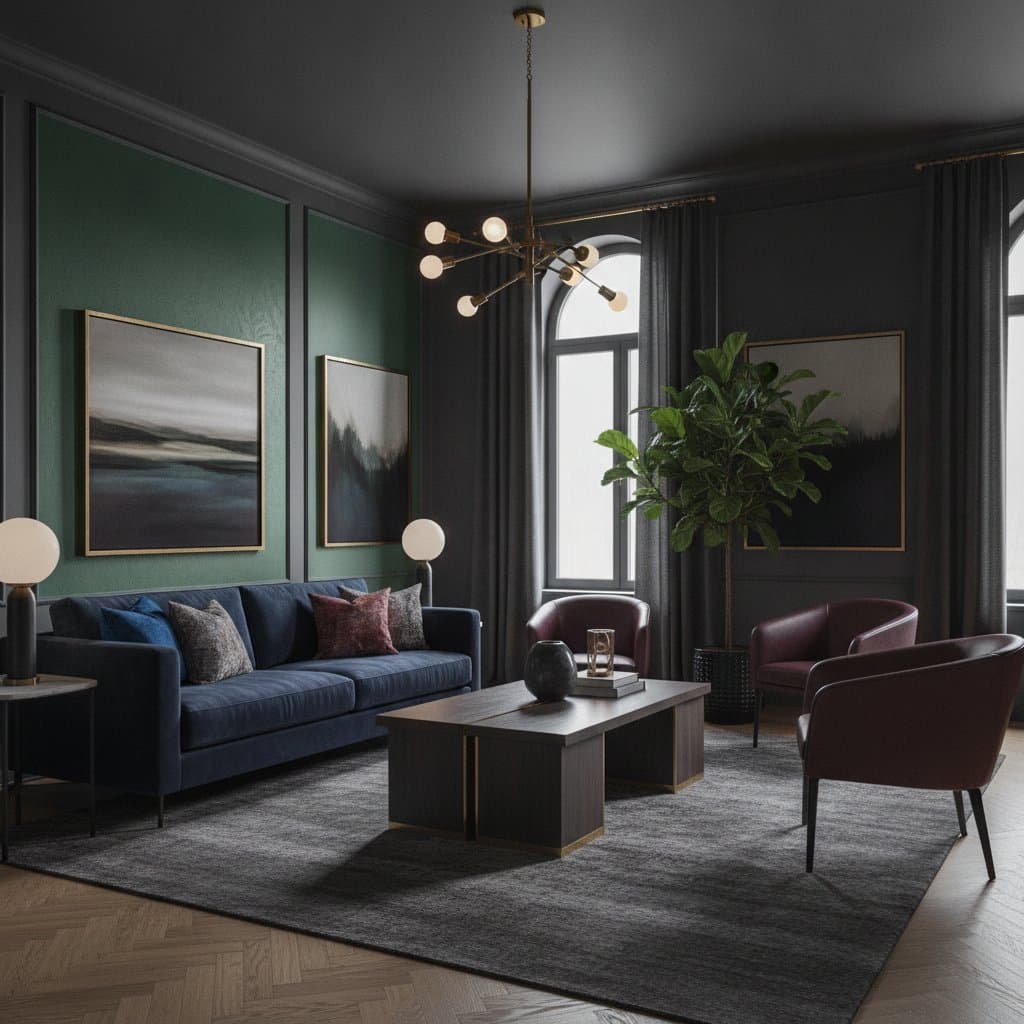
Homebuyers increasingly seek properties that evoke a sense of refined intellect and timeless mystery, and dark academia interiors deliver exactly that. This design aesthetic, inspired by Gothic literature and classical scholarship, features rich, moody palettes alongside layered textures and curated artifacts. Recent market analysis shows these elements can elevate selling prices by approximately 11 percent, appealing to buyers in urban apartments as well as restored period houses.
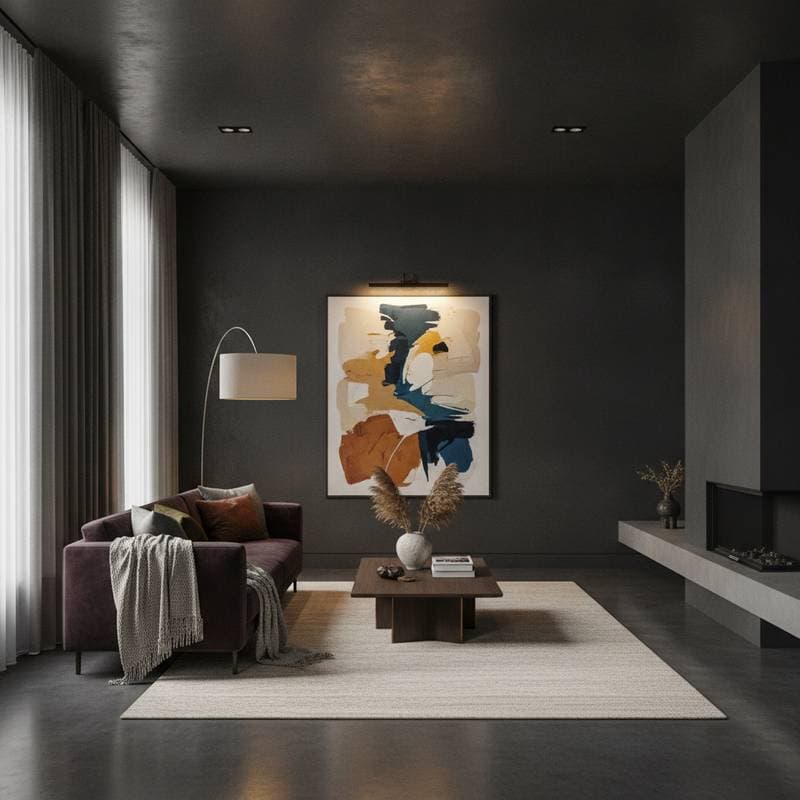
The trend's success stems from its ability to create intimate, enveloping spaces that feel both luxurious and lived-in. Deep walls in shades like emerald green or burgundy draw the eye inward, while antique-inspired furnishings add narrative depth. For sellers, this styling not only accelerates sales but also positions the property as a standout in competitive markets.
Breaking Down the Costs
Implementing dark academia requires investment in materials that prioritize quality and durability. Budgeting accurately ensures the project aligns with financial goals while maximizing return on investment.
Materials
Premium paints in deep tones demand careful selection to achieve even coverage without bubbling or fading. High-quality, low-VOC options in matte or eggshell sheens range from $60 to $120 per gallon, often requiring two to three coats on absorbent surfaces. For architectural details, consider installing wainscoting or custom bookshelves using oak or walnut, which cost $9 to $15 per square foot including installation. These elements ground the space and enhance acoustic warmth, making rooms feel more contemplative.
Lighting and Fixtures
Effective illumination prevents the style from overwhelming a space, balancing shadow with subtle glow. Wall-mounted sconces in brass or aged iron, paired with frosted glass shades, typically price at $150 to $400 per unit. Professional electrical upgrades, such as installing dimmer switches or recessed lighting, add $300 to $800 depending on room size and existing wiring complexity. Opt for warm LED bulbs at 2700K to mimic candlelight, fostering an inviting atmosphere without excessive energy use.
Furnishings and Textiles
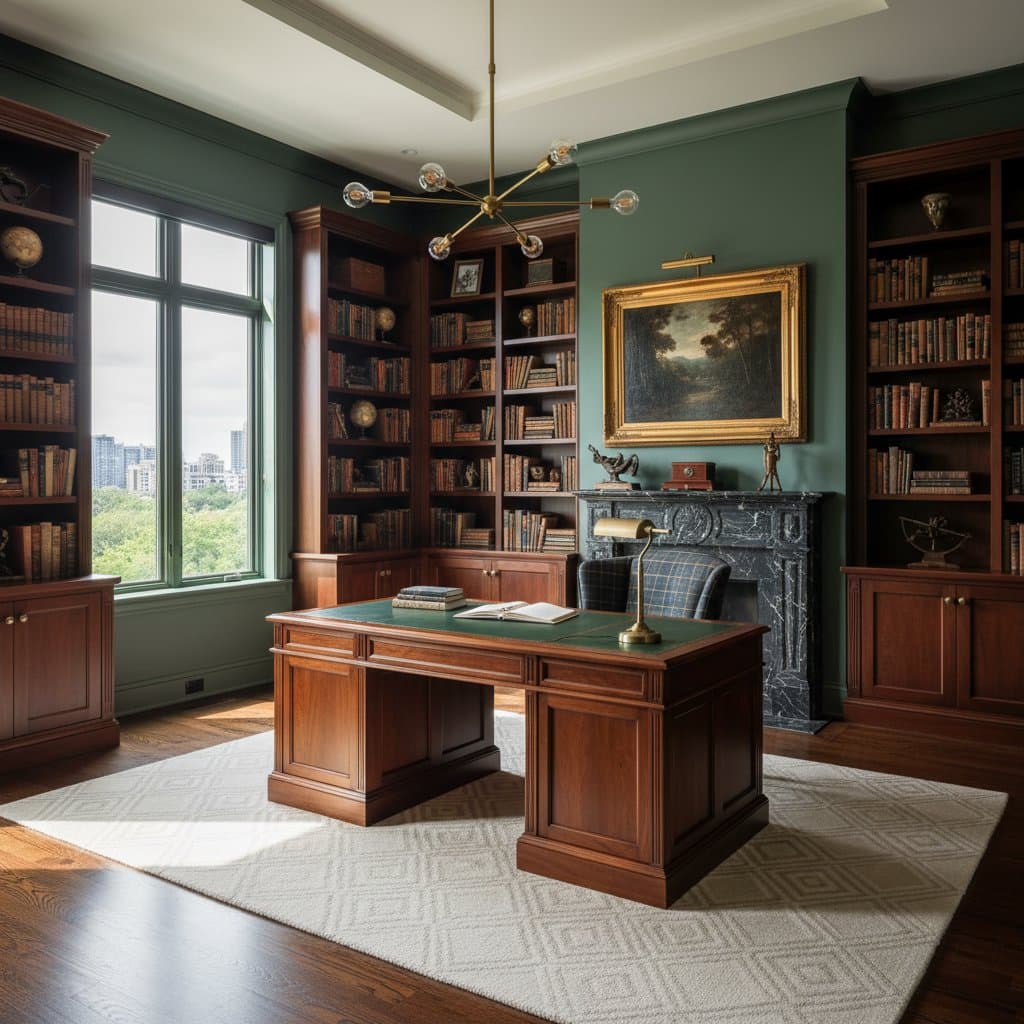
The core of dark academia lies in tactile, heritage-inspired pieces that invite lingering. Upholstered armchairs in distressed leather or heavy velvet fall between $600 and $1,200, offering comfort amid the drama. Assemble a vignette with a solid wood writing desk and floor-to-ceiling bookcases, budgeting $2,000 to $5,000 for authentic or high-fidelity replicas. Layer rugs in Persian patterns or wool blends to soften hard floors, ensuring the palette harmonizes with wall colors for cohesive flow.
Art and Accessories
Curated collectibles transform a room into a personal library or study. Invest in leather-bound book sets, marble sculptures, or sepia-toned maps, allocating $500 to $1,000 for impactful staging. Source from estate sales or online archives to infuse authenticity, avoiding mass-produced items that dilute the scholarly vibe. These accents not only personalize the space but also signal cultural depth to prospective buyers.
Labor and Design Fees
Engaging a designer streamlines the process, charging $75 to $150 per hour for consultations and oversight. Their expertise ensures dark elements enhance rather than dominate, incorporating reflective surfaces like mirrors to amplify light. For larger projects, flat fees of $1,500 to $4,000 cover full-room plans, including mood boards and vendor recommendations.
DIY Approaches Versus Professional Help
Deciding between self-directed efforts and expert involvement depends on skill level and project scope. Each path offers distinct advantages in achieving the desired outcome.
When DIY Suits Your Project
Tackle dark academia updates yourself if you possess basic carpentry and painting skills. Focus on swapping out hardware, such as brass knobs on cabinets, or refreshing walls with sample pots to gauge tone. Dedicate evenings to experimenting with lamp placements, noting how sunlight shifts the mood throughout the day. Leverage existing heirlooms or thrift finds to keep expenses low while building a narrative around your space.
When to Bring in Professionals
Opt for hired specialists when dealing with intricate modifications like crown molding installation or electrical rerouting. In heritage homes, experts match pigments to era-specific hues and address issues like plaster cracks that could trap moisture. Limited daylight calls for precise fixture layouts; professionals use software to simulate outcomes, ensuring the room remains functional for daily life.
Safety remains paramount in any hands-on work. Disconnect power sources before handling outlets, and equip yourself with protective gear during surface preparation to avoid health risks from dust or fumes.
Project Timelines and Cost-Saving Strategies
Most dark academia transformations span two to six weeks, influenced by material lead times and seasonal factors. Custom millwork or overseas-sourced textiles may delay progress, so initiate orders for hardware and fabrics at least four weeks ahead. Schedule painting in low-humidity periods to accelerate drying, reducing overall wait times by up to a week.
Efficiency comes from strategic choices. Refresh cabinetry with stain rather than full replacement, potentially halving material costs. Select versatile pendants with swappable shades over fixed installations for future adaptability. Reserve 10 to 15 percent of your budget for contingencies, such as wall repairs in pre-war buildings, to avoid mid-project halts.
Long-Term Care and Protections
The enduring appeal of dark academia hinges on proactive upkeep to preserve its patina. Deep colors attract visible smudges, so select semi-durable finishes that wipe clean without losing luster. Refresh painted surfaces in high-use zones every five to seven years, using primers to extend longevity.
Wood accents benefit from seasonal treatments: apply beeswax or linseed oil quarterly to prevent drying and cracking. For fixtures, prioritize models backed by three-year guarantees against defects, documenting purchases for potential insurance claims. Design fees related to value-enhancing renovations may qualify for tax benefits; consult records to substantiate improvements.
Implementing Dark Academia in Your Home
Begin modestly by reimagining a single area, such as a home office, to assess tolerance for intensity. Document expenses in a spreadsheet and capture progress photos to showcase transformations during marketing. Prioritize multifunctional lighting layers—ambient, task, and accent—to sculpt ambiance without added weight.
Approach the style with intentionality, sourcing pieces that resonate personally. This method not only elevates marketability but cultivates a sanctuary of quiet inspiration, where every detail contributes to a narrative of elegance and intellect.