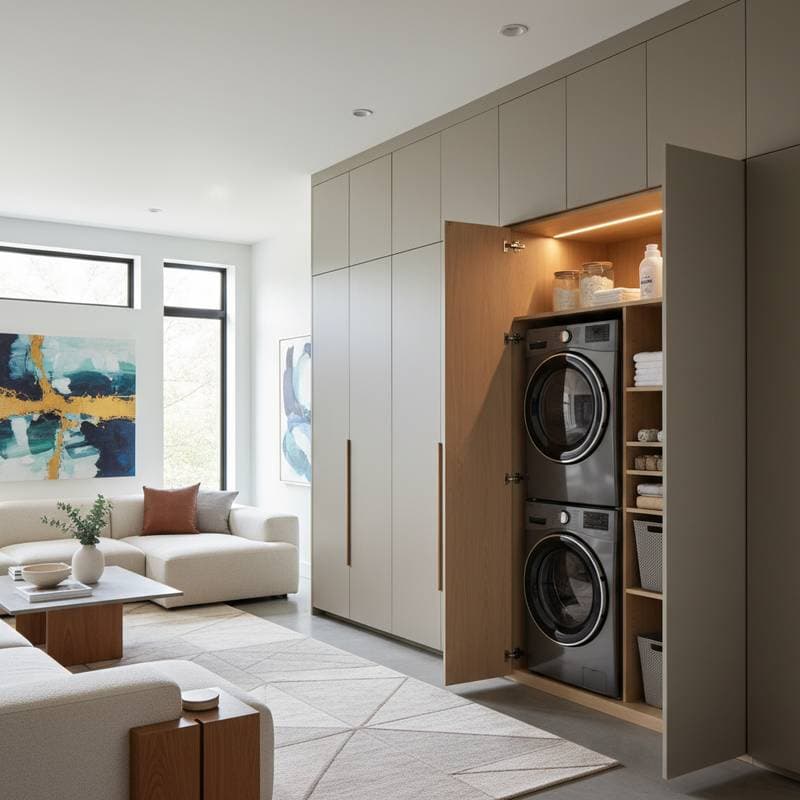
The Appeal of Hidden Laundry Rooms
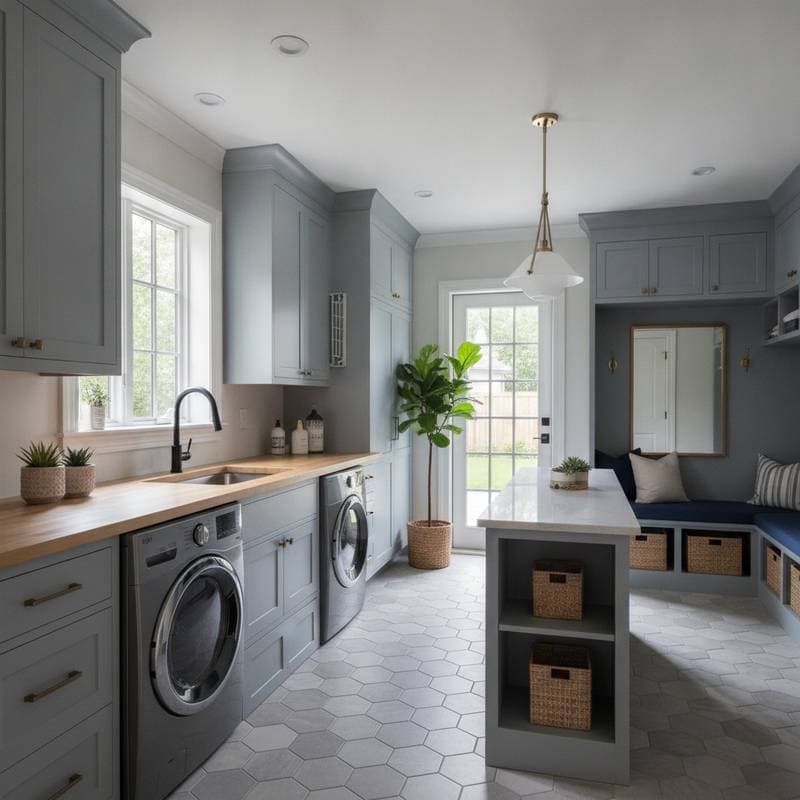
Homeowners increasingly seek ways to blend functionality with seamless design. Hidden laundry rooms address this need by concealing washers, dryers, and related utilities behind cabinetry, panels, or custom enclosures. This approach not only maintains a clutter-free aesthetic but also enhances the overall living experience through better organization and reduced visual distractions.
Market data indicates that such upgrades can boost resale values significantly. Projections suggest an 11 percent increase by 2026, driven by buyer preferences for modern, efficient homes. The investment appeals to those remodeling for personal use or preparing for sale, as it combines practical benefits with high return potential.
Beyond aesthetics, these spaces contribute to quieter environments and improved energy use. Proper integration ensures that laundry tasks occur without disrupting daily routines, appealing to families and professionals alike. Consider this upgrade if your current setup feels outdated or intrusive.
Planning Timeline and Cost Management
Projects for hidden laundry rooms generally require one to three weeks for completion, influenced by factors such as contractor availability and supply chain logistics. Early planning helps mitigate delays and keeps the process on track.
Anticipating Potential Delays
Custom elements often extend timelines. Cabinet fabrication, for instance, demands two to four weeks for bespoke orders, while appliance shipments may face stock limitations, particularly for compact stacked models. Local permit approvals add three to ten business days, varying by jurisdiction and project complexity.
To navigate these hurdles, review supplier lead times upfront and submit permit applications concurrently with design finalization. This proactive stance prevents bottlenecks and maintains momentum.
Strategies for Efficient Scheduling
Opt for installation during drier seasons to facilitate straightforward venting setups, avoiding weather-related complications. Coordinate with broader renovation efforts, such as kitchen updates, to consolidate labor and reduce overall expenses. Inquire about contractor incentives for off-season work, which can lower fees by 10 to 20 percent.
For older properties, allocate an additional 10 to 15 percent in your budget to cover unforeseen issues like structural adjustments or plumbing rerouting. This buffer ensures financial flexibility without compromising quality.
Ways to Achieve Cost Savings
Maximize efficiency by retaining existing plumbing and electrical connections where feasible, minimizing invasive work. Select space-saving appliances, such as all-in-one washer-dryer combinations, which reduce the footprint and installation demands.
Focus finishing efforts on exposed areas only, leaving concealed sections unfinished to save on materials. Source deals on display-model cabinets or surplus countertop pieces from local suppliers, potentially cutting costs by 20 to 30 percent.
Detailed budgeting reveals that mid-range projects average $5,000 to $8,000, yielding strong resale returns. Track expenses meticulously to stay within limits and document decisions for future reference.
Evaluating Repair Options Versus Full Replacement
Assess your current laundry area to determine the most cost-effective path forward. Retrofitting an existing closet or corner often proves sufficient, while severe issues may necessitate a complete overhaul.
The decision hinges on the setup's condition, including hookups, structural integrity, and compliance with building codes. Superficial updates can deliver comparable value to extensive rebuilds, especially in sound structures.
| Condition | Recommendation | Typical Cost |
|---|---|---|
| Good hookups but suboptimal layout | Install custom doors or panels for concealment | $2,000 to $4,000 |
| Outdated appliances with sturdy cabinets | Upgrade machines while keeping cabinetry | $1,500 to $3,000 |
| Water damage or inadequate venting | Undertake full reconstruction | $6,000 to $10,000 |
| Absence of any laundry facilities | Establish new installation from scratch | $8,000 to $12,000 |
Consult professionals early to evaluate viability. This step clarifies whether minor enhancements suffice or if a rebuild offers long-term advantages.
Key Mistakes to Sidestep During Installation
Even well-intentioned projects falter without attention to essentials. Overlooking ventilation, for example, traps heat and moisture, leading to mold growth and inefficiency. Ensure dedicated vent pathways extend fully to exterior areas, complying with local codes.
Accessibility remains crucial; incorporate removable panels for routine maintenance of hoses, valves, and filters. Without these, simple repairs become labor-intensive, escalating future costs.
Electrical demands require scrutiny, as washers and dryers pull substantial power. Confirm breaker panels can handle added loads from lighting or supplementary outlets, preventing overloads and fire hazards.
Material choices impact durability in humid conditions. Avoid hollow-core or low-grade medium-density fiberboard doors, which warp over time; select solid-core options or moisture-resistant treatments instead.
Noise control prevents disturbances. Unlined enclosures amplify machine vibrations, so integrate sound-dampening mats or acoustic insulation within walls and panels. Addressing these elements upfront avoids costly corrections and ensures a peaceful home.
Implementing Your Hidden Laundry Room
Transform your space through thoughtful execution, whether converting a closet or designing intricate retractable features. Prioritize airflow, acoustics, and safety throughout to achieve a professional result.
Essential Action Steps
- Measure the designated area precisely and inspect existing utilities for compatibility.
- Draft potential layouts or utilize free digital tools to preview enclosure styles and placements.
- Secure estimates from certified plumbers and electricians if relocations prove necessary.
- Procure cabinets and panels in advance to align with project timelines.
- Apply soundproofing materials, vapor barriers, and ground-fault circuit interrupter outlets prior to enclosing surfaces.
- Verify ventilation performance using a flow meter before permanent sealing.
Required Safety Equipment
Prepare with gloves for handling materials, eye protection against dust and debris, a dust mask for airborne particles, hearing protection during noisy phases, and non-slip footwear for secure footing on work sites.
Professional involvement enhances outcomes, particularly for electrical and plumbing tasks. Document progress with photos to reference during inspections or resale discussions.
Securing Long-Term Benefits and Next Moves
Hidden laundry rooms elevate daily living while positioning your property favorably in competitive markets. The 11 percent resale uplift stems from their role in creating streamlined, modern interiors that buyers covet.
To proceed effectively, select a layout that suits your home's architecture, such as integrated cabinetry or pocket doors. Establish a realistic budget targeting mid-range outcomes for optimal returns.
Book skilled tradespeople promptly, prioritizing plumbing and electrical services. Verify permit requirements through municipal contacts before any structural changes. Retain all warranties and receipts, as these bolster buyer confidence and facilitate smooth transactions.
Ultimately, this upgrade delivers enduring value, blending practicality with design sophistication for enhanced home enjoyment and market readiness.