Understanding Hidden Pantry Walls and Their Value Boost
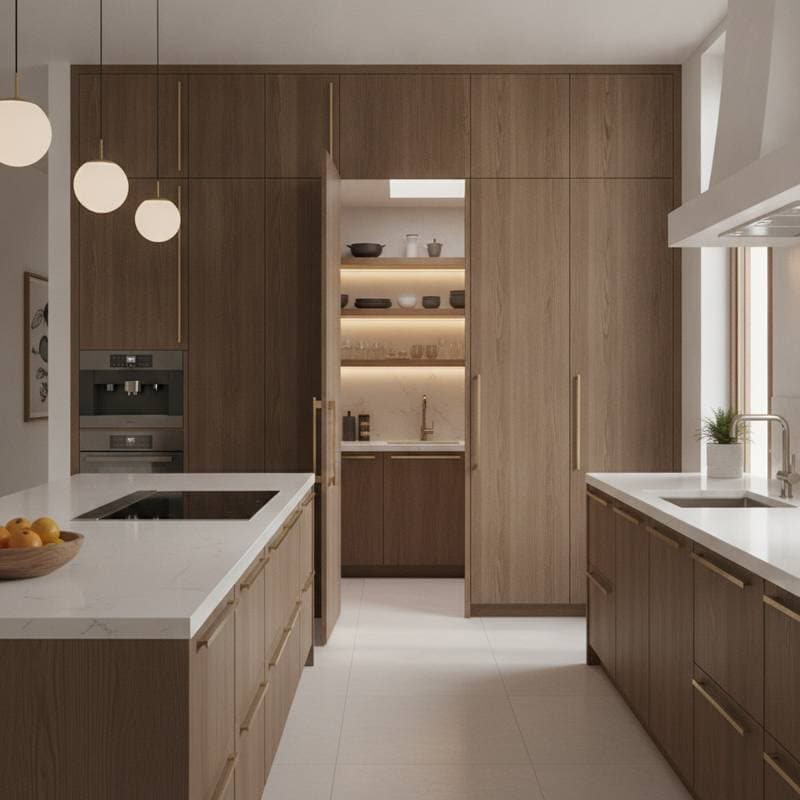
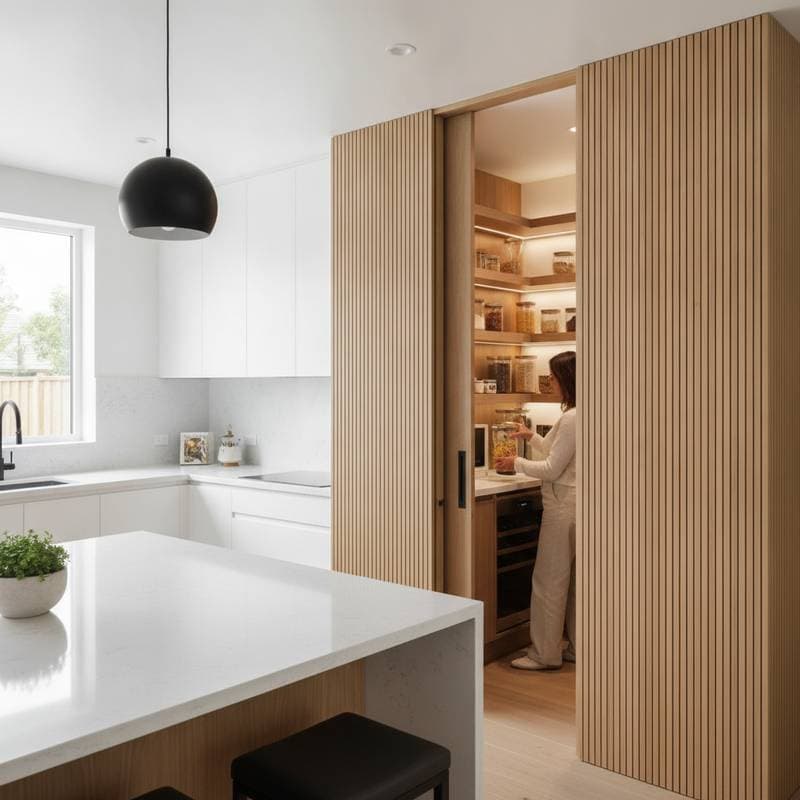
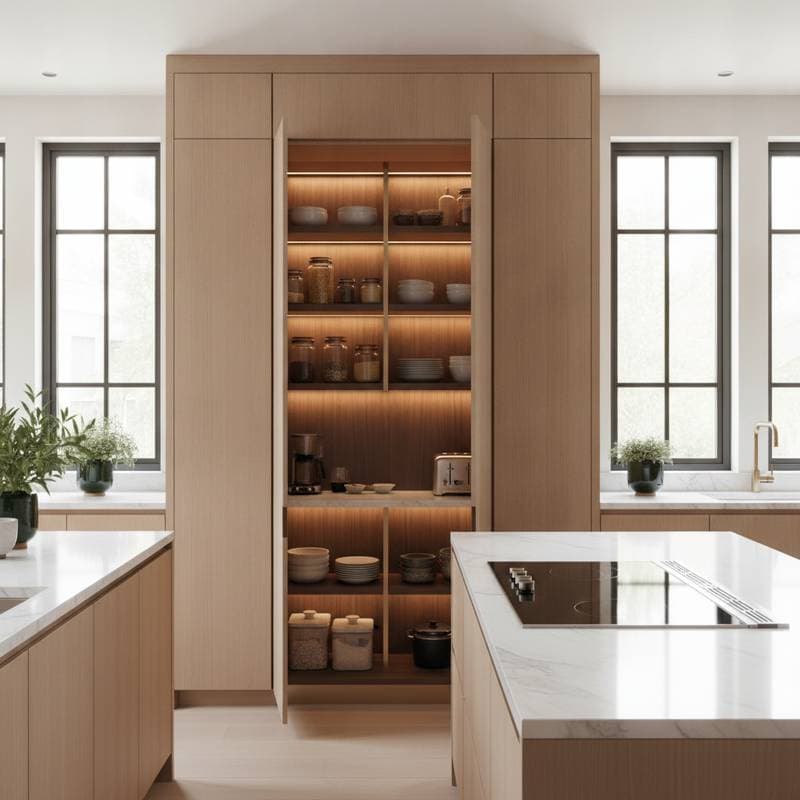
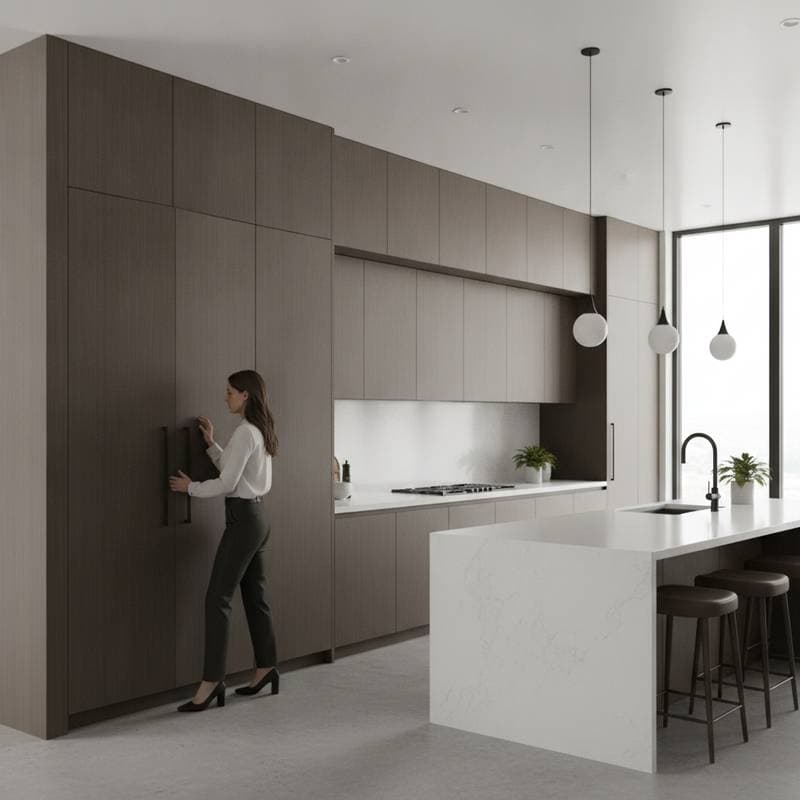
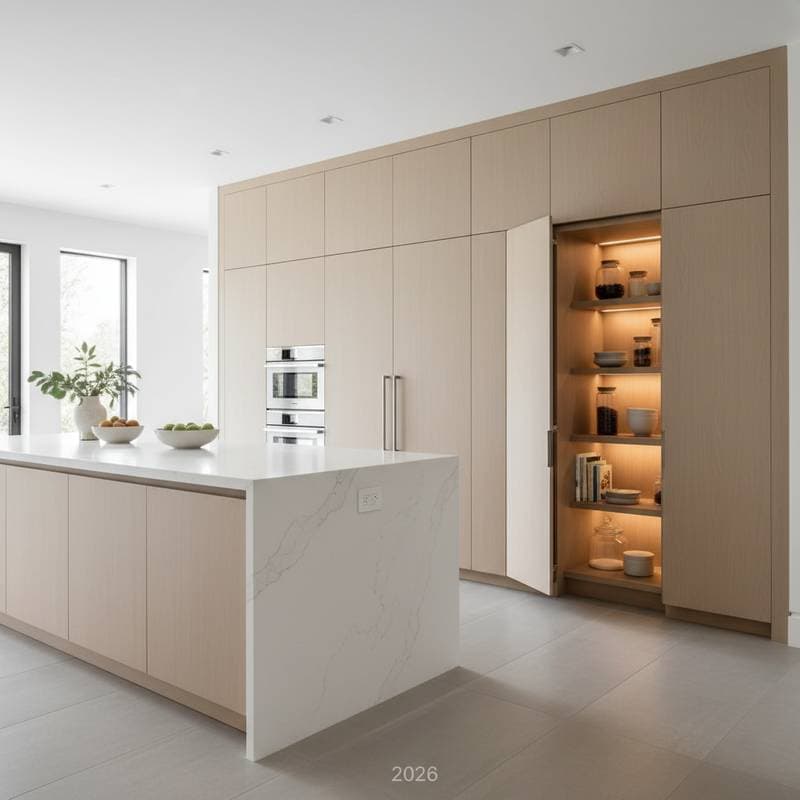
Hidden pantry walls represent an innovative kitchen enhancement that integrates additional storage seamlessly into existing cabinetry or wall surfaces. These installations create a full pantry space concealed behind panels that mimic standard cabinet doors or flat walls, preserving the room's overall appearance. Homeowners benefit from this approach in open-concept layouts where visible storage options remain limited, allowing for better organization without visual disruption.
Real estate data indicates that a professionally installed hidden pantry wall contributes approximately 6 percent to a home's resale value. Prospective buyers appreciate the subtle elegance and the added utility it provides. This feature adapts well to both modern minimalist designs and traditional aesthetics, making it a versatile choice for diverse home styles.
Advantages and Disadvantages
Hidden pantry walls offer several key benefits that enhance daily living and property appeal.
Advantages
- Provide expanded storage capacity without altering the kitchen's physical layout
- Conceal clutter to maintain a streamlined and inviting appearance
- Enhance overall home value and attract more discerning buyers
- Serve dual purposes, such as housing appliances or utility items
- Integrate smoothly with various architectural and decorative themes
Despite these strengths, potential drawbacks warrant consideration before proceeding.
Disadvantages
- Involve higher expenses compared to simpler shelving solutions
- Potentially complicate access if door mechanisms prove intricate
- Require modifications to electrical or plumbing systems in some cases
- Demand precise craftsmanship for custom door elements
- Present challenges for repairs should mechanical components malfunction
Comparing DIY and Professional Installation
Projects involving hidden pantry walls fall into the medium to high complexity category. Professional installers typically complete the work in one to three days, while DIY efforts may extend over a longer period. Essential tools encompass a circular saw, spirit level, power drill, and stud finder; additional tasks might involve relocating wiring or electrical outlets.
Suitability for DIY
- Ideal for straightforward cabinet-integrated designs
- Necessitates strong proficiency in carpentry, assembly, and surface finishing
- Risks include misaligned doors or uneven structures from errors in measurement
Circumstances for Hiring Professionals
- When the installation intersects with electrical wiring or plumbing infrastructure
- For incorporations like built-in lighting or bespoke surface treatments
- If the build connects to the home's structural framework
Engaging a licensed contractor guarantees adherence to safety standards, compliance with building codes, and construction that withstands daily demands.
Upkeep and Expected Durability
With routine care, hidden pantry walls endure for 15 to 25 years under typical household conditions. Annual inspections of hinges, sliding tracks, and weatherproof seals help identify wear early. Interior surfaces require cleaning with a mild soap solution, and users should prevent excess moisture accumulation to avoid damage. LED lighting components may need periodic replacement to sustain illumination.
Custom millwork frequently includes warranties ranging from one to five years on materials and finishes. Homeowners who incorporate electrical elements should retain documentation of permits and inspections, as these records prove valuable during property sales. Scheduled adjustments ensure fluid operation and mitigate issues like sagging panels over time.
Considering Regional Influences
Variations in local labor rates significantly impact the overall project budget. Urban areas and coastal regions often incur premium charges for specialized cabinetry work. In environments with high humidity, selecting moisture-resistant materials and applying protective sealants becomes essential to prevent warping or mold growth. Properties in colder climates may benefit from insulated constructions if the pantry adjoins an exterior wall, helping to regulate internal temperatures.
Building regulations differ by location, potentially mandating permits for any electrical additions such as internal lighting or power outlets. Verification with local authorities prior to commencement avoids delays and ensures legal conformity.
Essential Safety Measures
Adhering to established protocols during wall modifications promotes a secure outcome.
- Electrical Precautions: Deactivate power circuits prior to any cutting or wiring activities. Engage a certified electrician for installations involving lights or receptacles.
- Structural Integrity: Avoid disturbing load-bearing elements without consultation from a structural engineer.
- Air Circulation: Incorporate ventilation features or maintain natural airflow, particularly for long-term storage of non-perishable items.
- Regulatory Compliance: Review and obtain necessary permits for structural changes or electrical enhancements.
Professionals advise against exceeding shelf weight limits or positioning heat-generating lights adjacent to combustible surfaces.
Strategies for Optimal Implementation
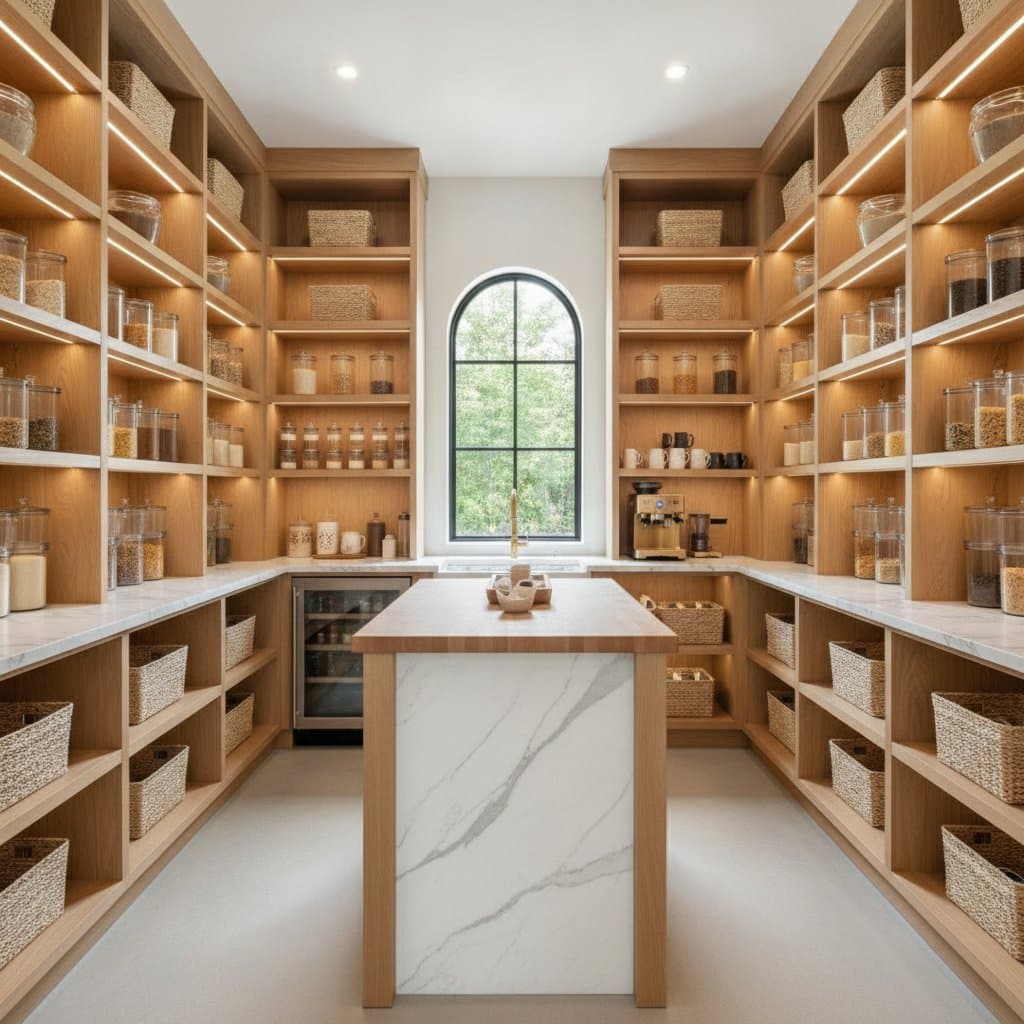
Align the pantry wall's design with the kitchen's existing elements, including trim styles, paint sheens, and hardware finishes, to achieve cohesive harmony. Incorporate soft-close mechanisms on doors to minimize noise during operation. Organize shelving with shallower tiers for spices and deeper ones for bulkier provisions, facilitating efficient access.
Internal illumination, such as adjustable LED strips, improves visibility for routine tasks and highlights stored items effectively. These thoughtful details elevate usability while preserving the installation's discreet profile.
Hidden pantry walls merge utility with refined simplicity, ensuring essentials remain accessible yet unobtrusive. This upgrade conceals disarray, streamlines workflows, and delivers tangible financial returns. Homeowners achieve enduring improvements in both practicality and market desirability; obtaining multiple estimates from qualified specialists and verifying code adherence sets the foundation for success.