Hidden Pantry Walls in 2026: A Discreet Boost to Home Value
Homeowners who incorporate a hidden pantry wall often see their property's resale value rise by approximately six percent. Prospective buyers appreciate the unexpected storage capacity, the streamlined appearance of the kitchen, and the overall sense of sophistication. This subtle architectural choice conveys a bespoke quality, yet it integrates effectively into most existing home layouts.
Understanding the Hidden Pantry Wall
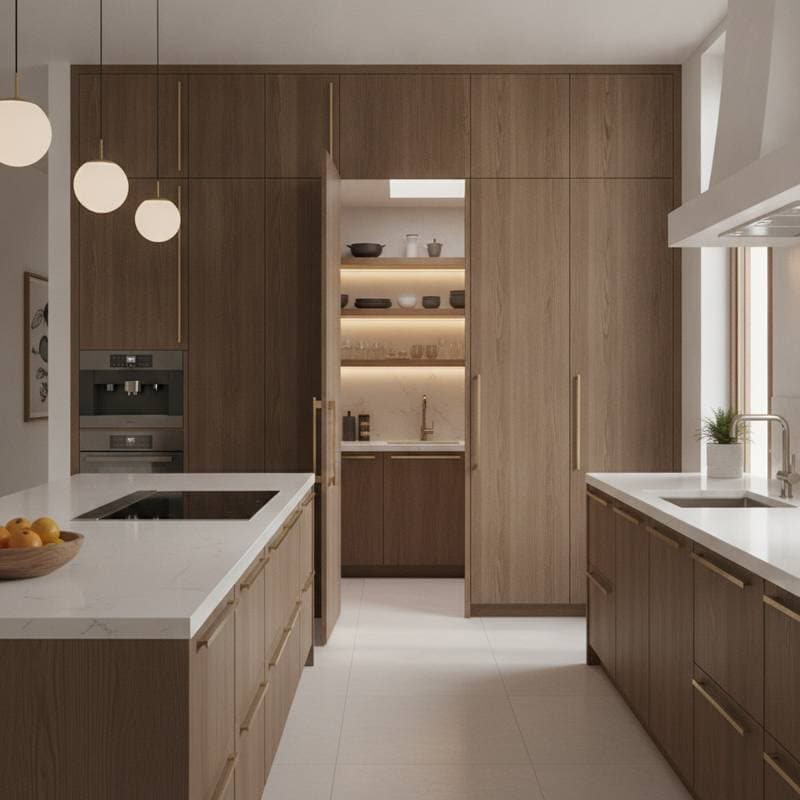
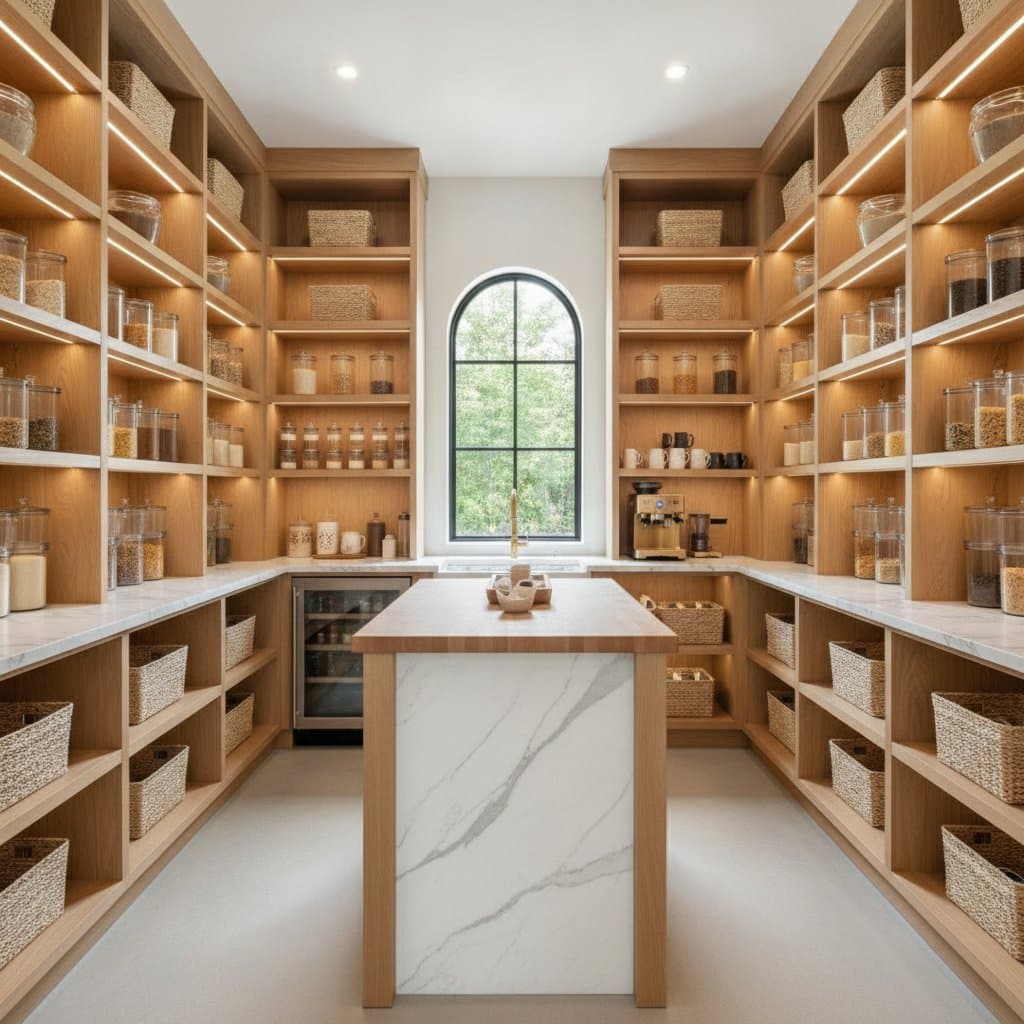
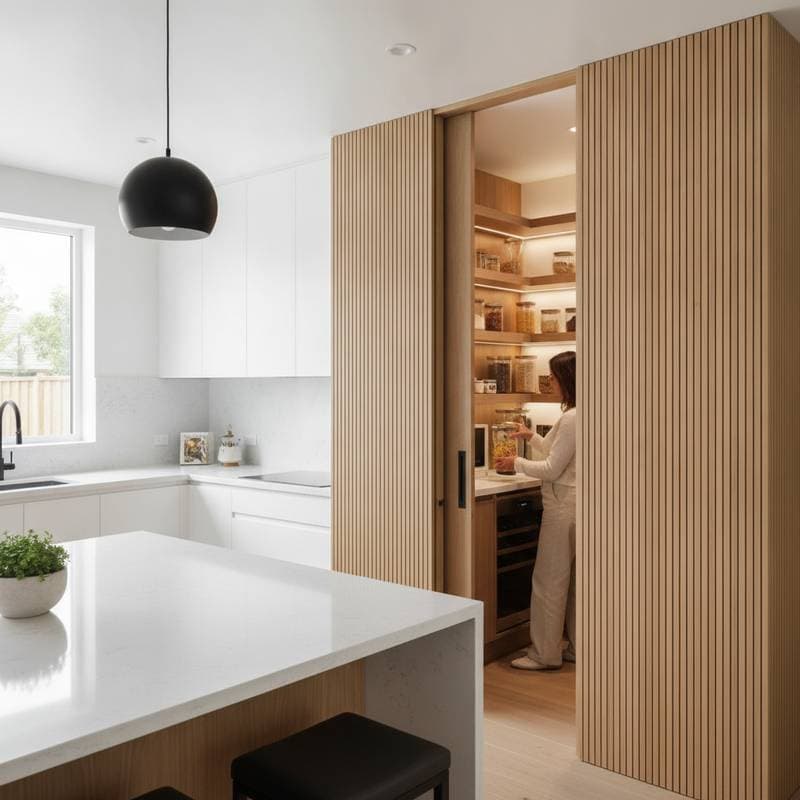
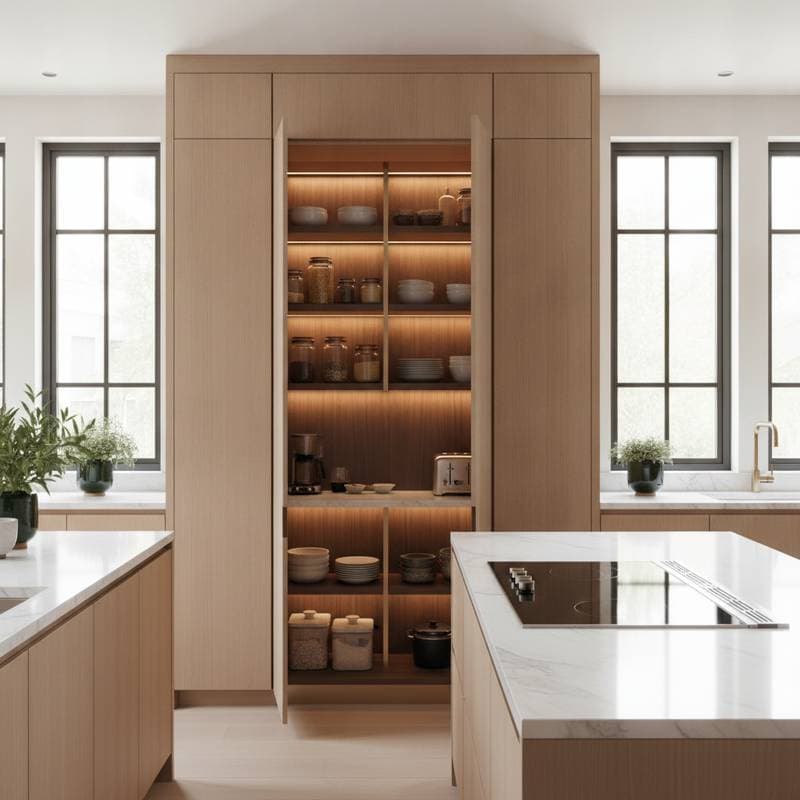
A hidden pantry wall consists of a full-height storage area concealed behind cabinetry doors or panels that align flush with the surrounding walls. It integrates so seamlessly into the kitchen or adjacent dining space that observers perceive it as ordinary wall surface. Within this concealed area, adjustable shelves, pull-out drawers, or even a comprehensive butler's pantry complete with preparation counters and illumination await discovery.
This approach gains popularity for its ability to eliminate visual clutter and introduce functional square footage without altering the home's basic floor plan. Designers recommend assessing the available wall space early to ensure the pantry aligns with traffic flow and appliance placement.
Project Cost Breakdown
| Task | Typical Cost Range | Factors Influencing Price |
|---|---|---|
| Framing and Drywall | $800 to $1,800 | Extent of wall modifications |
| Custom Cabinet Panels | $1,200 to $3,000 | Selection of materials, finishes, dimensions |
| Interior Shelving | $400 to $1,000 | Choice between solid wood and melamine, inclusion of adjustable components |
| Lighting and Wiring | $150 to $500 | Local electrician fees, fixture specifications |
| Total Labor | $2,000 to $5,000 | Variations in regional rates, intricacy of design |
| Overall Project | $4,000 to $10,000 | Dependent on area dimensions and quality of finishes |
Costs fluctuate based on geographic location. Opting for premium materials or embedding appliances may increase expenses by twofold. Selecting standard panels and basic shelving systems helps maintain budgets closer to the lower estimates.
DIY Approach Versus Professional Installation
Consider a do-it-yourself project if you possess skills in carpentry, drywall installation, and elementary electrical work; such an effort typically reduces overall expenses by 30 percent. Engage a professional for projects demanding a flawless integration, particularly when existing wiring or plumbing runs through the targeted wall. Contractors excel at sourcing compatible materials and navigating any necessary permitting processes for structural adjustments.
Professionals ensure the concealed aspect remains undetectable, avoiding issues like visible gaps, misaligned panels, or inconsistent surface treatments that could undermine the design's intent.
The Value Proposition
Potential buyers view a hidden pantry as a harmonious blend of opulence and utility. It demonstrates thoughtful, custom-level construction that elevates the home's appeal. The element of surprise enhances listing photographs and in-person viewings, distinguishing the property from similar offerings.
Real estate professionals observe that properties featuring such concealed storage solutions tend to move quickly on the market and command premiums over equivalent homes lacking these amenities. The six percent valuation increase stems from buyers' readiness to invest in residences that project organization and refinement.
Considerations for Regional and Climatic Conditions
In areas with high humidity, select materials resistant to moisture, such as marine-grade plywood or shelving coated in PVC. For arid environments, apply thorough sealing to wood elements to avert splitting. In colder climates, add insulation behind pantries adjacent to exterior walls to mitigate condensation risks.
Coastal properties benefit from corrosion-resistant hardware, like stainless steel hinges. Local building regulations seldom mandate permits for non-load-bearing pantry installations, though electrical additions may necessitate inspections. Verify requirements with municipal authorities prior to commencement.
Safety Measures and Upkeep
Ensure proper ventilation in hidden enclosures to prevent heat or moisture buildup; incorporate a subtle vent or maintain a small gap at the upper edge. Route all electrical wiring through protective conduit within wall spaces. Regularly lubricate hinges and inspect panel alignment biannually to counteract potential sagging.
Clean surfaces using a solution of mild soap and water, steering clear of abrasive chemicals that might diminish finish quality. Monitor and replace LED lighting components periodically to sustain even illumination.
Scenarios Requiring Professional Expertise
Seek a licensed contractor when the selected wall contains active plumbing or electrical infrastructure. Professionals handle fully integrated, invisible door mechanisms with precision. Modifications to load-bearing elements demand certified oversight.
For installations incorporating built-in appliances or sinks, expert coordination ensures compliance and functionality. The assurance of quality execution justifies the additional investment for many homeowners.
Design Options
-
Flush-Panel Integration
This configuration mimics existing cabinetry for a cohesive look, ideal for compact kitchens seeking a serene aesthetic. -
Butler's Pantry Concealment
Suited for frequent hosts, this setup accommodates beverage stations, bar areas, or dishware organization. Introduce plumbing only where access proves straightforward. -
Sliding or Pocket-Door Systems
Perfect for constrained layouts, these doors retract into the wall, though they require exact framing for smooth operation. -
Multi-Access Configurations
Designs accessible from both kitchen and dining areas suit homes centered around entertaining and meal service.
Pitfalls to Avoid
- Selecting low-quality hinges unable to support door weight over time.
- Overlooking insulation needs on exterior-facing walls.
- Applying high-gloss paints that accentuate seams between panels.
- Delaying lighting planning until late in the process.
- Neglecting to measure door swing paths for obstructions.
Sketch the proposed layout on paper and use painter's tape to outline the footprint on the actual wall. This step clarifies dimensions and operational clearances.
Expert Recommendations
Apply continuous grain matching on door veneers to create a unified wall appearance. Install soft-close mechanisms for silent operation. Conceal handles within the frame or employ touch-latch systems for a streamlined profile.
In contemporary settings, favor matte paints to minimize glare. Designate at least one section with adjustable shelving to accommodate oversized items, such as packaged goods or compact devices.
These refinements enhance both usability and visual impact.
Frequently Asked Questions
What depth suits a hidden pantry?
Standard shelving requires two feet, while walk-in variants demand three to four feet.
Is this feasible in compact kitchens?
Affirmative; a shallow unit with cabinet-fronted doors delivers efficient storage without dominating space.
Are permits necessary?
Generally not, except when altering electrical or plumbing systems. Consult local ordinances.
Which lighting option excels?
Motion-activated LED strips provide efficient, long-lasting illumination without generating heat.
Do prefabricated panels suffice?
Yes, suppliers offer adaptable flat panels; custom fabrication ensures only when precise matching is essential.
Implementing Your Hidden Pantry
This upgrade combines intelligence with elegance, effectively managing storage needs while enhancing property worth. Begin with a straightforward blueprint, evaluate spatial constraints meticulously, and select harmonious finishes. The result yields a concealed asset that enriches both functionality and allure.