Understanding Induction Cooktops and Their Impact on Home Value
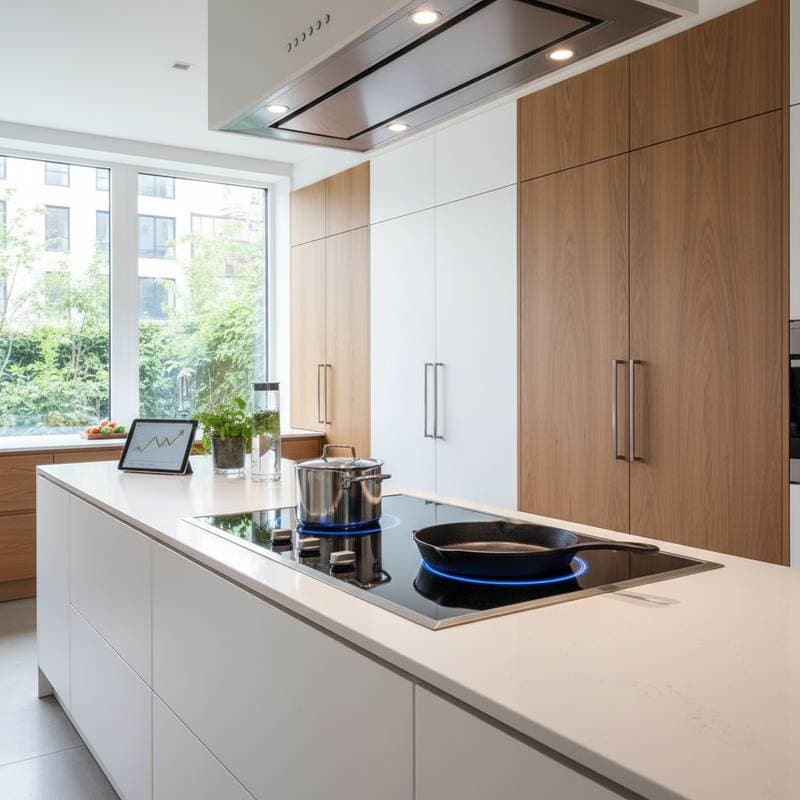
Induction cooktops represent a modern advancement in kitchen technology. These appliances employ electromagnetic fields to generate heat directly within compatible cookware, bypassing the need for an open flame or traditional heating elements. This method results in rapid heating, minimal energy loss, and enhanced safety features that appeal to contemporary homeowners.
Homeowners often integrate induction cooktops into broader kitchen renovations aimed at improving energy efficiency or preparing a property for sale. Recent analyses of real estate trends indicate that properties equipped with induction cooktops command an average premium of $18,000 over similar homes lacking this feature. This increase stems from growing buyer preferences for sustainable, all-electric living spaces that align with environmental goals and future-proofing efforts.
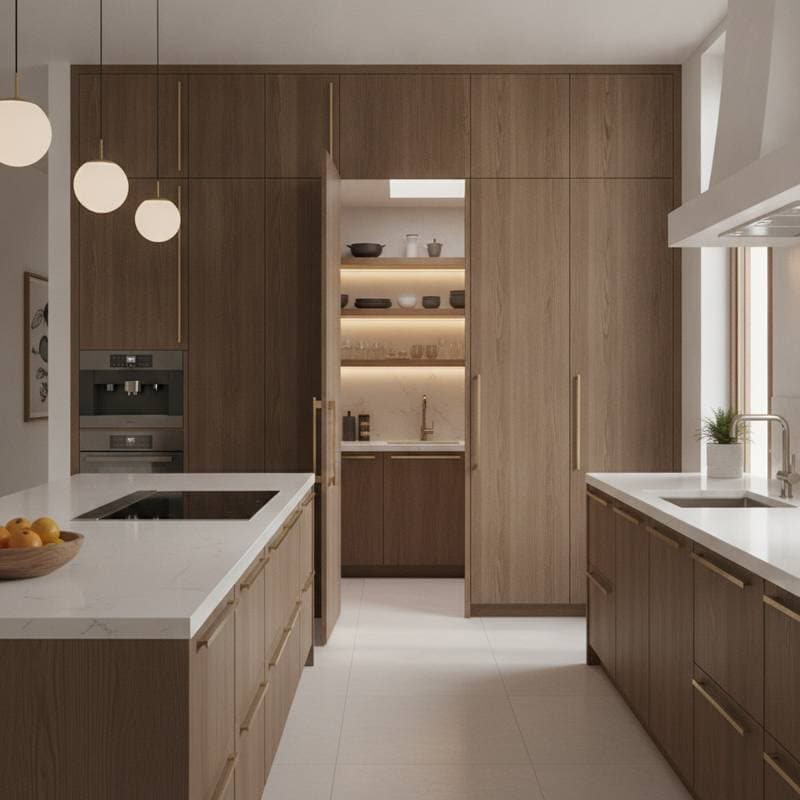
The appeal extends beyond mere functionality. Induction cooktops contribute to a sleek, contemporary kitchen aesthetic while reducing utility bills through their efficient operation. As more regions phase out fossil fuel dependencies, these appliances position homes as forward-thinking investments.
Key Advantages and Potential Drawbacks
Induction cooktops offer several compelling benefits that enhance daily cooking and long-term home value.
Advantages
- Rapid and Precise Heating: Electromagnetic induction heats pots and pans in seconds, providing exact temperature regulation for consistent results in baking, simmering, or searing.
- Energy Efficiency: These units transfer nearly 90 percent of energy to the cookware, compared to 40 percent for gas stoves, leading to noticeable reductions in electricity consumption over time.
- Enhanced Safety: Without exposed flames or constantly hot surfaces, induction minimizes burn risks and keeps ambient kitchen temperatures lower during use.
- Simplified Cleaning: The smooth glass-ceramic surface resists spills and splatters, allowing quick wipes with a damp cloth rather than scrubbing residue from coils or grates.
- Market Appeal: In electrified homes, induction features attract buyers seeking low-maintenance, eco-friendly upgrades that support smart home integrations.
Despite these strengths, potential limitations warrant consideration before installation.
Drawbacks
- Cookware Compatibility: Only ferromagnetic materials like cast iron or certain stainless steels work effectively; non-compatible items require replacement or adapters.
- Electrical Demands: Many installations necessitate panel upgrades to handle the 240-volt requirement, potentially increasing upfront costs in older homes.
- Repair Expenses: Specialized components, such as induction coils, can elevate service fees compared to conventional electric models.
- Aesthetic Preferences: Users accustomed to the visual feedback of gas flames may find the invisible heating process less intuitive at first.
- Regional Availability: Premium brands or larger sizes might face stock shortages in rural or less urbanized areas, delaying projects.
Weighing these factors helps homeowners determine if induction aligns with their cooking habits and budget constraints.
Installation Options: Handling It Yourself or Engaging Professionals
The process of installing an induction cooktop involves more than surface-level adjustments. Most models require a dedicated 240-volt circuit to operate at full capacity, often entailing new wiring from the electrical panel to the kitchen location. Precise countertop modifications ensure a seamless fit, particularly with materials like granite or quartz that demand specialized cutting techniques.
Assessing DIY Feasibility
For those with electrical experience, a replacement installation in an existing cutout presents a moderate challenge. Begin by shutting off power at the breaker and verifying voltage with a multimeter. Secure connections using wire nuts rated for the amperage, then test each burner for proper pan detection before finalizing the setup.
- Skill Level Required: Moderate to advanced, including familiarity with household wiring codes.
- Estimated Time: Two to five hours for straightforward swaps; add several hours for custom cutouts or circuit extensions.
- Essential Tools: Digital multimeter for voltage checks, insulated wire strippers, assorted screwdrivers, and a fine-tooth jigsaw for minor adjustments.
- Associated Risks: Potential for electrical shocks if power is not fully disconnected, overloads that trip breakers, or installations that fail local inspections.
DIY suits confident individuals who prioritize cost savings, but errors can lead to hazardous conditions or voided warranties.
When to Hire a Professional
Professional involvement becomes essential in complex scenarios. Transitioning from a gas setup requires capping the fuel line and rerouting electricity, tasks best left to certified experts. Similarly, altering solid-surface countertops or confirming breaker compatibility demands licensed oversight to meet safety standards.
Engage a professional electrician for:
- Any new circuit installations or panel modifications.
- Gas-to-electric conversions involving plumbing adjustments.
- Precision cuts in durable materials to avoid cracks or uneven edges.
- Verification of load calculations to prevent future overloads.
A qualified installer not only ensures compliance with building codes but also provides peace of mind through documented work. Expect to budget $500 to $2,000 for labor, depending on project scope and location.
Ongoing Maintenance and Expected Durability
Proper care extends the life of an induction cooktop and preserves its performance. After each cooking session, wipe the surface with a soft, non-abrasive cloth and a mild cleaner to remove residues without scratching the glass. Periodically inspect accessible wiring for signs of wear, especially in high-use households.
These appliances typically deliver 10 to 15 years of reliable service under normal conditions. Factors like frequent heavy use or power fluctuations may shorten this span, but routine checks mitigate issues. Manufacturer warranties range from one to five years, covering defects in electronics or heating elements.
Should a burner fail to activate or heat unevenly, consult a technician to diagnose coil or sensor problems. Maintaining flat, clean cookware bottoms prevents efficiency losses and extends component longevity. Simple habits, such as avoiding impacts to the surface, contribute significantly to sustained operation.
Considering Regional Influences on Adoption
Local conditions play a pivotal role in the practicality and payback period of induction cooktops. In regions with elevated natural gas rates, the switch to electricity yields quicker savings on monthly bills. Colder climates benefit from reduced indoor pollutants, as induction eliminates combustion byproducts that traditional stoves produce.
Certain states provide financial incentives, such as rebates up to $600 for electric cooking upgrades, through utility programs or environmental initiatives. Always verify eligibility via local energy offices. Building codes in some areas mandate permits for electrical alterations, ensuring installations adhere to updated standards.
Labor expenses fluctuate by geography. Urban centers often charge premium rates due to demand, with electricians booking weeks in advance. In contrast, suburban or rural settings may offer more competitive pricing but require travel fees for specialized work.
Calculating Return on Investment and Resale Benefits
Investing in an induction cooktop yields tangible financial returns, particularly for resale. Market studies reveal that homes featuring all-electric kitchens, highlighted by induction ranges, fetch approximately $18,000 more than equivalents with outdated appliances. This uplift arises from appraisers recognizing the upgrade's contribution to energy savings and modern appeal.
Buyers increasingly prioritize properties that embody sustainability and convenience. Induction signals a commitment to low-emission living, resonating with eco-conscious demographics. For sellers, this feature differentiates listings in competitive markets, potentially shortening time on the market by drawing qualified offers.
To maximize ROI, time the installation during a full kitchen refresh. Combine it with other efficiency measures, like LED lighting or insulation improvements, to amplify the overall value proposition. Track energy usage pre- and post-installation to quantify personal savings, bolstering the case for future upgrades.
Prioritizing Safety in Every Aspect
Safety forms the cornerstone of induction cooktop use and installation. Before any work, disconnect power at the main breaker to eliminate shock risks. Select wiring gauges and breakers matched to the unit's specifications, typically 40 to 50 amps for standard models.
During operation, position utensils away from active zones to avoid unintended heating. While the cooktop surface cools quickly, heated cookware retains temperature; use pot holders and supervise children in the vicinity. Adhere to manufacturer guidelines for ventilation, even without flames, to manage steam and odors effectively.
For gas conversions, a licensed plumber must securely cap lines to prevent leaks. Post-installation, conduct a thorough test run under professional supervision if uncertainties arise. These precautions safeguard occupants and maintain insurance compliance.
Steps to Integrate Induction into Your Home
Embarking on an induction cooktop upgrade starts with thorough preparation. Evaluate your kitchen's electrical infrastructure by consulting an electrician for a capacity assessment. Research models based on burner count, such as four-burner units for families or compact two-burner options for smaller spaces, and prioritize touch controls for ease of use.
Obtain multiple quotes from vetted installers to compare timelines and costs. Factor in compatible cookware sets to avoid post-purchase expenses. If resale motivates the change, document the upgrade with photos and energy projections for listing materials.
This investment enhances cooking precision and home equity simultaneously. Homeowners who adopt induction often report improved satisfaction with their kitchen's performance, underscoring its role as a worthwhile enhancement for enduring value.