Why EV Chargers Increase Home Value by 11 Percent
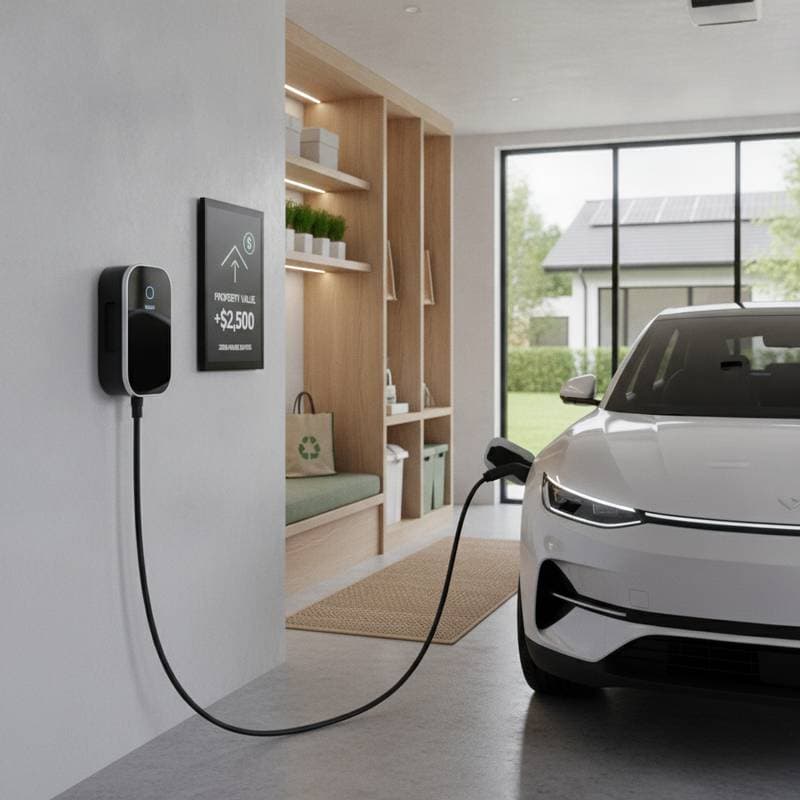
Homebuyers increasingly seek properties equipped for modern lifestyles, and an installed electric vehicle charger addresses this demand directly. Research indicates that such an addition can elevate a home's resale value by approximately 11 percent, particularly in regions where electric vehicle adoption grows steadily. This feature signals forward-thinking design, convenience for daily routines, and alignment with sustainable living trends, setting the property apart in competitive markets.
The appeal stems from practical benefits. Owners avoid the hassle of public charging stations, which often involve long waits or limited availability. For families or professionals with electric vehicles, the presence of a home charger translates to time savings and reduced operational costs, making the home more desirable to eco-conscious purchasers who prioritize green technologies.
Cost Overview
The expense for a Level 2 home EV charger, including professional installation, generally ranges from $1,000 to $2,500. Many installations fall within the $1,400 to $1,800 range, depending on specific site conditions. Premium models with advanced smart capabilities or extensive wiring requirements may exceed $3,000.
Several elements influence the total cost:
- The capacity of the existing electrical panel and the distance from the panel to the charging location.
- The selected charger model and its amperage specifications.
- Fees associated with permits, inspections, and compliance with local regulations.
- Regional labor rates, along with materials such as wall mounts or protective conduits.
- Optional integrations like Wi-Fi connectivity or mobile app controls for enhanced functionality.
Homeowners benefit from obtaining multiple quotes to compare these factors. In some cases, utility companies provide assessments at no charge to evaluate panel suitability before committing to the project.
Advantages and Drawbacks
Advantages
- Enhances resale value and attracts buyers interested in electric vehicle infrastructure.
- Lowers long-term charging expenses when compared to fees at public stations.
- Provides reliable, on-demand access that integrates seamlessly into daily schedules.
- Contributes to qualifications for green building certifications, appealing to sustainability-focused markets.
- Shields owners from volatility in traditional fuel prices by promoting electric alternatives.
Drawbacks
- Involves an initial financial outlay, potentially requiring electrical system modifications.
- Demands a dedicated 240-volt circuit, which may necessitate professional intervention.
- Offers limited immediate recovery if the property sells shortly after installation.
- Introduces a slight additional demand on the home's overall electrical load.
Despite these considerations, the advantages often outweigh the challenges for long-term residents or those planning to sell in EV-friendly areas. Weighing personal usage patterns helps determine if the investment aligns with individual needs.
Charger Varieties
Selecting the appropriate charger type depends on driving habits, household size, and budget. Each option serves distinct purposes, from basic functionality to advanced features.
Level 1 Charger
This model operates on a standard 120-volt household outlet, delivering slower charging speeds suitable for drivers with minimal daily mileage. It requires no specialized installation, making it an accessible entry point for occasional use. However, full charges may take 8 to 20 hours, limiting its practicality for frequent commuters.
Level 2 Charger
Equipped for a 240-volt circuit, this charger achieves rates four to six times faster than Level 1 models, typically adding 20 to 60 miles of range per hour. It suits most daily driving requirements, with overnight charging sessions completing in 4 to 8 hours. Professional installation ensures safety and efficiency for this more powerful setup.
Smart Charger
These units connect to home Wi-Fi networks or smartphone applications, enabling features such as scheduled charging during off-peak utility hours and real-time energy consumption monitoring. Users gain insights into usage patterns and can optimize costs through integration with smart home systems. This option appeals to those who value technology-driven control and data analytics.
Dual-Port Charger
Designed for households with multiple electric vehicles, this variant supports simultaneous charging for two cars via separate ports. It maximizes space efficiency in garages or driveways, reducing the need for additional units. Capacity planning becomes essential to avoid overloading the electrical system.
Installation: DIY or Professional
A Level 1 charger connects directly to an existing outlet, requiring minimal effort and tools. In contrast, Level 2 installations involve installing a dedicated breaker and running new wiring, which demands electrical knowledge to prevent hazards.
Professional services prove essential in scenarios involving full panel loads, complex wiring paths, or adherence to stringent local codes. Untrained attempts risk electrical shocks, fire dangers, or failed inspections that could void warranties. Expect installation to take 3 to 6 hours when handled by experts using tools like drills, conduit benders, and multimeters.
Homeowners should verify insurance coverage for DIY efforts and consult manufacturer guidelines. Hiring certified electricians not only ensures compliance but also provides peace of mind through documented workmanship.
Installation Process
Follow these steps to prepare for and complete a safe EV charger setup:
- Evaluate the electrical panel's available capacity and amperage headroom.
- Choose a charger model compatible with the panel's specifications and vehicle requirements.
- Submit applications for necessary permits through local building authorities.
- Securely mount the charger unit in proximity to the primary parking space.
- Install protective conduit and route wiring from the charger to the electrical panel.
- Attach the wiring to a dedicated circuit breaker within the panel.
- Verify proper voltage levels and operational functionality with testing equipment.
- Configure any Wi-Fi or app-based controls for remote management.
- Remove debris, label the new circuit clearly, and schedule a final inspection.
Document each phase, including photographs, to support warranty claims or future reference. Patience during permitting can prevent costly rework.
Upkeep and Durability
Routine inspections of cords, plugs, and mounting hardware every few months help maintain performance. Wipe down the unit to remove dust and ensure it remains in a dry, sheltered position. Address any cable wear or cracks promptly by sourcing replacements from the manufacturer.
Quality chargers endure 8 to 10 years under normal conditions with consistent care. Standard warranties span 3 to 5 years, covering defects in materials and workmanship. Extending lifespan involves avoiding extreme temperatures and overloading, which can accelerate component degradation.
Alternative Solutions
For those hesitant about permanent installations, consider these options:
- Community Shared Chargers: Available in neighborhoods or apartments, they reduce personal costs but may involve scheduling conflicts and travel.
- Portable EV Chargers: Compact and versatile, these units adapt to various outlets but deliver slower speeds akin to Level 1 performance.
- Solar-Powered Chargers: Paired with rooftop panels, they minimize grid reliance and energy bills over time, though initial setup costs rise significantly.
Each alternative balances convenience, expense, and environmental impact differently. Assess based on lifestyle and long-term goals.
Regional Considerations
Payback periods shorten in areas with dense EV populations, such as urban centers or tech hubs. Coastal regions benefit from selecting chargers with rust-resistant coatings to combat salt air exposure. In colder climates, opt for enclosures rated for low temperatures to prevent battery inefficiencies or unit failures.
Many states and municipalities extend rebates, tax credits, or low-interest loans that offset up to 50 percent of installation expenses. Research programs through the Department of Energy or local utilities. Compliance with varying electrical standards and permit processes remains crucial for seamless execution.
Return on Investment and Market Impact
Real estate professionals observe that homes featuring EV chargers sell more quickly, often at premium prices. Prospective buyers perceive these upgrades as indicators of modernity and preparedness for the expanding electric vehicle landscape. The financial return frequently recoups a substantial portion of the outlay, alongside intangible gains in usability and appeal.
Market data supports this trend, with properties in high-adoption zones commanding higher offers. Sellers gain a competitive edge by highlighting the feature in listings, emphasizing its role in future-proofing the home.
Safety Protocols
Ground all circuits properly to mitigate shock risks. Refrain from using extension cords, which can overheat and pose fire threats. Adhere strictly to local electrical codes and the charger's operational manual.
Power down the system before conducting any inspections or repairs. Position installations away from water features, vegetation, or combustible substances. Annual professional reviews ensure ongoing compliance and detect potential issues early.
Next Steps for Implementation
Embark on this upgrade by consulting three licensed electricians for detailed assessments and estimates. Confirm your electrical panel's readiness and select a charger aligned with your vehicle's specifications and routine mileage.
Factor in driving patterns to choose the optimal model, whether for single or multi-vehicle use. Leverage available incentives to minimize expenses, transforming this enhancement into a strategic asset that delivers immediate utility and enduring market value.