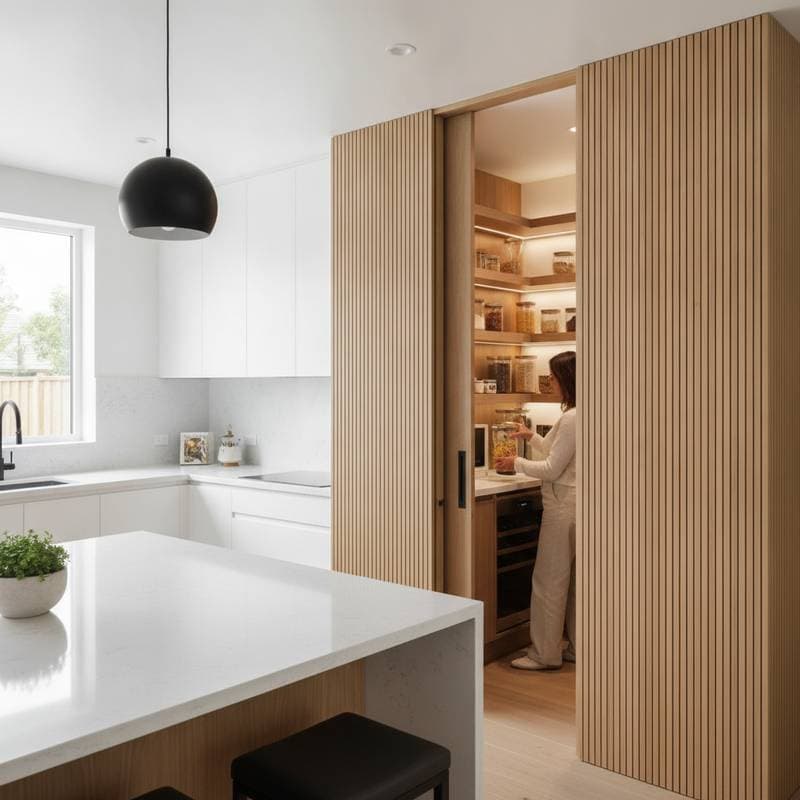
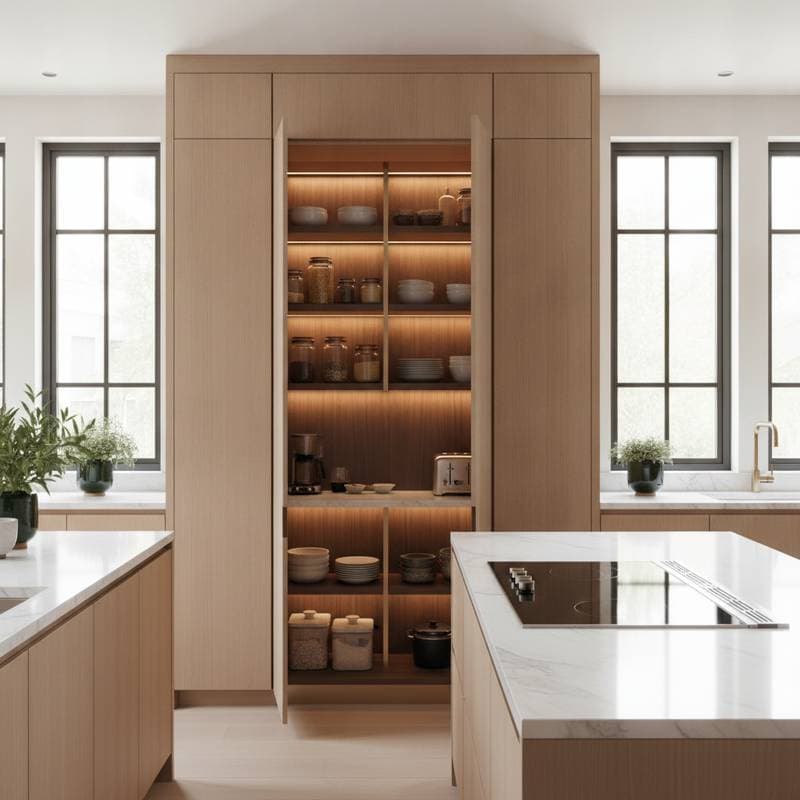
Hidden Pantries and Coffee Bars Enhance Home Value in 2026
Typical upgrade expenses range from $8,000 for a hidden pantry to $4,500 for a built-in coffee bar.
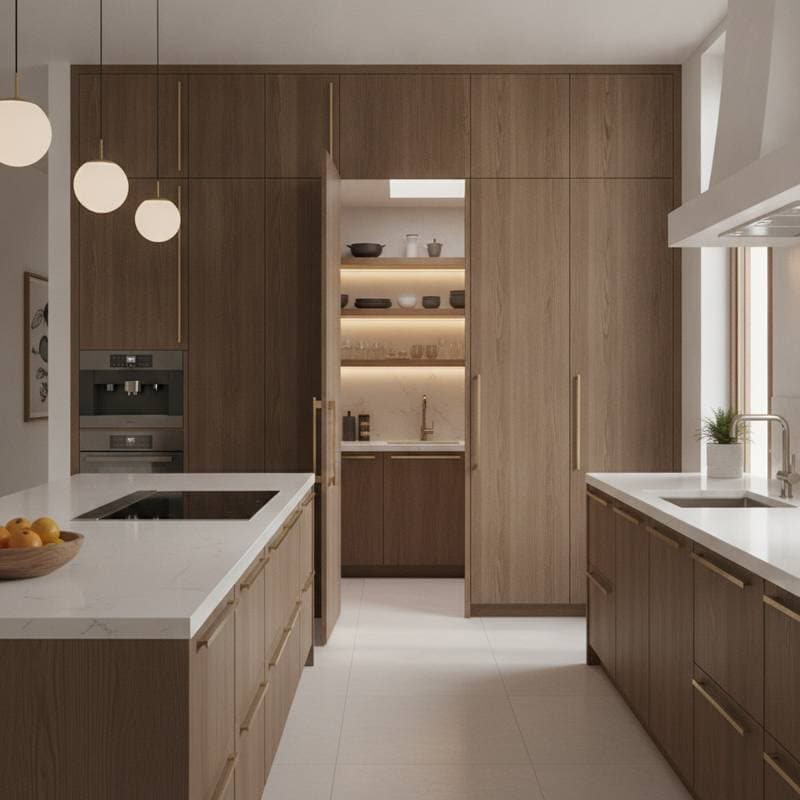
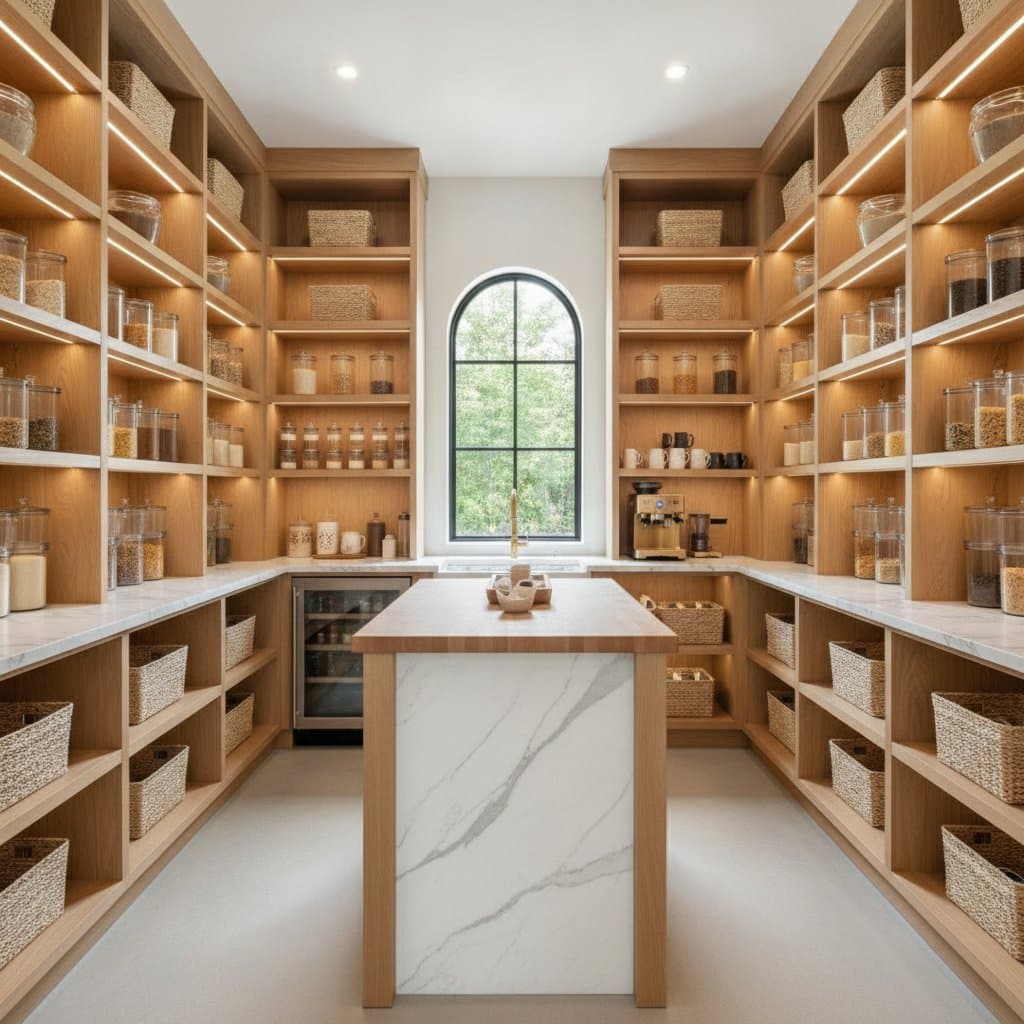
Discerning homebuyers seek kitchens that appear serene yet perform efficiently. Hidden pantries and coffee bars achieve this balance by concealing disorder, expanding usable surfaces, and simplifying everyday tasks. Homeowners preparing to sell find that these elements provide immediate visual and functional appeal, distinguishing the property in a competitive market.
Factors Influencing Costs
1. Materials and Finishes
Cabinetry, shelving units, and door panels account for the primary expenses. Options like medium-density fiberboard or melamine maintain affordability at $50 to $70 per linear foot. Premium selections such as hardwood or bespoke millwork escalate to $150 per linear foot. Concealed doors mimicking wall panels demand precise carpentry, further elevating labor requirements.
2. Labor and Design Fees
Skilled carpenters or cabinet specialists bill $60 to $120 per hour. Integration of lighting or electrical outlets necessitates an electrician at $100 per hour. Professional design plans, costing $500 to $1,000, ensure optimal layouts and prevent inefficient space utilization.
3. Size and Access Considerations
Larger walk-in configurations or recessed areas behind kitchen partitions increase both expense and intricacy. Proximity to plumbing or heating systems requires additional framing and drywall work, typically raising the overall budget by 10 to 15 percent.
4. Permits and Electrical Requirements
Basic shelving installations seldom require approvals. However, incorporating outlets, sinks, or integrated lighting triggers permit costs of $150 to $400, varying by local regulations.
5. Add-ons and Finishing Details
Features like soft-close mechanisms, sliding drawers, and LED illumination contribute $200 to $500 each. Concealed hinges and integrated handles, though pricier, deliver a streamlined aesthetic.
DIY Options Versus Professional Installation
Suitable DIY Projects
- Apply paint or finish to cabinet doors for a refreshed appearance.
- Mount shelves or open storage racks in accessible areas.
- Incorporate plug-in lights or adhesive backsplashes for quick enhancements.
Projects Requiring Professionals
- Wiring for outlets or connecting water supplies.
- Modifying load-bearing walls or creating openings.
- Embedding appliances or crafting disguised doors.
Intermediate skills suffice for standard cabinet assembly, while advanced expertise applies to hidden mechanisms. Essential tools include a drill, stud finder, level, circular saw, and measuring tape. Risks remain moderate; faulty electrical setups or misaligned doors may lead to hazards or aesthetic flaws.
For those with basic carpentry knowledge, professionals handle structural and electrical components, while individuals complete finishing tasks like painting and shelving. This method reduces expenses by 20 to 30 percent.
Maintenance Guidelines and Warranty Information
Hidden Pantry Maintenance
Clean shelves monthly to manage moisture and deter pests. Inspect hidden hinges yearly for necessary adjustments. Refinish surfaces every seven to ten years in humid environments.
Coffee Bar Maintenance
Wipe appliance exteriors daily to avoid residue accumulation. Replace LED strips or components every three to five years. Monitor plumbed units for potential leaks.
Hardware warranties span one to five years. Retain receipts for hinges and pulls to facilitate straightforward replacements.
The Appeal of Hidden Storage to Buyers
Contemporary open-plan kitchens offer scant tolerance for disarray. Hidden pantries and coffee bars address this challenge discreetly, enabling buyers to envision a tidy, upscale environment. Real estate professionals note that properties featuring these upgrades often secure offers 3 to 5 percent above comparable homes lacking them.
These installations signal meticulous renovations. A concealed pantry reflects superior craftsmanship, while a coffee bar indicates lifestyle enhancements that ease daily routines. Collectively, they embody sophistication paired with utility.
Design Strategies to Maximize Value
1. Ensure Seamless Integration
Align trim and paint to blend the pantry door with surrounding walls. Extend crown molding continuously for an authentic built-in effect.
2. Emphasize Effective Lighting
Install task-oriented lights within pantries or coffee areas to boost usability and attractiveness. Opt for motion-activated LED strips to promote convenience and efficiency.
3. Select Durable Surfaces
Choose laminate countertops and matte finishes that withstand fingerprints and spills. Steer clear of glossy doors in moisture-prone zones.
4. Incorporate Power Access Strategically
Position two outlets inside the pantry and one adjacent to the coffee bar. Route cords behind panels to maintain a polished look.
5. Address Ventilation Needs
Incorporate a subtle vent or grille to eliminate odors. Verify adequate airflow if the pantry adjoins high-heat appliances.
6. Accommodate Future Adaptations
Reserve space for additional appliances or containers. Design shelving with two-inch adjustability to evolve with changing requirements.
Implementing Your Upgrade
Begin by diagramming your kitchen's existing configuration. Pinpoint underutilized corners, walls beside refrigerators, or gaps between upper cabinets. These locations frequently suit pantries or coffee stations.
Solicit quotes from at least two local carpenters or remodelers, requesting breakdowns for standard and upgraded options. Evaluate their approaches to illumination, electrical integration, and door precision.
On constrained budgets, initiate with a modest coffee station, followed by a matching pantry. This incremental strategy distributes costs while preserving uniformity.
Homeowners targeting resale should record all materials and upkeep details. Prospective buyers value such documentation. In listings, emphasize concealed storage and dedicated zones through photographs and descriptions.
Steps to Launch Your Project
- Measure and diagram potential wall or corner spaces.
- Establish a budget between $7,000 and $12,000 for combined installations.
- Engage experts for any electrical or plumbing modifications.
- Procure cabinetry ahead to sidestep supply delays.
- Integrate lighting and outlets to support usability and marketability.
Hidden pantries and coffee bars transcend mere aesthetics. They represent intelligent solutions that refine living spaces and draw buyers seeking orderly, efficient kitchens.