Wet Rooms: Enhancing Property Value by 11 Percent by 2026 Through Accessibility and Design
Wet rooms represent a significant shift in bathroom design, rapidly replacing traditional bathtubs. Homeowners who undertake this conversion often observe an increase in property value of up to 11 percent, particularly when the design incorporates accessibility features for aging in place. This rise stems from the modern aesthetic, elimination of physical barriers, and simplified maintenance that wet rooms provide, appealing to a broad range of potential buyers.
Understanding Wet Rooms
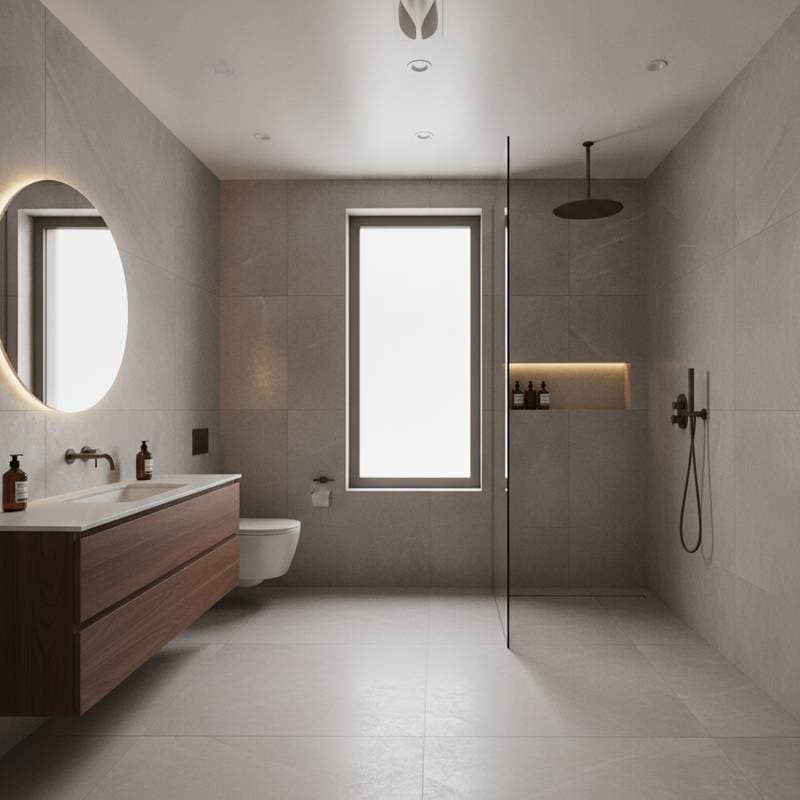
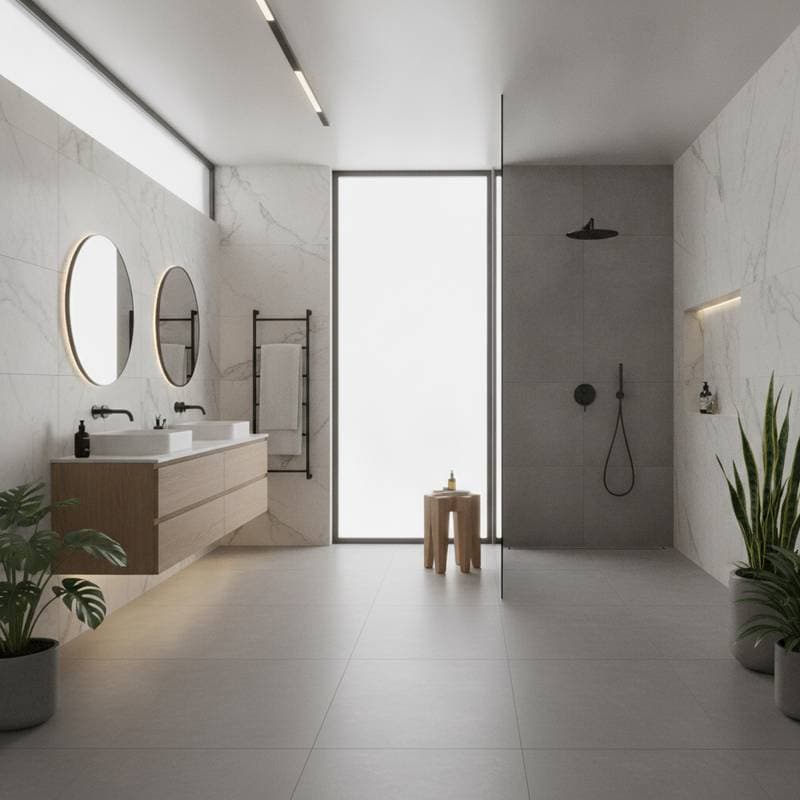
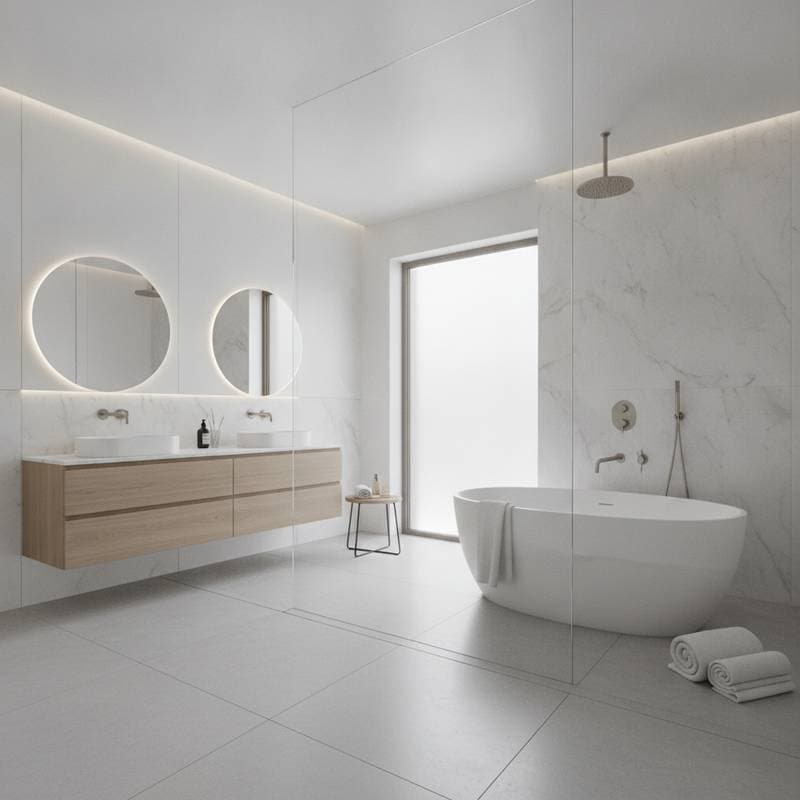
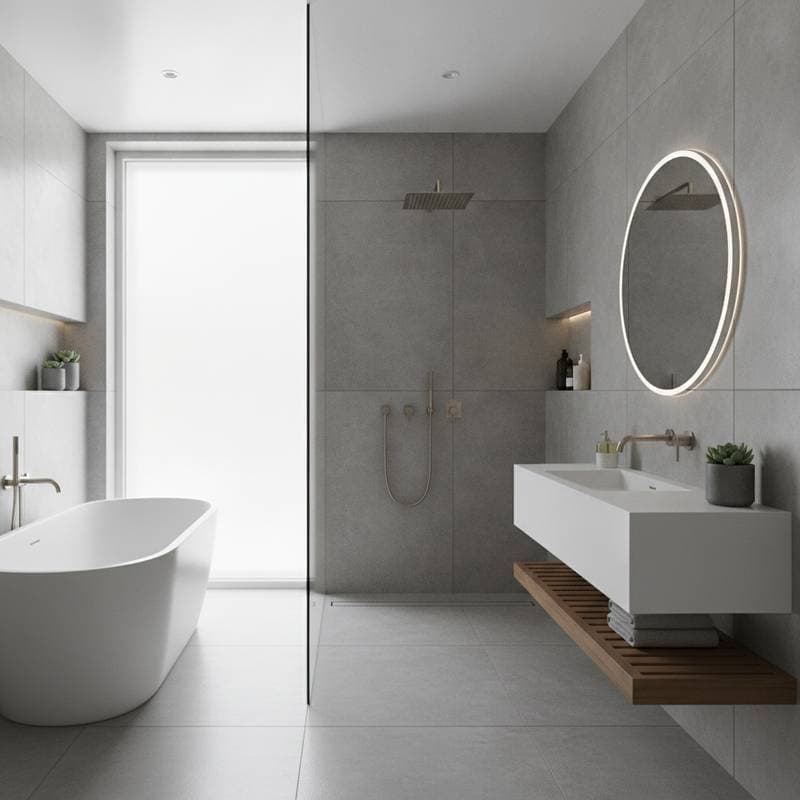
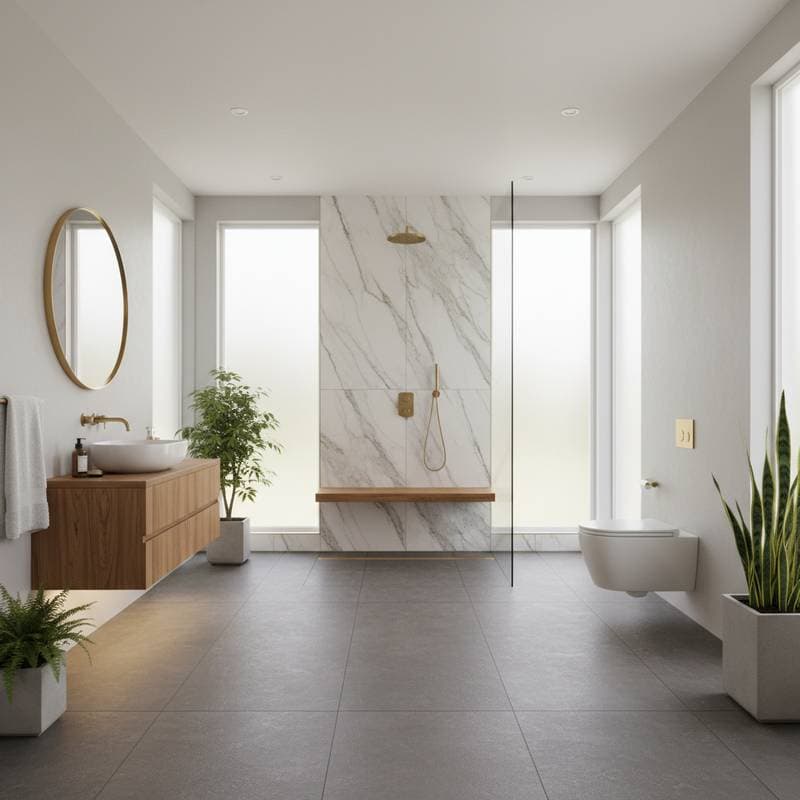
A wet room constitutes a fully waterproofed bathroom environment featuring an open shower area integrated into a sloped floor that directs water straight to an in-floor drain. Unlike conventional setups, it lacks a shower tray or raised tub edge, with the entire area sealed and covered in tiles to allow water to flow unimpeded and evaporate swiftly. This configuration evokes a luxurious spa atmosphere while accommodating individuals of varying ages and mobility capabilities, promoting safety and ease of use.
The design minimizes slip hazards and supports universal accessibility, making it ideal for multigenerational households. Property appraisers note that such updates align with growing demands for low-maintenance, adaptable living spaces, contributing to the projected value appreciation.
Step-by-Step Guide to Converting a Tub to a Wet Room
Converting an existing bathtub into a wet room requires meticulous planning to ensure structural integrity and functionality. Follow these detailed steps to achieve a seamless transformation.
-
Assess and Plan the Layout. Determine the optimal drain position based on existing plumbing and evaluate the floor's capacity to support the waterproofing materials. Consult structural engineers if the space involves load-bearing elements.
-
Demolish the Existing Tub. Disconnect and remove the bathtub, exposing and clearing plumbing lines. Inspect the subfloor for any rot, mold, or structural weaknesses that could compromise the new installation.
-
Apply Waterproofing Layers. Install a robust membrane system across the floor and up the lower walls to create a watertight barrier. Opt for tanking systems or liquid-applied membranes certified for bathroom use.
-
Create the Floor Slope. Engineer a gentle incline, typically one-quarter inch per foot, toward the drain to facilitate efficient water runoff without pooling.
-
Install Tiling. Lay slip-resistant tiles over the prepared surface, ensuring proper adhesion and grout application for durability and aesthetics.
-
Incorporate Accessibility Elements. Integrate features such as reinforced grab bars, fold-down benches, and adjustable handheld showerheads to enhance usability for all occupants.
-
Finalize Sealing and Fixtures. Apply silicone sealant along all edges, joints, and transitions to prevent moisture ingress. Install modern fixtures like rainfall showerheads and frameless glass panels for a contemporary finish.
Each phase demands precision to avoid costly rework, emphasizing the importance of professional oversight where necessary.
Detailed Cost Analysis
The financial investment for a wet room conversion varies based on scope, materials, and location. Below is a comprehensive breakdown to aid budgeting.
| Task | Typical Cost Range | Factors Influencing Price |
|---|---|---|
| Tub Removal and Site Preparation | $500 to $1,500 | Size of the tub, extent of wall or floor demolition |
| Waterproofing and Floor Sloping | $1,200 to $2,800 | Membrane type (e.g., sheet vs. liquid), local labor rates |
| Tiling and Grouting | $1,000 to $3,500 | Tile quality (porcelain vs. natural stone), room dimensions |
| Fixtures and Hardware | $800 to $2,000 | Brand reputation, material finishes (chrome vs. matte black) |
| Accessibility Modifications | $400 to $1,200 | Customization of grab bars, benches, or shower seats |
Overall, anticipate total expenses between $3,900 and $11,000. Regional differences, such as higher labor costs in urban areas, can elevate figures. Selecting economical materials like porcelain tiles and off-the-shelf fixtures helps control spending, while premium options like heated floors or designer glass enclosures increase outlays.
Project Timeline Expectations
A standard tub-to-wet-room conversion spans 5 to 10 working days, depending on the project's complexity. Waterproofing membranes require 24 to 48 hours to cure fully, and tiling needs additional time for grout to set, preventing issues like cracking or leaks. Expansive rooms or intricate tile patterns may extend the schedule to two weeks, factoring in drying periods and potential delays from material sourcing.
Coordinating with contractors early allows for realistic timelines, ensuring the space remains usable post-completion without rushed compromises.
Deciding Between DIY and Professional Installation
Individuals with advanced skills in tiling, plumbing, and construction may consider a DIY approach for smaller projects, provided they possess the necessary tools and adhere to building codes. This option suits those confident in managing slopes and waterproofing to avoid future repairs.
However, professional involvement proves essential for most conversions, especially those involving structural modifications or precise drainage. Licensed contractors guarantee compliance with local regulations, mitigating risks of water damage, insurance invalidation, or warranty issues. Permits often mandate professional certification, safeguarding long-term home integrity.
Essential Tools and Materials List
Gather these items to support either DIY efforts or to understand professional workflows:
- Waterproofing membrane kits and bonding sealers
- Tile cutting tools, including wet saws and manual cutters, plus notched trowels
- Precision levels, laser measures, and tape measures for accuracy
- In-floor drain assemblies with compatible traps
- Non-slip rated floor and wall tiles in coordinated selections
- High-quality silicone sealants for waterproof joints
- Personal protective equipment, including gloves, goggles, and dust masks
Sourcing from reputable suppliers ensures compatibility and quality, reducing installation errors.
Considerations for Regional and Climate Variations
Adaptations prove crucial in diverse environments. In humid climates, prioritize advanced waterproofing with integrated vapor barriers to combat moisture buildup and mold growth. Cold regions benefit from insulated underlays to prevent condensation.
Properties on slab foundations may require core drilling for drains, adding complexity. Municipal codes frequently stipulate inspections for plumbing reroutes or slope alterations; verify requirements through local building authorities prior to commencement to sidestep fines or rework.
Expert Recommendations for Optimal Results
Select light-toned tiles to amplify natural light and expand the perceived size of compact bathrooms. Minimize grout line widths to simplify cleaning and maintenance routines. In cooler locales, integrate electric underfloor heating systems to accelerate drying times and inhibit mold proliferation, enhancing overall comfort.
Additionally, position lighting strategically to highlight textures and avoid shadows, while choosing matte finishes to reduce visible water spots.
Frequently Asked Questions
Will a wet room develop leaks over time?
Proper installation with comprehensive membrane waterproofing eliminates leak risks, provided maintenance includes periodic sealant inspections.
Is an upstairs wet room feasible?
Yes, provided the floor structure receives reinforcement and thorough sealing to handle water weight and prevent downstairs seepage.
How does a wet room impact energy efficiency?
By eliminating tub insulation needs and enabling efficient heating options, wet rooms can lower water and energy usage compared to traditional setups.
Realizing the Benefits of Your Wet Room Upgrade
Investing in a wet room delivers enduring advantages in comfort, accessibility, and market appeal. This upgrade modernizes outdated bathrooms, fostering safer, more enjoyable daily routines while positioning the property for stronger resale outcomes. Approach the project with thorough preparation, prioritize quality waterproofing, and engage experts as required to yield a space that serves current and future needs effectively.