Wet Rooms Deliver an 11 Percent Value Premium for Homes in 2026
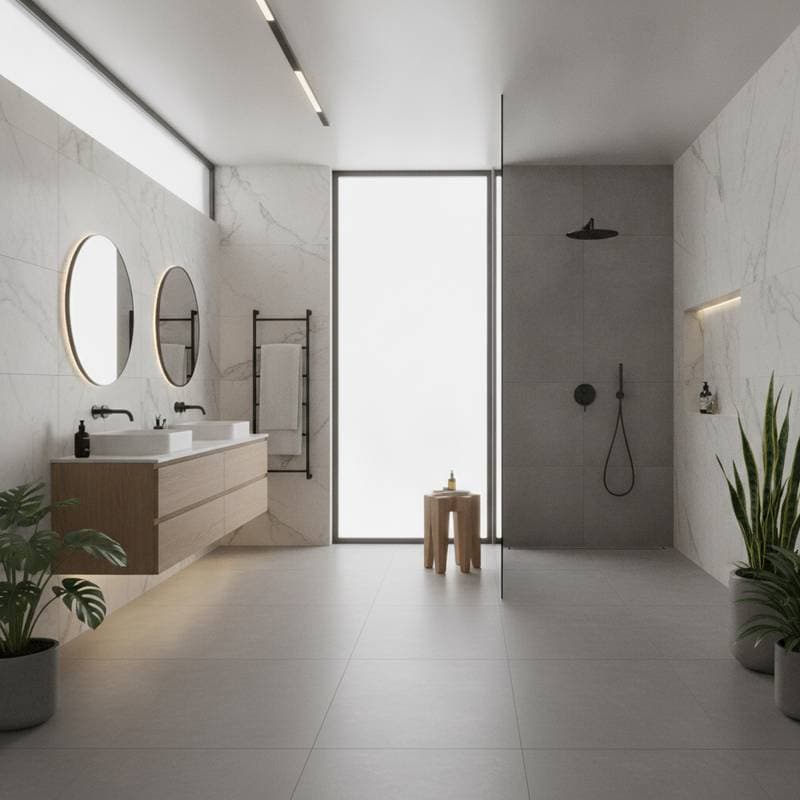
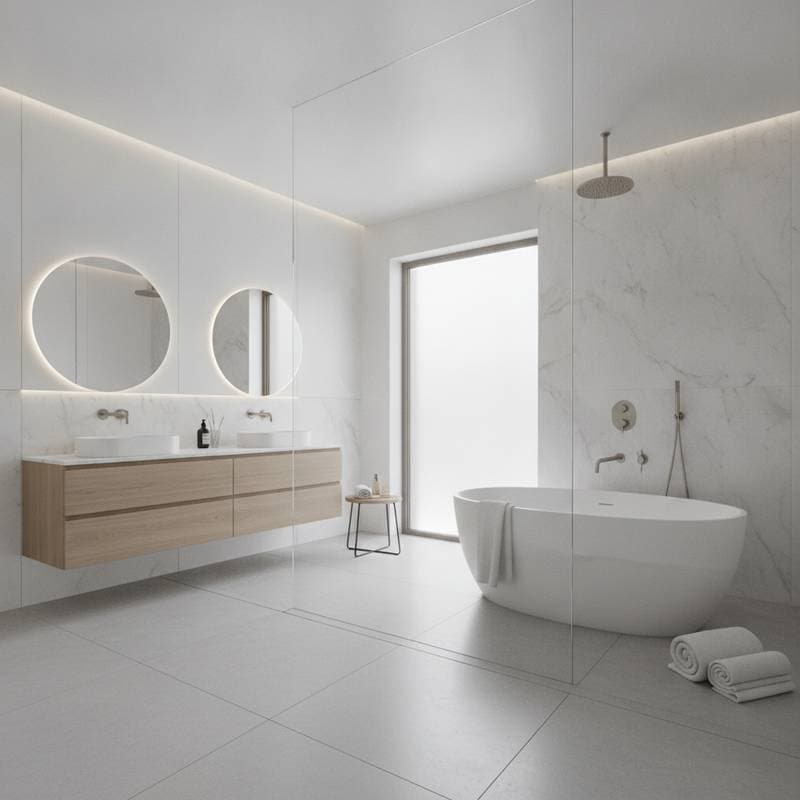
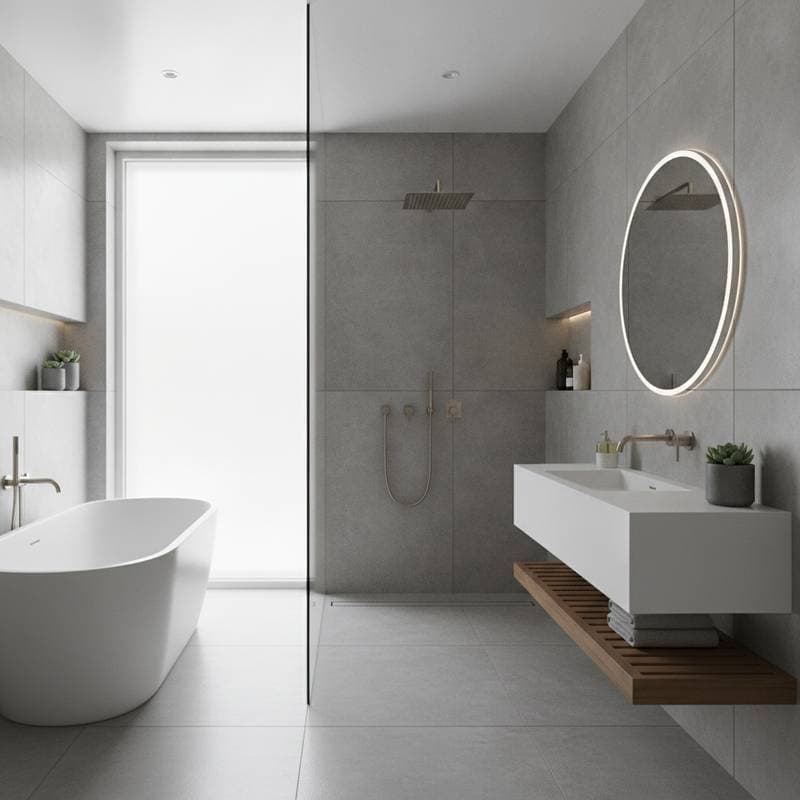
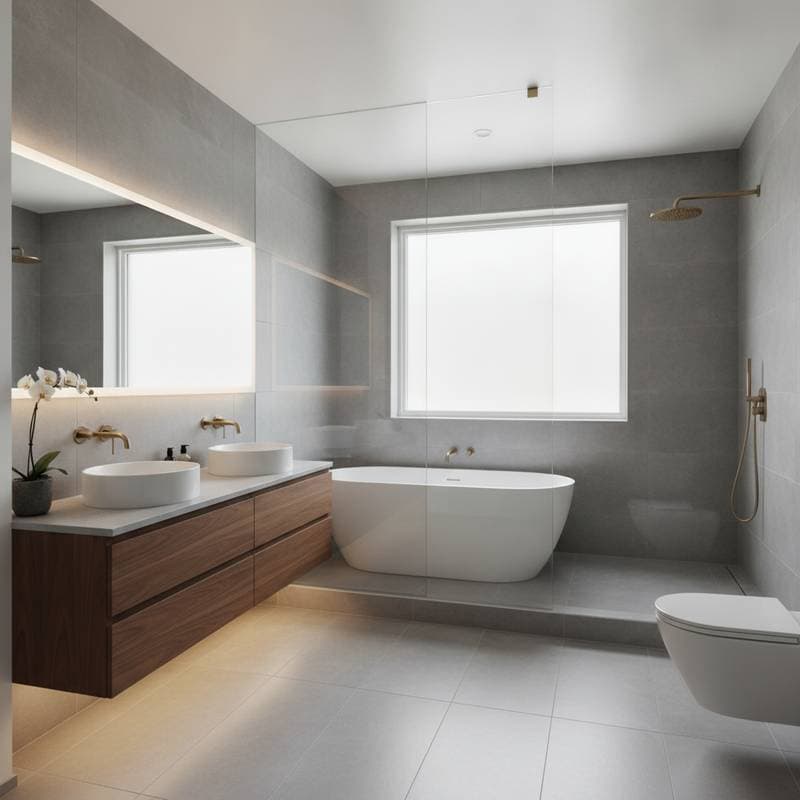
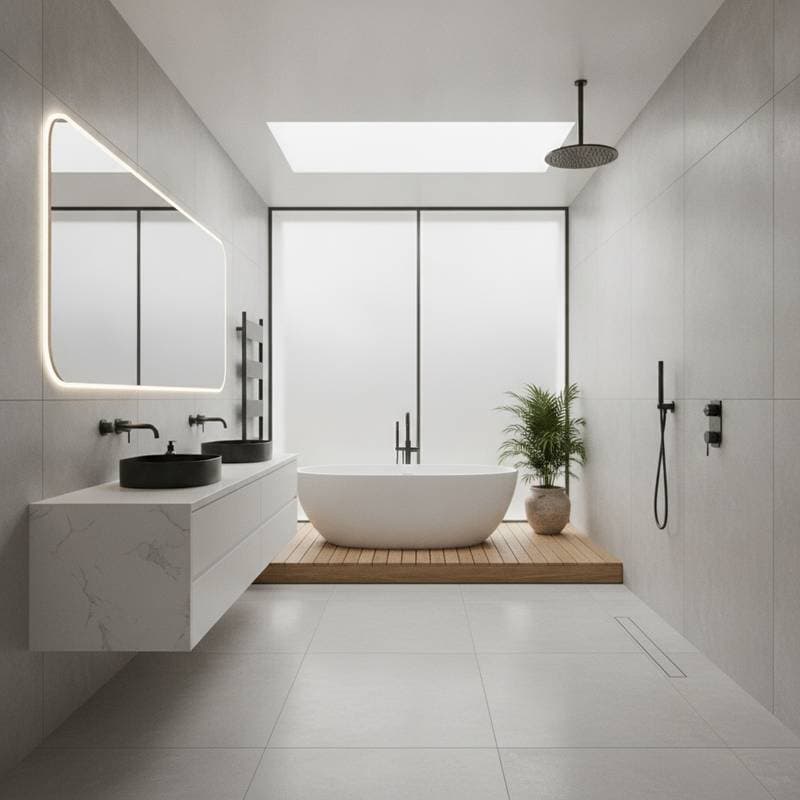
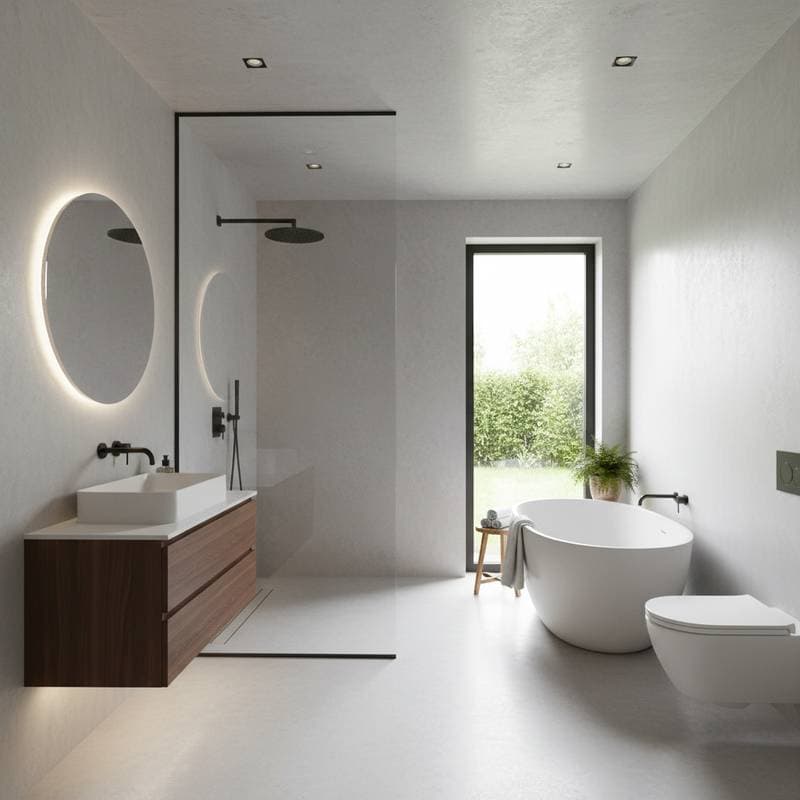
Wet rooms create fully waterproofed bathrooms that feature open shower zones without curbs and with integrated floor drainage. Home buyers increasingly select properties with these designs in both new construction and renovations. Properties equipped with quality wet rooms command an average 11 percent price premium by 2026. The layout supports modern preferences for accessibility and reduced maintenance.
Homeowners who plan to age in place, manage family households, or update older bathrooms find these spaces particularly practical.
Advantages and Tradeoffs
Advantages
- Raises resale value through contemporary accessible design
- Reduces cleaning time with minimal joints and no thresholds
- Supports users of every age and mobility level
- Creates open sight lines and adaptable floor plans
- Lowers mold risk through complete waterproofing
Tradeoffs
- Involves greater initial expense than basic shower swaps
- Demands exact waterproofing to prevent leaks
- May feel cool without added floor heating
- Benefits from professional input for drainage accuracy
- Reduces privacy in completely open configurations
Professional Installation versus DIY
Wet room construction requires precise slope creation, continuous waterproof membranes, and accurate tile setting. Only experienced remodelers should attempt the work themselves.
Difficulty level: High
Timeline: Five to ten days when completed by professionals
Required tools: Tile saw, membrane roller, notched trowels, linear drain assembly, laser level
Primary risk: Hidden water damage from improper slope or sealing
Engage a licensed contractor when:
- The subfloor must be altered for drainage
- Full waterproof membranes and vapor barriers are necessary
- Local permits and inspections apply
- Electric floor heating or new plumbing lines are included
A qualified contractor verifies slope accuracy, membrane integrity, and code compliance.
Expected Lifespan and Routine Care
A correctly constructed wet room performs for 20 to 30 years with limited repairs. Consistent upkeep preserves both function and appearance.
Recommended maintenance schedule:
- Wipe surfaces weekly using a pH-neutral cleaner
- Examine grout and sealant joints twice each year
- Clear drain covers of hair and debris monthly
- Replace damaged seals or tiles at the first sign of wear
Many waterproofing membranes include 10- to 20-year warranties when installed by certified professionals. Local building codes typically mandate vapor barriers and approved drain systems.
Regional Considerations
Cold climates gain comfort from radiant floor heating that reduces chill and condensation. Coastal or humid areas require strong ventilation and mold-resistant materials. Some municipalities mandate secondary drains or pre-tile waterproof inspections. Urban labor rates in high-cost regions can increase project expense by 20 to 40 percent, while rural markets may have fewer installers experienced with membrane systems. Specify products that meet ANSI A118.10 standards for reliable wet-area performance.
Essential Safety Measures
Confirm continuous membrane coverage beneath all tile and up wall surfaces. Use only damp- or wet-rated electrical components. Select floor finishes with a minimum DCOF rating of 0.42 for slip resistance. Ensure solid subfloor support for large-format tile or stone. Obtain required plumbing and waterproofing permits before work begins. Overlooking these steps can lead to water damage, mold growth, and expensive remediation.
Common Questions
What distinguishes a wet room from a curbless shower?
A wet room waterproofs the entire floor and walls, whereas a curbless shower treats only the shower zone. Wet rooms therefore manage moisture across the full space.
Can a wet room be built on an upper floor?
Yes, provided the subfloor receives extra reinforcement and waterproofing remains meticulous. Lightweight backer boards help control added load.
How is water kept away from the vanity and toilet?
Partial glass screens combined with proper floor slope direct water toward the drain and contain splash.
Is specialized ventilation required?
An exhaust fan rated for continuous operation removes moisture and prevents mildew.
Which flooring materials perform best?
Porcelain tile, waterproof vinyl, and sealed microcement resist humidity. Wood and laminate should be avoided because they swell when exposed to moisture.
Next Steps for Your Project
Converting a tub to a wet room updates the bathroom, improves daily accessibility, and supports stronger resale value. Begin by confirming local code requirements, selecting a qualified installer experienced with waterproofing systems, and obtaining three detailed bids that compare membrane options, drainage design, and finish materials.