Wet Rooms Boost Home Value by 11 Percent in 2026
Buyers pay up to 11 percent more for homes that include wet rooms. These spaces combine modern style with practical accessibility features. They also reduce long term maintenance needs compared with traditional bathrooms.
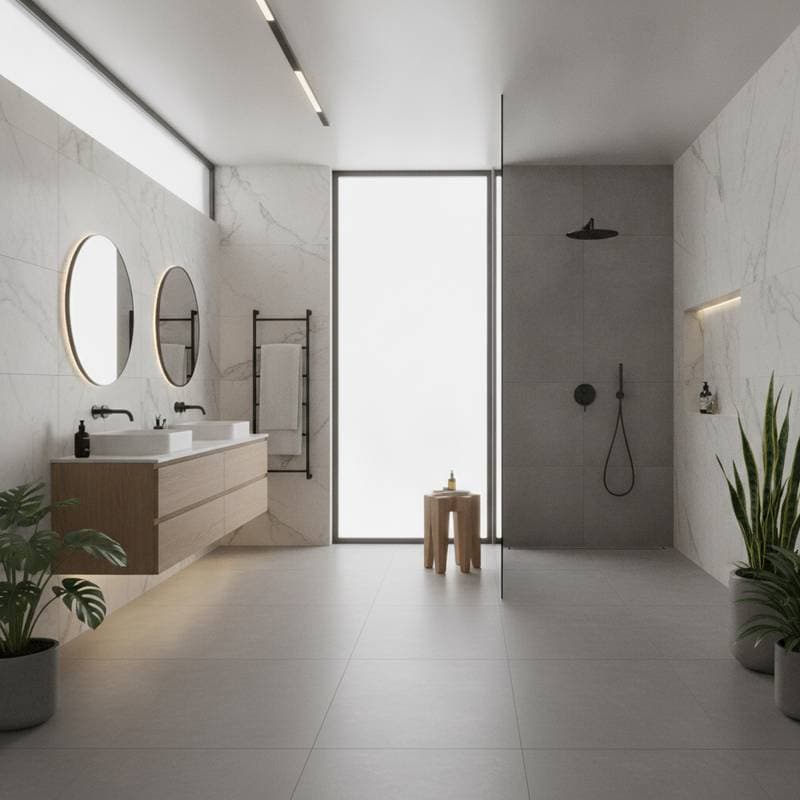
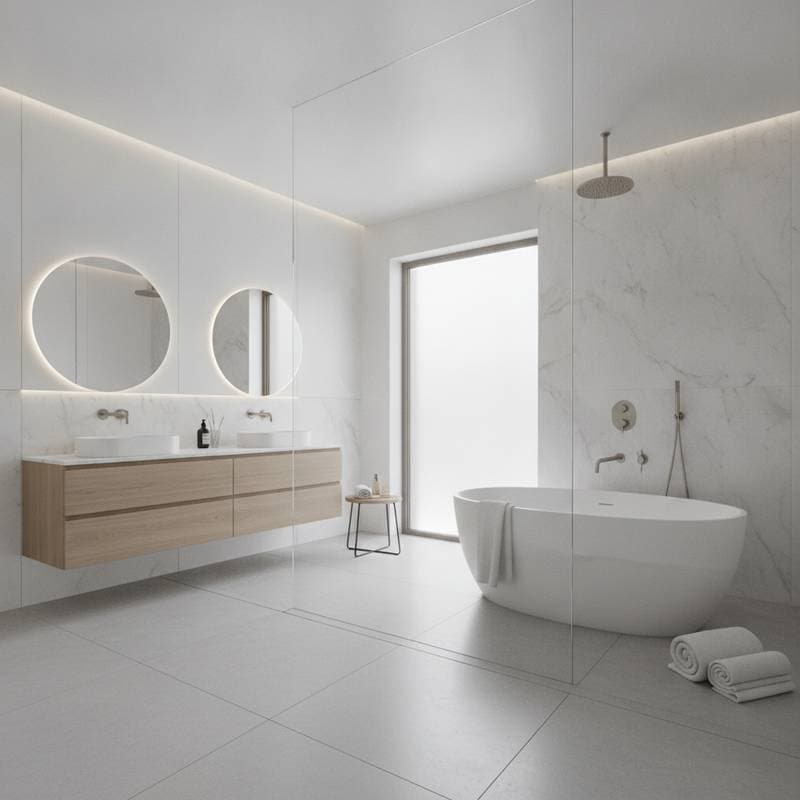
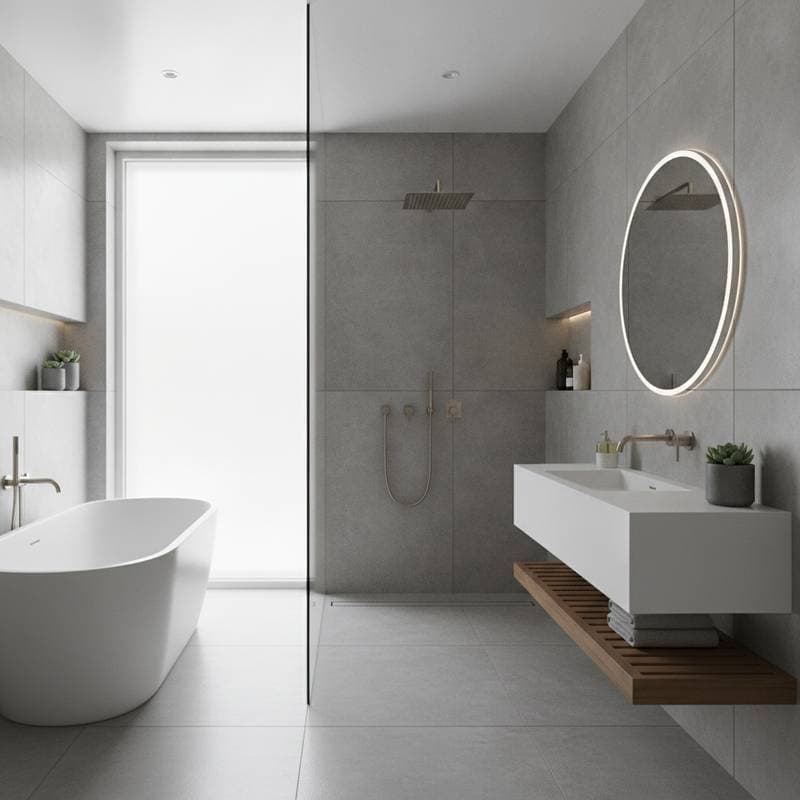
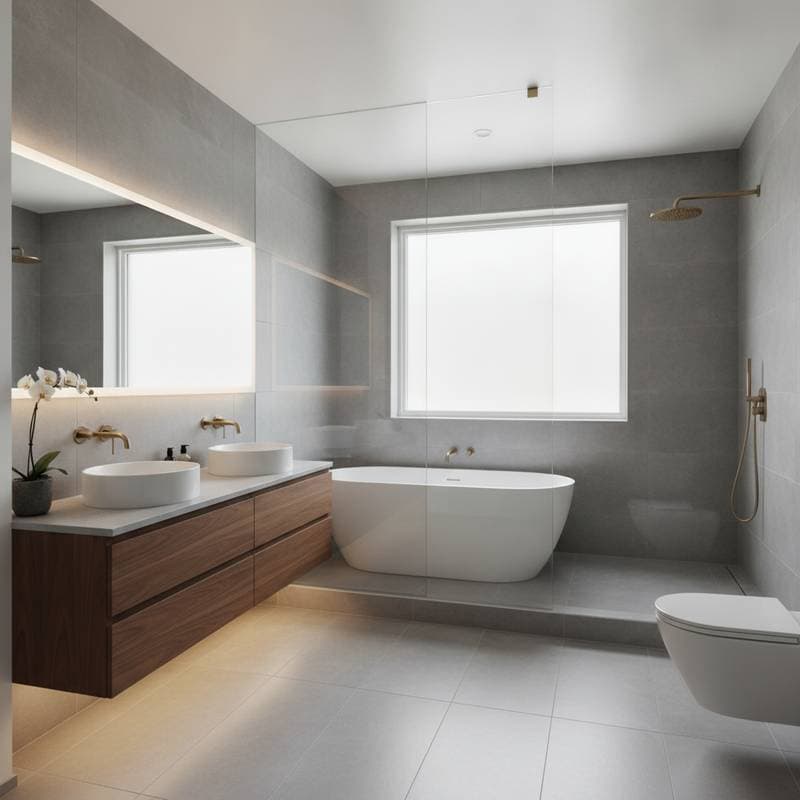
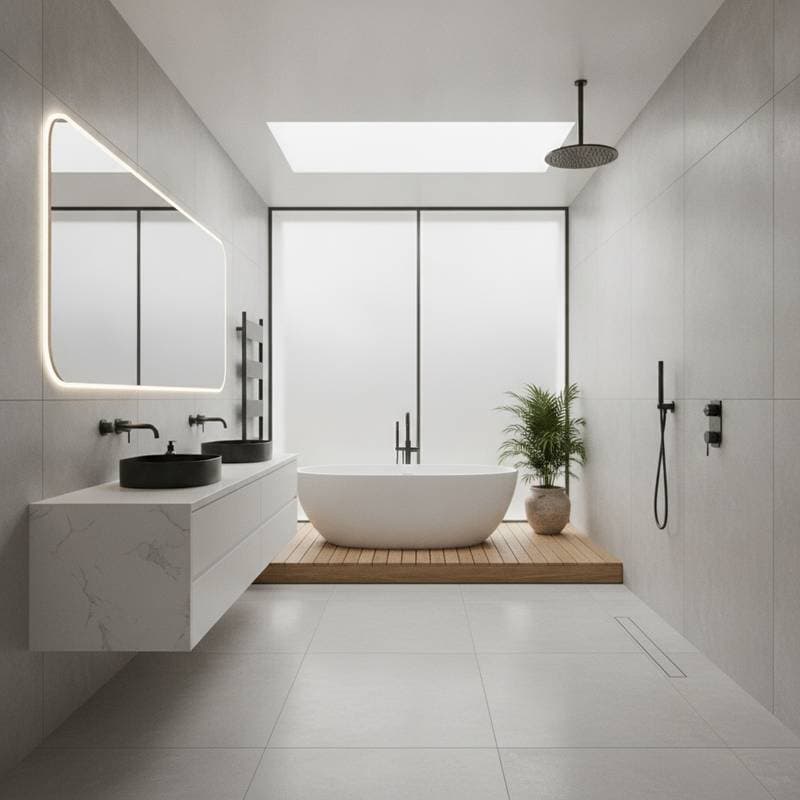
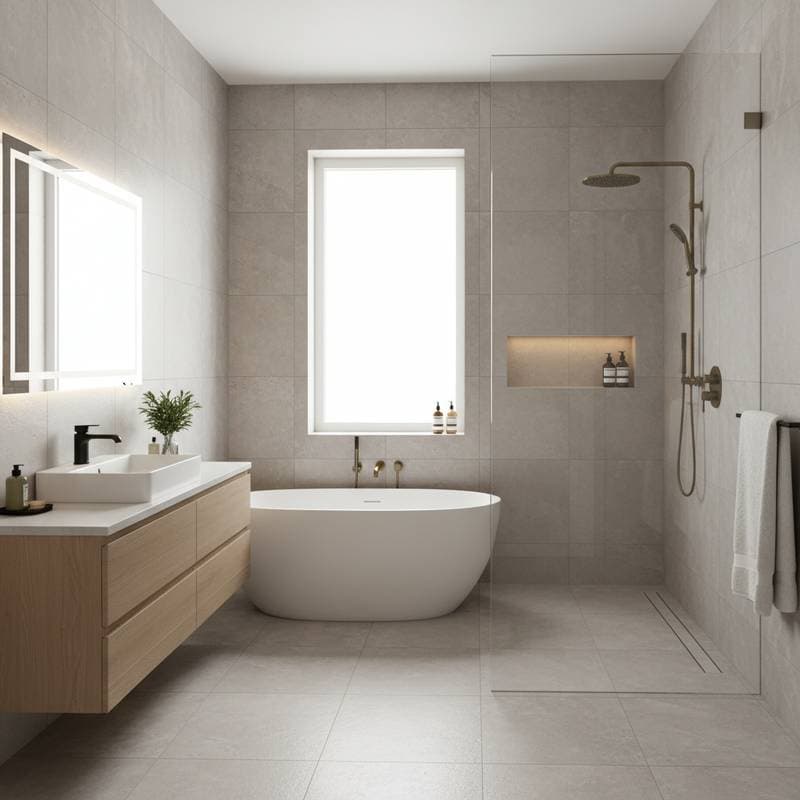
A wet room consists of a fully waterproofed area with a curbless shower. The floor slopes gently toward a drain so water flows away without barriers. This layout creates an open feel that suits both small and large bathrooms.
Planning Your Wet Room Remodel
Careful preparation prevents leaks and drainage issues. Begin by evaluating the existing space and structural conditions. Then select materials that support both safety and visual appeal.
Assess the bathroom layout
Measure the floor area and note any fixtures that must remain in place. Compact rooms may require a partial wet zone separated by a glass panel. Proper slope calculations remain essential in every configuration.
Inspect the subfloor
Confirm that the base can support tile and waterproof layers. Concrete provides the most stable surface. Wood subfloors often need additional reinforcement or a preformed base to avoid flexing.
Design drainage and waterproofing
Choose a linear or center drain and create a consistent slope of at least one eighth inch per foot. Apply a full floor membrane system that extends six inches up the walls. This approach protects the entire room rather than only the shower zone.
Select appropriate tile and ventilation
Use matte or textured porcelain rated for wet areas to reduce slip risk. Install a high capacity exhaust fan to manage moisture and protect surrounding surfaces. Wall mounted fixtures and recessed storage keep the space open and simple to clean.
Project Timeline and Preparation
A complete conversion typically requires two to four weeks. Demolition and waterproofing stages take the longest. Experienced crews finish faster and produce fewer errors than most do it yourself efforts.
Recommended Tools and Materials
- Tile saw and notched trowels
- Level and slope gauge
- Waterproofing roller or brush
- Linear or center drain assembly
- Slip resistant floor tile
- Silicone sealant and exhaust fan
Purchase extra tile from the same lot to allow for future repairs. Color variations between batches can become visible after installation.
Buyer Preferences and Return on Investment
Updated bathrooms rank high on buyer checklists because they photograph well and require less upkeep. Wet rooms enlarge the appearance of compact spaces and support aging in place goals. Real estate professionals report returns between 70 and 80 percent on well executed projects.
Demand remains strongest in urban markets where space is limited and accessibility matters. Both luxury condominiums and renovated single family homes now treat curbless showers as standard features.
Precision Details That Improve Results
Maintain accurate floor slope throughout the installation. Extend the waterproof membrane well above the finished floor height. Plan recessed niches and wet rated lighting before tile work begins. These choices enhance daily comfort without compromising the clean aesthetic.
Moving Forward with Installation
Consult a licensed contractor to review code requirements and obtain accurate pricing. Secure permits early and schedule inspections to avoid delays. A properly built wet room delivers lasting style, safety, and added resale strength.