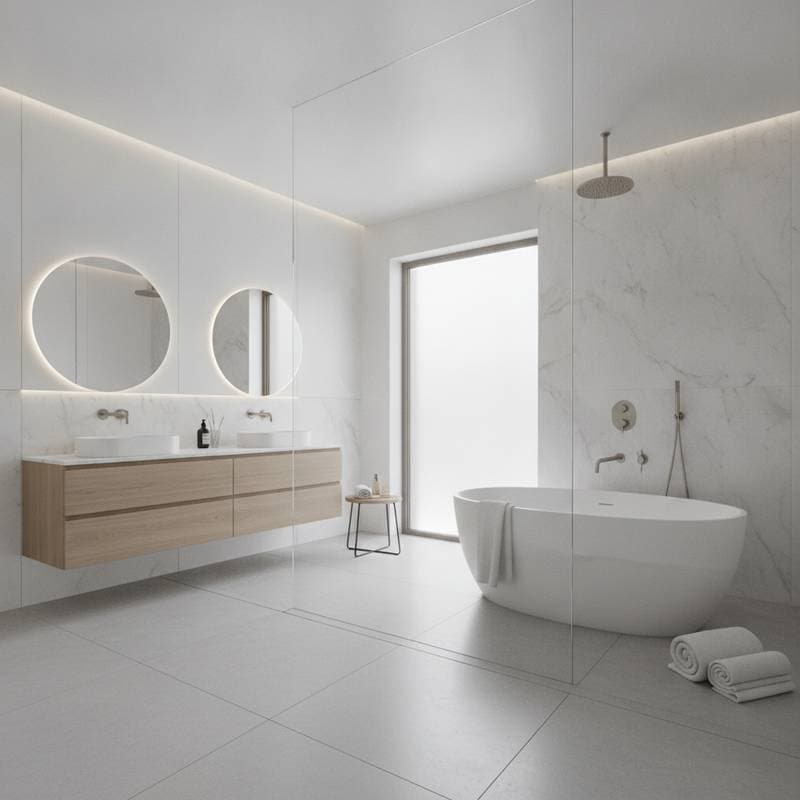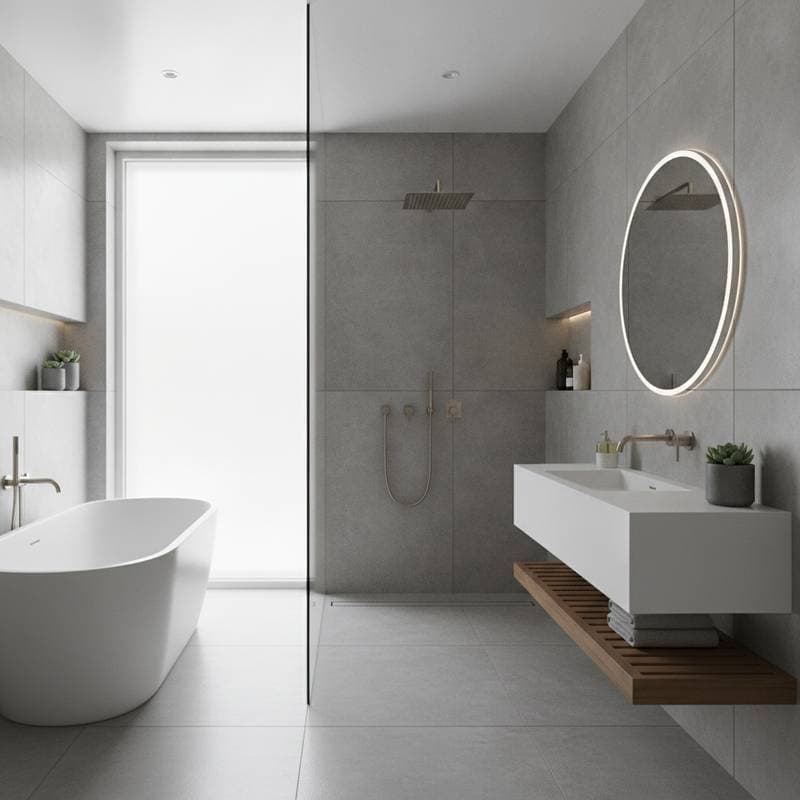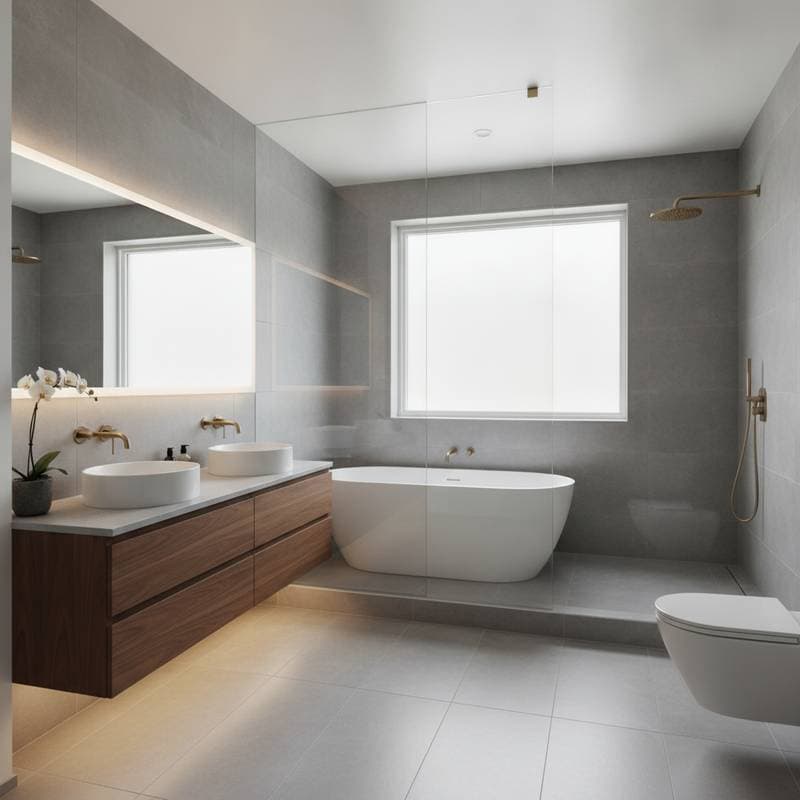
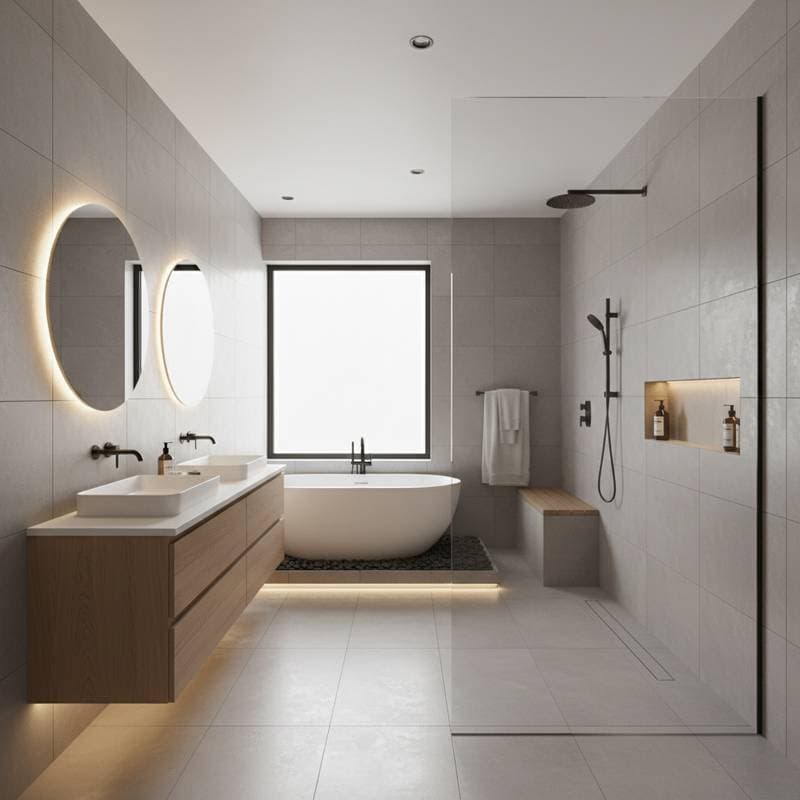
Understanding Wet Rooms and Their Value
Wet rooms represent a shift toward open, waterproof bathroom designs that eliminate traditional barriers like shower curbs. These spaces integrate the entire floor into a seamless, sloped area that drains efficiently, promoting accessibility and a spa-like atmosphere. Homeowners who install wet rooms often see a significant return on investment, with projections indicating an 11 percent increase in property value by 2026, driven by demand for low-maintenance, inclusive features.
This upgrade appeals to a broad audience, from families seeking safety to aging-in-place residents desiring independence. Beyond aesthetics, wet rooms reduce slip risks and simplify cleaning, making them a practical choice for long-term home enjoyment. As real estate trends favor adaptable spaces, investing in a wet room positions your property ahead of the market.
Cost Breakdown for Wet Room Installation
Budgeting accurately ensures a smooth project. Costs vary based on materials, labor, and any structural changes required. Expect to allocate funds across key components, with totals typically ranging from $14,000 to $25,000 for a standard conversion.
- Tile and Finishes: Porcelain tiles range from $4 to $12 per square foot, offering durability and water resistance. Natural stone options climb to $20 per square foot for a luxurious texture. Opt for smaller mosaic tiles on floors to enhance grip, though they increase installation time.
- Glass and Fixtures: Frameless glass panels cost $900 to $2,000, providing an unobstructed view. Linear drains, essential for even water flow, price at $400 to $800 based on material finishes like stainless steel or brass.
- Plumbing Adjustments: Relocating drain lines or valves adds $800 to $2,500, particularly in older homes where tubs sit off-center. Professional plumbers assess feasibility during initial consultations.
- Permits and Inspections: Set aside $200 to $600 for local permits, which vary by municipality and ensure code compliance.
- Demolition and Disposal: Removing the existing tub, tiles, and subfloor incurs $600 to $1,200. This phase reveals potential issues like leaks.
Add 10 to 15 percent to your total for unforeseen repairs, such as addressing water damage or reinforcing framing after demolition. Early site inspections help identify these risks and refine estimates.
Budget Options and Implementation Steps
Tailor your wet room to fit financial parameters while meeting functional needs. Three tiers—basic, midrange, and premium—cater to different priorities, from affordability to opulence.
Basic Conversion: $14,000 to $17,000
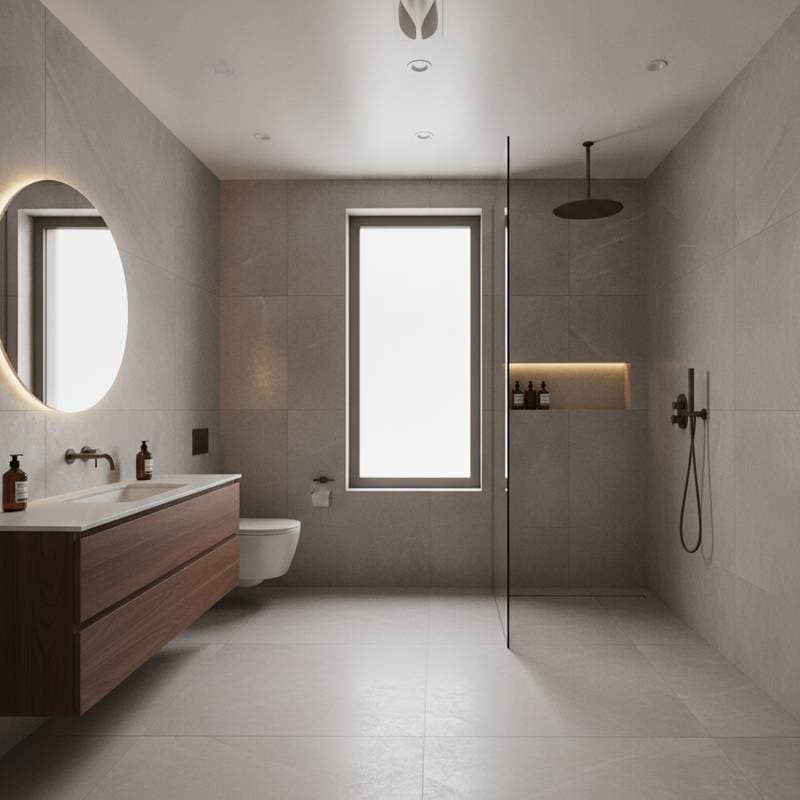
This approach minimizes disruptions by preserving existing plumbing. Large-format porcelain tiles speed up the process and reduce grout lines. A single glass partition suffices for separation, paired with a straightforward linear drain and fixtures in matte black or brushed nickel.
Waterproofing relies on a reliable roll-on membrane. This option suits smaller guest bathrooms or projects focused on cost efficiency without sacrificing core benefits.
Midrange Upgrade: $18,000 to $23,000
Reposition the drain centrally to achieve a uniform slope, enhancing water management. Incorporate underfloor heating for added luxury and comfort during cooler months. Built-in benches and inset shelving maximize utility and storage.
Select mid-grade porcelain or ceramic tiles, accented by mosaic details on the floor for traction. A full glass enclosure with slim framing completes the look. Ideal for primary bathrooms targeting resale value and daily usability.
Premium Build: $24,000 to $35,000 and Beyond
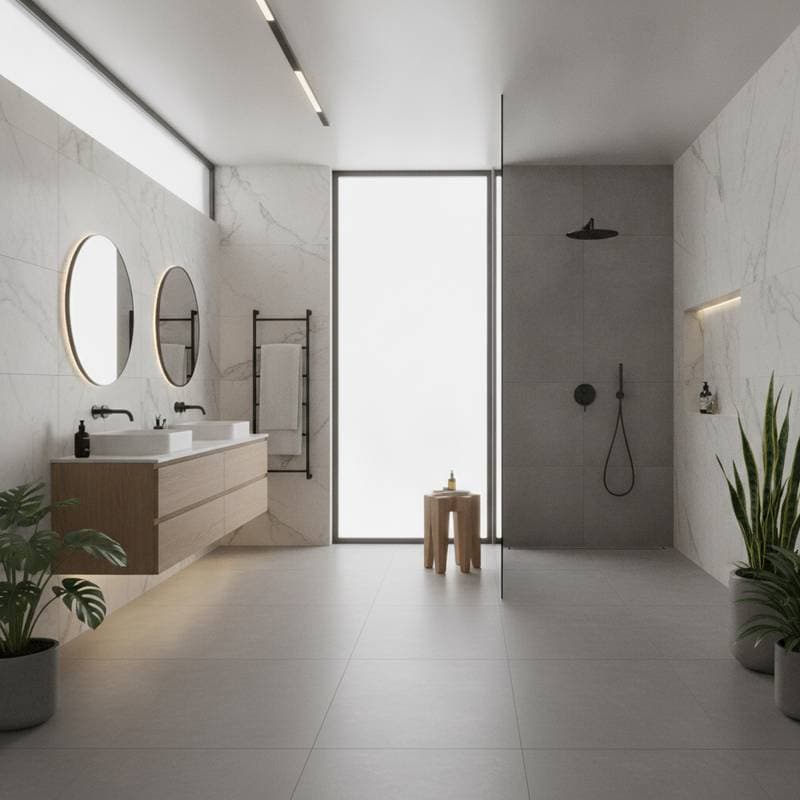
Elevate with natural stone or oversized porcelain slabs for a seamless, high-end finish. Integrate custom elements like LED lighting, thermostatic shower valves, and expansive rain heads. Smart features, such as automated ventilation and humidity controls, ensure optimal conditions.
Design for complete accessibility with curbless entries and flush thresholds. Employ advanced waterproofing systems backed by lifetime warranties. This level benefits luxury residences or properties intended for extended occupancy.
Project Timeline and Cost-Saving Strategies
Most wet room projects span 2 to 4 weeks, from initial teardown to final touches. Delays may arise from custom material sourcing, so plan accordingly to maintain momentum.
Standard Timeline
- Week 1: Handle demolition, adjust framing, and complete rough plumbing to prepare the space.
- Week 2: Apply waterproofing membranes and ready the subfloor for tiling.
- Week 3: Set tiles, apply grout, and install glass elements for a watertight seal.
- Week 4: Fit fixtures, conduct thorough cleaning, and pass inspections.
To optimize expenses, select readily available tile dimensions to bypass extended wait times. Bundle the wet room with complementary bathroom renovations to consolidate permits and labor costs. Retain original plumbing where viable, and inquire about incentives for installing low-flow fixtures that conserve water.
Secure materials in advance and verify quantities to avoid interruptions. These steps keep the project on track and within budget, delivering results efficiently.
Evaluating Repairs Versus Full Replacement
Determine if a wet room justifies the investment by inspecting your current setup. Repairs prove viable for minor issues, but replacement excels for comprehensive improvements.
Consider a full conversion when the tub shows chips, rust, or persistent grime buildup. Cramped layouts or safety hazards, like high steps, also signal the need for change. Prioritize this if planning to remain in the home long-term or accommodating varied mobility levels. Visible mold or concealed water damage further supports renovation.
A shower insert offers a budget-friendly interim solution at $4,000 to $8,000, assuming the structure remains intact. However, wet rooms yield superior longevity and market advantages, outpacing basic updates in return potential.
Essential Design Principles and Material Selection
Effective wet rooms balance utility with visual appeal, starting with robust waterproofing and intuitive layouts. Prioritize elements that support daily routines while enhancing the overall ambiance.
Core Design Considerations
- Maintain a steady slope of at least 1/4 inch per foot toward the drain to prevent pooling.
- Select slip-resistant flooring certified for wet environments to minimize accidents.
- Employ light-toned palettes to amplify natural illumination and expand perceived space.
- Incorporate a handheld showerhead for versatile use in bathing and maintenance tasks.
- Integrate niches or recessed ledges to organize essentials without clutter.
Material Comparisons
| Material | Pros | Cons |
|---|---|---|
| Porcelain Tile | Highly durable, simple to maintain, moisture-proof | May feel chilly absent radiant heating |
| Stone Tile | Authentic aesthetic, elevates perceived worth | Needs periodic sealing, adds weight |
| Acrylic Panels | Quick to install, minimal upkeep | Diminishes premium appeal |
| Large-Format Slabs | Fewer seams, contemporary vibe | Elevated upfront expense |
Combine materials thoughtfully, ensuring uninterrupted waterproof layers. Floor mosaics not only boost safety but also guide water flow effectively.
Current Market Dynamics and Long-Term Benefits
Modern buyers prioritize bathrooms that offer openness, ease of access, and straightforward care. Wet rooms align perfectly, accelerating sales and broadening buyer interest to include retirees and extended families.
The anticipated 11 percent value uplift stems from immediate desirability and diminished need for future overhauls. These installations endure stylistic shifts, unlike conventional tubs that quickly appear outdated. In challenging markets, properties featuring such adaptations hold steady pricing with greater resilience.
Achieve maximum impact through deliberate execution: uniform materials, strategic illumination, and expert waterproofing convey superior craftsmanship to appraisers and prospects alike.
Steps to Launch Your Wet Room Project
Embark on this enhancement by consulting certified contractors experienced in waterproof installations. Gather quotes from multiple sources, emphasizing portfolios of completed wet rooms. Finalize designs that reflect your lifestyle, then secure financing if needed to cover the investment.
Monitor progress closely, adhering to the timeline while addressing any discoveries promptly. Upon completion, enjoy a transformed space that not only elevates daily comfort but also secures your home's future market position.