Understanding Wet Rooms and Their Impact on Home Value
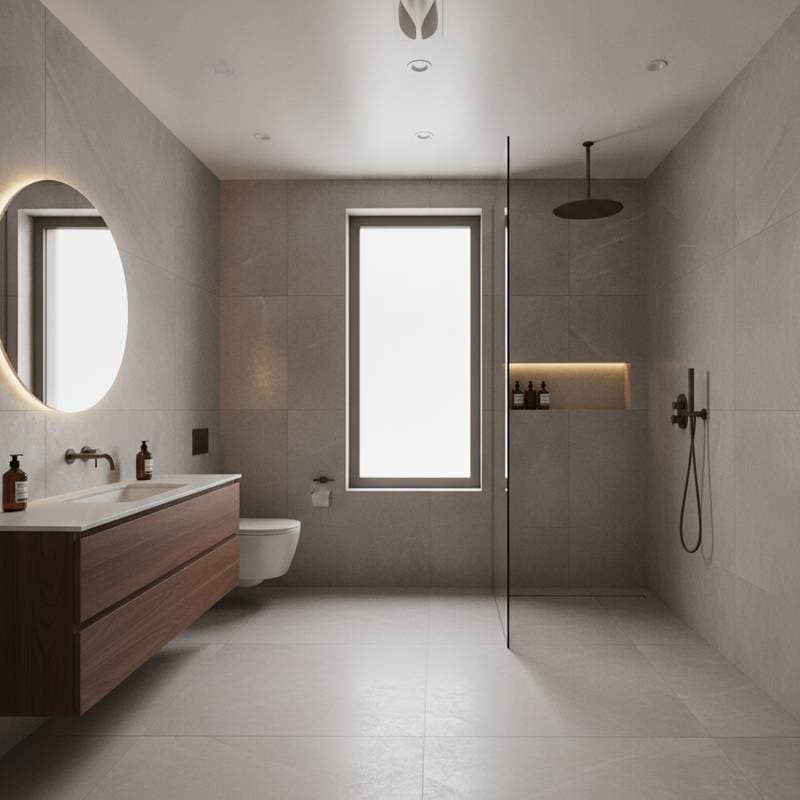
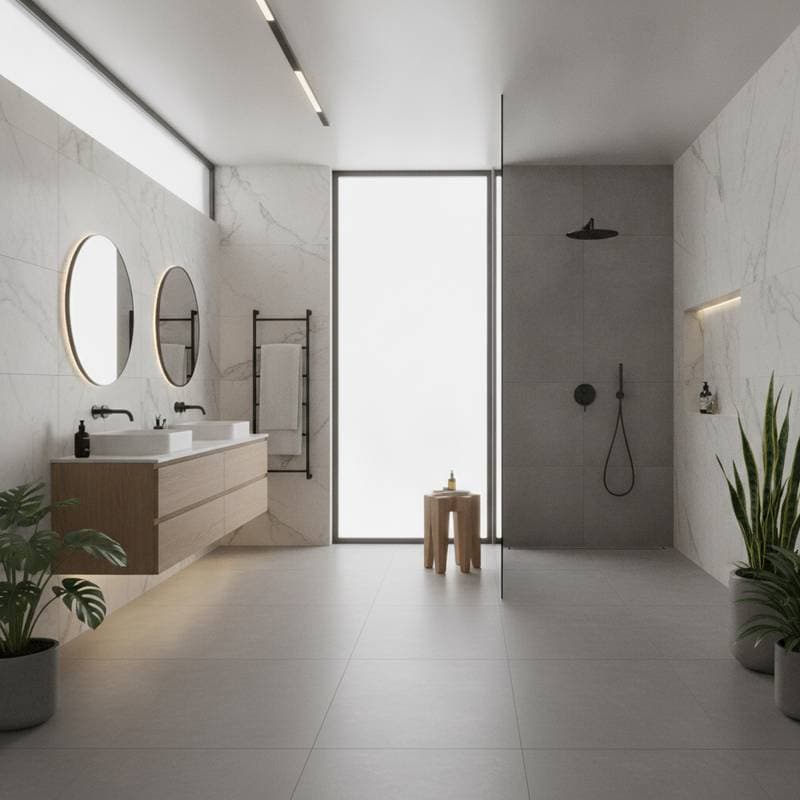
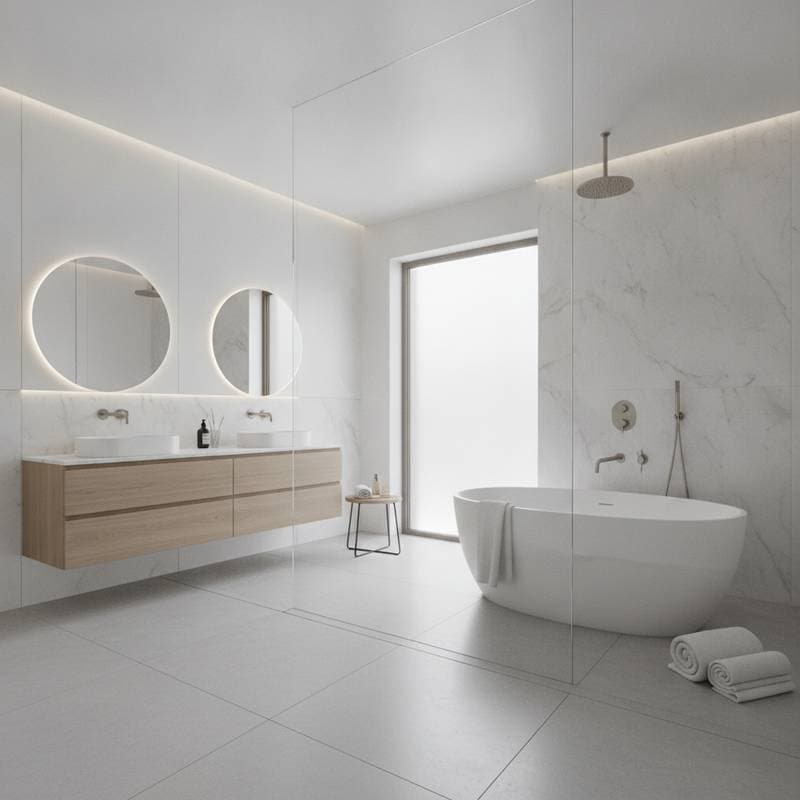
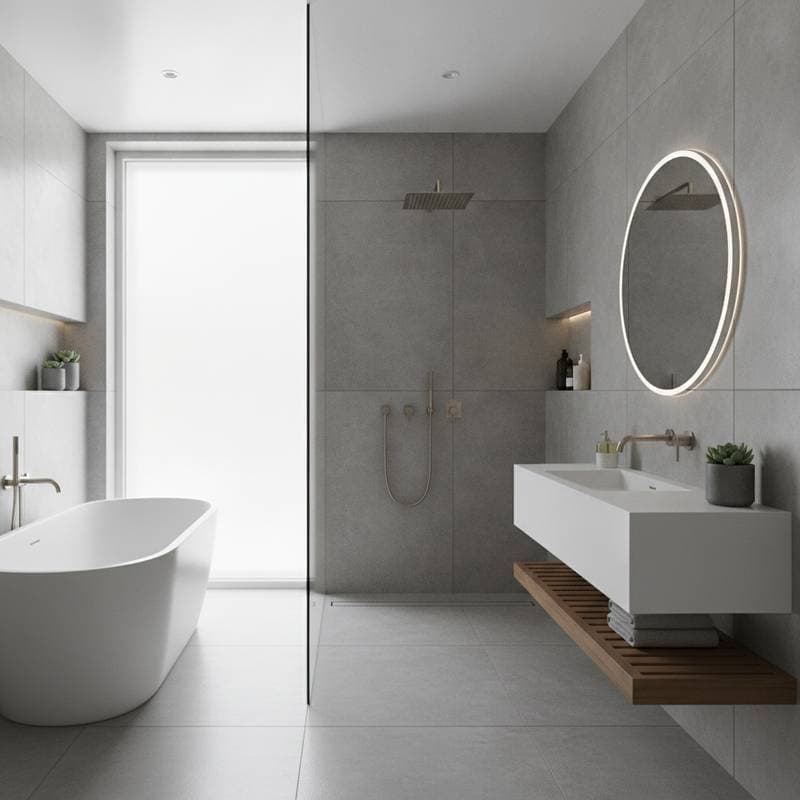
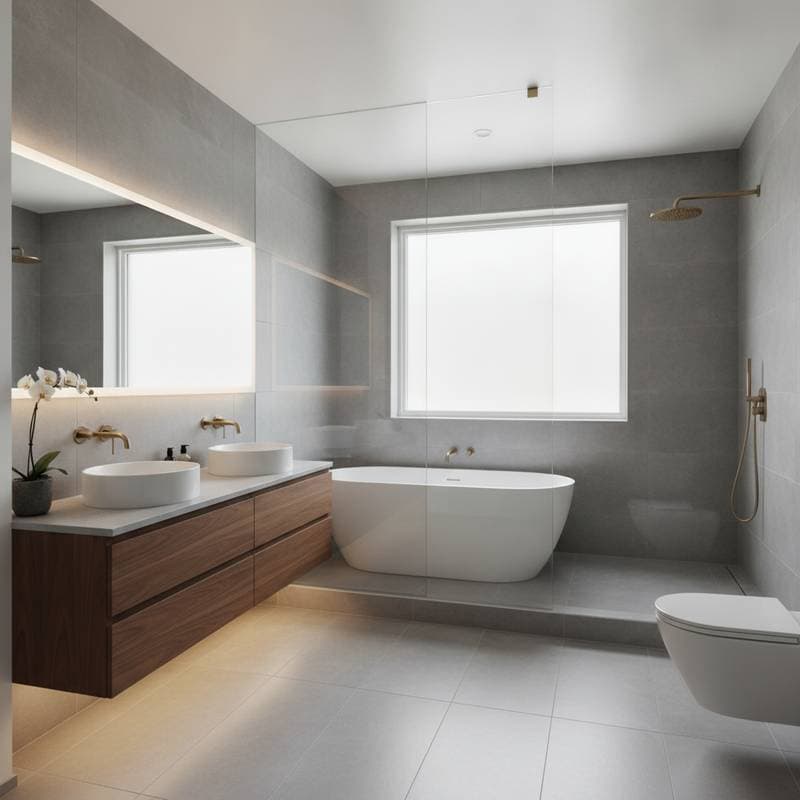
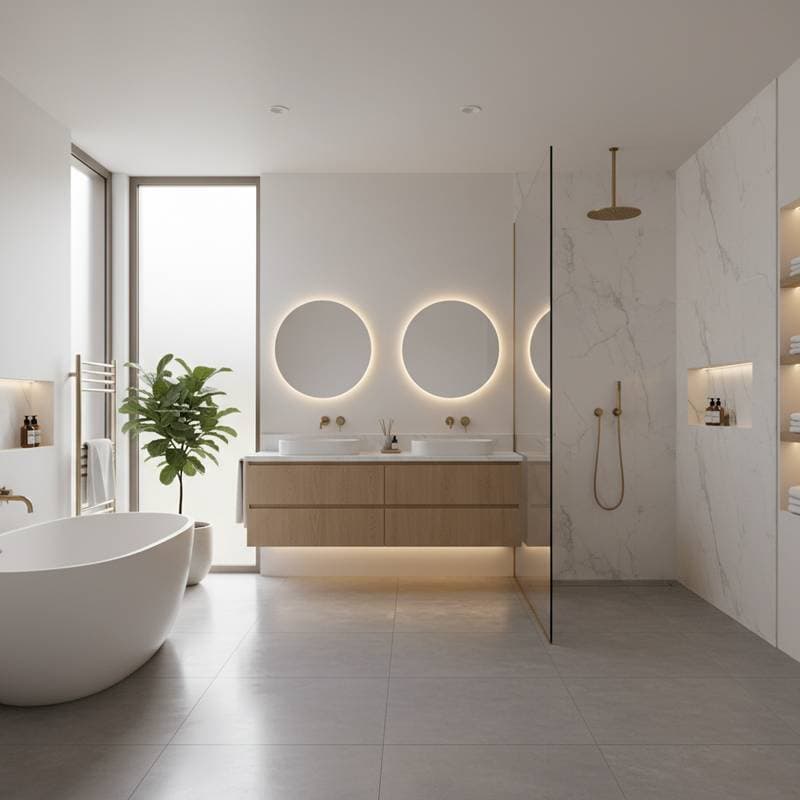
Wet rooms emerge as a key trend in residential design, projected to elevate property values by 11 percent by 2026. These fully waterproof bathrooms feature a seamless, level floor without traditional shower enclosures, allowing water to flow directly to an integrated drain. This design not only creates a spa-like atmosphere but also enhances functionality and appeal for potential buyers seeking modern, efficient living spaces.
The value boost stems from several advantages. Buyers increasingly prioritize bathrooms that offer durability, ease of cleaning, and universal accessibility, which wet rooms deliver effectively. As real estate markets evolve, properties with such upgrades stand out, often commanding higher offers and faster sales.
Essential Steps to Design and Build a Wet Room
Creating a wet room requires careful planning to ensure waterproof integrity and aesthetic harmony. Begin by evaluating the existing space, including plumbing access and floor structure, to identify any modifications needed. Professional consultation at this stage can prevent costly errors and align the project with local building regulations.
Follow these structured steps for a successful installation:
-
Develop the layout precisely. Position the drain centrally or along a wall to facilitate even water flow. Incorporate a subtle slope, typically one-quarter inch per foot, toward the drain while minimizing disruptions to existing plumbing lines to control expenses.
-
Apply comprehensive waterproofing. Install a complete tanking system beneath the flooring and up the lower walls, using liquid-applied membranes or sheet barriers. This multi-layer approach seals against moisture penetration, safeguarding the subfloor and adjacent areas from potential water damage.
-
Select appropriate flooring materials. Opt for textured porcelain tiles or honed natural stone to provide traction and durability. These choices resist wear from frequent water exposure and maintain safety, unlike polished surfaces that may become hazardous when wet.
-
Incorporate a linear drain system. Choose a sleek, channel-style drain that spans the width of the shower area for efficient water evacuation. Durable stainless steel options withstand corrosion and support high-volume flows, contributing to the room's longevity.
-
Fit frameless glass enclosures. Use tempered glass panels with minimal hardware to contain water splashes without compromising the open, airy feel. Ensure panels reach full height and seal tightly at edges for optimal performance.
-
Ensure adequate ventilation. Install a high-capacity exhaust fan connected to exterior ducting to remove humidity promptly. This prevents condensation, mold growth, and structural deterioration, maintaining indoor air quality.
-
Finish with full-height tiling. Extend tiles from floor to ceiling on all relevant walls to create a cohesive, protective barrier. This technique simplifies cleaning and imparts a premium, uninterrupted visual effect.
Detailed Cost Analysis
Budgeting for a wet room renovation involves accounting for materials, labor, and unforeseen adjustments. Costs fluctuate based on project scope, regional labor rates, and material quality, but understanding key components aids in financial planning.
| Task | Typical Cost Range | Factors Influencing Price |
|---|---|---|
| Design and planning | $300 - $800 | Layout complexity and required modifications |
| Waterproofing system | $800 - $1,500 | Membrane type, coverage area, and application method |
| Drain and plumbing | $600 - $1,200 | Extent of pipe relocation and slope engineering |
| Tile and labor | $2,000 - $6,000 | Tile variety, installation intricacy, and surface preparation |
| Glass panel or screen | $400 - $1,000 | Dimensions, customization, and framing options |
| Ventilation upgrade | $300 - $700 | Fan capacity, ductwork length, and integration |
The overall investment typically ranges from $4,000 to $10,000 for a standard bathroom conversion. Larger spaces or premium finishes may push costs higher, while efficient planning can keep expenses within the lower end.
Deciding Between DIY and Professional Installation
Homeowners with relevant skills may consider a DIY approach for smaller projects, but professional expertise often proves essential for reliability.
Consider DIY installation when:
- You possess proven experience in tiling, plumbing, and waterproofing techniques.
- The bathroom layout remains unchanged, with existing plumbing in optimal positions.
- The space measures under 50 square feet, allowing manageable scope.
Opt for professional services when:
- Structural changes, such as drain relocation or floor leveling, are necessary.
- You seek a manufacturer-backed warranty on waterproofing and materials.
- The home features multiple levels, where leaks could lead to extensive repairs.
Professionals guarantee precise slope calculations, robust sealing, and adherence to codes, which many insurers mandate for coverage. This investment reduces long-term risks and enhances the project's value.
Adapting Wet Rooms to Regional Conditions
Wet rooms offer versatility across diverse environments, but tailoring materials and features to local climates ensures optimal performance.
-
In colder regions: Integrate electric underfloor heating mats beneath the tiles to warm surfaces and accelerate post-shower drying. This addition improves comfort and prevents slipperiness from cold condensation.
-
In humid areas: Equip with industrial-grade exhaust fans and anti-microbial grout formulations. These measures combat excess moisture, reducing the risk of mildew and maintaining hygiene.
-
In coastal zones: Select marine-grade stainless steel drains and fixtures resistant to salt corrosion. Reinforced membranes further protect against high humidity and occasional storm exposure.
Such adaptations not only extend the lifespan of the installation but also align with regional buyer expectations for resilient home features.
Calculating Return on Investment
The 11 percent appreciation in home value arises from wet rooms' multifaceted benefits, blending style with practicality. Market data indicates heightened demand for bathrooms that facilitate aging-in-place, such as barrier-free designs, alongside low-maintenance surfaces that appeal to busy households.
Functionally, these spaces resist wear and simplify upkeep, translating to fewer repairs and lower ongoing costs for new owners. Aesthetically, the minimalist layout evokes luxury, differentiating the property in competitive listings. For flippers or long-term owners, this upgrade can reduce market time by weeks and yield premiums exceeding installation costs.
Even in modest residences, a well-executed wet room elevates the entire home's perceived quality, making it a strategic enhancement for equity building.
Expert Recommendations for Optimal Results
Fine-tuning details elevates a wet room from functional to exceptional, ensuring it meets high standards.
-
Employ a pre-sloped shower pan for beginners to simplify gradient creation and avoid drainage issues.
-
Conduct a thorough water flow test post-waterproofing but pre-tiling to verify efficiency.
-
Maintain grout joints at one-eighth inch or less for a seamless, modern appearance.
-
Incorporate built-in niches or wall recesses for storage, preserving the clutter-free aesthetic.
-
Apply sealant to all joints and corners in two coats, allowing full cure times between applications for superior leak resistance.
Implementing these practices yields a durable, visually striking space that maximizes enjoyment and resale potential.
Frequently Asked Questions
Do wet rooms pose a higher risk of leaks? Proper installation with a robust membrane system minimizes leaks significantly. Routine maintenance, such as annual seal inspections, further ensures reliability under everyday conditions.
Is it feasible to convert any bathroom into a wet room? Most bathrooms qualify, provided the subfloor supports added weight and modifications. Challenges arise in older homes with uneven foundations, but reinforcements can address these.
How long does a wet room installation take? A standard project spans 5 to 10 days, depending on scope. Plumbing adjustments extend timelines, while pre-fabricated elements can accelerate completion.
What maintenance does a wet room require? Regular cleaning with mild, non-abrasive products suffices. Periodic grout resealing and drain clearing prevent buildup, keeping the space pristine with minimal effort.
Planning Your Wet Room Upgrade
Transforming a bathroom into a wet room demands thoughtful preparation to realize its full potential. Start by consulting local experts to assess feasibility and secure permits. With strategic design and quality execution, this investment not only enhances daily living but also positions your property for substantial future gains.