Why EV Chargers Boost Home Value by 2026
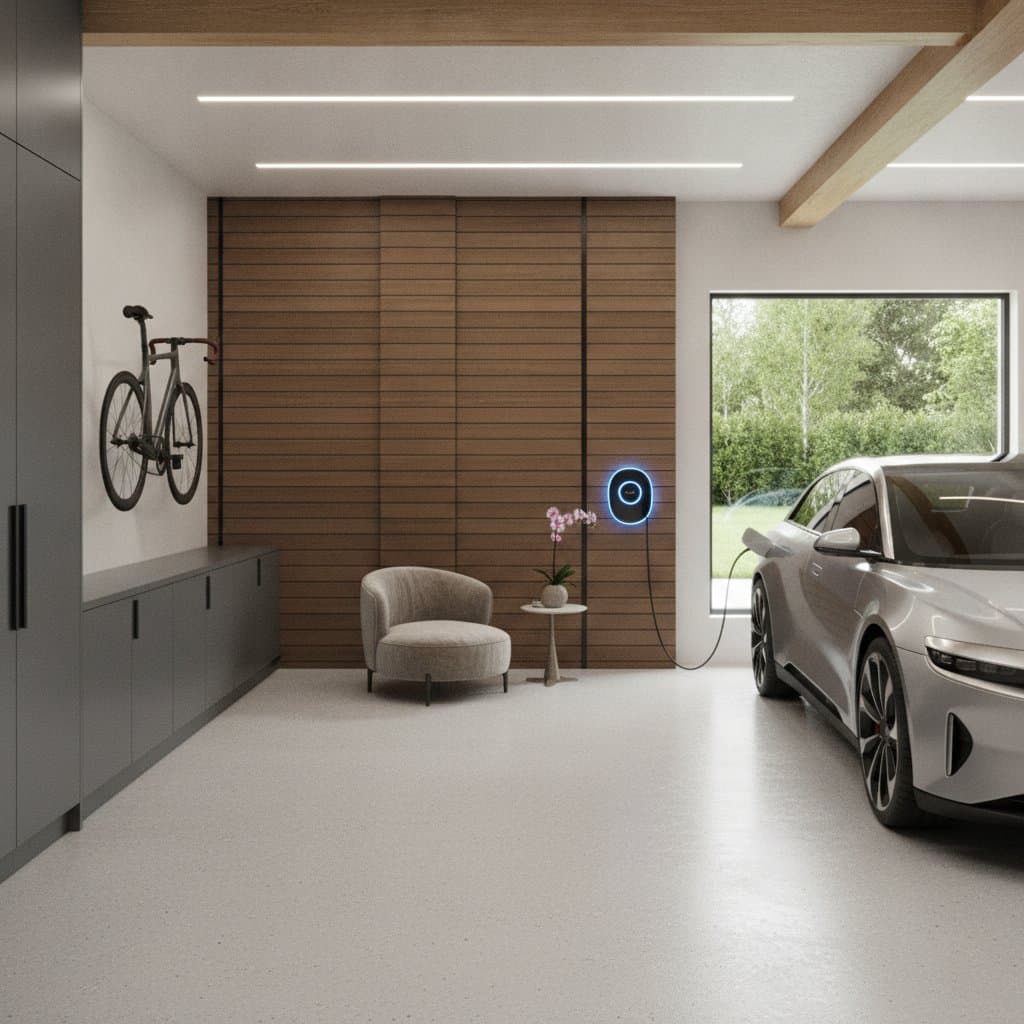
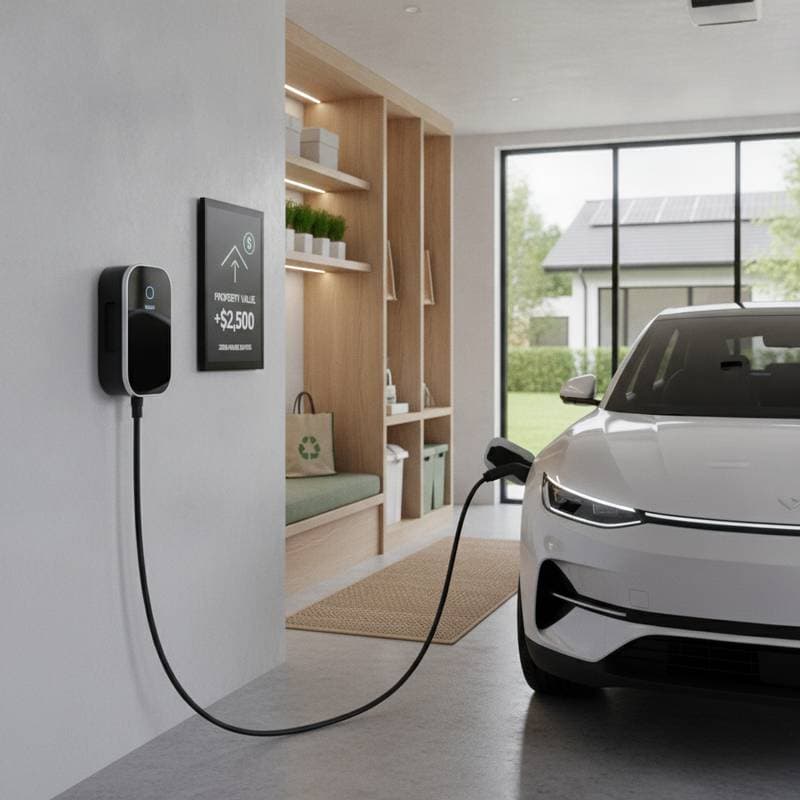
Homes equipped with a Level 2 EV charger often see a resale value increase of 4 to 7 percent. This upgrade goes beyond mere convenience; it positions the property as forward-thinking in an era of rising electric vehicle adoption. Buyers increasingly seek homes ready for sustainable living, which means properties with built-in charging capabilities sell more quickly and command premium prices.
The trend accelerates as EV sales grow. By 2026, experts predict that a significant portion of the housing market will favor energy-efficient features. Installing a charger now prepares your home for this shift, appealing to eco-conscious and tech-oriented purchasers while potentially yielding substantial returns on investment.
Key Cost Considerations
The expense of adding an EV charger varies based on several factors, including home layout, existing electrical infrastructure, and charger specifications. Understanding these elements helps in budgeting accurately and avoiding surprises.
- Charger Type
- Level 1 chargers connect to standard 120-volt outlets and typically come with the vehicle. They charge slowly, often overnight, and require no additional installation.
- Level 2 chargers demand a 240-volt dedicated circuit. While the initial outlay is higher, they deliver charging speeds up to 10 times faster, enhancing daily usability and boosting property appeal.
- Electrical Upgrades
- Panels unable to support the extra load may need reinforcement, costing between $600 and $1,200.
- Extending wiring to remote locations, such as a detached garage, can incur fees of $200 to $500 for longer conduit runs.
- Professional Labor and Permits
- Electricians bill $75 to $150 hourly for their expertise.
- Local permits, essential for code adherence, range from $50 to $250.
- Installation Accessories
- Indoor mounting remains straightforward and cost-effective.
- Outdoor setups require weatherproof enclosures and protective conduit, adding $100 to $300 to the total.
- Advanced Options
- Integrating smart features like Wi-Fi connectivity or energy management tools increases costs by $200 to $400. These enhancements enable remote monitoring and may qualify for utility rebates.
For older properties, allocate an additional 10 to 15 percent of the budget to address unforeseen electrical challenges or code updates. Total costs for a standard Level 2 installation generally fall between $1,000 and $2,800, including all components.
DIY Installation Versus Professional Services
Certain aspects of EV charger setup suit hands-on homeowners, but others demand expert intervention to ensure safety and reliability.
Suitable DIY Tasks
Homeowners comfortable with basic tools can manage:
- Securing the mounting bracket to a wall.
- Routing visible conduit, provided it aligns with pre-approved plans.
- Configuring Wi-Fi settings or mobile app integrations.
These steps minimize expenses while allowing personal involvement in the project.
Essential Professional Involvement
Engage a licensed electrician for complex work, such as:
- Installing a new 240-volt circuit from the main panel.
- Upgrading or expanding a full breaker panel.
- Positioning the charger in outdoor environments.
- Obtaining and fulfilling permit requirements.
Improper electrical work risks hazards like short circuits or fires, and it may invalidate manufacturer warranties. Professionals verify amperage compatibility with your vehicle and adhere to national and local standards. Installation fees typically range from $500 to $1,200, depending on project scope.
Ongoing Maintenance and Warranty Essentials
Level 2 EV chargers come with warranties spanning 3 to 5 years, covering defects in materials and workmanship. Retain all receipts, permits, and installation records to support claims and enhance resale documentation.
Daily and Monthly Upkeep
- Examine cables each month for signs of wear, such as cracks or discoloration from heat exposure.
- Wipe away accumulated dust or debris from ventilation openings using a soft, dry cloth.
- Ensure the wall mount stays secure and properly aligned to prevent strain on connections.
Strategies for Longevity
- Refrain from tightly coiling cables during warm weather to avoid insulation damage.
- Install a dedicated surge protector or integrate whole-home protection against power fluctuations.
- Position outdoor units in shaded areas to reduce exposure to intense sunlight and temperature extremes.
Early failures often stem from installation errors, such as overloaded circuits. Confirm that your setup meets manufacturer load specifications to maintain warranty validity.
Safety Protocols and Compliance Guide
Prioritizing safety during and after installation prevents accidents and ensures regulatory approval.
Before commencing any work:
- Disconnect power at the main breaker to eliminate shock risks.
- Install a dedicated 240-volt circuit with an appropriately sized breaker.
- Incorporate ground-fault circuit interrupter (GFCI) protection as mandated by local codes.
- Select outdoor-rated enclosures (NEMA 3R or equivalent) for weather resistance.
- Choose UL-certified chargers designed specifically for residential applications.
Position the unit away from combustible materials and maintain at least 18 inches of clearance from the garage floor, particularly in spaces shared with fuel-based vehicles. Regular inspections reinforce these measures, safeguarding your home and its occupants.
Planning Your Installation
-
Evaluate Electrical Capacity
Begin by inspecting your breaker panel for available slots and amperage headroom. If capacity is limited, plan an upgrade concurrently with the charger installation to avoid future disruptions. -
Solicit Multiple Quotes
Contact at least three licensed electricians to compare estimates. Focus on their inclusion of permits, post-installation testing, and extended support options. -
Explore Incentives
Research federal tax credits, state rebates, and utility programs that offset costs. Eligibility often depends on charger efficiency and installation standards.
Steps to Get Started
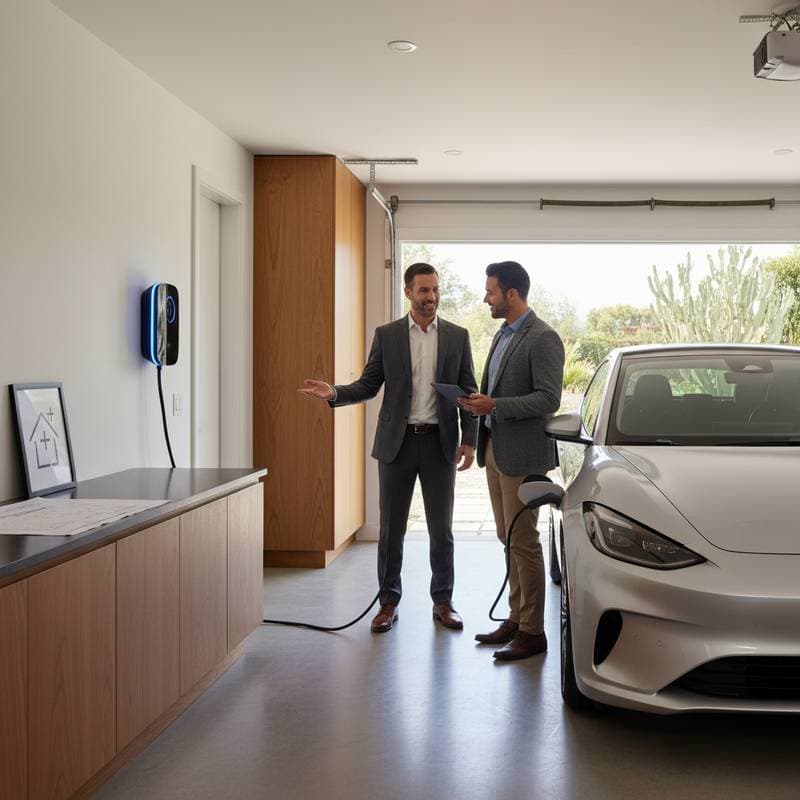
Conduct a preliminary assessment of your electrical panel today, then schedule consultations with qualified electricians. Consider whether a standard or smart charger aligns with your long-term plans for the property. Inquire about available incentives early to maximize savings. With proper execution, this investment not only elevates your home's market position but also supports sustainable energy practices for years to come.