The Rising Value of Home EV Chargers
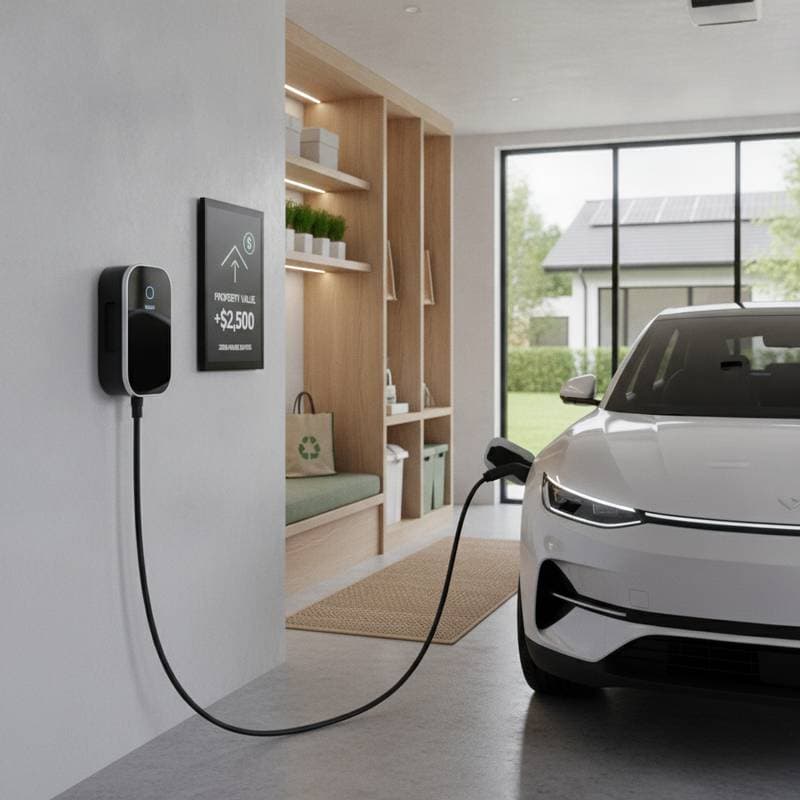
Electric vehicles gain popularity each year, and homeowners seek ways to support this shift. Installing a dedicated EV charger at home offers convenience beyond public stations. This addition not only simplifies daily charging but also increases the property's market value in a competitive real estate landscape.
Buyers increasingly view EV chargers as standard features, similar to updated kitchens or energy-efficient windows. Data indicates that homes with these installations sell faster and at higher prices. The investment aligns with broader trends toward sustainability and reduced reliance on fossil fuels.
Calculating the Return on Investment
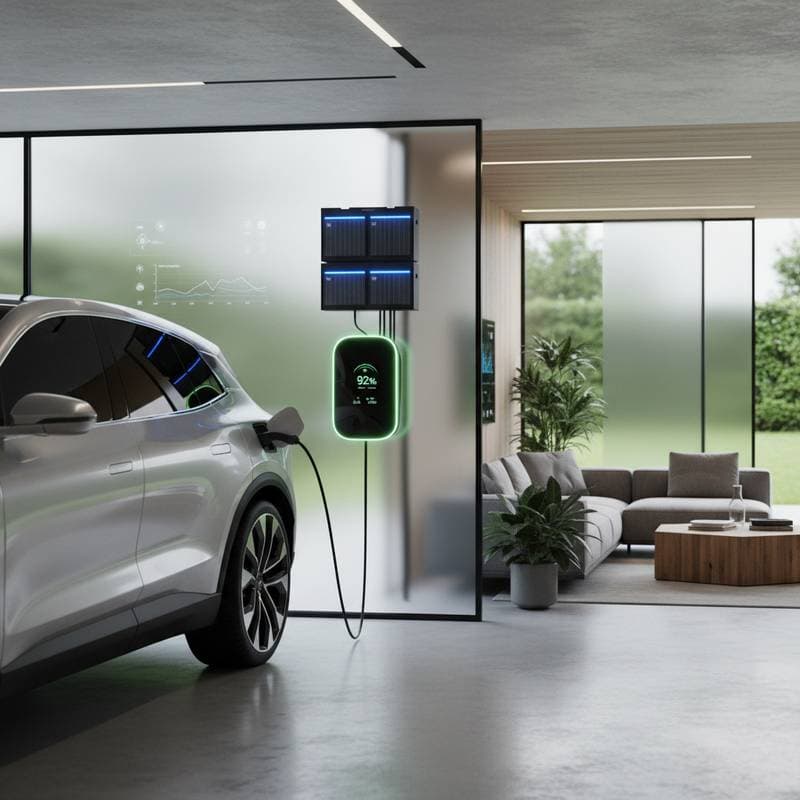
The projected 92 percent recovery of costs by 2026 stems from multiple factors. Initial expenses for a Level 2 charger typically range from $500 to $1,500, excluding installation. Professional setup adds $750 to $1,500, depending on electrical needs and location.
Savings accumulate through lower electricity rates compared to gasoline. For an average driver covering 12,000 miles annually, charging at home saves approximately $800 per year over fueling a comparable gas vehicle. Over five years, these reductions alone approach 50 percent of the total outlay.
Property value appreciation provides the remainder. Recent studies show that EV-ready homes command premiums of 3 to 5 percent. In high-demand markets, this translates to thousands in added equity, pushing the overall return toward the 92 percent mark by 2026.
Step-by-Step Installation Guide
Begin by assessing your home's electrical system. Most residences require a 240-volt circuit, which may necessitate panel upgrades if capacity is limited. Consult a licensed electrician to evaluate and ensure compliance with local codes.
Select a charger model suited to your needs. Wall-mounted units offer durability and space efficiency, while portable options provide flexibility for renters or temporary use. Prioritize models with Wi-Fi connectivity for scheduling and energy monitoring.
The installation process unfolds in phases:
- Obtain necessary permits from local authorities.
- Run wiring from the electrical panel to the chosen parking area.
- Mount the charger securely and connect it to the circuit.
- Test the system and integrate it with vehicle apps for seamless operation.
Completion typically takes one to two days, minimizing disruption. Post-installation, register the unit for warranty coverage and potential rebates.
Leveraging Incentives and Rebates
Governments and utilities offer substantial support for EV infrastructure. Federal tax credits cover up to 30 percent of costs, capped at $1,000 per charger. State programs vary; for example, California provides additional rebates up to $500 for residential installations.
Utility companies often subsidize upgrades through demand-response initiatives. These programs reward off-peak charging with bill credits, further enhancing savings. Research local options via energy department websites or installer consultations.
Combine incentives to offset 40 to 60 percent of upfront costs. This approach accelerates the break-even point, making the 92 percent ROI achievable within the projected timeline. Track eligibility requirements, as they evolve with policy changes.
Integrating Smart Features for Maximum Efficiency
Modern EV chargers incorporate technology that optimizes performance. App-based controls allow users to set charging times during low-rate hours, reducing monthly bills. Integration with home energy systems balances loads to prevent peak-time surcharges.
Advanced models include load management, which distributes power across multiple vehicles if needed. Safety features such as ground-fault protection and automatic shutoff enhance reliability. These elements extend equipment lifespan and minimize maintenance needs.
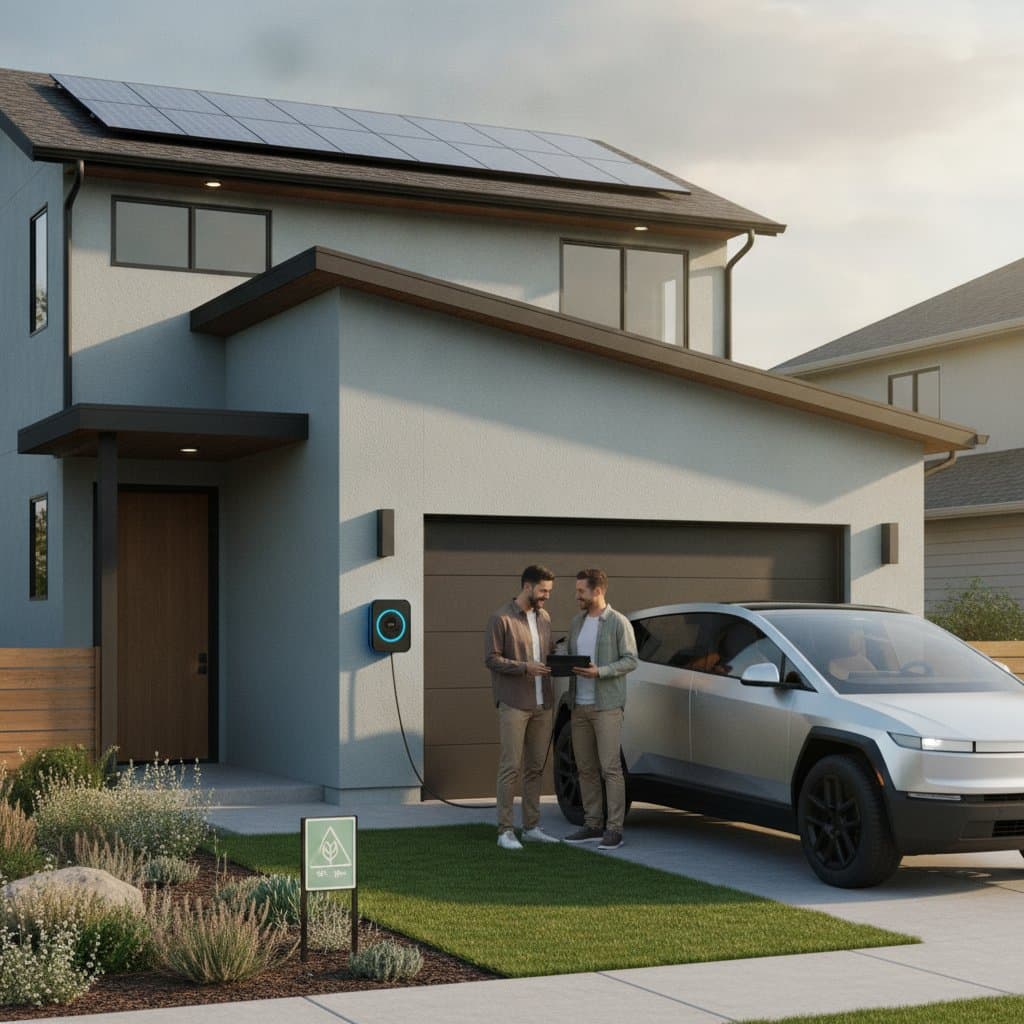
Consider chargers compatible with solar panels for even greater savings. Excess daytime generation powers evening charges, potentially eliminating grid dependency. Such setups future-proof the home against rising energy prices and support net-zero goals.
Positioning Your Home for Eco-Conscious Buyers
As electric vehicle adoption accelerates, demand for charger-equipped properties surges. Real estate agents report that 60 percent of millennial buyers prioritize green features. A home EV charger signals commitment to sustainability, attracting this demographic.
Beyond sales appeal, the installation reduces carbon footprints. Home charging emits far less than gas equivalents, contributing to cleaner air in communities. Owners enjoy peace of mind knowing their property aligns with environmental standards.
To maximize benefits, highlight the charger in listings with photos and details. Emphasize energy savings and convenience to differentiate from standard homes. This strategy not only boosts value but also streamlines the selling process.
Steps to Secure Your Investment Today
Evaluate your driving habits and future plans before proceeding. If EV ownership is imminent or current, the charger becomes essential. Contact certified installers for quotes tailored to your setup.
Monitor market trends and incentive updates to time the purchase optimally. Early adoption locks in current rebates and positions the home ahead of widespread mandates. The combination of cost recovery, savings, and value growth makes this upgrade a strategic move.
By 2026, the 92 percent return reflects not just financial gains but long-term resilience. Homeowners who act now build equity in a sustainable future, reaping rewards in convenience, savings, and market positioning.