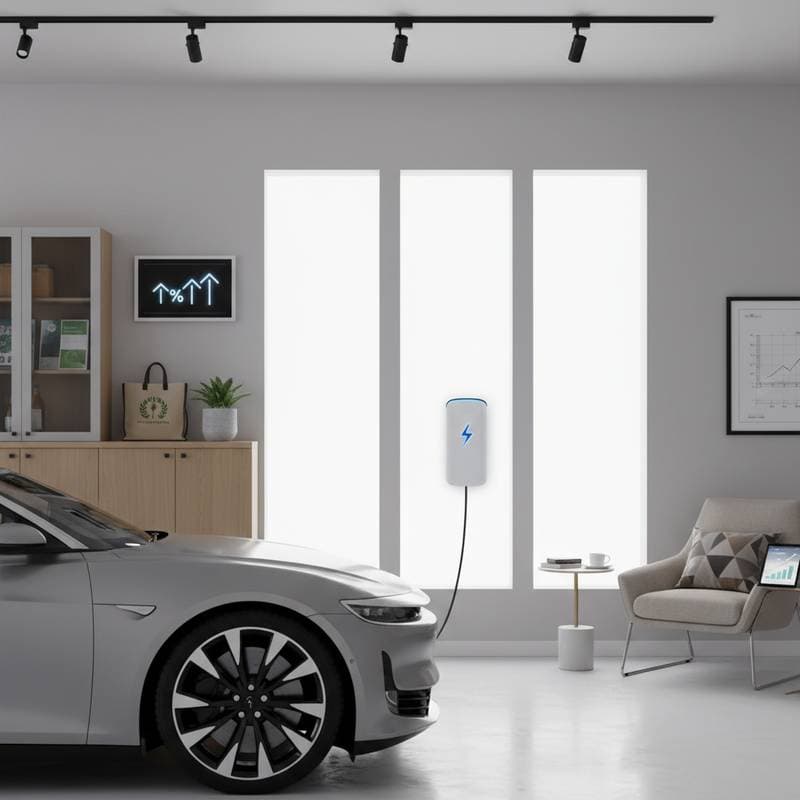
EV Charging Stations Deliver Strong Returns for Homeowners
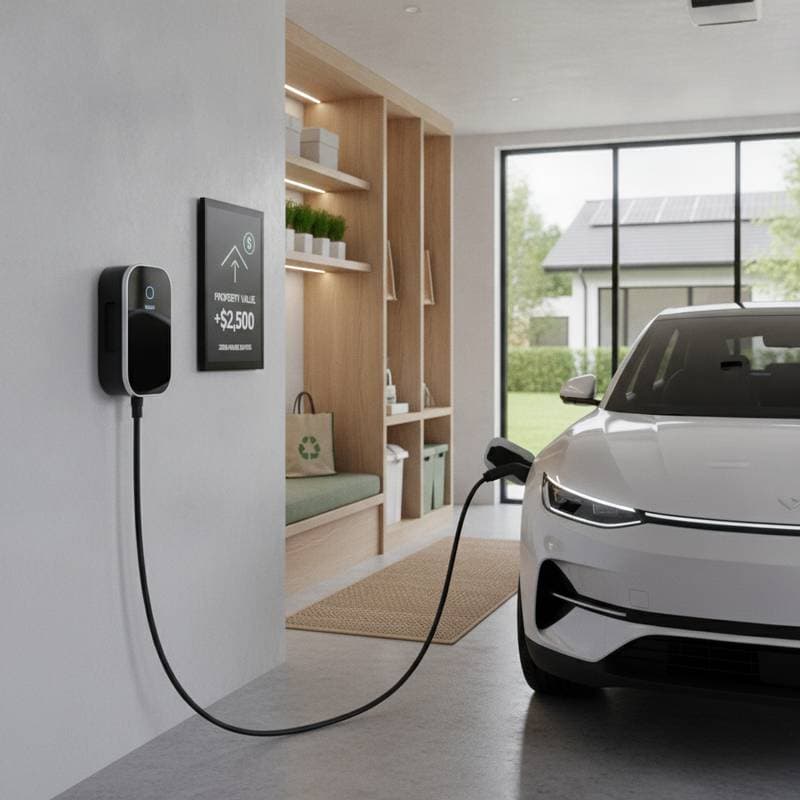
Installing a Level 2 electric vehicle charger adds measurable value to residential properties. Recent market data shows an average increase of 13 percent in home resale prices when a dedicated charging station is present. This upgrade appeals directly to the growing number of buyers who own or plan to purchase electric vehicles.
Homeowners gain both immediate convenience and long term financial benefits. The charger reduces reliance on public stations and supports lower operating costs for vehicle owners. Properties equipped with this infrastructure stand out in competitive markets where buyers seek modern, energy efficient features.
Key Factors Driving the Value Increase
Several elements contribute to the observed price premium. First, the installation signals that the home is ready for electric vehicle ownership without additional work. Second, it aligns with stricter building codes and buyer expectations around sustainability. Third, it provides a tangible amenity that appraisers can document during valuation.
Buyers also consider future utility savings. Level 2 chargers deliver faster charging times than standard outlets, which improves daily usability. This practical advantage translates into stronger offers during negotiations.
Typical Installation Costs and Incentives
Professional installation of a Level 2 charger ranges from 900 to 2500 dollars depending on panel capacity and wiring distance. Most single family homes require a dedicated 240 volt circuit and appropriate weatherproof housing for outdoor units. Electricians complete the work in one or two days in the majority of cases.
Federal tax credits and local utility rebates can offset a portion of the expense. Homeowners should verify current incentive programs through their electricity provider before scheduling service. These programs frequently cover 30 percent or more of qualified equipment and labor costs.
Recommended Installation Process
- Assess the main electrical panel to confirm available capacity.
- Select a charger rated for at least 7 kilowatts to support most modern electric vehicles.
- Hire a licensed electrician to run new wiring and mount the unit.
- Obtain any required permits from the local building department.
- Test the charger with the vehicle to verify proper operation.
Following these steps ensures code compliance and optimal performance. Skipping professional installation can create safety risks and reduce buyer confidence at resale.
Positioning the Property for Future Buyers
Properties with EV infrastructure attract a broader pool of qualified purchasers. Real estate agents report faster listing times when chargers are already in place. The feature also supports higher asking prices because buyers avoid the time and expense of arranging installation themselves.
Sellers should document all permits, warranties, and equipment specifications in the disclosure package. Clear records demonstrate that the system meets current safety standards and remains eligible for any remaining incentives.
Long Term Advantages Beyond Resale
A Level 2 charger continues to deliver value after the home is sold. Owners enjoy reduced charging times and lower electricity rates during off peak hours. The equipment typically carries a warranty of three to five years, providing ongoing protection.
As electric vehicle adoption accelerates, homes without charging capability may require retrofits that become more expensive over time. Completing the upgrade now locks in current labor rates and avoids future price increases.
Next Steps for Homeowners
Contact a licensed electrician for a site evaluation. Review available rebates through state and utility programs. Schedule installation during a period when the vehicle can remain off site if necessary. These actions prepare the property for both current use and future market conditions.