Why Hidden Pantries Increase Home Value by 11 Percent
Hidden pantries elevate home value by approximately 11 percent. Homebuyers appreciate the combination of aesthetic appeal and intelligent storage solutions. These features deliver a streamlined kitchen appearance while enhancing overall functionality.
Defining the Appeal of a Hidden Pantry
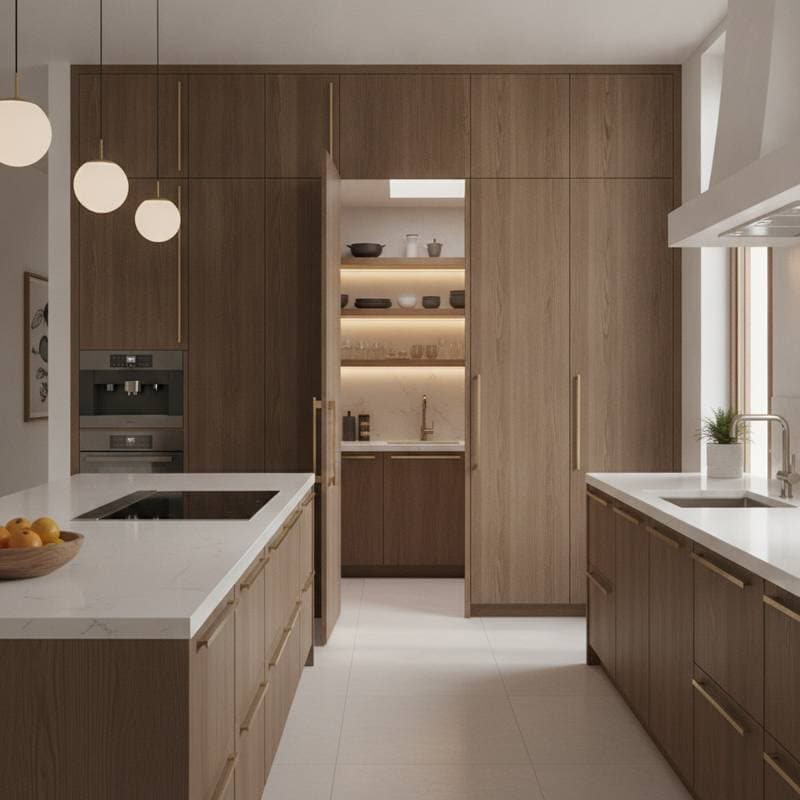
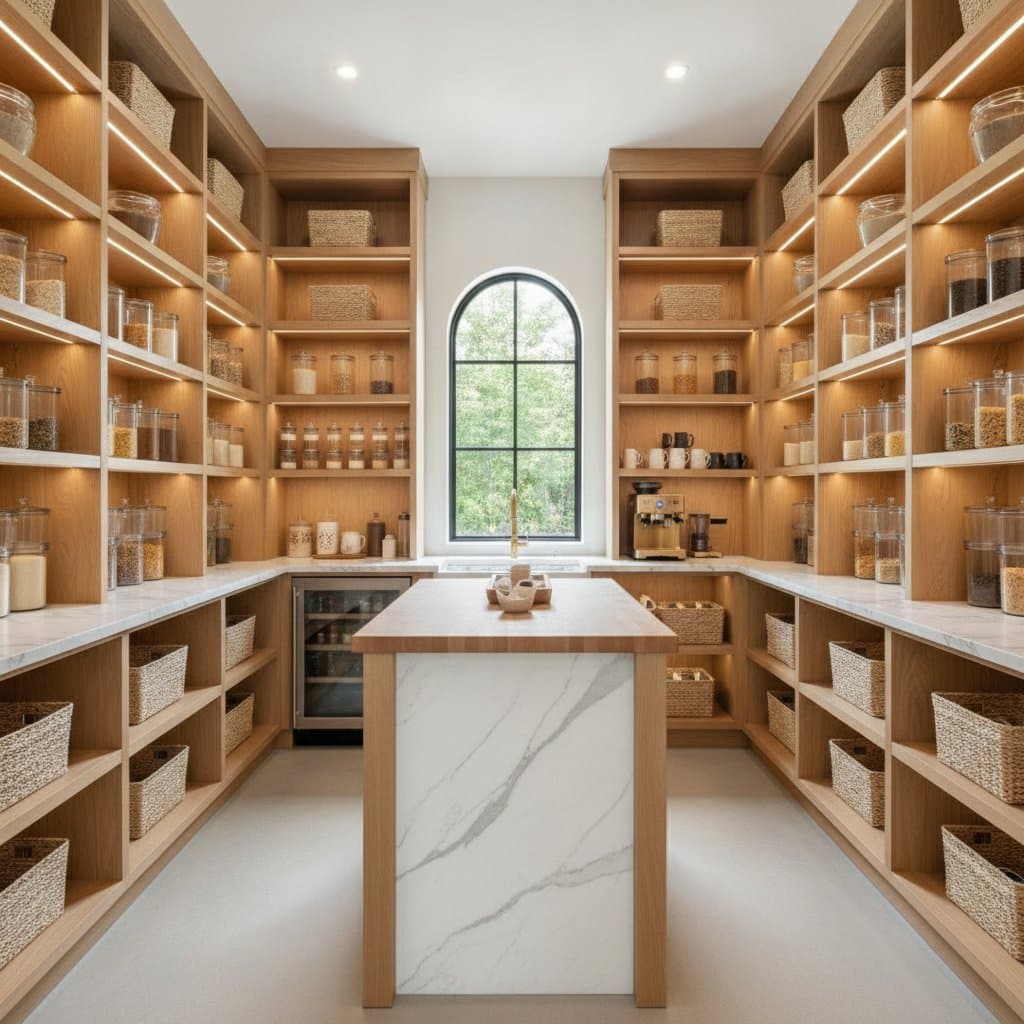
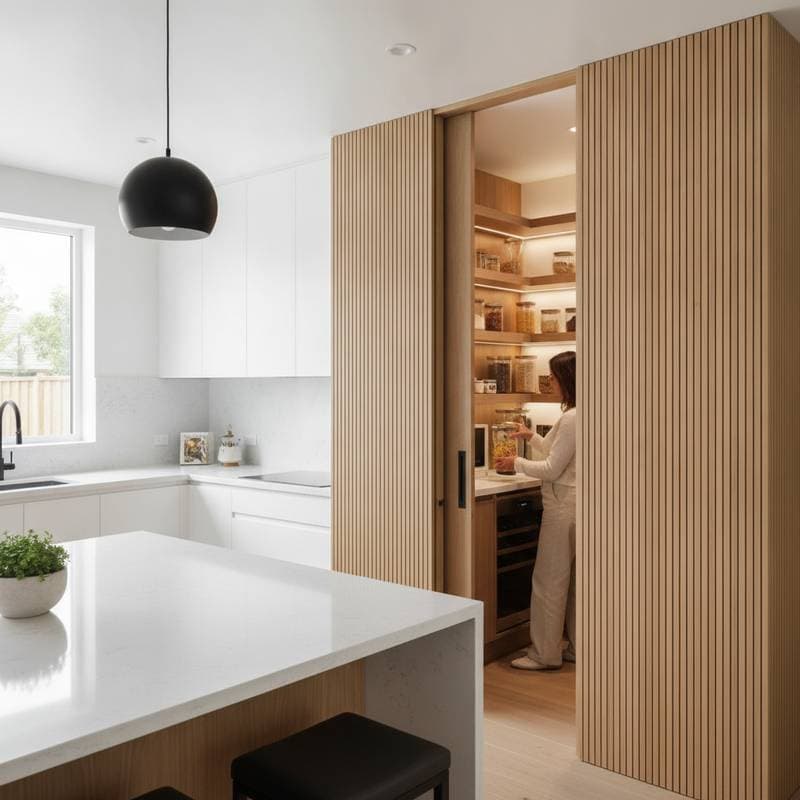
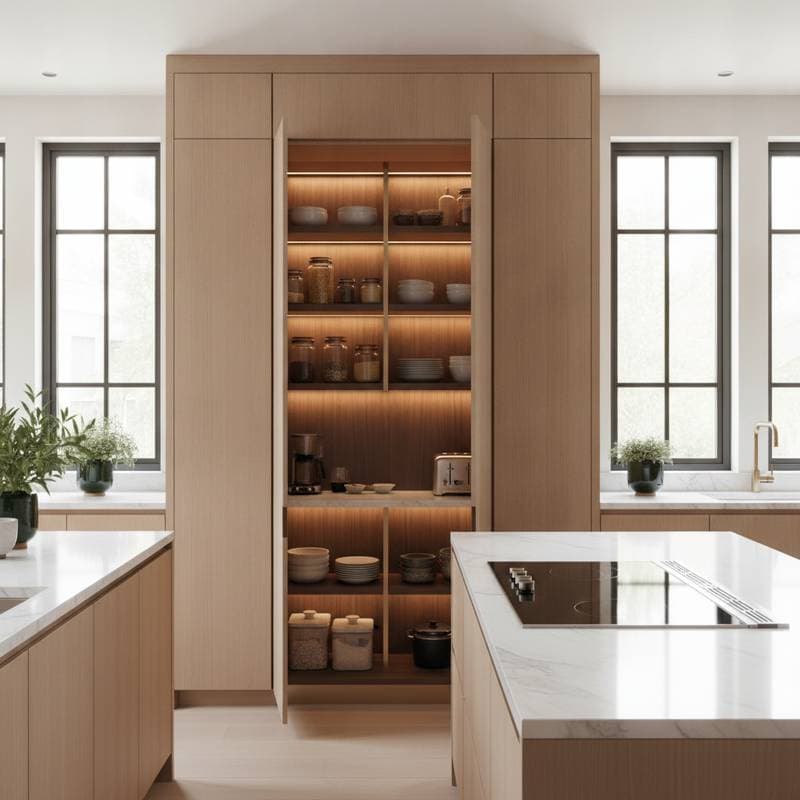
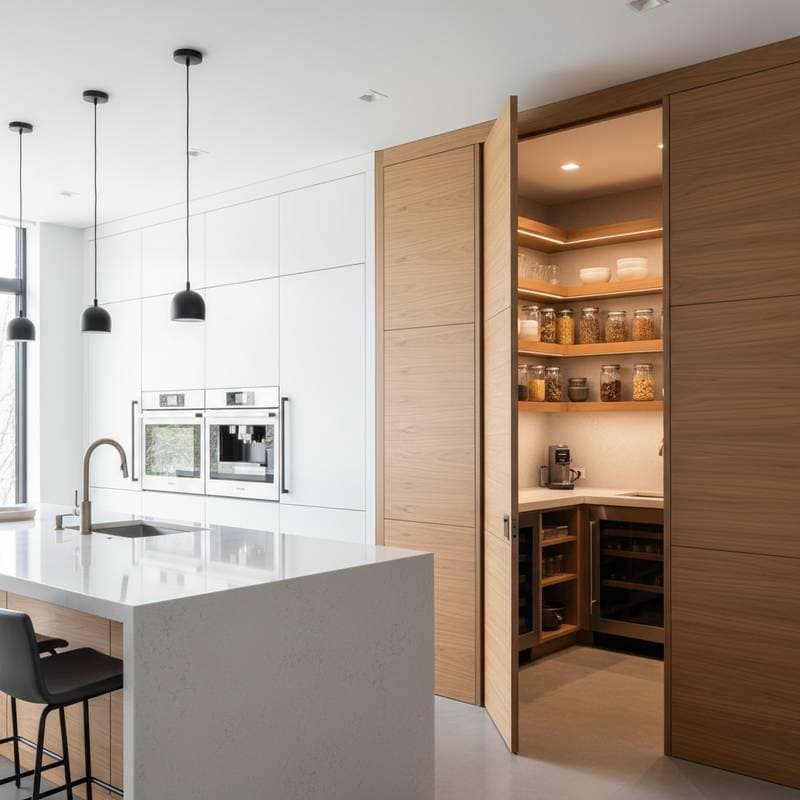
A hidden pantry integrates seamlessly into kitchen cabinetry or walls, with its door designed to match surrounding elements. Visitors often overlook the entrance entirely. The interior provides walk-in access for bulk pantry items, small appliances, and even a dedicated preparation surface. This setup conceals disorganization and imparts a sophisticated, professional design to the space.
Planning and Installation Steps for a Hidden Pantry
Successful integration begins with thoughtful planning. Follow these detailed steps to ensure a smooth process.
-
Select an Optimal Location. Identify underutilized areas such as spaces behind kitchen walls, adjacent to the refrigerator, or near connecting hallways. Consider proximity to primary work zones for convenience.
-
Conduct Precise Measurements. Allocate a minimum of three feet in width and four feet in depth to accommodate practical use. Account for door swing or slide mechanisms to avoid obstructing traffic flow.
-
Design the Access Point. Opt for a cabinet-style door, sliding panel, or pivot mechanism that aligns with existing kitchen finishes. Ensure hinges or tracks operate quietly and securely.
-
Incorporate Shelving and Illumination. Install adjustable shelves made from wood or wire for versatility. Integrate LED strip lighting or recessed fixtures to illuminate contents effectively, with options for dimming to suit different tasks.
-
Provide Adequate Ventilation. Include a subtle vent or low-profile fan to circulate air and mitigate moisture accumulation or lingering odors from stored goods.
-
Apply Durable Interior Finishes. Choose wipeable surfaces like painted panels or laminate to withstand spills, humidity, and frequent handling.
These steps transform unused space into a valuable asset, with each phase building on the previous for a cohesive result.
Estimating Project Costs
Budgeting for a hidden pantry involves evaluating scope and materials. Costs remain manageable relative to the value added.
| Component | Estimated Cost Range | Key Price Influences |
|---|---|---|
| Basic Framed Pantry with Standard Shelving | $3,000 to $6,000 | Dimensions, basic materials, and entry door style |
| Custom Cabinetry Featuring a Concealed Door | $8,000 to $15,000 | Level of finish, specialized hardware, and decorative trim |
| Comprehensive Butler's Pantry Including Sink and Outlets | $15,000 to $25,000 or more | Integration of plumbing, electrical systems, and surface treatments |
Regional labor rates and material availability influence totals. Premium options like exotic woods or automated features increase expenses, while prefabricated components and basic drywall reduce them. Consult local suppliers for accurate quotes.
Project Timeline Considerations
Completion typically spans one to three weeks, depending on complexity. Simpler installations that repurpose existing structures finish in less than seven days. Projects involving utility relocations extend to three weeks or longer. Factors such as permit approvals, custom fabrication, and supply chain delays contribute to extended durations. Schedule inspections early to maintain momentum.
Deciding Between DIY and Professional Installation
Evaluate your skills and project demands before proceeding.
Pursue DIY When:
- You possess experience in carpentry and drywall installation.
- You feel confident handling shelving assembly and basic electrical fixtures.
- The selected wall proves non-load-bearing upon inspection.
Engage Professionals When:
- Relocating plumbing or electrical components becomes necessary.
- Achieving a flawless cabinet-integrated door requires precision.
- Ensuring high-quality finishes protects long-term home value.
Professionals manage structural framing, regulatory compliance, and safety protocols, resulting in a durable, market-ready addition.
Essential Tools and Materials List
Gather these items to support efficient execution:
- Stud finder and spirit level for accurate layout.
- Circular saw, drill, and framing square for structural work.
- Drywall saw, taping knives, and joint compound for wall repairs.
- Paintbrushes, rollers, and primer for surface preparation.
- Shelving brackets, plywood or wire racks, and mounting hardware.
- Concealed door hinges, tracks, or latches.
- LED lighting kits with wiring and switches.
Align tools with specific installation phases. Rent specialized equipment from local hardware stores to control expenses for one-time projects.
Safety Protocols and Building Code Essentials
Prioritize caution by scanning for hidden electrical lines or pipes prior to any wall modifications. Kitchen-adjacent pantries often require ground-fault circuit interrupter outlets for safety. Adding appliances like sinks or refrigerators necessitates plumbing permits and professional oversight. Maintain ventilation pathways to prevent condensation issues, and refrain from obstructing HVAC returns or fire-resistant barriers. Adhere to local codes to avoid fines and ensure structural integrity.
Adapting to Regional Conditions
In cooler regions, incorporate insulation within pantry walls to eliminate condensation on surfaces. Humid environments benefit from mold-resistant drywall and enhanced airflow via exhaust fans. Pest-vulnerable areas demand sealed gaps and mesh-covered vents. Municipalities frequently mandate permits for framing alterations or electrical additions; verify requirements through your building department before commencing work.
The Buyer Perspective on Added Value
Prospective buyers view hidden pantries as premium amenities that enhance lifestyle. The absence of visible clutter creates an impression of spaciousness and modernity. Ample, discreet storage appeals to practical needs without compromising design. Real estate professionals observe quicker transactions and higher offers for properties featuring such upgrades. This blend of visual elegance and utility drives the 11 percent value increase.
Enduring Advantages of Hidden Pantries
These installations promote sustained organization by sequestering bulk items and appliances. Countertops remain clear, fostering a calmer cooking environment and streamlined workflows. Main kitchen cabinets free up for everyday essentials, improving circulation in compact layouts. Over years, the design contributes to daily comfort while bolstering market appeal upon resale.
Expert Recommendations for Optimal Results
Align the pantry door's material and hue with surrounding cabinetry for invisibility. Incorporate motion-activated lights to elevate the user experience. Position deeper shelves lower for stable storage of heavier loads. Employ transparent containers for pantry staples to facilitate quick inventory checks. Reserve room for a compact work surface if space permits, enabling in-pantry food prep.
Such refinements elevate the feature from functional to luxurious, maximizing return on investment.
Frequently Asked Questions
Does Installing a Hidden Pantry Require a Permit? Permits apply in most cases involving plumbing or electrical modifications. Contact your local building authority for confirmation.
Is a Hidden Pantry Feasible in a Compact Kitchen? Absolutely, provided you reallocate space from an adjacent closet or wall recess measuring at least a few square feet.
Implementing Your Hidden Pantry Upgrade
Begin by assessing your kitchen's layout and consulting a contractor for feasibility. With careful execution, this addition delivers immediate utility and substantial equity growth. Transform your home's core space into a more efficient, desirable haven.