Electric Induction Ranges Boost Home Value
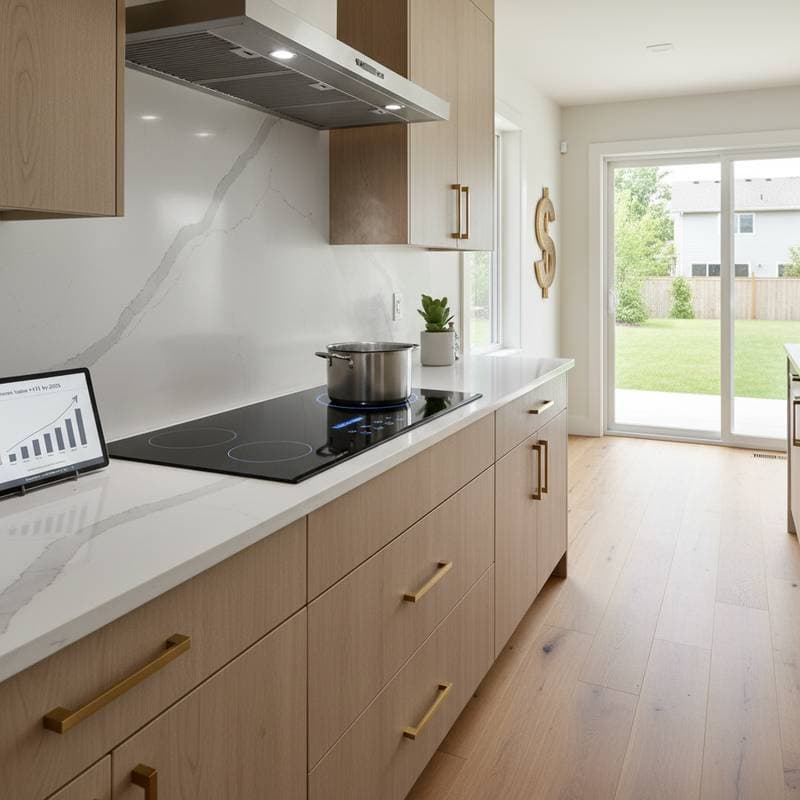
Electric induction ranges deliver faster heating, precise temperature control, and lower energy consumption than traditional gas or electric models. Real estate trends indicate that homes equipped with these appliances may see value increases of up to 11 percent by 2026 as buyer preferences shift toward efficient, modern kitchens.
Homeowners considering a remodel benefit from both daily performance gains and potential resale returns. The upgrade suits frequent cooks who value safety features and streamlined design.
Advantages and Limitations
Advantages
- Raises property appeal among buyers seeking energy-efficient features
- Cooks food more quickly than gas or coil electric surfaces
- Reduces burn risks through cool-down technology and automatic shutoff
- Simplifies cleaning on smooth, flat cooktops
- Directs heat to cookware only, cutting overall energy waste
Limitations
- Carries a higher purchase price than standard models
- Works only with magnetic cookware such as cast iron or certain stainless steel
- May require a dedicated 240-volt circuit and panel assessment in older homes
- Lacks visible flames for users accustomed to gas cooking
- Often needs brand-certified technicians for repairs
Installation Considerations
Induction range installation involves electrical work that exceeds typical DIY skill levels.
Difficulty level ranges from moderate to difficult. The process usually takes two to four hours and requires a circuit tester, screwdriver, wire connectors, and wrench. Primary hazards include electrical shock, overloaded breakers, and noncompliance with local codes.
Hire a licensed electrician when a new circuit is necessary, when existing wiring is aluminum, or when cabinet modifications are involved. Professional connection and testing fees range from 150 to 500 dollars. Additional cabinet adjustments increase costs if the new unit differs in size.
Care and Expected Service Life
With routine attention, induction ranges operate reliably for 10 to 20 years.
Clean the surface after each use using a soft cloth and nonabrasive solution. Lift cookware rather than slide it to avoid scratches. Inspect the ventilation intake annually for dust accumulation. Cracked glass or sensor issues require a certified technician. Warranties from major manufacturers cover one to five years; extended coverage may suit households with heavy daily use.
Regional Influences on Installation
Local building codes, climate, and housing stock affect both feasibility and expense.
In colder regions, induction produces less ambient heat, which helps maintain comfortable kitchen temperatures. Coastal properties benefit from stainless or sealed units that resist salt-air corrosion. Older homes often need panel upgrades to support 40- to 50-amp circuits. Some municipalities offer rebates for gas-to-electric conversions. Labor rates in metropolitan areas can reach twice those in rural locations, so obtain multiple quotes before proceeding.
Electrical Safety Practices
Induction ranges eliminate open flames and combustion byproducts. Proper circuit grounding, manufacturer-approved cord kits, and avoidance of metal objects on the glass surface remain essential. Disconnect power at the breaker before any service. Internal repairs require specialized tools and training. Check permit requirements for electrical modifications.
Evaluating Your Kitchen for Induction
Review cookware compatibility with a simple magnet test before purchase. Confirm that the electrical panel supports the required amperage. Compare power levels, touch versus knob controls, and warranty terms across mid-range and premium models. Agents note that updated electric kitchens appeal to younger and environmentally conscious buyers. Request three or more bids from licensed professionals and inquire about load testing and available incentives.
FAQ
Do induction ranges need special wiring?
Most units require a dedicated 240-volt circuit. Older homes may need service-panel upgrades.
Can I use my old cookware on an induction range?
Only pans that attract a magnet will function properly.
Are induction ranges noisy?
Some models produce a low fan or hum at high settings. The sound ceases when cooking stops.
Do induction cooktops scratch easily?
The glass resists damage when gentle cleaners and lifted pans are used.
How much energy does an induction range save?
Induction transfers 85 to 90 percent of energy to the pan, versus roughly 65 percent for standard electric and 40 percent for gas.