- Assess overall structure and logical progression of sections
- Eliminate generic statements by incorporating specific costs, measurements, and steps
- Ensure consistent use of standard punctuation without dashes or contractions
- Optimize headings for engagement while maintaining topic specificity
- Condense content to underwhile preserving all key information
- Verify paragraph length and sentence variety for improved readability
- Confirm all lists use proper markdown formatting
Attic Conversions Deliver Strong Returns Through Bonus Rooms
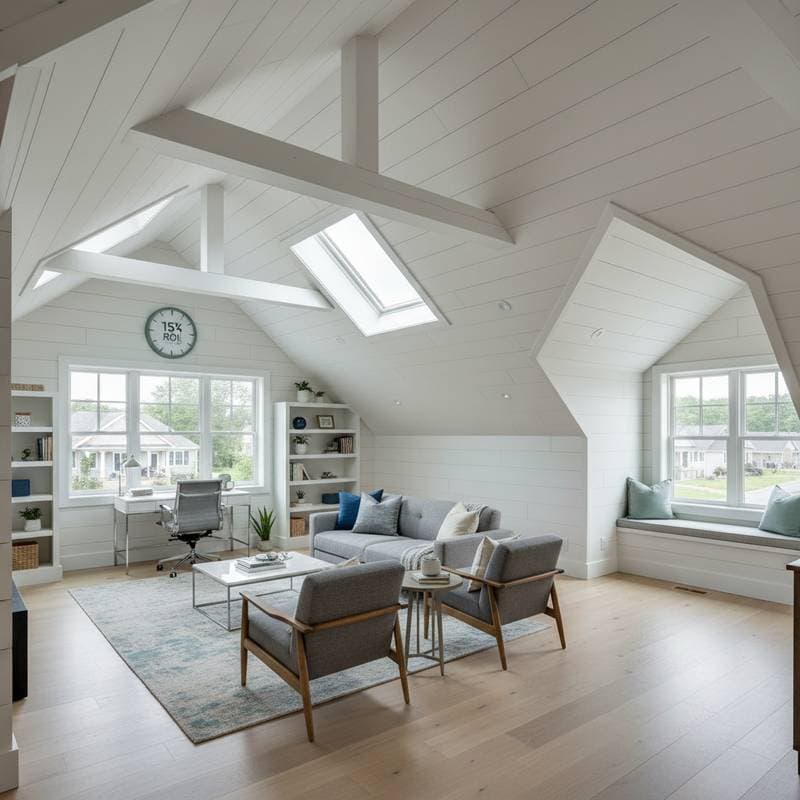
Turning an unfinished attic into usable living space raises home value while expanding square footage. Homeowners often select this project because it provides both daily comfort and a measurable financial return. Current data shows attic conversions average a 15 percent return on investment.
The approach suits properties that need an additional bedroom, office, or guest area. Success depends on steep roof pitch, adequate framing strength, and convenient utility connections.
Advantages and Limitations
Advantages
- Creates functional rooms without altering the foundation or lot size.
- Generates resale value through an average 15 percent return on investment.
- Utilizes existing square footage that previously served only storage purposes.
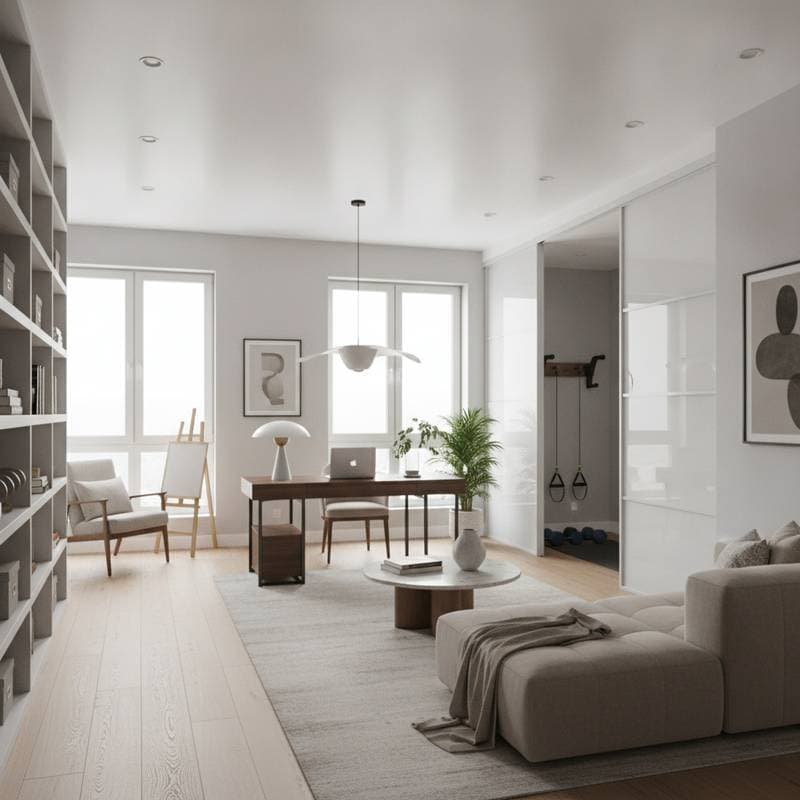
- Supports flexible uses such as a home office, art studio, or children play area.
- Typically requires fewer permits than ground-up additions.
Limitations
- Ceiling height rules may limit layout options in some homes.
- Stair access and code upgrades can increase total expense.
- Temperature regulation demands thorough insulation and ventilation work.
- Natural light requires added dormers or skylights.
- Existing storage space may be reduced or relocated.
Professional Installation Compared With Owner Labor
Homeowners can clear stored items and take initial measurements. Full construction involves framing, electrical work, insulation, and inspections that exceed typical do-it-yourself skill levels.
The project carries high difficulty because multiple trades and precise code compliance are required. Errors in roof structure or insulation can create long-term problems.
Essential tools include a circular saw, framing nailer, drill, insulation blower, drywall equipment, and full safety gear. HVAC or plumbing extensions may require specialized equipment.
Licensed crews complete most conversions in four to eight weeks. Owner-led work often extends over several months.
Hire professionals for structural changes, new electrical circuits, plumbing runs, and egress window installation. A contractor also manages permits and final inspections.
Ongoing Care and Expected Service Life
A properly finished attic conversion lasts as long as the original house when ventilation and insulation remain intact.
Inspect the roof twice each year for leaks, especially after storms. Check insulation condition every two to three years. Clean HVAC vents and returns regularly. Touch up paint and reseal surfaces according to wear patterns.
Finishes typically remain serviceable for 15 to 25 years before major refreshes. Flooring and wall coverings may need attention sooner.
Workmanship warranties usually cover one to five years. Local codes set minimum ceiling heights, stair dimensions, and egress window sizes for sleeping rooms.
Regional Considerations
Cold climates require high R-value insulation and thorough air sealing to avoid ice dams. Hot climates benefit from radiant barriers and strong ventilation. Humid areas need vapor barriers to control condensation.
Building departments enforce varying rules on ceiling height, stair width, and emergency exits. Some jurisdictions request engineering reports before issuing permits.
Labor expenses can shift total project cost by 20 to 40 percent across regions. Coastal markets command higher rates while rural areas may extend schedules.
Advance material orders help stabilize budgets where supply chains are limited.
Investment Return and Market Appeal
Attic conversions return approximately 15 percent of project cost at resale when finishes are mid-grade and energy details meet current standards. Properties in high-price neighborhoods or those with limited existing space often achieve stronger returns.
Buyers respond positively to added bedrooms and offices. The finished space costs less than a full addition yet increases livable area. Energy upgrades reduce operating expenses and attract additional interest.
Use neutral finishes to reach the widest buyer pool. Describe the new room accurately in listings as a bonus room or loft bedroom. Retain all permit and inspection records.
Safety Requirements
Structural engineers should confirm that floor joists support at least 30 pounds per square foot of live load. Electrical work must use dedicated circuits and include smoke and carbon monoxide detectors on both levels.
Stair dimensions must satisfy code for width and headroom. Sleeping areas require egress windows with a minimum clear opening of 5.7 square feet.
Bathroom additions need properly sloped drains and exterior-vented exhaust fans. Never bypass permits or inspections, because coverage gaps and resale complications can result.
Common Questions
Most codes require seven feet of ceiling height over at least half the floor area. Dormers or floor modifications can resolve shortfalls.
A bathroom adds 10,000 to 20,000 dollars. Drainage slope and vent routing must satisfy local rules.
Existing HVAC systems often need supplemental mini-split units or extended ductwork for balanced temperatures.
Simple projects may proceed with contractor drawings. Structural changes or complex layouts benefit from architect involvement.
Joist size, spacing, and condition determine load capacity. An engineer provides the definitive assessment before finish work begins.
Planning Your Attic Conversion
Begin with a structural inspection and a detailed layout. Obtain three written bids from licensed contractors. Confirm all local code requirements before construction starts. The completed room then provides comfortable living space and documented value without enlarging the home footprint.