2026 Buyers Pay 11% Premium for Wet Room Homes
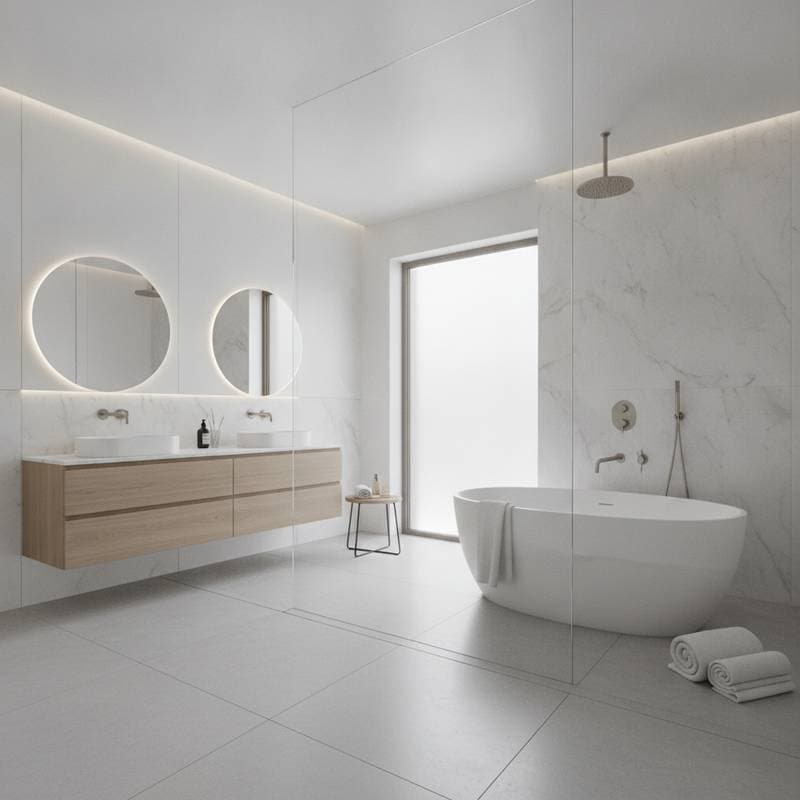
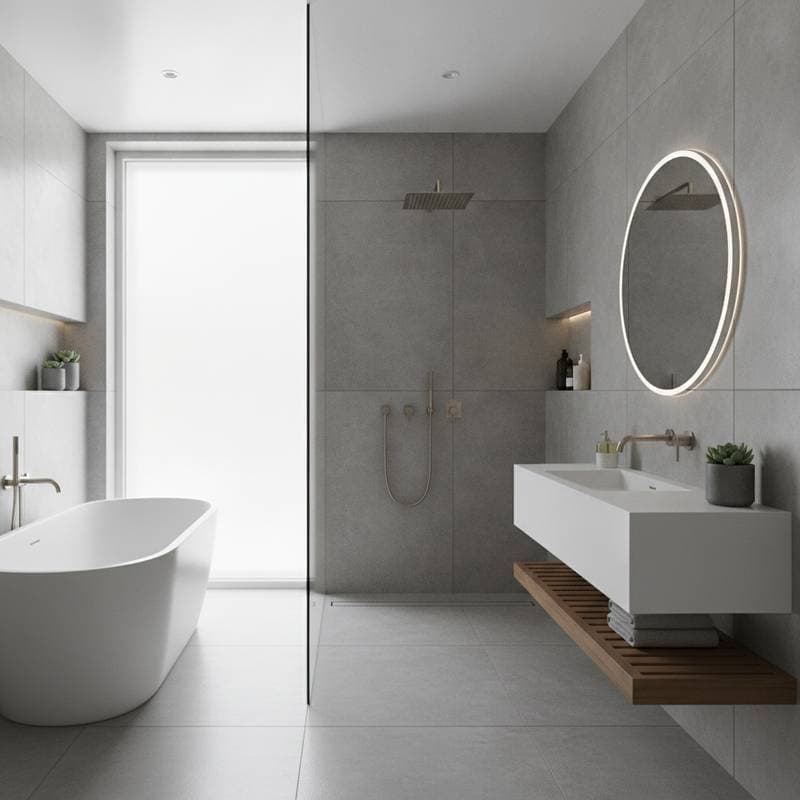
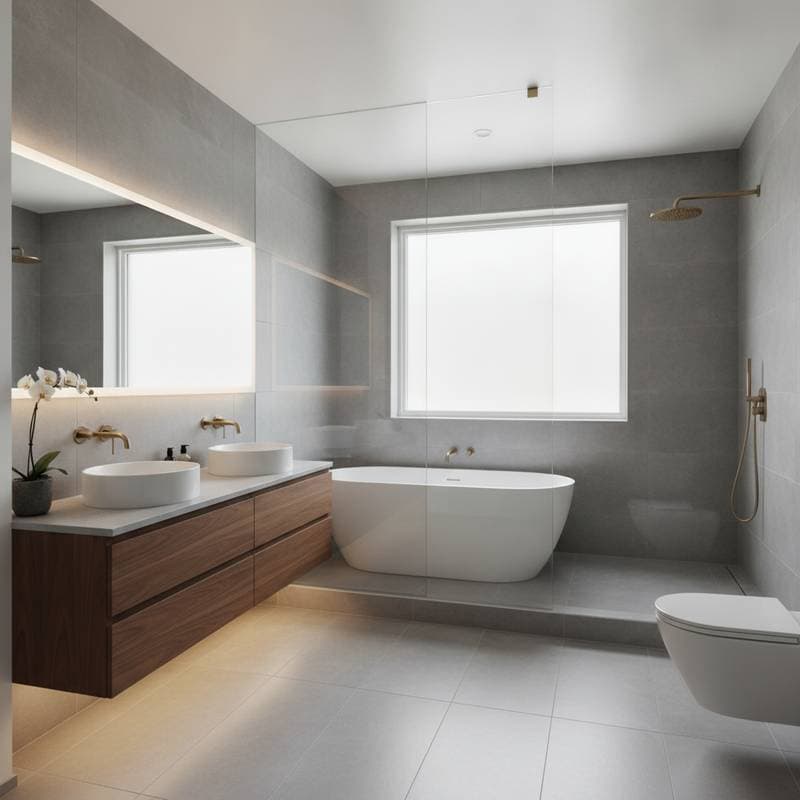
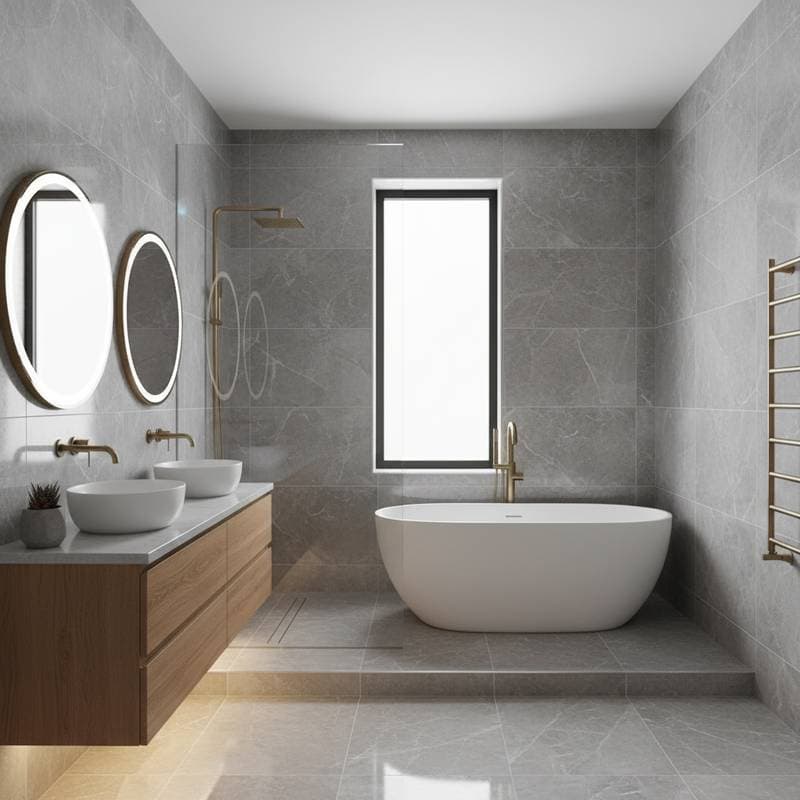
Homebuyers pay about 11 percent more for homes with wet rooms. These spaces combine modern style with practical accessibility. They convert standard bathrooms into open, waterproof areas that support daily routines and long-term property value.
The following sections detail the benefits, expenses, and steps involved in adding a wet room.
Reasons Buyers Offer Higher Prices
Buyers value wet rooms for their spacious feel, safety features, and low maintenance needs. These designs align with aging-in-place preferences and deliver a streamlined appearance that reduces daily upkeep.
Key advantages include the following.
- Accessibility. A flush floor eliminates trip hazards and accommodates users of all mobility levels.
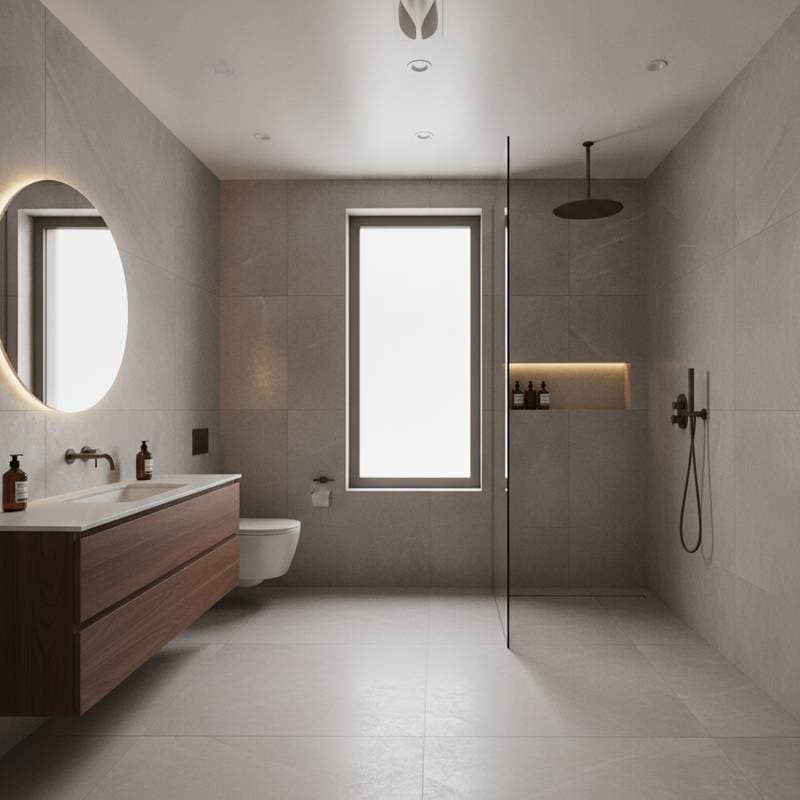
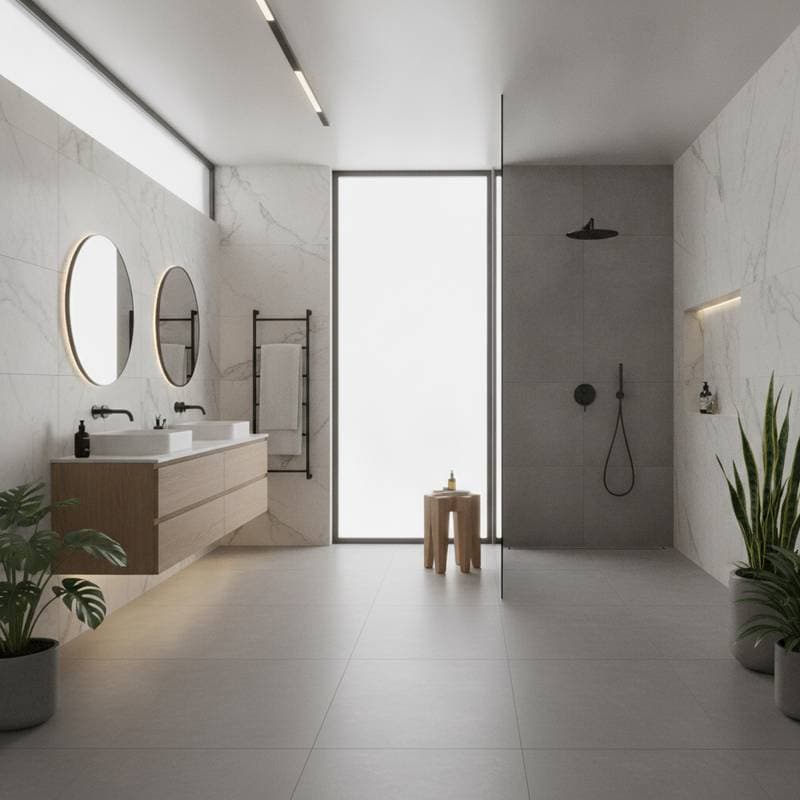
- Visual appeal. Large glass panels, consistent tile surfaces, and open layouts produce a premium aesthetic.
- Cleaning efficiency. Fewer seams and edges reduce scrubbing time and soap buildup.
- Long-term durability. Quality waterproofing systems maintain performance for decades when installed correctly.
- Market perception. Buyers view completed wet rooms as finished upgrades rather than future projects.
Properties with these features often close more quickly in active markets.
Installation Expenses
Wet rooms require specialized waterproofing and drainage work that exceeds standard bathroom costs. The investment returns through elevated resale prices and improved daily use.
| Task | Typical Cost Range | Factors That Influence Price |
|---|---|---|
| Basic conversion | 8000 to 15000 | Room size, plumbing relocation distance, and tile selection |
| High-end spa version | 20000 to 35000 | Heated flooring, custom glass enclosures, and premium fixtures |
| Waterproofing membrane | 1200 to 3000 | Product grade, manufacturer, and labor rates |
| Drain and slope work | 700 to 1500 | Existing floor material and any structural adjustments |
| Ventilation improvement | 300 to 800 | Fan capacity and duct routing options |
Costs increase in coastal and urban regions. Custom tile patterns, built-in niches, and underfloor heating add expense. Simple layouts, smaller format tiles, and reuse of current plumbing lines help control spending.
Decision Between DIY and Professional Installation
Consider DIY only when you possess prior tile setting experience and the existing floor already slopes correctly toward a drain. Concrete subfloors simplify the process. Detailed manufacturer instructions for the waterproofing layer must be followed exactly.
Hire licensed professionals when drains must be relocated, when a warranty on the membrane is required, or when the home has multiple stories. Proper slope, seam sealing, and code compliance protect against leaks that could damage lower levels. Most contractors provide labor warranties that support future resale negotiations.
Code Compliance and Safety Practices
Waterproofing installations must satisfy local building requirements. Many jurisdictions mandate an inspection before tile placement. Licensed plumbers handle drain moves in certain municipalities.
Observe these precautions during any work.
- Shut off water supply lines before opening plumbing.
- Install GFCI protected outlets and fixtures rated for wet locations.
- Wear appropriate gloves and respiratory protection when handling grout or mortar.
- Perform a full leak test before covering the membrane with tile.
Omitting required inspections can affect insurance coverage and future sale warranties.
Indicators That Professional Service Is Needed
Contact a licensed contractor when standing water remains after showers, grout shows cracks or discoloration, moisture appears on ceilings below, or mold odors persist. Technicians can locate leaks, repair membranes, and replace affected tile without complete removal of the installation.
Older homes or those with wood subfloors benefit from early professional assessment. Reinforcement of joists may be necessary to support tile weight.
Wet Rooms Compared with Standard Walk-In Showers
| Feature | Wet Room | Walk-In Shower |
|---|---|---|
| Floor transition | Fully level entry | Low curb or small threshold |
| Waterproof area | Entire room surface | Shower zone only |
| Maintenance | Reduced joints for easier cleaning | Additional edges require attention |
| Initial investment | Higher due to full-room prep | Lower because less area is treated |
| Mobility support | Complete barrier-free access | Functional but not fully level |
A walk-in shower fits more easily into existing older construction. A true wet room provides greater long-term value and universal design benefits.
Routine Care for Extended Performance
Maintain appearance and function with these habits.
- Wipe vertical surfaces after each use to limit mineral deposits.
- Clear the drain weekly to avoid buildup.
- Reapply grout sealer on a two- to three-year cycle.
- Inspect silicone joints for separation or wear.
- Verify fan operation and clean filters regularly.
Consistent attention preserves the finish and prevents future repair costs.
Practical Construction Details
Slope the floor a minimum of one-quarter inch per foot toward the drain. Select full-size wall tiles to minimize grout lines. Avoid unsealed wood cabinetry near wet zones. Consider underfloor heating in colder climates. Recess a niche into the wall to keep bottles off the floor.
These choices distinguish durable, attractive installations.
Common Questions
Do wet rooms require special flooring? Non-slip porcelain or stone rated for continuous moisture exposure works best. Polished surfaces should be avoided.
Can a wet room be added on an upper level? Proper structural review and membrane detailing are essential. Drainage and waterproofing should be managed by qualified trades.
Next Steps for Your Project
A wet room increases perceived space, supports modern living requirements, and strengthens resale position. Begin with a structural evaluation and cost estimate, then obtain proposals from licensed installers familiar with waterproofing systems.