Basement Pickleball Courts: A Smart Investment for 2026 Homeowners
Average installation cost: $42,000, with a typical range of $28,000 to $65,000.
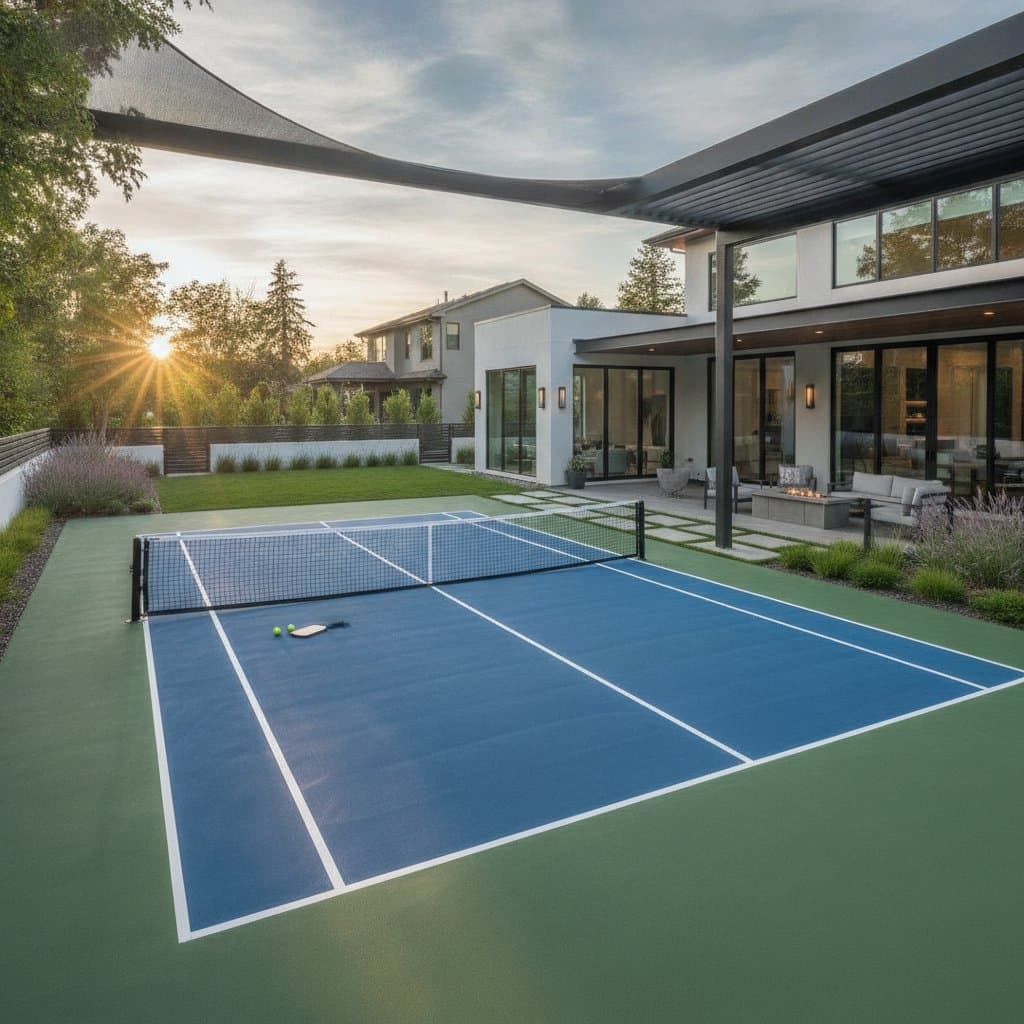
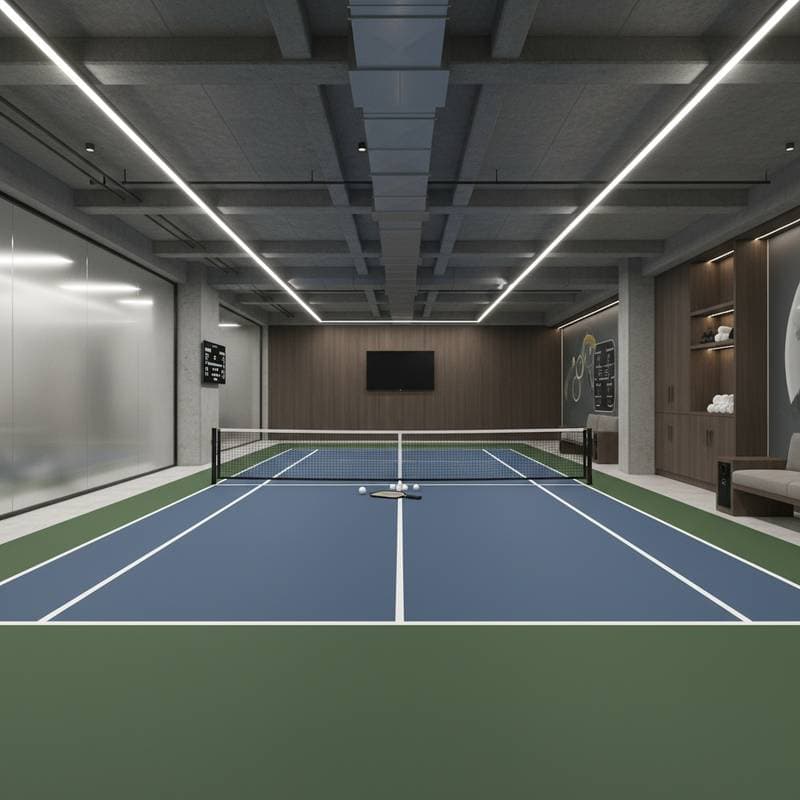
Converting an underutilized basement into a dedicated pickleball court represents one of the most compelling renovation trends for 2026. This upgrade provides a private venue for year-round physical activity, enhances the home's recreational appeal, and increases overall property value. Homeowners who invest in such a space often report improved daily wellness routines alongside stronger market positioning for future sales.
Basements offer ideal conditions for indoor courts due to their enclosed nature, which shields players from weather fluctuations. Proper execution transforms a damp, forgotten area into a vibrant hub for family gatherings or solo practice sessions. The key lies in addressing structural challenges early to ensure longevity and performance.
Key Cost Components
Understanding the breakdown of expenses helps homeowners budget effectively and avoid surprises. Costs vary based on the basement's existing condition, square footage, and chosen materials. A standard court measures 20 feet by 44 feet, influencing total outlays.
1. Site Preparation and Structural Adjustments
Preparation forms the foundation of a successful project, typically costing $3,000 to $8,000. This phase includes clearing debris, sealing cracks in the concrete slab, and ensuring a level surface. Moisture barriers prove essential, as unchecked dampness can compromise flooring integrity over time.
For basements with ceiling heights below nine feet, additional measures such as excavation or relocating HVAC ducts may become necessary. These adjustments can elevate preparation expenses significantly, sometimes doubling the initial estimate. Consulting a structural engineer at this stage prevents costly rework.
2. Specialized Flooring Options
Flooring represents the largest investment, accounting for 30 to 40 percent of the total budget. PVC interlocking tiles, priced at $8 to $12 per square foot, offer durability and joint-friendly cushioning suitable for indoor environments. These systems install quickly and allow for easy replacement of damaged sections.
Epoxy or polyurethane coatings provide a more economical choice at $4 to $8 per square foot, delivering a seamless, low-maintenance surface. High-end modular sport flooring, ranging from $14 to $18 per square foot, excels in shock absorption and sound reduction, minimizing echoes during play. Selection depends on usage intensity and aesthetic preferences.
3. Lighting, Ventilation, and Climate Control
Effective illumination and airflow cost between $2,000 and $6,000. LED recessed fixtures ensure even lighting without creating shadows or glare, crucial for precise gameplay. In low-ceiling spaces, slim-profile options maximize headroom while complying with safety standards.
Ventilation systems, including exhaust fans and dehumidifiers, maintain optimal air quality. Integrating floor drains further safeguards against humidity buildup, which could lead to material degradation. These elements contribute to a comfortable playing environment year-round.
4. Wall Treatments and Safety Features
Protective wall padding, mirrors, or acoustic panels range from $1,200 to $3,000. Bare concrete surfaces pose injury risks during active rallies, so padded coverings absorb impacts effectively. Mirrors enhance spatial awareness, while acoustic treatments reduce noise transmission to upper living areas.
Installation requires secure anchoring to withstand repeated contact. These features not only prioritize safety but also elevate the court's professional feel, encouraging frequent use.
5. Net Installation and Court Markings
Nets and lines add $800 to $2,000 to the project. Portable or retractable net systems facilitate versatile setup, accommodating singles or doubles play. Permanent options integrate seamlessly for dedicated courts.
Court lines, applied via paint or tape, cost $3 to $5 per linear foot. Precise marking using laser levels ensures compliance with official dimensions, promoting fair and enjoyable matches.
6. Additional Features and Budget Buffers
Homeowners should allocate 10 to 15 percent of the budget for unforeseen issues, particularly in older structures prone to hidden moisture. Optional enhancements like built-in benches, equipment storage, or advanced soundproofing can add $1,000 to $4,000.
These extras personalize the space, turning it into a multi-functional retreat. Prioritizing essentials first allows for phased additions as funds permit.
DIY Opportunities Versus Professional Expertise
Certain tasks suit hands-on homeowners, while others demand specialized skills. Evaluating capabilities upfront saves time and money.
Suitable DIY Elements
- Applying paint to walls and trim for a fresh look.
- Assembling and positioning portable net systems.
- Installing basic LED lighting where electrical circuits already support the load.
- Sealing and cleaning the concrete floor following thorough moisture assessments.
These steps require standard tools and basic knowledge, fostering a sense of accomplishment.
When to Engage Professionals
Complex work necessitates expert involvement to guarantee quality and safety. Hire specialists for:
- Relocating ducts, plumbing, or electrical wiring.
- Addressing any evidence of water intrusion or flooding history.
- Laying sport-specific flooring or modifying structural concrete.
- Executing epoxy applications, which demand controlled humidity and temperature.
Potential pitfalls include botched epoxy curing leading to peeling surfaces or inadequate ventilation fostering mold growth. Essential tools such as floor grinders, laser levels, and moisture meters often exceed typical homeowner resources. Investing in professional services for critical phases yields superior results and preserves warranties.
Ongoing Maintenance and Warranty Considerations
A well-maintained court sustains its value and functionality for decades. Regular upkeep prevents minor issues from escalating into major repairs.
Daily and Seasonal Routines
Sweep or vacuum the surface weekly to remove dust and debris. Promptly clean sweat, spills, or moisture to protect coatings from deterioration. Reseal epoxy or polyurethane finishes every eight to ten years, depending on usage.
Conduct annual inspections for tile shifts, warping, or adhesive failures. Before rainy seasons, verify sump pumps and drainage systems operate correctly.
Warranty Details and Protections
Modular tile installations typically include 10- to 15-year material warranties. Epoxy surfaces warrant five to seven years before requiring touch-ups. Labor guarantees vary by contractor, so verify inclusions for subfloor preparation and moisture mitigation.
To avoid voiding coverage, maintain indoor humidity below 50 percent and refrain from dragging heavy or sharp objects across the floor. Retain all documentation and registration for claims.
Evaluating Repairs Against Full Replacements
For existing finished basements, assess the current state to decide between targeted fixes or comprehensive overhauls. This comparison optimizes spending while preserving playability.
| Current Condition | Suggested Approach | Rationale |
|---|---|---|
| Cracked or persistently damp flooring | Complete replacement | Partial coatings fail against underlying moisture, leading to repeated failures |
| Inadequate but functional lighting | Upgrade to energy-efficient LEDs | New fixtures reduce energy consumption by up to 70 percent without structural changes |
| Ceiling height below eight feet | Consider excavation or abandon project | Insufficient clearance hampers overhead shots and increases injury risk |
| Minor wall seepage | Prioritize drainage installation | This foundational fix prevents broader damage and upholds flooring warranties |
Repairs suit scenarios with stable foundations and isolated problems. Full replacements justify themselves when foundational flaws impair usability, ensuring long-term satisfaction.
Steps to Launch Your Project
Embark on this renovation with a structured plan to navigate challenges efficiently.
- Measure ceiling clearance, aiming for at least 10 feet from floor to beams for unrestricted play.
- Perform moisture testing using calcium chloride kits or digital hygrometers to identify risks.
- Obtain quotes from at least two contractors, focusing on material quality and warranty terms.
- Sketch the court layout, incorporating player areas and safety buffers before finalizing lines.
- Establish a contingency reserve of 10 to 15 percent for surprises like permits or repairs.
- Schedule inspections for electrical and HVAC compliance early to avoid delays.
- Safeguard the investment by documenting warranties, storing receipts, and planning yearly checkups.
Realizing Lasting Benefits from Your Court
A basement pickleball court delivers more than recreational space; it fosters healthier lifestyles and elevates home equity. Families enjoy convenient access to exercise, reducing reliance on external facilities. In competitive real estate markets, this unique amenity stands out, appealing to active buyers seeking modern conveniences.
Approach the project methodically, emphasizing preparation and quality craftsmanship. The result is a durable asset that enhances daily life and provides enduring returns on investment.