- Disconnect primary power sources prior to circuit modifications.
- Verify shutoffs for gas and water lines before excavation.
- Utilize gloves, protective eyewear, and respiratory masks during dismantling activities.
Ongoing Maintenance and Coverage Details
Preserving the Granny Flat
- Roof evaluations: Conduct every two years to address minor leaks promptly.
- HVAC filter changes: Perform quarterly to maintain air purity and operational efficiency.
- Exterior maintenance: Apply fresh paint or clean siding annually to avert decay and discoloration.
- Plumbing inspections: Monitor for sluggish drainage or seepage around foundation perimeters.
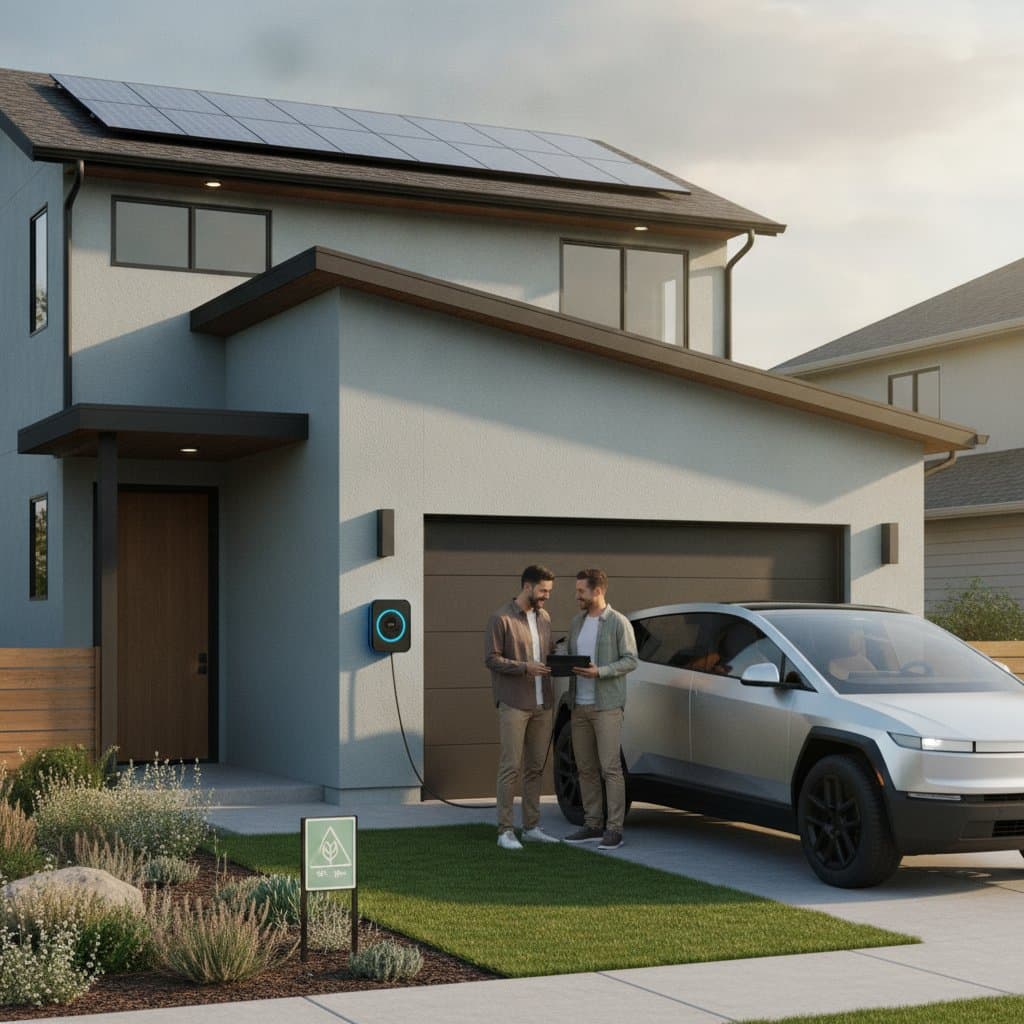
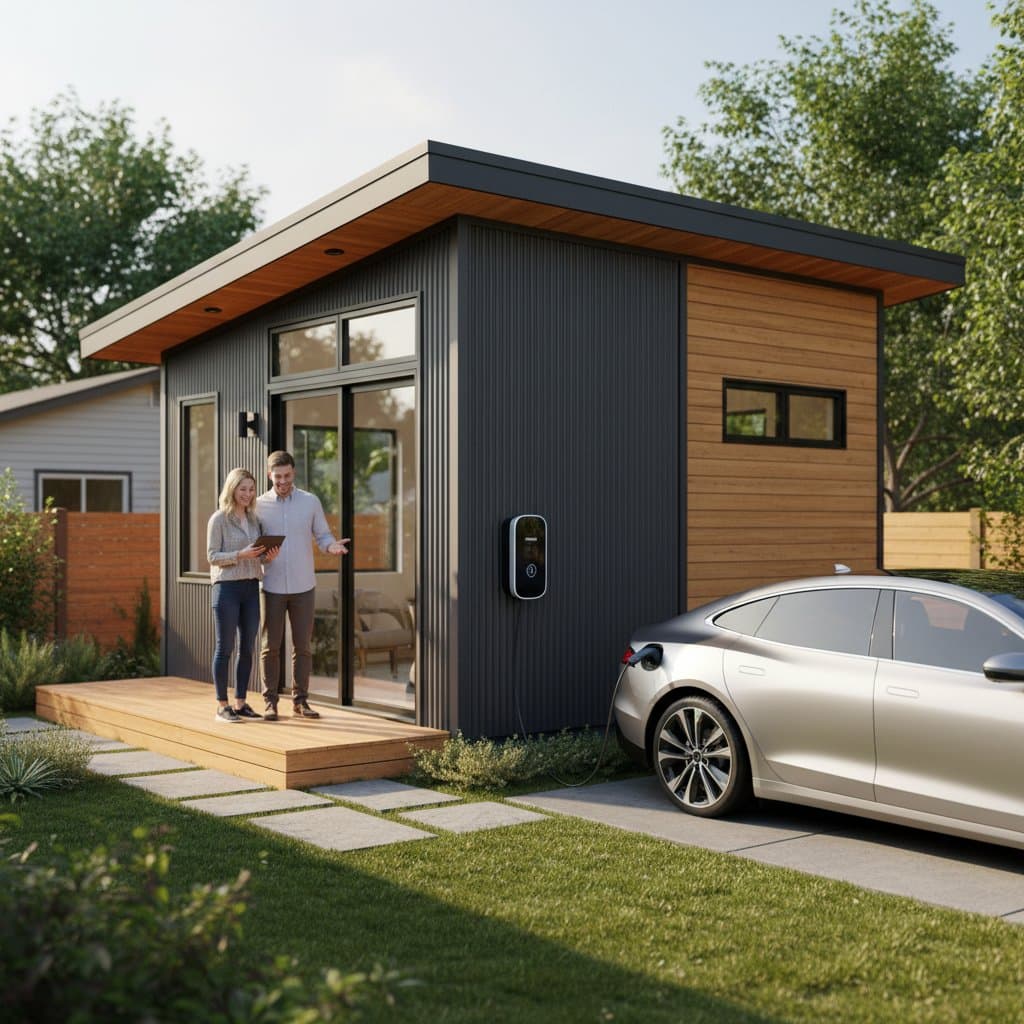
Maintaining the EV Charger
- Examine cables and connections monthly. Substitute any showing wear or damage.
- Wipe vents and enclosures using a dry cloth, steering clear of liquid contact.
- Apply software updates to ensure compatibility with emerging vehicle models.
Coverage Information
- EV chargers: Typically warrantied for three to five years.
- Integrated appliances: Covered for one to three years under standard terms.
- Construction elements: Often guaranteed for ten years by licensed builders in applicable areas.
Practical Advice: Store electronic records of all warranties and approvals. These documents prove valuable during financial restructuring or property transfers.
Ensuring Safety and Regulatory Adherence
- Permitting: Mandatory for structural, electrical, and plumbing alterations. Omissions may hinder loan approvals or coverage reimbursements.
- Zoning regulations: Verify that the property permits auxiliary residences and dedicated parking spaces.
- Fire prevention: Equip both spaces with smoke and carbon monoxide alarms.
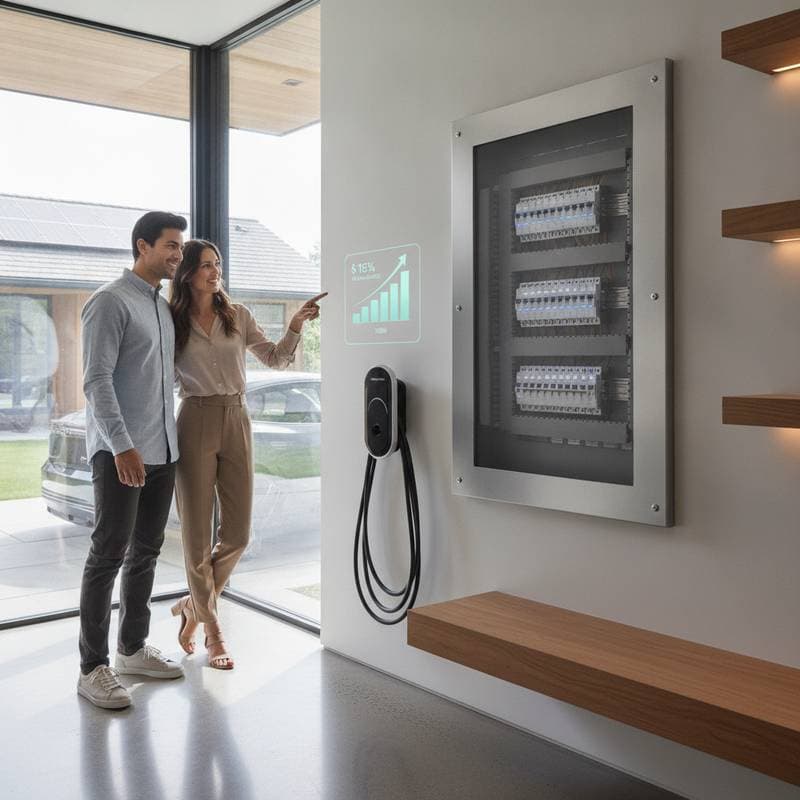
- Electrical standards: Level 2 chargers necessitate a dedicated 240-volt line with ground fault circuit interrupter safeguards.
- Accessibility provisions: Review regional mandates for barrier-free access or specified doorway dimensions.
Engage Professionals If Observing:
- Lights dimming following charger setup.
- Recurrent ground fault interruptions.
- Fractures appearing near fresh foundation lines.
- Dampness or fungal growth adjacent to plumbing joints.
Implementation Guide
Sequential Planning Framework
1. Establish Objectives
Determine whether the initiative serves familial needs, revenue generation, or appreciation potential. This decision guides aesthetic and fiscal choices.
2. Research Local Ordinances Promptly
Consult municipal planning resources online or in person. Ascertain limits on size, elevation, and vehicle accommodation for supplemental units.
3. Secure Funding Sources
Consider equity-based loans, specialized ADU financing, or refinance options. Evaluate rates and scheduling allowances.
4. Select a Reliable Contractor
Solicit a minimum of three proposals. Examine prior ADU completions, confirm credentials and protections, and negotiate contracts with defined stages and payments.
5. Prioritize Energy Optimization
Incorporate high-performance windows, energy-saving illumination, and water-conserving plumbing. Prepare wiring for potential solar integration or energy storage.
6. Time the Charger Integration
Align with the electrician prior to enclosing walls. Early conduit placement prevents expensive adjustments.
Practical Actions to Take Now
- Arrange a Professional Site Assessment from a certified builder or ADU expert. This review identifies boundary offsets, service availability, and feasibility.
- Inquire about Charger Incentives through your energy supplier. Rebates frequently offset $500 to $1,000 of setup expenses.
- Initiate Design Processes Immediately to align with peak leasing periods. Advance approvals conserve significant time.
- Allocate Funds for Upkeep in tandem with revenue forecasts. Well-maintained spaces retain occupants and safeguard investments.
A granny flat combined with EV charging represents a strategic enhancement. This addition fortifies asset worth, draws dependable renters, and positions the property advantageously amid evolving transportation demands.