Wine Cellars Now Adding 15% to Home Values
In the competitive real estate market, homeowners seek distinctive features that set properties apart. A custom wine cellar emerges as a sophisticated addition that combines luxury with practicality. This installation not only enhances daily living but also significantly increases property appeal to potential buyers.
Real estate experts project that well-designed wine cellars will contribute up to 15 percent to home values by 2026. Such projections stem from growing demand for high-end amenities in upscale residences. Homeowners who invest in these spaces position their properties as premium offerings in desirable neighborhoods.
Understanding the Value Boost
Wine cellars transcend mere storage solutions; they represent a lifestyle statement. Buyers associate them with refined tastes and meticulous attention to detail. In markets where luxury homes dominate, this feature differentiates listings and justifies higher asking prices.
Market data indicates that properties with integrated wine storage command premiums. For instance, in regions like California wine country or urban centers with affluent populations, cellars correlate with faster sales and elevated offers. The 15 percent increase reflects broader trends toward personalized, experiential home designs.
This value addition arises from multiple factors. Climate-controlled environments preserve collections while showcasing architectural ingenuity. Integration with home aesthetics further amplifies perceived worth, making the cellar a focal point during showings.
Planning Your Wine Cellar
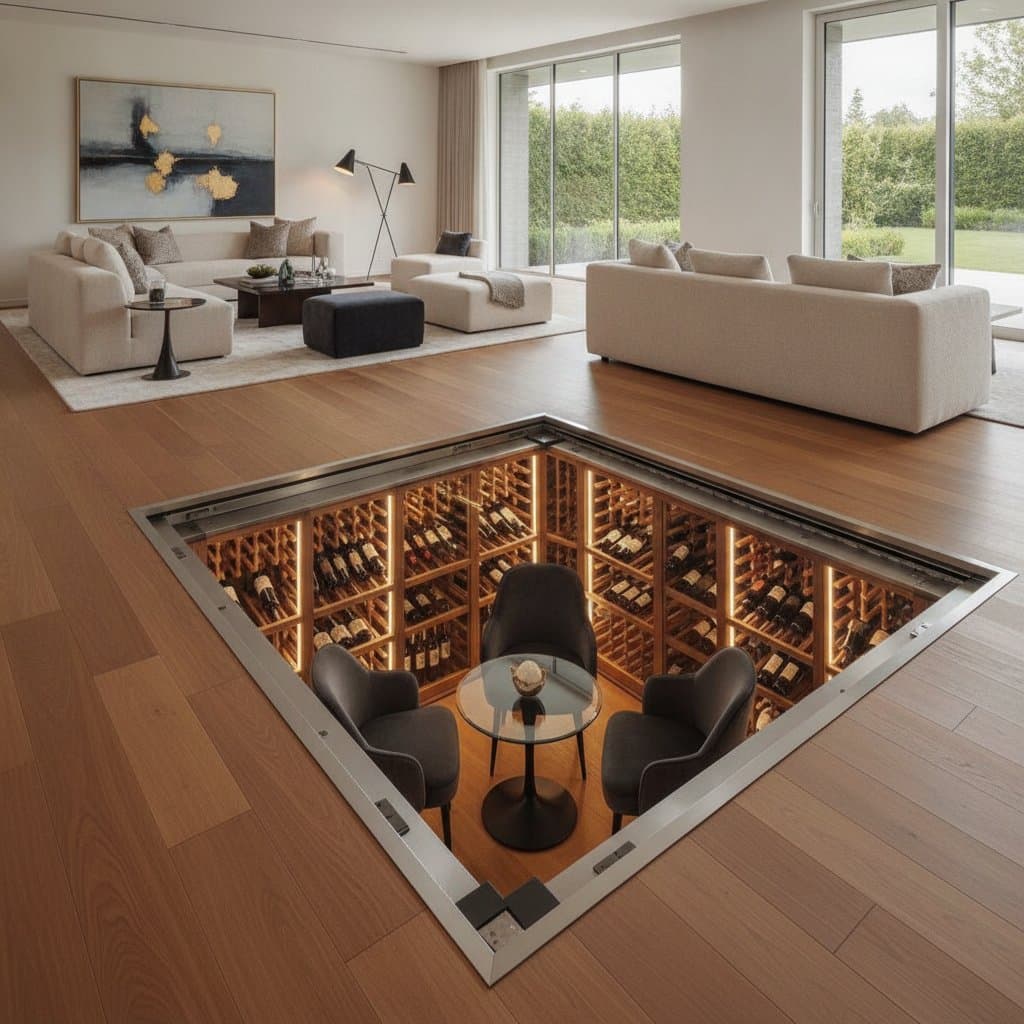
Effective planning begins with assessing available space. Basements, closets, or under-stair areas often serve as ideal locations. Consider the collection size; a modest setup accommodates 100 to 200 bottles, while larger designs handle thousands.
Consult professionals early to evaluate structural needs. Humidity control, temperature regulation, and insulation require precise engineering. Local building codes may influence placement, especially in areas prone to seismic activity or flooding.
Budget allocation plays a crucial role. Initial costs range from $10,000 for basic installations to over $100,000 for elaborate custom builds. Factor in ongoing expenses like electricity for cooling systems and potential renovations to adjacent spaces.
Key Steps in the Planning Process
- Define your collection goals and storage capacity.
- Survey the site for accessibility and environmental suitability.
- Engage architects or specialists for feasibility studies.
- Outline a timeline that aligns with home improvement schedules.
- Secure permits and approvals from local authorities.
These steps ensure the project aligns with long-term home objectives and maximizes return on investment.
Design Considerations for Maximum Appeal
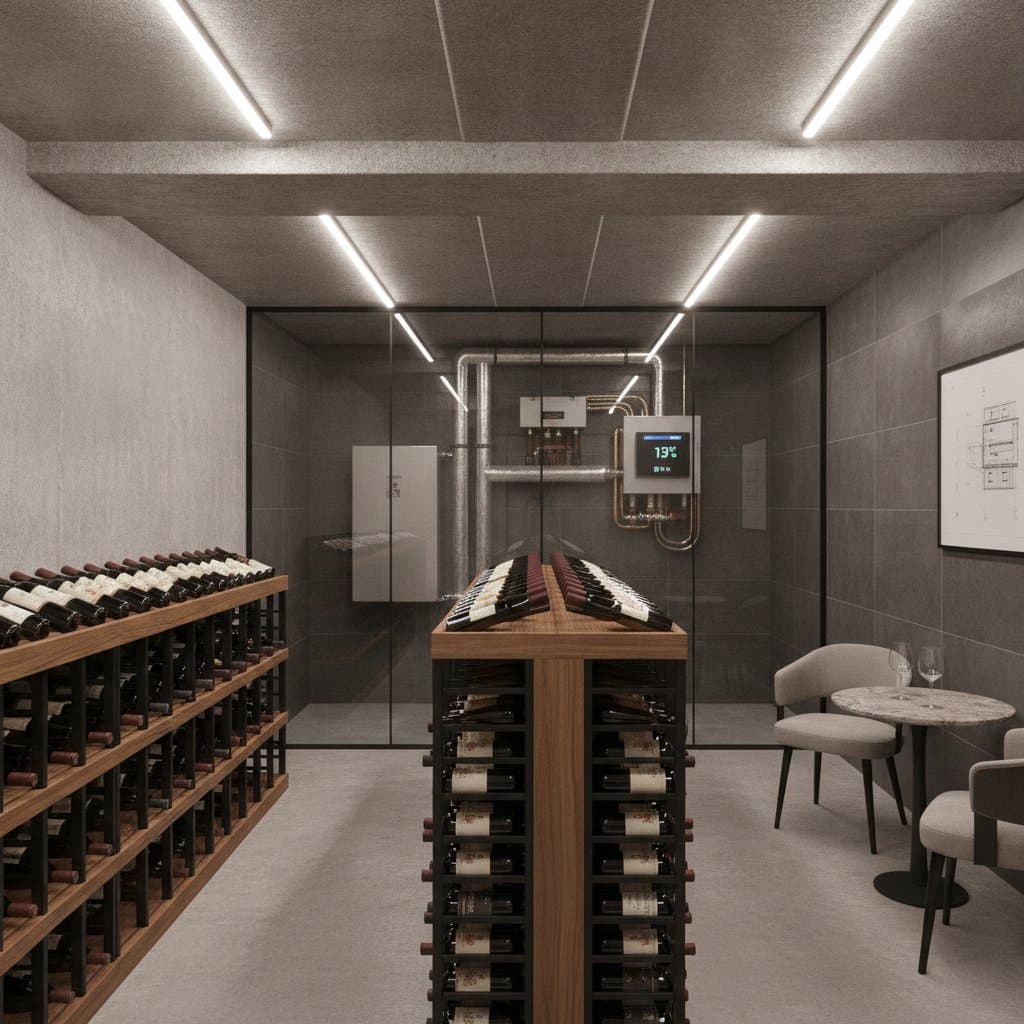
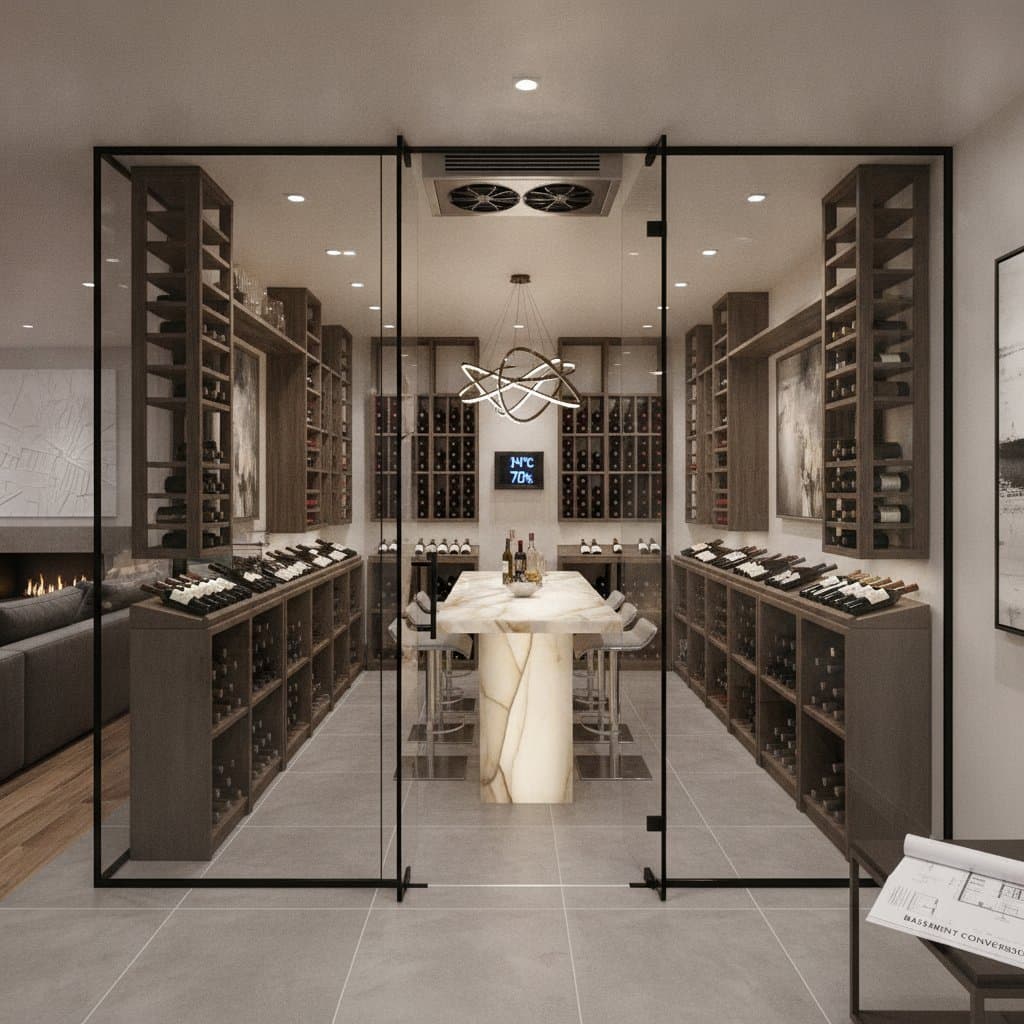
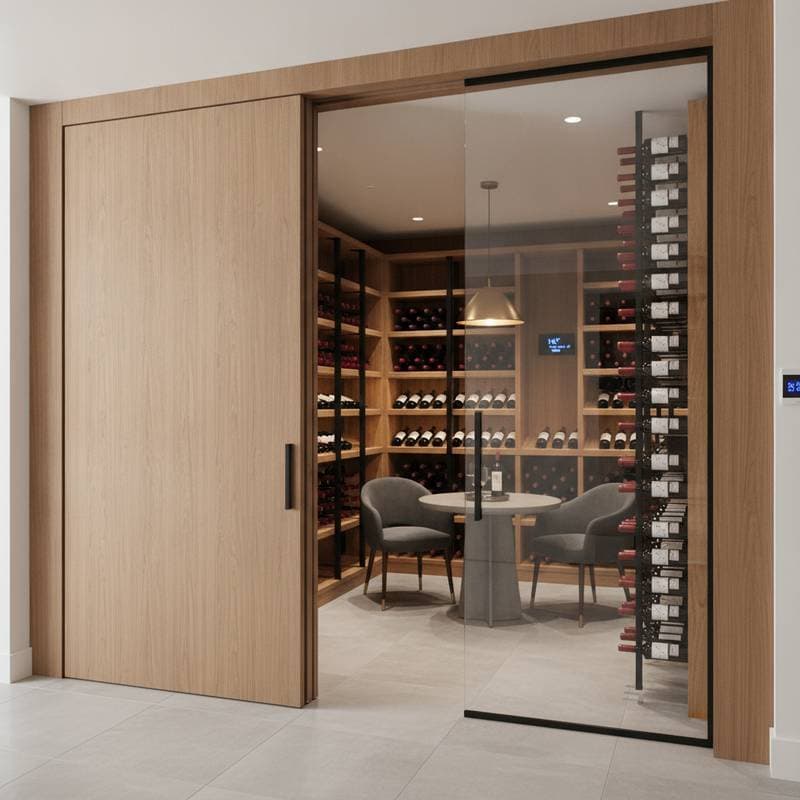
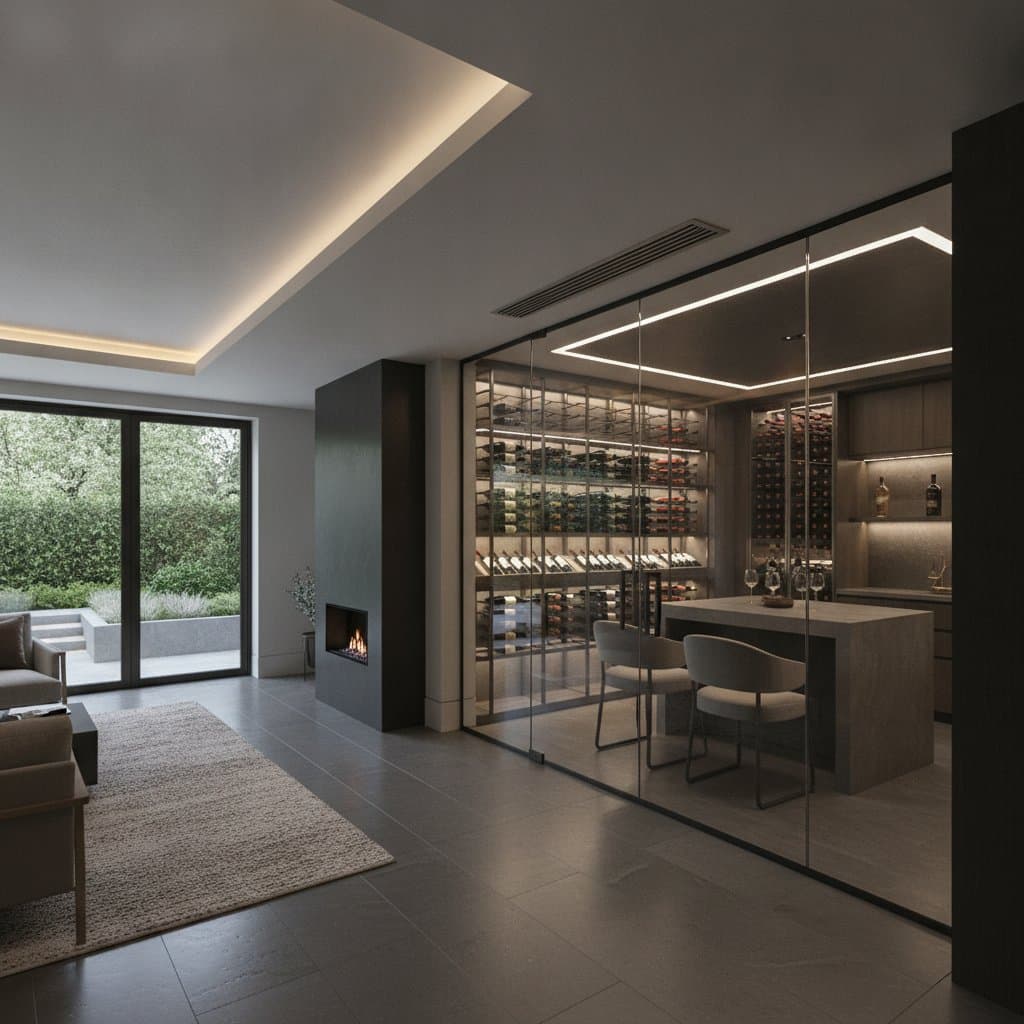
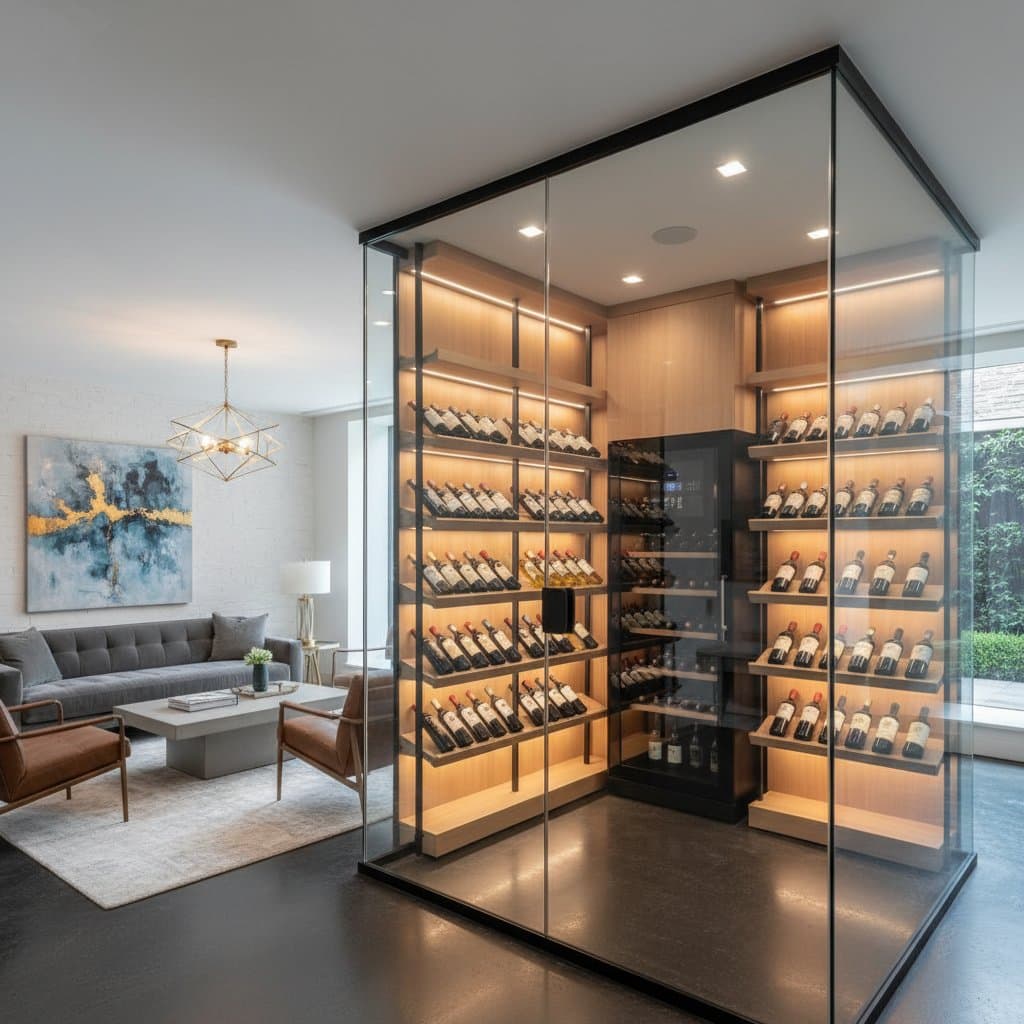
Design choices directly impact both functionality and aesthetic integration. Opt for materials that complement the home's style, such as reclaimed wood racks or glass enclosures for visibility. Lighting should highlight bottles without generating excess heat.
Temperature consistency remains paramount; maintain 55 degrees Fahrenheit with 50 to 70 percent humidity. Advanced systems include dual-zone cooling for varied wine types, from reds to whites. Racks constructed from stable woods like mahogany or redwood prevent vibrations that could disturb sediments.
Incorporate user-friendly elements. Pull-out shelves facilitate easy access, while seating areas create inviting tasting nooks. Smart technology, such as inventory apps integrated with sensors, streamlines management and adds modern convenience.
Essential Design Features
- Custom Racking: Tailored to bottle shapes, including magnums and half-bottles.
- Security Measures: Locks and alarms protect valuable collections.
- Aesthetic Enhancements: Decorative elements like stone walls or LED accents.
- Ventilation Systems: Quiet fans to circulate air and prevent mold.
Thoughtful design elevates the cellar from utility to showpiece, enhancing overall home luxury.
Costs, ROI, and Financing Options
Investment in a wine cellar yields tangible financial benefits. Entry-level options start at $50 per bottle for basic storage, escalating with customization. Professional installation adds $5,000 to $20,000, depending on complexity.
Return on investment materializes through resale value. Appraisers recognize cellars as upgrades comparable to gourmet kitchens or home theaters. In high-demand areas, the 15 percent uplift translates to substantial gains; a $1 million home could see an additional $150,000 in appraised value.
Financing approaches vary. Home equity loans cover costs without disrupting cash flow. Some homeowners integrate projects into broader renovations for tax advantages. Long-term, energy-efficient systems reduce utility bills, further bolstering savings.
Maintenance for Long-Term Value
Proper upkeep preserves both the collection and the investment. Regular inspections check for temperature fluctuations or humidity imbalances. Clean racks and floors quarterly to avoid dust accumulation that could affect wine quality.
Monitor system performance with digital gauges. Replace filters in cooling units annually and service compressors as recommended. Inventory tracking prevents overstocking, which might strain capacity.
Seasonal adjustments account for external changes. In warmer climates, bolster insulation against heat infiltration. These practices ensure the cellar remains a reliable asset, supporting sustained value growth.
Routine Maintenance Checklist
- Test temperature and humidity levels monthly.
- Dust and sanitize storage areas every three months.
- Inspect racking for stability and wear.
- Update inventory records after additions or removals.
- Schedule professional servicing yearly.
Diligent maintenance minimizes repairs and maximizes enjoyment.
Realizing Lifestyle and Financial Rewards
A wine cellar enriches home life by providing a dedicated space for appreciation and entertainment. Host gatherings in this elegant setting, fostering memorable experiences. The feature appeals to buyers seeking turnkey luxury, streamlining the selling process.
Financially, the projected 15 percent value increase by 2026 underscores strategic planning. Homeowners who prioritize quality craftsmanship secure enduring benefits. This addition not only elevates current living standards but also fortifies future market positioning.
Embrace the opportunity to transform space into enduring value. With careful execution, a wine cellar becomes a cornerstone of home enhancement and prosperity.