How EV Chargers Boost Home Value Like Essential HVAC Systems by 2026
Electric vehicles represent a growing segment of transportation, with projections indicating widespread adoption by 2026. Homeowners who install EV chargers position their properties as forward-thinking assets, much like central air conditioning systems enhanced real estate appeal decades ago. This upgrade not only supports daily convenience but also elevates market desirability in an era of sustainable living.
The Rising Demand for EV Infrastructure
The shift toward electric vehicles accelerates as battery technology improves and government incentives expand. By 2026, experts anticipate that EVs will comprise a significant portion of new vehicle sales, driving demand for compatible home charging solutions. Properties equipped with EV chargers stand out to eco-conscious buyers, offering immediate functionality that rivals the comfort provided by modern HVAC systems.
This infrastructure parallels the evolution of home heating and cooling. Just as HVAC became a standard expectation, EV chargers will likely influence buyer preferences. Homeowners gain a competitive edge in resale markets, where such features signal long-term value and reduced utility dependencies.
Types of Home EV Chargers
Home EV chargers fall into two primary categories: Level 1 and Level 2. Level 1 chargers connect to standard 120-volt outlets and deliver slower charging speeds, suitable for overnight use with minimal setup. These units cost between $300 and $600, making them an accessible entry point for occasional EV owners.
Level 2 chargers require a 240-volt circuit and provide faster charging, often completing a full battery cycle in 4 to 8 hours. Prices range from $500 to $1,200 for the unit itself, with total installation costs averaging $1,200 to $1,800 depending on electrical upgrades. For households with multiple vehicles or daily commuters, Level 2 options maximize efficiency and convenience.
Selecting the right type involves assessing household needs, such as vehicle battery size and usage patterns. Professional consultations ensure compatibility with existing electrical systems, preventing overloads or inefficiencies.
Installation Essentials
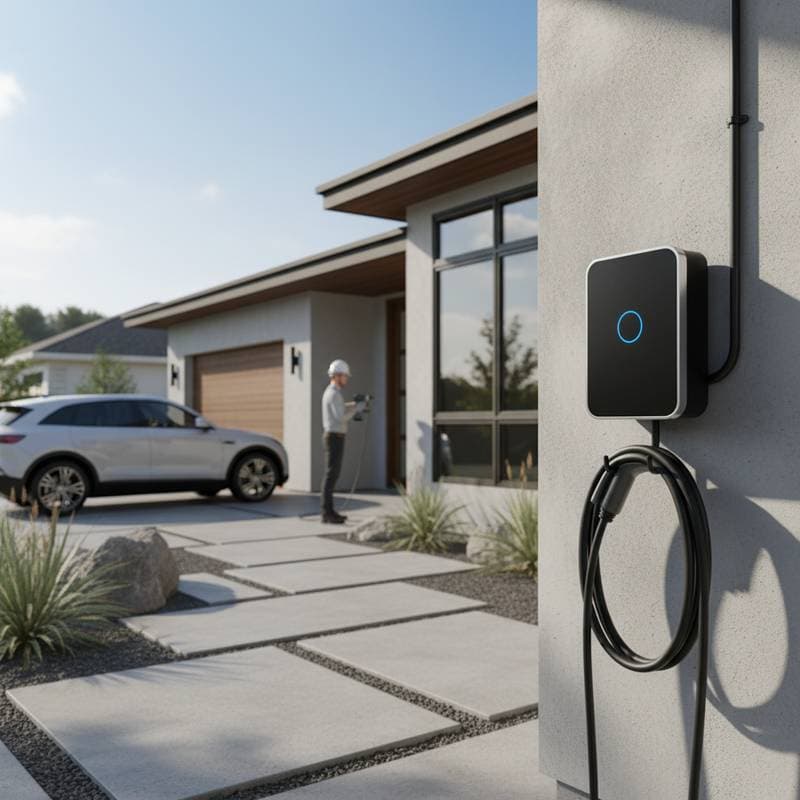
Professional installation remains crucial for safety and compliance with local codes. Begin by hiring a licensed electrician to evaluate the home's electrical panel capacity. This assessment identifies necessary upgrades, such as adding a dedicated circuit or subpanel, which typically takes 4 to 8 hours of labor.
Permits and inspections follow the planning phase, ensuring adherence to standards set by bodies like the National Electrical Code. Placement options include garages, driveways, or exterior walls, with weatherproof enclosures recommended for outdoor units. Total timelines span 1 to 2 weeks, allowing homeowners to schedule around daily routines.
Budget for variables like distance from the panel to the charger location, which can add $200 to $500 in wiring costs. Incentives from utility providers or federal tax credits often offset expenses, reducing the net investment to under $1,000 in many cases.
Maintenance and Long-Term Care
Routine maintenance keeps EV chargers reliable and extends their lifespan, which averages 10 to 20 years. Inspect connections quarterly for wear, corrosion, or loose fittings, and clean the unit with a dry cloth to remove dust accumulation. Software updates, if applicable, enhance performance and security features.
Monitor for warning signs such as unusual noises, overheating, or failure to initiate charging. Annual professional checkups verify grounding integrity and circuit health, preventing potential hazards. Proper care minimizes downtime and preserves warranty coverage from manufacturers.
Integrate chargers with smart home systems for remote monitoring, which alerts users to issues via apps. This proactive approach ensures seamless operation, supporting the charger's role as a dependable home feature.
Calculating Return on Investment
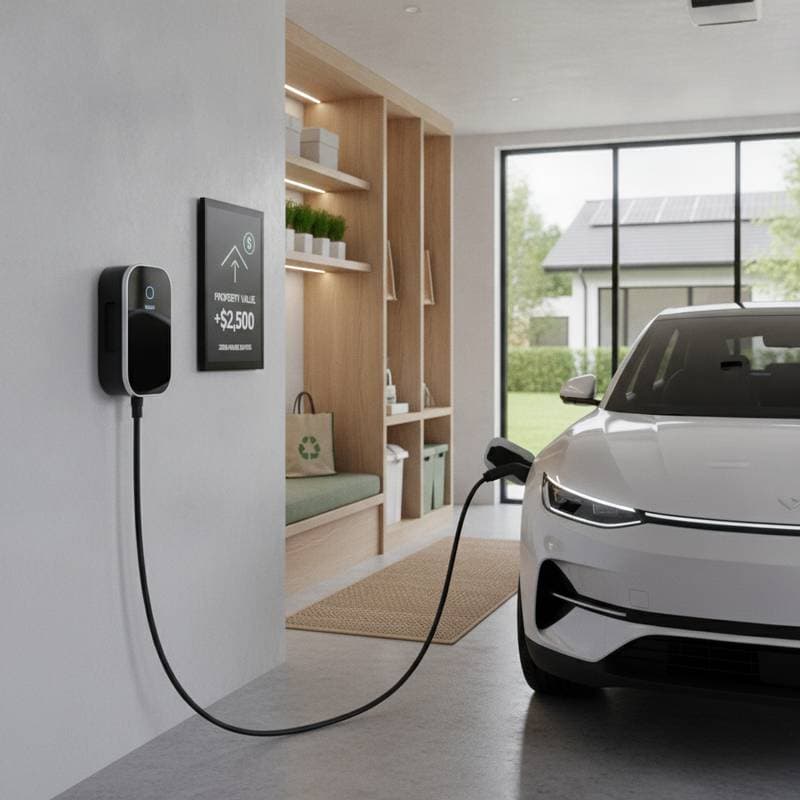
EV chargers deliver tangible ROI through increased property values and buyer attraction. Studies suggest that such installations can raise home appraisals by 1 to 3 percent, translating to thousands in added equity for mid-range properties. In markets with high EV adoption, like California, premiums reach up to $5,000 or more.
Energy savings contribute further, as home charging costs about half as much per mile compared to public stations. For a typical commuter, this equates to $500 annual savings, recouping installation costs within 3 to 5 years. Resale benefits amplify when marketing highlights the feature to tech-savvy demographics.
Factor in broader appeal: Chargers future-proof homes against rising fuel prices and environmental regulations. This strategic upgrade aligns with trends, positioning properties for sustained appreciation through 2026 and beyond.
Steps to Integrate EV Charging Today
Start by researching local rebates and consulting certified installers for personalized quotes. Review vehicle compatibility to match charger output with battery requirements. Document the installation for insurance and tax purposes, maximizing financial advantages.
Engage with community resources, such as utility programs, to streamline the process. These actions transform a simple addition into a cornerstone of home modernization. Homeowners who act now secure lasting benefits in an electrified future.