Permeable Driveways: Reduce Flooding and Increase Value by 11 Percent
Average cost: $12,000 for a two-car driveway, with a range of $8,000 to $18,000 based on material selection and site slope.
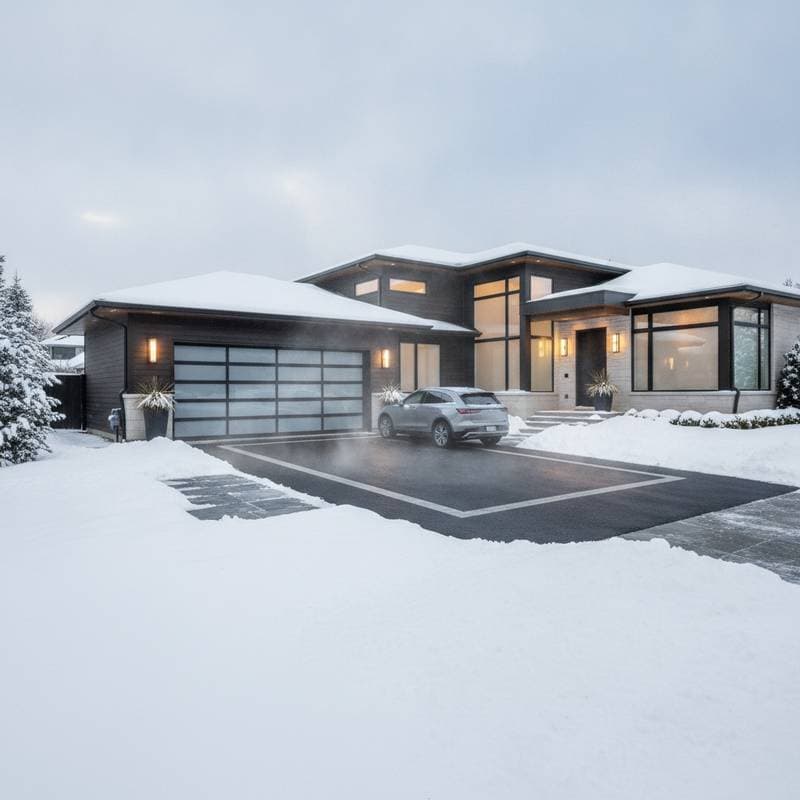
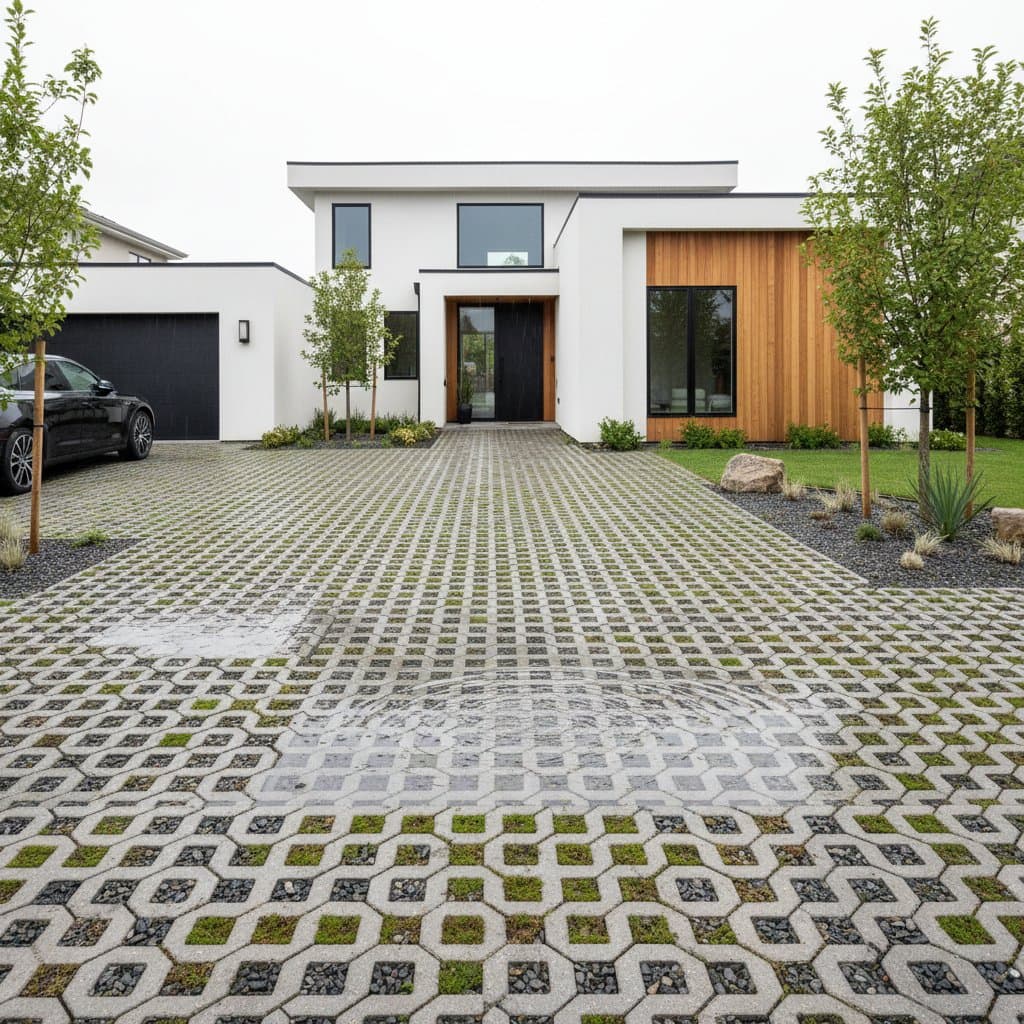
A permeable driveway elevates property value by approximately 11 percent while mitigating stormwater runoff and flood risks. This design allows rainwater to infiltrate the ground directly rather than directing it toward streets or sewers, which alleviates drainage challenges and associated municipal fees. Homeowners benefit from enhanced environmental integration and long-term financial savings.
Factors Influencing Costs
Permeable driveways require a higher initial investment compared to conventional concrete or asphalt installations. However, the returns manifest through superior drainage management, water conservation, and reduced ongoing maintenance expenses. The following elements determine the overall price.
Material Selection
- Permeable pavers: Priced at $10 to $25 per square foot, varying by design complexity and thickness. These offer the longest durability and most attractive visual finish.
- Porous asphalt: Costs $8 to $15 per square foot. Installation proceeds more rapidly, though it demands increased upkeep over time.
- Pervious concrete: Ranges from $9 to $17 per square foot. It provides a seamless appearance, making it suitable for level terrains.
Excavation and Base Preparation
Anticipate $2 to $5 per square foot for excavating soil and installing a gravel sub-base. Greater excavation depth enhances water infiltration but elevates expenses. Sites with clay-heavy soil often necessitate additional aggregate layers to ensure effective drainage.
Labor Considerations
Experienced installation teams typically charge $4,000 to $7,000 for a standard project. Areas with elevated labor rates or scarce specialists may incur higher fees. While DIY approaches exist, they require access to specialized equipment for grading and compaction.
Permits and Required Testing
Certain municipalities mandate permeability assessments or stormwater management permits. Allocate $300 to $800 for application fees and inspections to meet local regulations.
Disposal Fees and Optional Enhancements
Removing existing asphalt or concrete incurs $50 to $100 per ton in disposal costs. Features such as edging, ornamental borders, or integrated lighting may add $1,000 to $3,000 to the total.
DIY Installation Versus Professional Services
Scenarios for DIY Projects
Homeowners may handle smaller-scale installations, such as gravel grid systems or joint material renewal in existing pavers. Essential tools and materials include:
- A rented plate compactor for surface stabilization.
- Leveling instruments and screed bars for even distribution.
- Protective equipment: gloves, eye protection, and a dust mask.
- Geotextile fabric and bulk aggregate deliveries.
Required expertise: Intermediate level, with proficiency in achieving proper slope and evaluating soil permeability.
Potential pitfalls: Inadequate base compaction leads to surface depressions and water pooling, undermining the system's effectiveness.
Reasons to Engage Professionals
Opt for certified contractors in these situations:
- When the project area surpasses 300 square feet.
- If the site features a slope exceeding 5 degrees.
- For projects involving soil amendments or connections to existing drainage systems.
- To secure warranty protection for foundational elements.
Professionals guarantee appropriate aggregate thickness, secure edge restraints, and precise compaction standards. Many provide workmanship warranties extending 10 years.
Maintenance Practices and Warranty Details
Permeable driveways demand consistent care to preserve pore openness and optimal water flow.
Everyday Maintenance
- Perform vacuuming or pressure washing biannually to clear accumulated debris.
- Apply weed prevention measures in paver joints to sustain permeability.
- Replenish gravel in joints periodically to counteract material displacement.
- Refrain from applying sealants, as they obstruct water passage.
Extended Maintenance Strategies
- Inspect for low spots or blockages following significant rainfall events.
- Address clogged sections by removing affected pavers, cleansing the sub-base, and repositioning components.
- Conduct re-leveling every decade to correct soil settlement variations.
Warranty Coverage
- Materials: Pavers typically carry 20- to 25-year guarantees, while asphalt or concrete versions offer 10 years.
- Installation quality: Ranges from 5 to 10 years, contingent on the contractor's terms.
Retain all documentation and warranty information. Transferable policies enhance marketability during property sales.
Safety Protocols and Regulatory Compliance
Prior to excavation, contact utility services to locate underground lines. Deactivate nearby irrigation systems and secure sprinkler heads. When working with concrete or asphalt, utilize a respirator during mixing or cutting operations to protect respiratory health.
Common Permit Requirements
- Installations exceeding 500 square feet frequently trigger stormwater evaluations.
- Properties in historic zones may require aesthetic or design approvals.
- Street-adjacent driveways necessitate municipal permits for curb modifications.
Selecting a licensed professional safeguards adherence to building codes and prevents conflicts over water management with adjacent properties.
Selecting the Optimal Driveway Solution
Evaluating permeable options against traditional driveways reveals advantages in flood prevention, runoff fee reductions, and elevated aesthetic value. Standard concrete installations cost $6 to $10 per square foot initially but accumulate expenses through drainage issues and periodic resurfacing. Permeable alternatives generally exhibit greater longevity and contribute to groundwater replenishment.
For replacements of deteriorated driveways, account for $1,000 to $2,500 in demolition and site preparation fees. Transitioning to permeable materials introduces enhanced strength and a marketable eco-friendly attribute that appeals to prospective buyers.
Permeable pavers with gravel-filled joints represent an ideal choice for many homeowners, striking a balance among expense, design flexibility, and repair simplicity. In regions susceptible to flooding, the superior infiltration capacity averts substantial water damage costs, often amounting to thousands of dollars.
Practical Steps for Implementation
- Assess site conditions. Conduct a basic infiltration test by pouring water into a dug hole and timing its absorption rate.
- Solicit estimates. Obtain a minimum of three proposals from installers experienced in stormwater solutions, requesting written details on base specifications and aggregate types.
- Evaluate material samples. Tour supplier showrooms to examine color variations and surface textures, ensuring harmony with your home's architecture.
- Design water management. Verify that runoff directs away from building foundations and that surrounding vegetation aids natural absorption.
- Time the project appropriately. Initiate work during dry periods to facilitate effective compaction and base integrity.
- Initiate upkeep promptly. Clean the driveway surface ahead of the initial major rain to avoid early sediment buildup.
A permeable driveway transcends mere paving; it serves as a proactive measure against storms, safeguarding landscapes and elevating property worth. From economical gravel systems to sophisticated pavers, this investment fosters a more sustainable, secure, and enduring home environment.