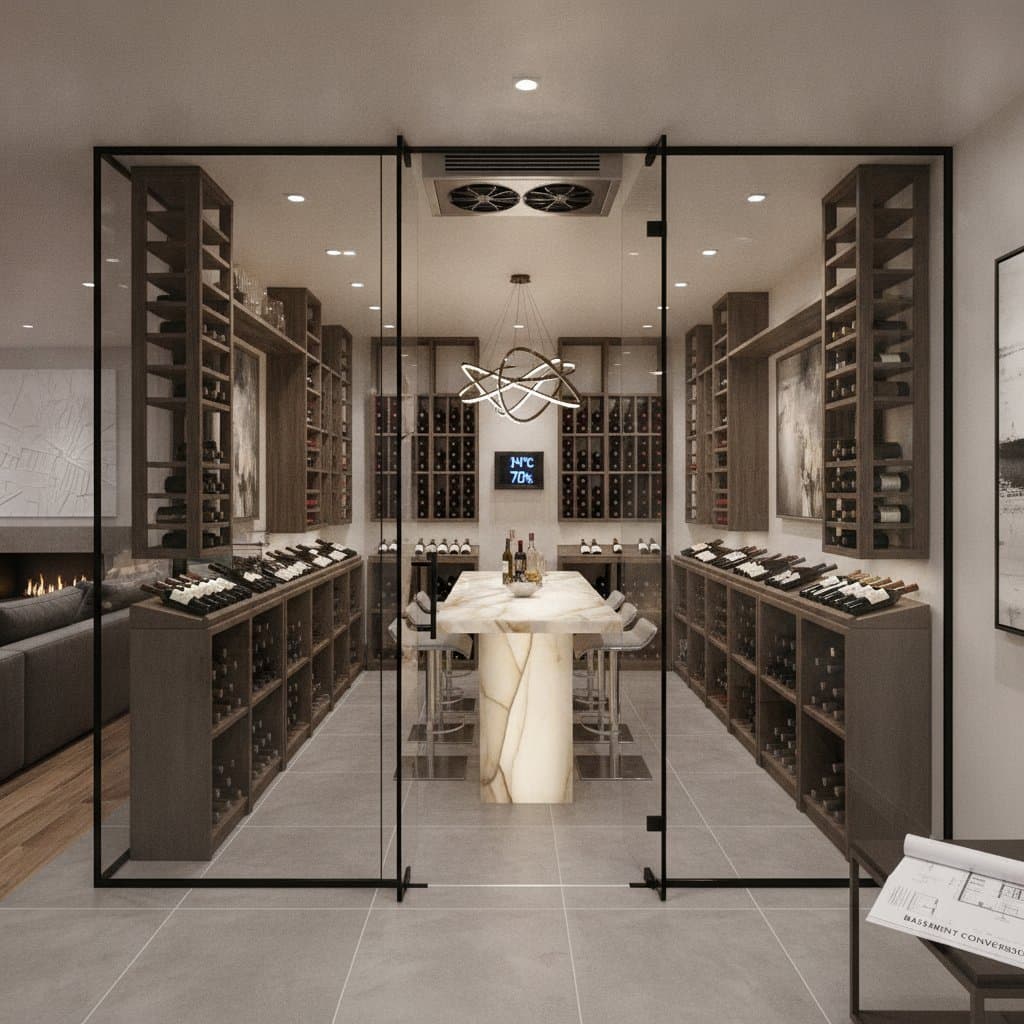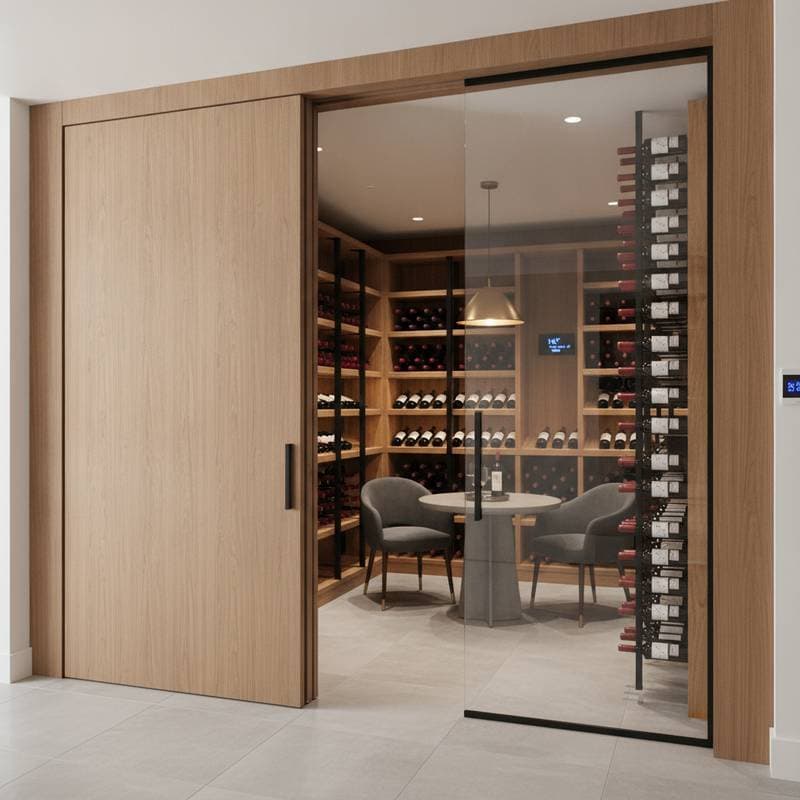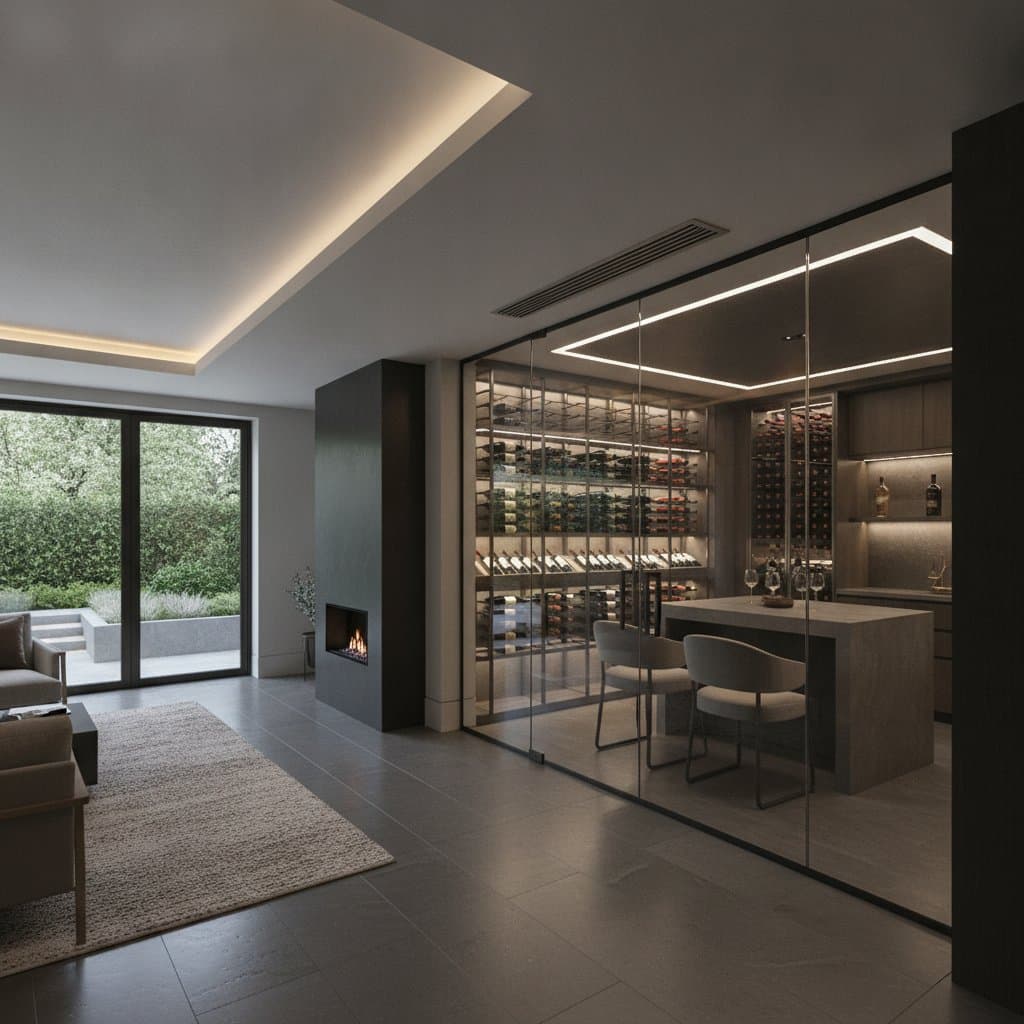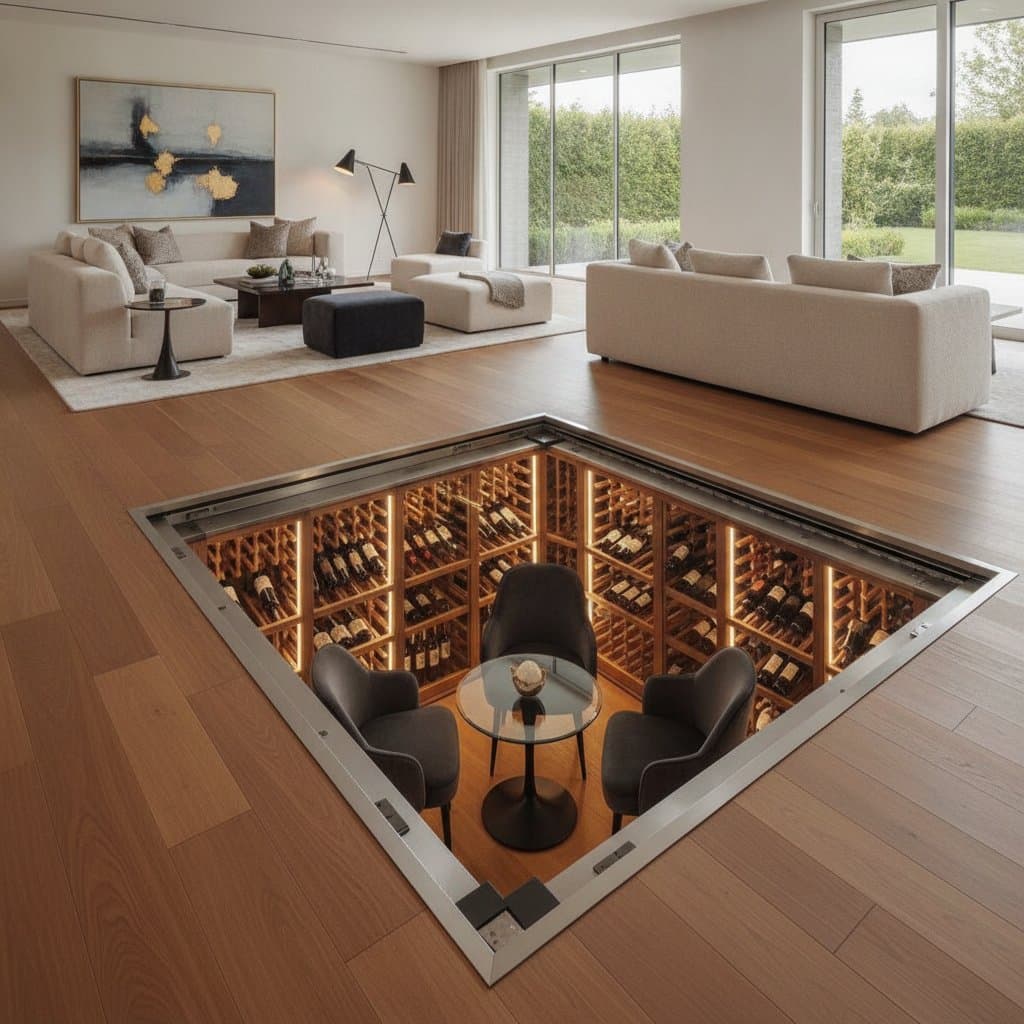
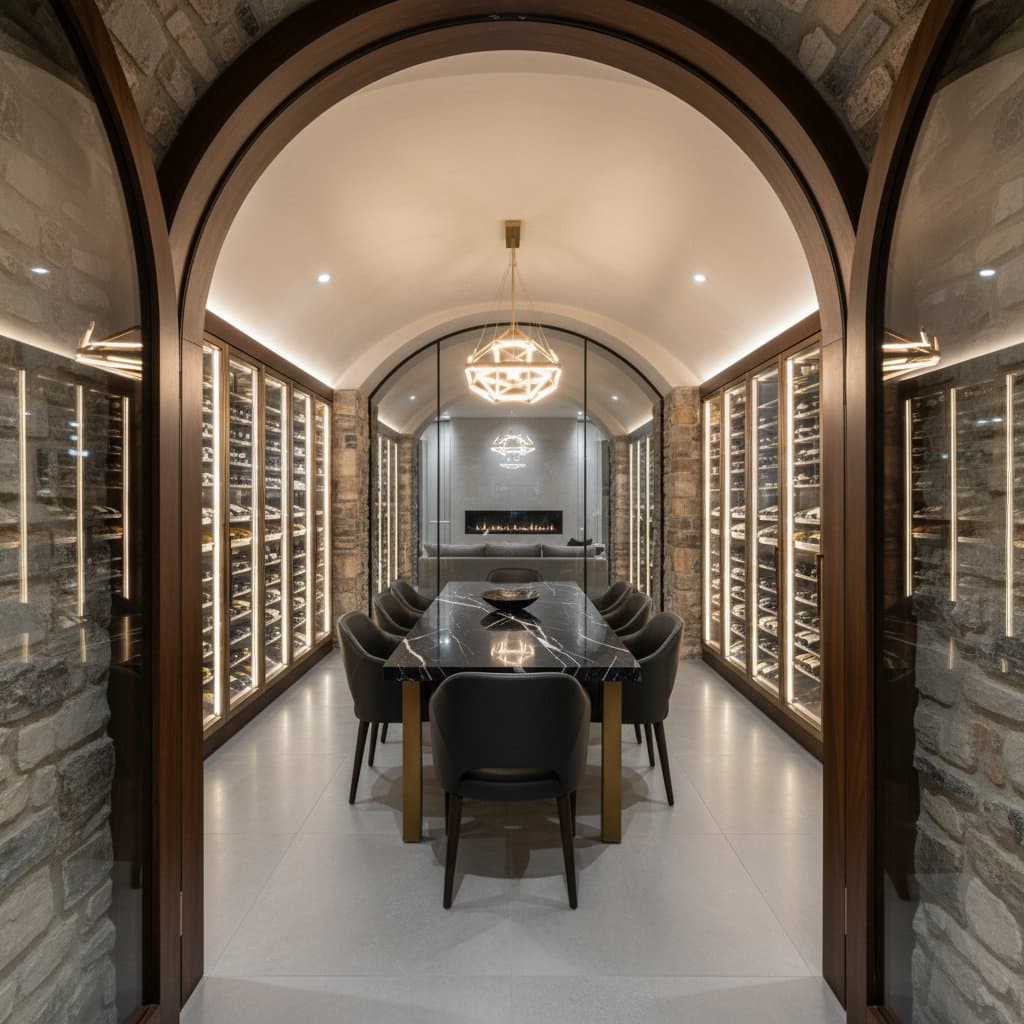
Why Underground Wine Cellars Top 2026 ROI
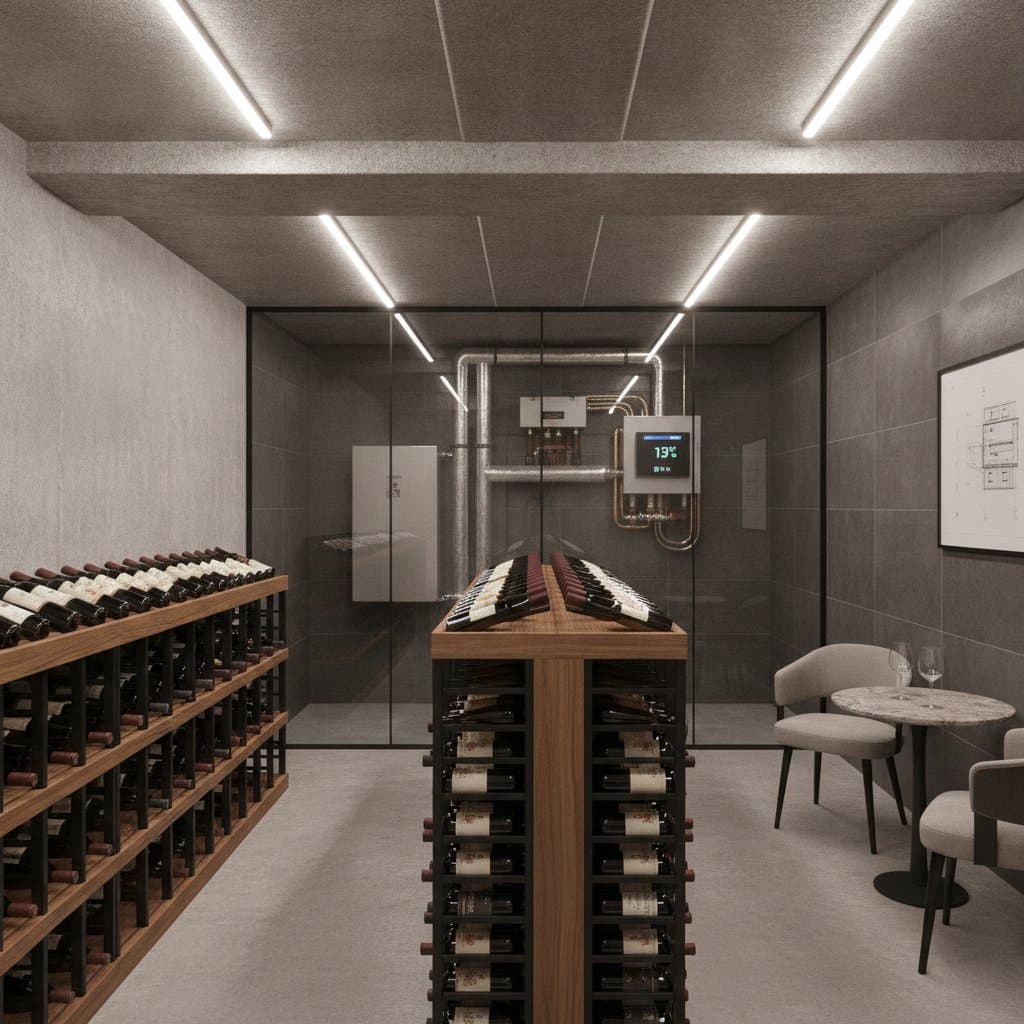
Adding an underground wine cellar ranks among the most effective luxury upgrades for enhancing long-term property value. Homeowners select this feature for its practical benefits and strong financial returns. The cellar provides a climate-controlled environment for wine storage and social gatherings, while increasing appeal in the upscale real estate market. For properties with unfinished basements or underutilized lower levels, transforming such spaces into a wine cellar yields impressive investment outcomes.
Cost Snapshot
A standard underground wine cellar ranges from $30,000 to $80,000 across the United States. Many homeowners allocate $40,000 to $65,000 for a medium-sized, climate-controlled area accommodating 1,000 to 1,500 bottles. Smaller conversions or partial setups begin around $15,000, whereas expansive designs incorporating tasting lounges surpass $150,000.
Key factors influencing expenses include:
- Excavation or modifications to foundations for subterranean installations
- Climate control systems, encompassing cooling units and humidity regulators
- Quality of materials for shelving, flooring, and wall treatments
- Electrical wiring and specialized lighting configurations
- Required permits and adherence to local building codes
Pros and Cons
Pros
- Elevates property value within premium housing segments
- Safeguards wine integrity via consistent temperature and humidity levels
- Introduces a distinctive element that differentiates listings from competitors
- Expands functional space for hosting events
- Eliminates disorganization associated with surface-level storage solutions
Cons
- Demands substantial initial investment for digging and completion
- Necessitates regular upkeep of climate control mechanisms
- Offers limited utility for individuals without wine collections
- Often requires professional structural assessments prior to commencement
Options and Types
1. Basement Conversion
This approach repurposes existing basement areas, representing the most economical choice. It suits homes featuring partial basements or raw storage zones, minimizing disruption while achieving core functionality.
2. Full Underground Build
Involving excavation below ground level, this method excels in new builds or extensive renovations. It delivers superior thermal consistency and elevates the home's luxurious character.
3. Walk-In Wine Room
Positioned above ground with comprehensive insulation and climate management, this variant installs with relative ease. However, it provides less environmental stability compared to true subterranean designs.
4. Spiral Cellar
Featuring a compact, cylindrical structure embedded in floor voids, this option integrates seamlessly under kitchens or living areas. It proves ideal for residences lacking ample basement square footage.
DIY vs Professional Installation
Constructing an underground wine cellar seldom qualifies as a do-it-yourself endeavor. The project demands expertise in structural engineering, electrical systems, and heating, ventilation, and air conditioning. While a modest above-ground wine room might span a weekend for experienced hobbyists, authentic cellars require professional oversight to ensure safety and efficacy.
DIY Approach
- Difficulty level: High
- Timeline: Four to eight weeks for modest adaptations
- Essential tools: Framing equipment, insulation materials, vapor barriers, and cooling components
- Potential hazards: Water infiltration, fluctuating conditions, and regulatory infractions
Professional Approach
Professionals remain essential for projects involving excavation or load-bearing alterations. They guarantee proper installation of vapor barriers and drainage features. Such experts furnish warranties, comply with codes, and enhance the feature's marketability during sales.
Select a licensed contractor experienced in wine cellar construction. These specialists account for regional soil properties, weight capacities, and airflow regulations.
Step-by-Step Construction Guide
- Evaluate the site and framework. Inspect for dampness, water runoff, and adequate overhead clearance to confirm feasibility.
- Design the configuration. Specify storage capacity, access pathways, and provisions for a tasting zone if desired.
- Apply vapor barriers. These linings block moisture transfer across walls and floors, preserving internal conditions.
- Incorporate insulation. High-quality barriers maintain steady temperatures and ease the burden on mechanical systems.
- Erect framing and utilities. Integrate wiring, illumination, and refrigerant lines to support operations.
- Deploy the cooling apparatus. Opt for ducted or wall-mounted units calibrated to the room's dimensions.
- Complete interior surfaces. Employ impervious options such as stone cladding, ceramic tiles, or sealed concrete for durability.
- Assemble storage solutions. Customize racks to accommodate various bottle dimensions while promoting air circulation.
- Validate operations and secure entry. Monitor humidity and temperature metrics prior to stocking, then seal the doorway tightly.
Post-construction tasks involve clearing debris and fine-tuning airflow for uniform climate distribution.
Maintenance and Durability
A properly constructed underground wine cellar endures for generations under routine attention. The climate control unit demands the most consistent care to sustain performance.
Standard Upkeep Routine
- Monitor temperature and humidity readings each month
- Replace air filters at the start of every season
- Examine door gaskets and vapor seals annually
- Arrange professional servicing of the cooling system biennially
Cooling equipment typically operates for eight to twelve years, contingent on operational demands. Shelving and surface treatments persist indefinitely provided humidity remains within 55 to 70 percent.
Alternative Storage Solutions
Wine Refrigerator or Cooler
These portable units suit collections of fewer than 200 bottles. Priced from $300 to $3,000, they offer convenience but minimal influence on home valuation.
Above-Ground Wine Room
Suitable for integration into existing finished areas, this setup facilitates storage and presentation. It falls short of subterranean thermal reliability, however.
Modular Wine Cabinets
These pre-assembled units include integrated cooling. Installation occurs swiftly, though aesthetic contributions stay moderate.
Off-Site Professional Storage
Dedicated facilities uphold optimal environments for valuable vintages. While preserving collections effectively, they contribute nothing to residential enhancements.
Regional Considerations
Local weather patterns, ground composition, and workforce expenses shape both budgets and functionality. Colder regions necessitate enhanced insulation and moisture defenses. Coastal zones prioritize dehumidification and rust-proof selections. Elevated groundwater levels may call for submersible pumps or impermeable coatings.
Illustrative Regional Insights
- Los Angeles and Southern California: Predictable soils and arid conditions support dependable subterranean projects, offset by elevated labor and approval fees.
- Northeastern Areas: Protections against dampness and freezing elevate expenditures.
- Mountainous Terrains: Drilling through solid rock extends timelines and machinery requirements.
Verify municipal regulations without exception. Certain jurisdictions mandate engineering evaluations for digs beneath established foundations.
ROI and Market Impact
An expertly crafted underground wine cellar recoups 50 to 200 percent of its investment through heightened resale prices, varying by locale and property tier. Affluent purchasers regard such installations as emblems of superior workmanship and refined living. Properties showcasing regulated wine environments capture superior imagery and draw discerning clientele.
Optimal returns manifest in affluent locales with entrenched wine appreciation. There, the cellar functions as both a utilitarian asset and a communal hub. In more modest markets, benefits lean toward visual allure over monetary gains.
Strategies to Maximize Returns
- Align aesthetics with the home's overall style
- Select resilient, easy-care materials
- Incorporate viewing or tasting areas to engage prospects
- Compile records of all system maintenance for transparency
Essential Safety Measures
Subterranean projects impose stringent safety protocols that demand strict observance.
Critical Precautions
- Electrical capacity: Dedicate circuits exclusively to climate units to prevent overloads.
- Moisture management: Integrate runoff channels or collection basins as conditions warrant.
- Airflow provisions: Mitigate accumulation of stagnant or saturated atmospheres.
- Framework reinforcement: Bolster enclosures prior to digging or installing substantial fixtures.
- Regulatory approvals: Secure inspections for all wiring and structural modifications in most locales.
Ground electrical connections thoroughly before activating any cooling device. The combination of water and power poses severe risks if mishandled.
Bringing Your Wine Cellar to Life
An underground wine cellar merges personal enjoyment with strategic asset growth. Enthusiasts of curation and hospitality discover enduring enrichment in its presence. For those preparing to sell, it forges a memorable attribute that lingers in buyer memories.
Initiate the process by surveying your lower-level spaces for drainage efficiency, vertical space, and entry convenience. Solicit bids from no fewer than three certified builders versed in cellar fabrication. Request client testimonials and data on climate efficacy from prior installations.
Following completion, uphold steady environmental controls and tidiness. Reliable humidity and temperature not only shield your collection but also fortify the upgrade's worth. Thoughtful planning and diligent care position the wine cellar as a perpetual enhancement to lifestyle and equity alike.
FAQ
How much space does a wine cellar require?
A compact area spanning 50 square feet accommodates 500 to 800 bottles. Expansive designs adapt readily through varied racking configurations.
Is a permit necessary for construction?
Yes, jurisdictions typically mandate approvals for electrical, structural, and climate systems. Consult local authorities prior to any work.
Does a wine cellar enhance resale value universally?
It delivers peak benefits in upscale communities or wine-centric regions. Elsewhere, it appeals to seekers of distinctive amenities.