Basement Gyms: A 15 Percent Resale Value Boost Projected for 2026
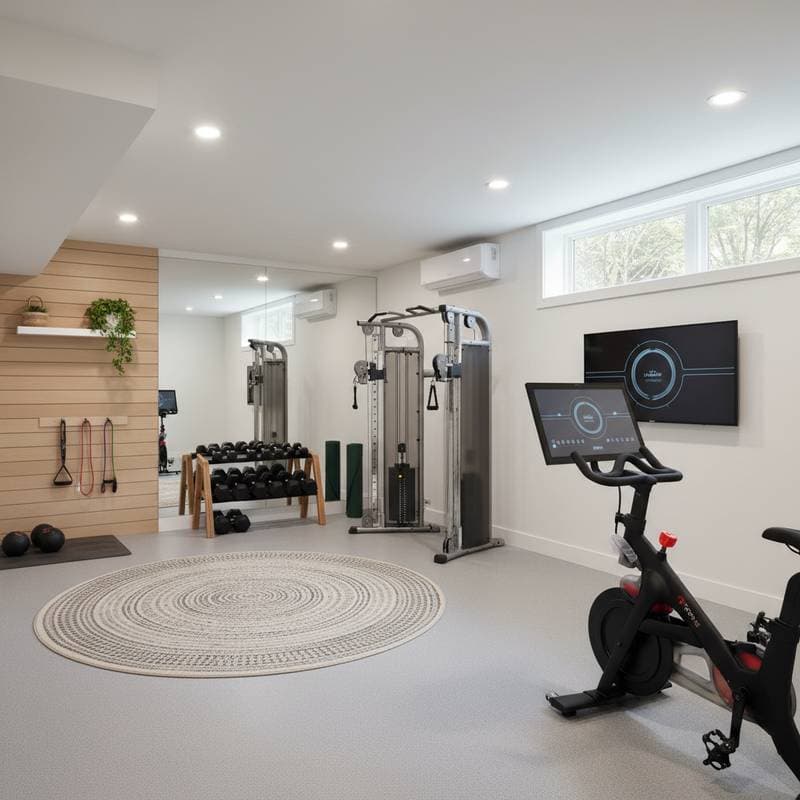
Homeowners increasingly recognize the potential of converting basements into dedicated fitness spaces. Such transformations not only enhance personal wellness but also elevate property appeal in competitive real estate markets. Projections indicate that a well-designed basement gym could increase resale value by up to 15 percent by 2026, particularly in areas where buyers prioritize lifestyle amenities. This upgrade appeals to active families, remote workers seeking convenience, and individuals aiming to eliminate external gym expenses and commute times.
Consider the broader benefits: beyond financial returns, a basement gym promotes consistent exercise routines in a private, accessible environment. Proper planning ensures the space integrates seamlessly with the home's overall design, maximizing both utility and aesthetic value. Homeowners should evaluate their basement's current condition, including moisture levels and structural integrity, to determine feasibility before proceeding.
Advantages and Drawbacks
Advantages
- Contributes up to 15 percent to resale value, especially in markets emphasizing health and wellness features
- Provides unmatched convenience and privacy for daily workouts, eliminating the need for public facilities
- Yields long-term savings by offsetting recurring gym membership fees, often recouping costs within two to three years
- Encourages sustained fitness habits through immediate accessibility, regardless of weather or schedule
- Optimizes underutilized square footage, adding functional living space without major expansions
Drawbacks
- Often necessitates preliminary waterproofing or foundation assessments to address potential dampness issues
- May involve electrical system enhancements or obtaining necessary building permits to meet safety standards
- Challenges in regulating air circulation and humidity levels can affect comfort and equipment longevity
- Noise from workout equipment might transmit through floors, potentially disturbing other household members
- Value appreciation hinges on regional buyer preferences; not all markets equally value home fitness setups
DIY Approach Versus Professional Installation
DIY Feasibility
Projects of this nature present moderate complexity, typically spanning one to three weeks based on the basement's dimensions and desired finishes. Essential tools encompass a power drill, circular saw, spirit level, and moisture detection meter. While a DIY effort reduces labor expenses by 30 to 50 percent, it heightens risks associated with improper waterproofing or electrical installations, which could lead to costly repairs or safety hazards.
Homeowners with construction experience might handle basic framing, flooring installation, and mirror mounting. However, detailed planning remains crucial: measure the space meticulously, source moisture-resistant materials, and follow step-by-step guides for ventilation setup. Testing for evenness and stability at each stage prevents future issues.
When to Engage Professionals
Opt for licensed specialists when tasks involve electrical wiring, heating, ventilation, and air conditioning modifications, or plumbing integrations such as shower installations. Professionals guarantee adherence to building codes, deliver superior craftsmanship, and often complete the project in half the time of a DIY endeavor.
Standard labor rates range from $40 to $85 per hour, varying by location and expertise. In high-cost urban centers, expect premiums for specialized trades like HVAC technicians. A contractor's involvement also facilitates permit acquisition and inspections, safeguarding against legal complications.
Upkeep and Durability
A thoughtfully constructed basement gym endures 15 to 25 years with periodic refreshes. Resilient flooring options, such as interlocking rubber mats, maintain integrity for about 10 years under regular use, while premium fitness equipment from reputable brands withstands daily sessions for a decade or more.
Essential Maintenance Practices
- Clean workout machines and floor mats weekly using mild, non-abrasive solutions to remove sweat and debris
- Perform monthly vacuuming and humidity checks to identify early signs of condensation or mold growth
- Replace lighting fixtures and air filters quarterly to sustain illumination and indoor air quality
- Operate a dehumidifier consistently during peak humidity periods to keep levels below 50 percent
- Conduct post-rain inspections for structural cracks or water intrusion, addressing issues promptly with sealants
Warranty Considerations
Fitness apparatus generally includes warranties spanning three to five years, covering mechanical components and frames. Flooring products offer protection from 10 to 20 years, contingent on material type and installation quality. Retain all documentation and schedule professional servicing within warranty periods to maximize coverage.
Local building regulations mandate specific features for finished basements, including ceiling heights of at least seven feet, ground-fault circuit interrupter outlets, and adequate emergency egress windows. Consult municipal authorities early to align the project with these requirements and avoid delays.
Regional Influences on Project Success
Climatic Considerations
In regions prone to high humidity, prioritize robust waterproofing membranes and enhanced ventilation systems, which may add 10 to 20 percent to initial expenses. Dehumidifiers become indispensable tools here, running seasonally to mitigate mold risks. Conversely, arid climates demand focused efforts on thermal insulation and acoustic dampening to ensure a comfortable, quiet workout environment.
Regulatory and Permitting Aspects
Basement renovations commonly require approvals for electrical upgrades, structural framing, and escape routes. Certain municipalities enforce rigorous checks for ceiling clearance and fire-rated materials. Budget time for these processes, as permit reviews can extend timelines by several weeks.
Cost Variations by Location
In densely populated urban settings, where demand for skilled labor peaks, hourly rates may inflate by 20 to 30 percent. Rural locales offer cost advantages through reduced material transport fees but might limit access to niche contractors experienced in fitness space designs.
Buyer Preferences Across Regions
Northern climates favor basement gyms for their role in enabling indoor exercise during harsh winters, often justifying higher investment. Coastal zones, however, introduce elevated moisture challenges, necessitating advanced drainage solutions and routine upkeep to preserve the space's appeal to prospective buyers.
Ensuring Safety in Basement Gym Design
Safety forms the cornerstone of any basement gym conversion, protecting occupants and upholding property standards.
Electrical Safeguards
Install all outlets with grounding and ground-fault circuit interrupter mechanisms to prevent shocks from perspiration or spills. Distribute high-power equipment across dedicated circuits to avoid overloads; consult an electrician for load calculations specific to cardio machines and lighting.
Moisture Management
Maintain relative humidity under 60 percent through integrated dehumidification, thwarting mold proliferation and corrosion on metal components. Regular monitoring with hygrometers ensures proactive adjustments.
Structural Integrity
Verify that subfloor joists support concentrated loads from heavy apparatus; reinforcements like additional beams may prove necessary for items exceeding 300 pounds. Engage a structural engineer for assessments in older homes.
Fire Prevention and Egress
Equip the area with compliant exit paths, including windows at least 20 inches by 24 inches for emergency escape. Position smoke alarms and carbon monoxide detectors strategically, connected to the home's central system for reliability.
Ventilation and Air Quality
Incorporate energy recovery ventilators or exhaust fans to refresh air circulation, reducing buildup of odors and volatile organic compounds from mats and paints. Aim for four to six air changes per hour in enclosed spaces.
Professional evaluations prove essential for basements with histories of flooding or outdated wiring, identifying hidden vulnerabilities before installation begins.
Frequently Asked Questions
How Much Value Does a Basement Gym Add to a Home?
In wellness-oriented markets, a professionally finished basement gym enhances resale value by as much as 15 percent. This uplift stems from the growing demand for homes supporting active lifestyles, with appraisers factoring in the space's quality and integration.
Does a Basement Gym Require Specialized Ventilation?
Affirmative. Effective ventilation systems counteract trapped heat, humidity, and exercise-induced odors. Options like ducted HVAC extensions or compact mini-split units suffice for areas up to 500 square feet, ensuring temperatures remain between 65 and 75 degrees Fahrenheit.
What Type of Flooring Suits a Basement Gym Best?
Moisture-resistant rubber interlocking tiles or luxury vinyl planks provide ideal cushioning for joints while facilitating easy cleaning. These materials withstand spills and heavy impacts without warping. Steer clear of absorbent carpets or vulnerable hardwoods in below-grade settings.
Is It Possible to Construct a Basement Gym Without Permits?
Generally, no. Alterations involving electrical, plumbing, or framing trigger permit requirements to ensure code compliance. Non-compliance risks fines exceeding $1,000, voided insurance policies, or mandated拆除. Verify regulations through local planning departments.
Steps to Create Your Basement Gym
Embark on this project with a detailed blueprint outlining space allocation, equipment placement, and budget allocation. Prioritize moisture mitigation through professional assessments and install versatile elements like modular racks that accommodate evolving fitness needs. Select timeless finishes to broaden appeal, ensuring the gym serves current owners while attracting future purchasers. The result: a versatile asset that enhances well-being and fortifies financial returns.