Wine Cellars: 15% ROI Boost for 2026 Luxury Homes
Adding a wine cellar is now one of the most profitable upgrades for high-end homes. Homeowners and investors are seeing up to a 15 percent return on resale, especially in the luxury market. A well-designed wine cellar adds both function and prestige. It appeals to buyers who expect fine finishes and thoughtful storage for collections.
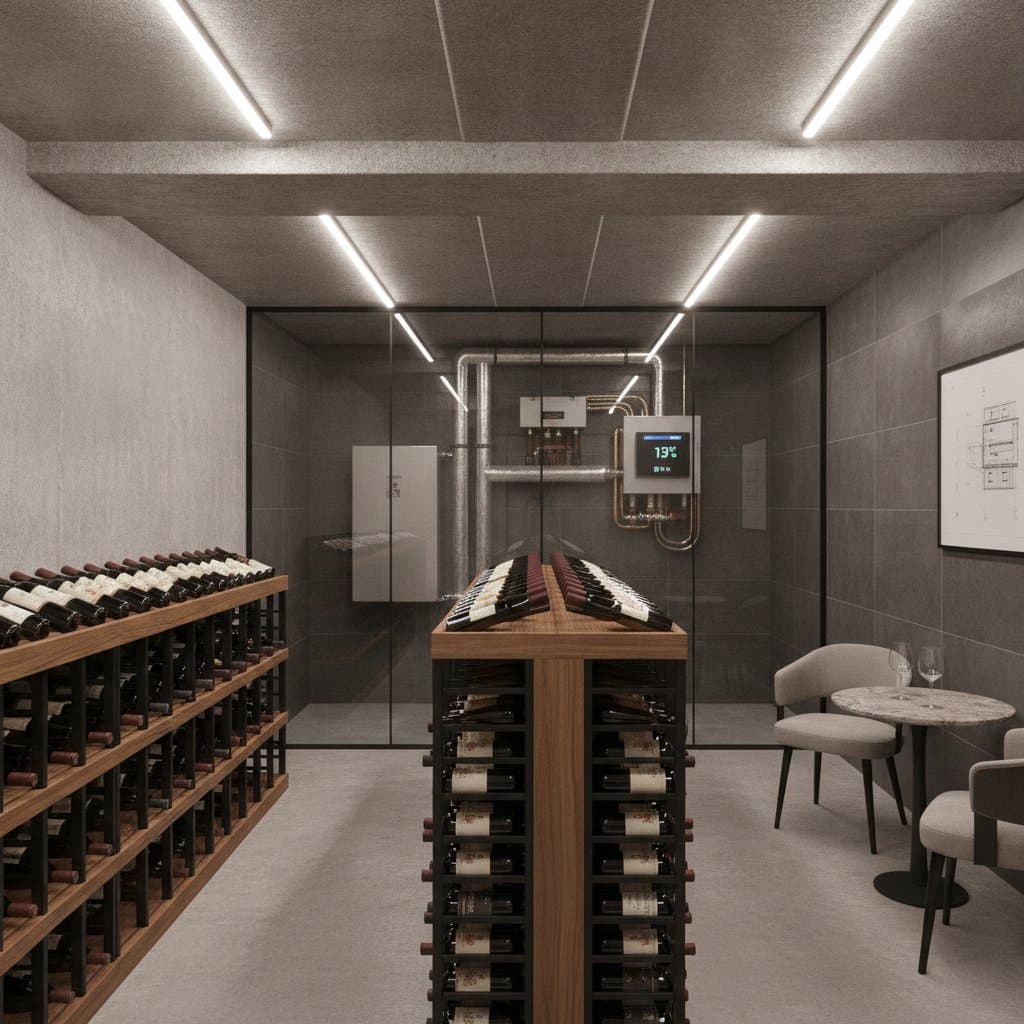
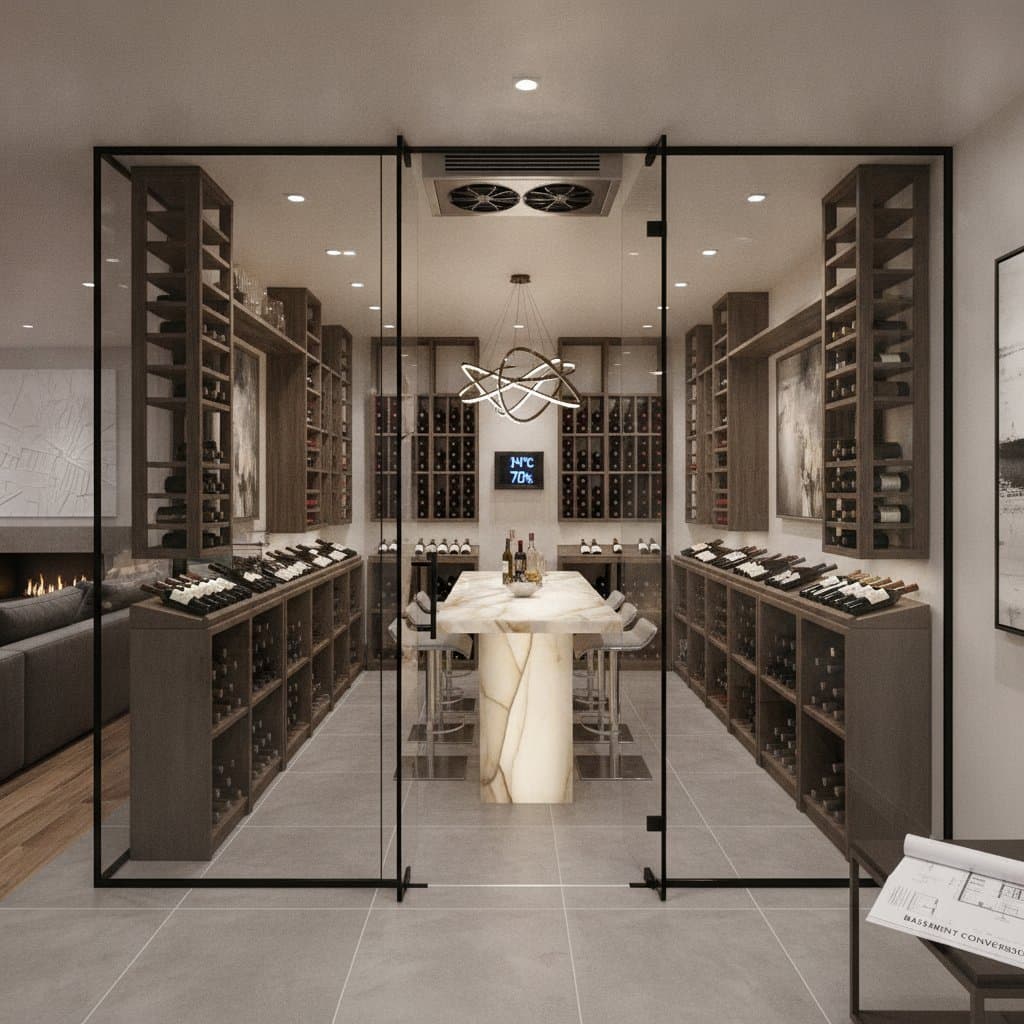
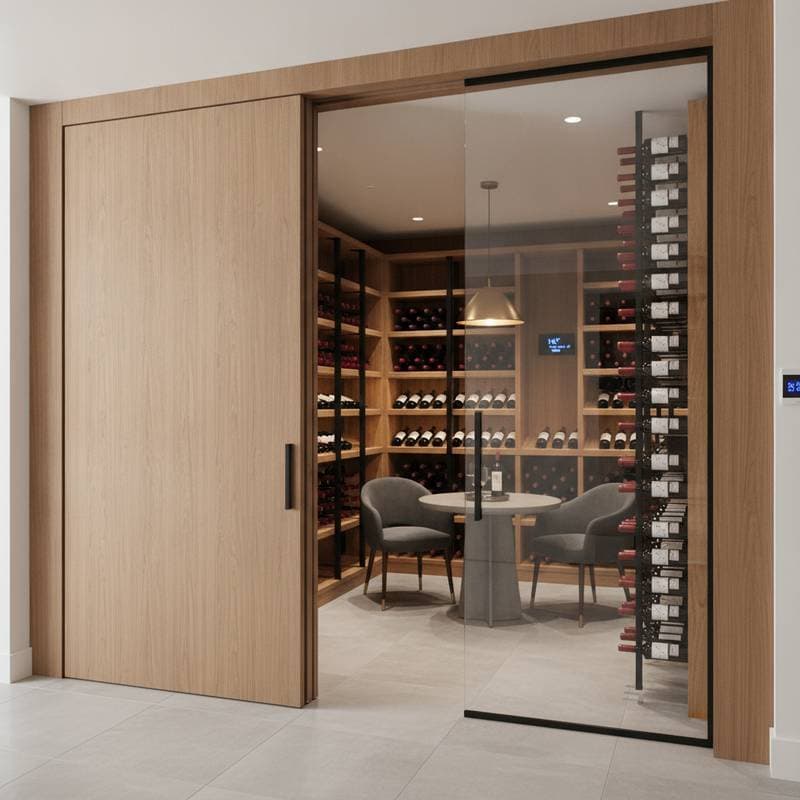
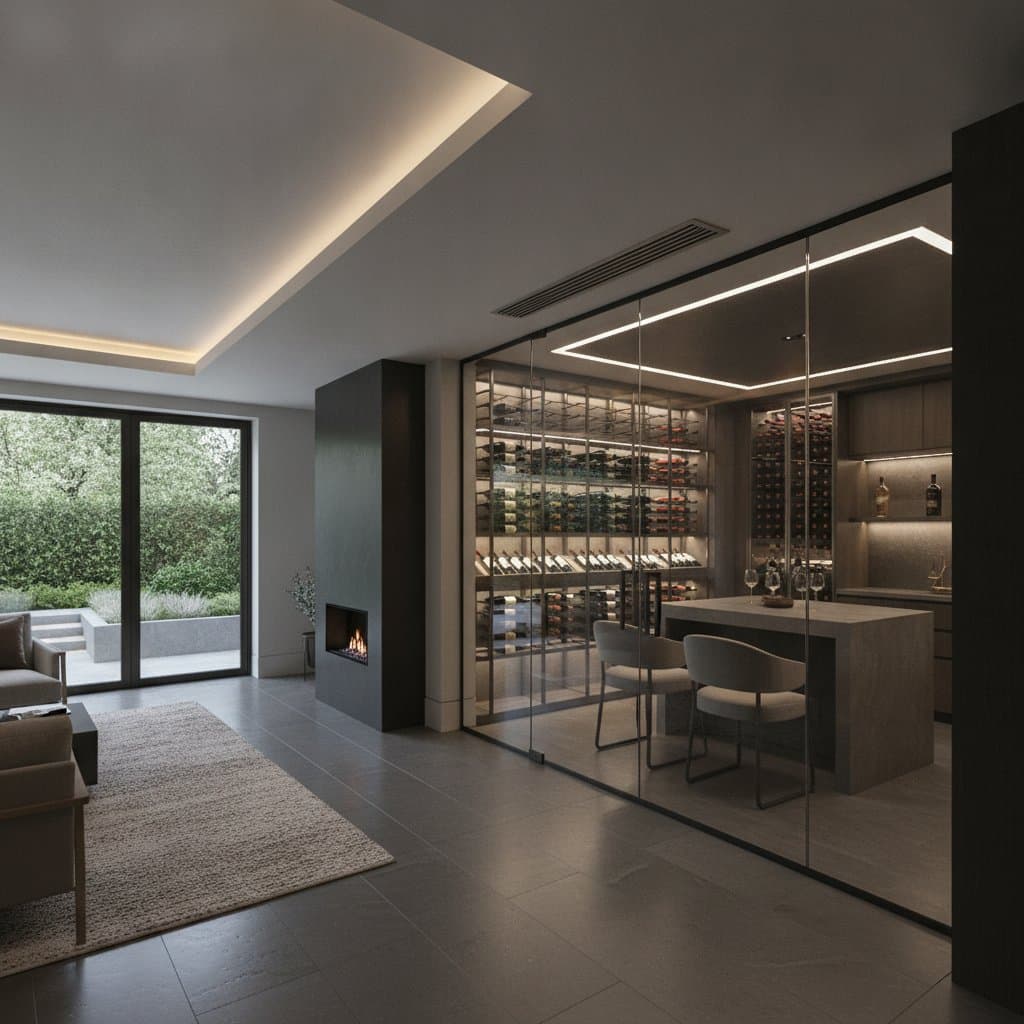
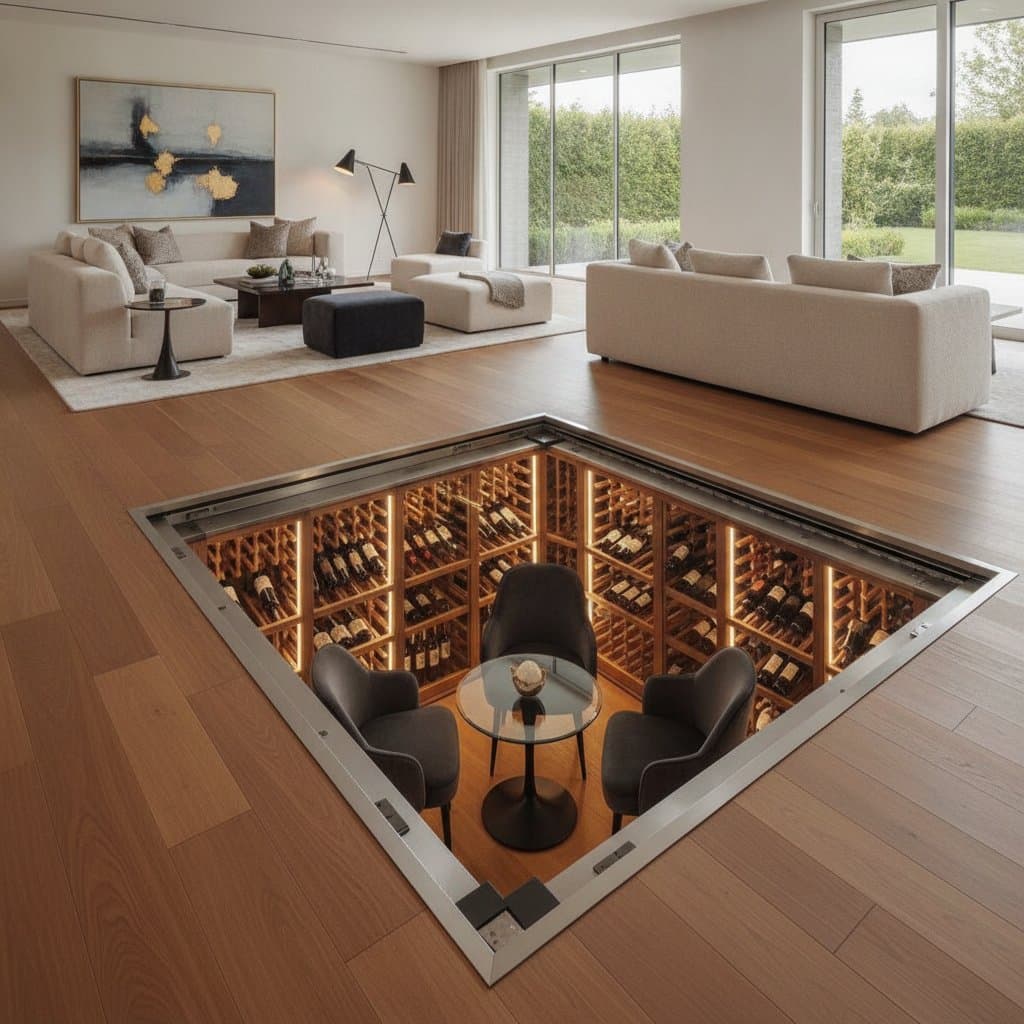
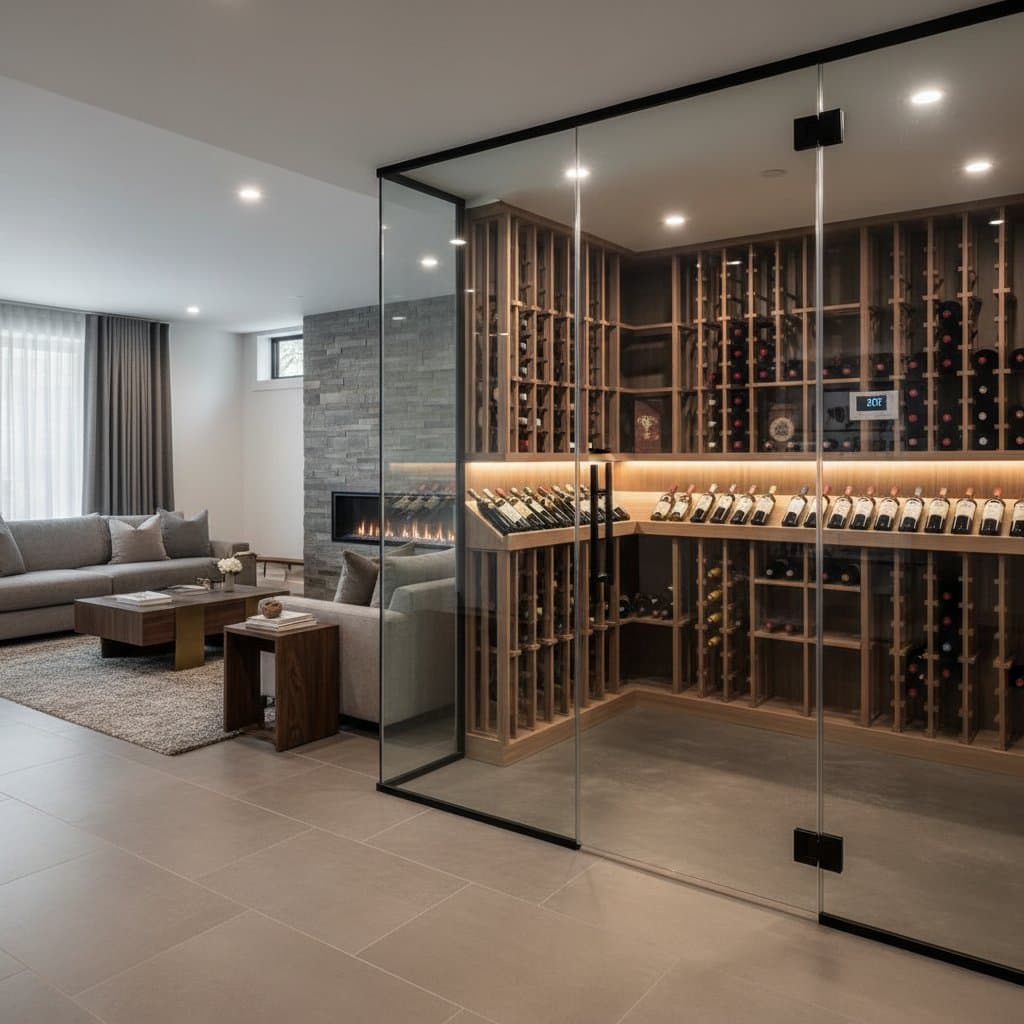
A wine cellar makes sense for homeowners who enjoy collecting or entertaining. It also suits sellers planning to list a property in the near future and want a feature that sets their home apart. Whether carved into a basement corner or displayed behind glass near a dining room, a wine cellar signals refinement and attention to detail.
Pros and Cons
Pros
- Raises home value and buyer appeal in luxury markets
- Protects wine quality through controlled temperature and humidity
- Creates a striking design feature for entertaining spaces
- Offers long-term storage for collections that appreciate in value
Cons
- High upfront cost and limited flexibility after installation
- Requires consistent humidity and temperature monitoring
- Can reduce usable living space in smaller homes
- Potential for mechanical or moisture issues if not properly sealed
DIY vs Pro
Building a wine cellar is complex. It requires carpentry, electrical, and HVAC knowledge. Most homeowners should hire a professional.
DIY
- Difficulty: High
- Time: 2 to 4 weeks for a small build
- Tools: Saw, insulation, vapor barrier, dehumidifier, wine cooling unit
- Risks: Leaks, condensation, mold, poor temperature control
Pro Installation
- Typical timeline: 1 to 3 weeks
- Includes load calculation, vapor barrier design, and code compliance
- Recommended when installing active cooling or glass enclosures
- Higher cost but fewer long-term issues
Professionals also handle building permits and confirm compliance with local codes, especially when electrical or load-bearing changes are needed.
Maintenance and Lifespan
A well-built wine cellar lasts 30 to 50 years with proper care. Cooling units typically last 8 to 12 years before replacement.
Typical schedule
- Inspect humidity and temperature weekly
- Clean racks and filters twice a year
- Service cooling system annually
- Check door seals and condensation lines
Avoid wood rot by maintaining humidity between 50% and 70%. Replace LED bulbs as needed to prevent heat buildup. Keep a log of maintenance for warranty support.
Local Factors
Climate and building codes strongly influence cost and design.
- Cold climates: Need insulation against freezing and stable humidity control.
- Hot or humid regions: Require stronger vapor barriers and larger cooling units.
- Coastal areas: Must use corrosion-resistant hardware and sealed lighting.
- Urban codes: May restrict venting or require permits for electrical work.
Check local permit offices before starting construction. Some cities require inspections for cooling systems tied to home HVAC.
ROI and Resale
Luxury homes with wine cellars often sell faster and for higher prices. The average return on investment reaches about 15 percent when integrated into a finished basement or entertainment wing. Buyers view it as a lifestyle feature rather than a storage space. Homes with glass display cellars tend to photograph better in listings, which can further increase buyer interest.
To maximize resale value, match materials to the rest of the home. Use consistent flooring and lighting finishes. Avoid over-customization that may limit future buyer appeal.
Safety
Work with licensed contractors for all electrical and HVAC connections. Improper wiring or condensation drainage can lead to mold or fire hazards.
- Use GFCI outlets near moisture sources.
- Ensure all cooling units have proper exhaust ventilation.
- Keep flammable materials away from lights or electrical panels.
- Verify that flooring is slip-resistant and sealed.