Why Wine Cellars Increase Resale Value by 15 Percent in 2026
A typical return involves 15 percent higher resale value from an investment of $25,000 to $65,000.
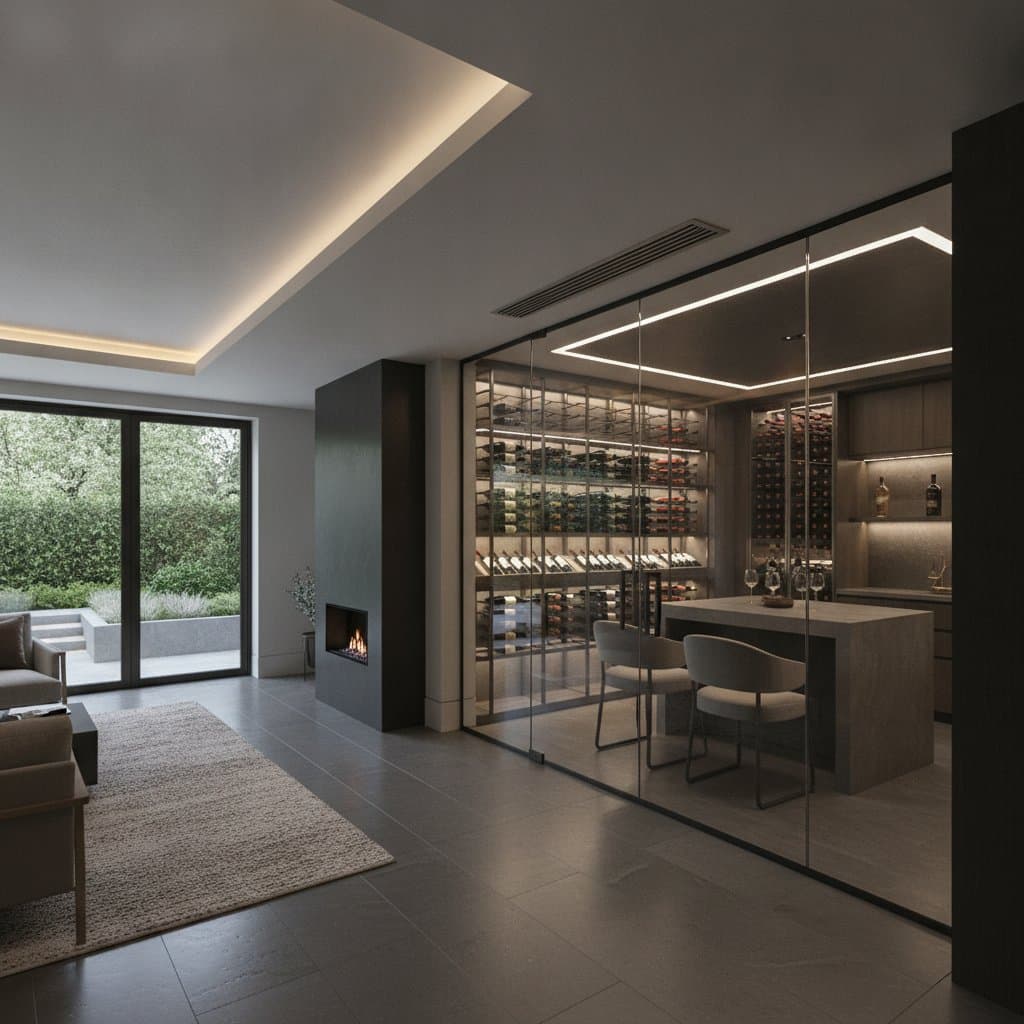
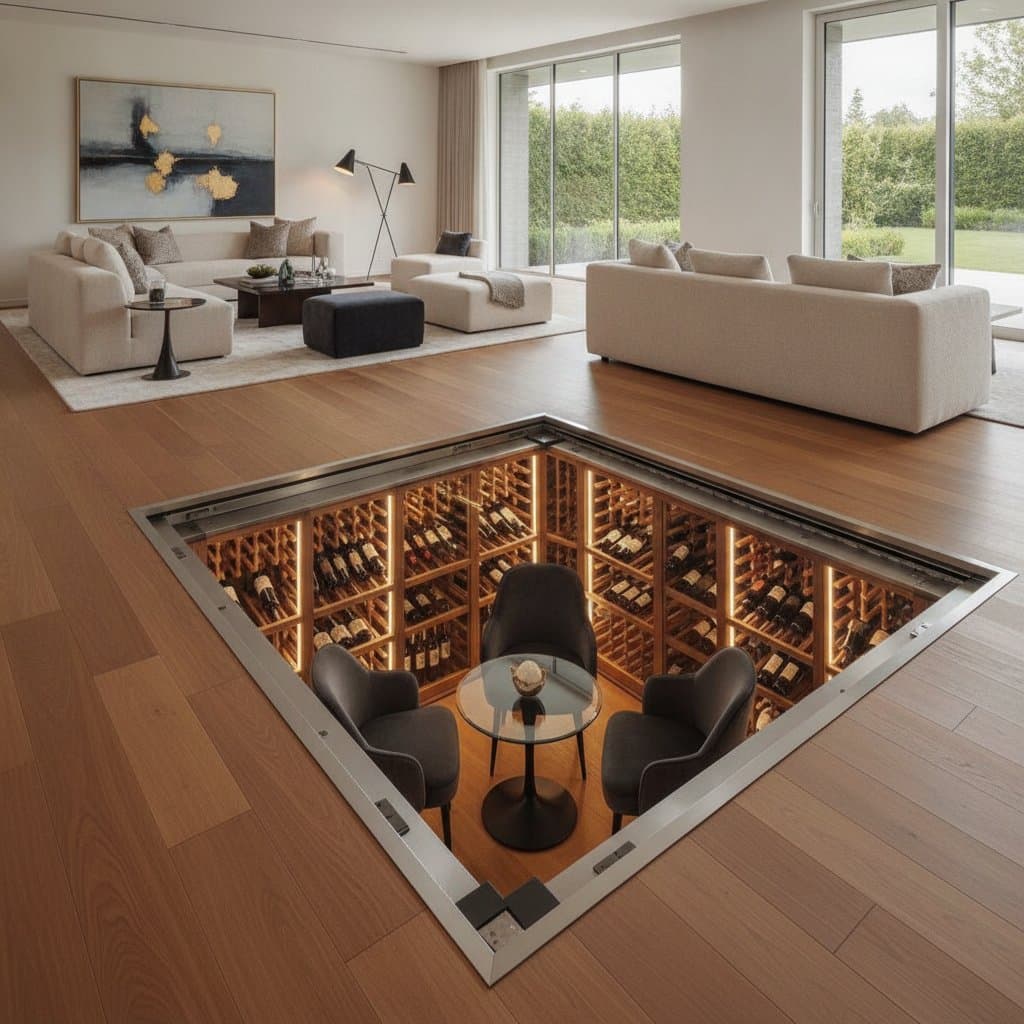
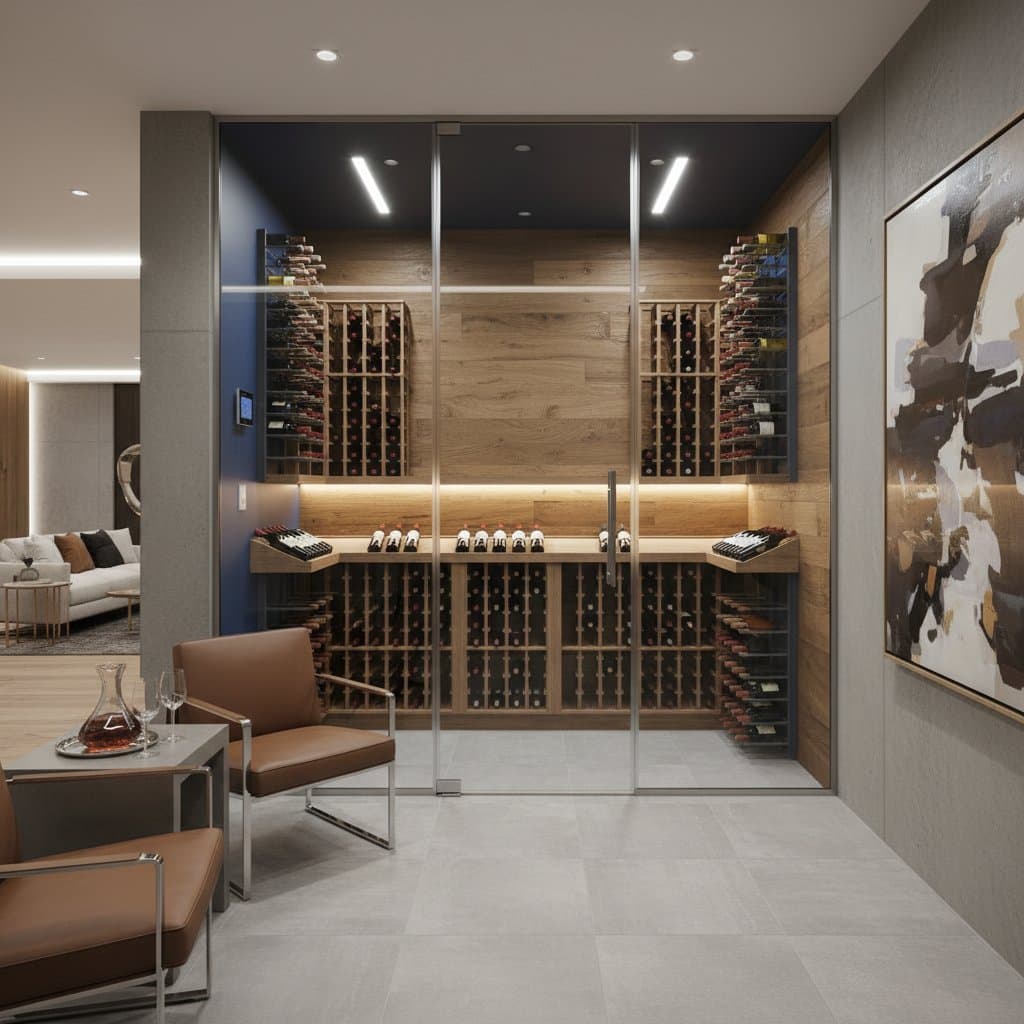
The addition of a wine cellar ranks among the most advantageous luxury home improvements. Prospective buyers regard it as an indicator of refinement and practicality, rather than mere extravagance. Properly constructed cellars sustain consistent conditions for wine collections and convey a commitment to superior quality and durability.
Key Cost Considerations
Size and Capacity
A cellar accommodating 250 bottles begins at approximately $20,000. Expanding to twice the size does not proportionally double expenses, though excavation or basement modifications may incur an additional $10,000 to $15,000.
Cooling and Insulation Systems
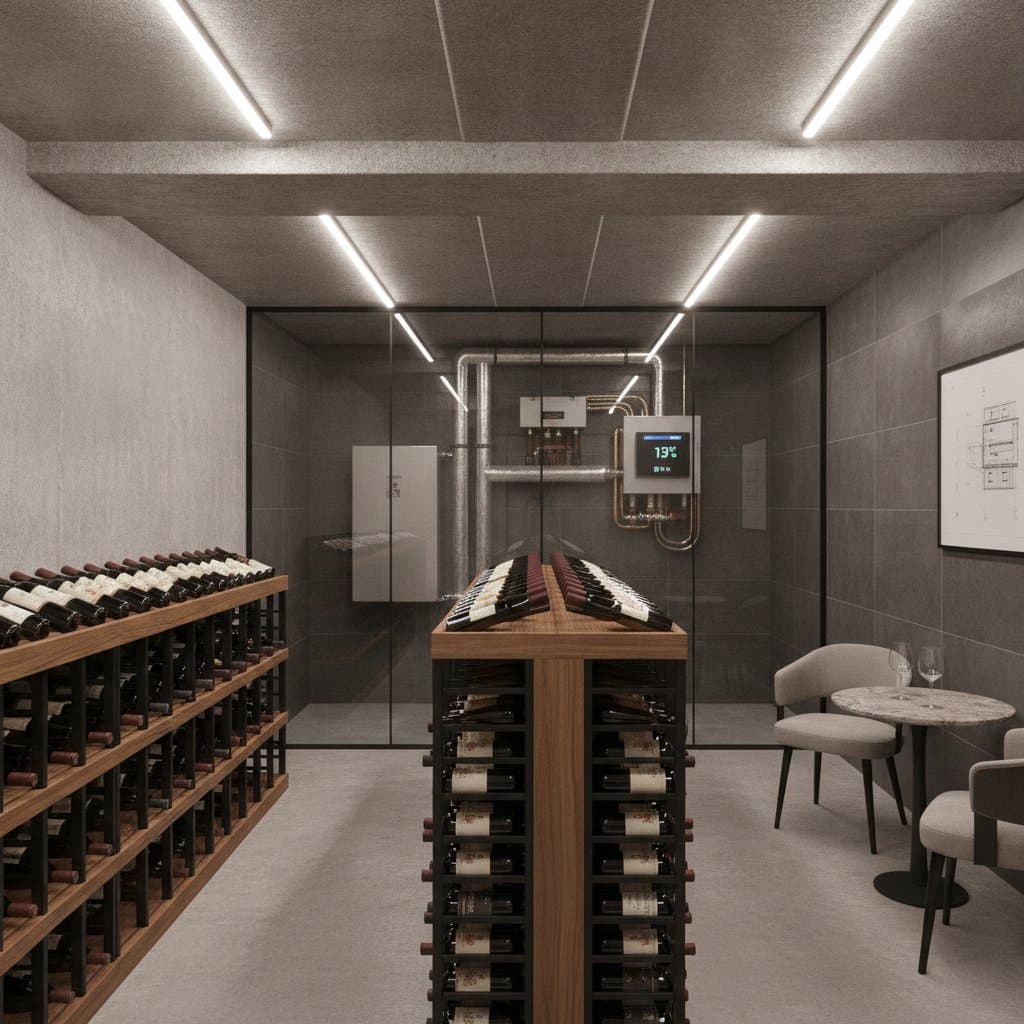
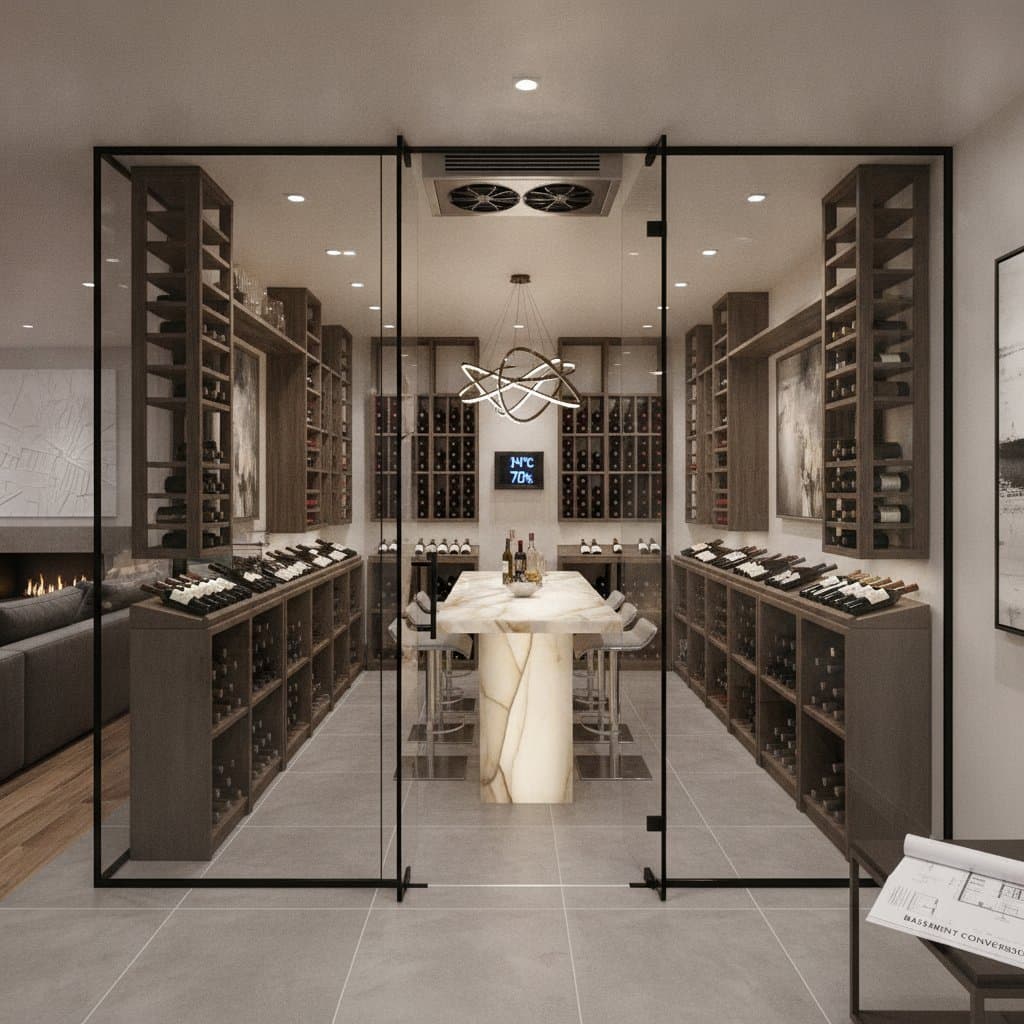
Climate control units vary from $2,500 to $7,000. Ducted systems operate more quietly yet demand greater installation space. Inadequate insulation results in excessive compressor operation, so allocate funds for closed-cell foam insulation or vapor barriers to prevent such issues.
Materials and Finishes
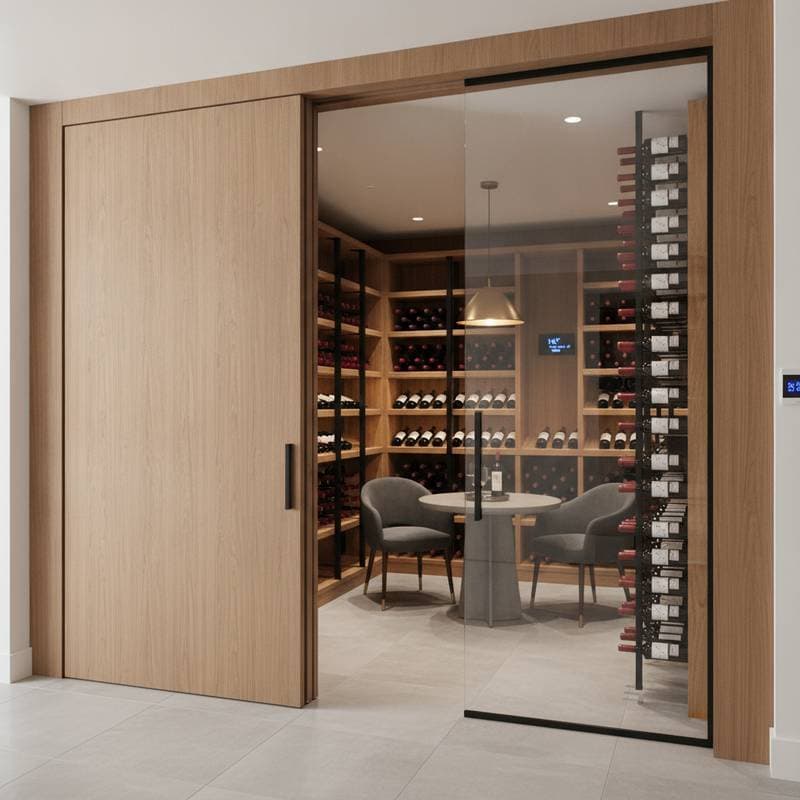
Wooden racks crafted from redwood or mahogany cost $40 to $80 per square foot on average. Stone or glass wall treatments can elevate expenses to twice that amount. Sealed concrete floors offer an economical option when properly treated to resist moisture.
Labor and Permitting Requirements
Anticipate $5,000 to $10,000 for labor involving framing, electrical work, and HVAC installation. Permits become necessary for any alterations to wiring or plumbing. In older basements, conduct assessments for moisture levels and structural integrity prior to obtaining approvals.
Optional Enhancements
Features such as specialized lighting, tasting tables, and intelligent control systems can increase the overall cost by 10 to 25 percent. Incorporating a modest display niche or digital thermometer enhances aesthetic appeal at a low additional expense.
DIY Approaches Versus Professional Installation
Suitable for DIY
Opt for self-installation if you possess confidence in framing or finish carpentry tasks. This approach works well for mounting racks or applying wall finishes. Plug-in cooling units compatible with standard electrical outlets simplify the process.
When to Engage Professionals
Seek expert assistance for projects requiring excavation or structural modifications. Professional involvement proves essential when climate systems necessitate new electrical wiring. Address any observed moisture issues or foundation cracks through qualified services.
Associated Risks and Essential Tools
DIY efforts require tools including a moisture meter, level, drill, and safety glasses. Professionals employ vapor sealers, duct cutters, and thermal imaging devices. Errors in vapor sealing risk damaging the wine collection and escalating repair expenses to double the initial outlay.
Ongoing Maintenance and Warranty Options
Cooling units typically require replacement every 10 to 15 years. Perform inspections of gaskets, filters, and humidity sensors biannually. LED lighting endures up to 20 years, whereas halogen alternatives degrade more rapidly due to generated heat.
Strategies to Prolong Durability
Maintain humidity levels between 55 and 70 percent. Monitor for condensation on walls or ceilings during routine checks. Clean ventilation components once each season. Verify the functionality of backup power systems if they form part of the installation.
Warranty Coverage
Most cooling systems provide warranties of two to five years. Extended service contracts, priced at $200 to $400, often encompass significant repairs. Custom woodworking may qualify for limited lifetime warranties provided maintenance guidelines receive adherence.
Factors Driving Continued ROI Growth
Affluent purchasers increasingly seek dedicated spaces that reflect intentional design and stability. A wine cellar contributes functional utility and underscores meticulous renovation efforts. Real estate professionals note that homes featuring thoughtfully integrated cellars command offers 10 to 15 percent above comparable properties, particularly when the design harmonizes with the residence's overall architecture.
Energy-efficient cooling mechanisms and integrated sensors reduce operational expenses over time. In contrast to pools or home theaters, wine cellars demand minimal upkeep and consume less power. They effectively repurpose underutilized basements into high-value areas that enhance listing photography and buyer interest.
Practical Steps to Proceed
- Conduct a humidity assessment in the basement or lowest accessible level. Address drainage problems if readings exceed 70 percent prior to construction.
- Consult a licensed HVAC specialist to obtain quotations for ducted or split-system cooling solutions.
- Develop a detailed layout sketch and determine desired bottle capacity before selecting materials.
- Set aside contingency funds equivalent to at least 10 percent of the projected total cost.
- Maintain comprehensive documentation of the project, including receipts and warranties, to support resale value claims.
A well-executed wine cellar merges effective preservation techniques with elements of luxury. When constructed with precision, it safeguards valuable collections, elevates underutilized spaces, and generates resale value that surpasses the initial investment. Optimal outcomes arise from strategic planning and dependable climate management, rather than opulent material choices.