Basement Gyms: Boosting Home Value by 11% Through 2026
Transforming an underutilized basement into a dedicated gym space offers more than personal fitness benefits. Real estate experts project that such renovations will increase property values by up to 11% by 2026, driven by rising demand for home wellness features. This guide explores the financial upside, practical design strategies, and essential steps to create a functional, appealing workout area.
The Rising Appeal of Home Fitness Spaces
Homeowners increasingly seek properties equipped for healthy lifestyles, especially after shifts in work and exercise habits. A basement gym provides privacy and convenience, eliminating the need for gym memberships that average $50 monthly. Market analyses indicate that homes with built-in fitness amenities sell faster and command premium prices in competitive markets.
Basement conversions stand out because they repurpose existing square footage without expanding the home's footprint. This approach appeals to buyers who value efficiency and sustainability. Projections from industry reports suggest this trend will peak by 2026, aligning with broader wellness movements.
Assessing Your Basement's Potential
Before starting, evaluate the space for suitability. Measure the area to ensure at least 200 square feet for basic equipment like a treadmill and weights; larger spaces allow for versatility. Check for structural issues such as low ceilings or uneven floors, which may require professional inspection.
Consider natural light sources and ventilation. Basements often lack windows, so plan for artificial lighting and air circulation to prevent stuffiness. A thorough assessment helps avoid costly surprises and ensures the gym aligns with your fitness goals.
Key Costs Involved in the Renovation
Budgeting accurately sets realistic expectations for the project. Basic setups, including rubber flooring and wall mirrors, range from $2,000 to $5,000. Adding durable equipment like adjustable benches and cardio machines pushes costs to $10,000 or more.
Professional services for electrical work, plumbing if needed, and moisture barriers add $3,000 to $7,000. Homeowners opting for high-end features, such as custom cabinetry for storage or integrated sound systems, may invest up to $20,000. These expenses typically yield a strong return, with recovery rates exceeding 70% upon resale.
Design Strategies for Functionality and Style
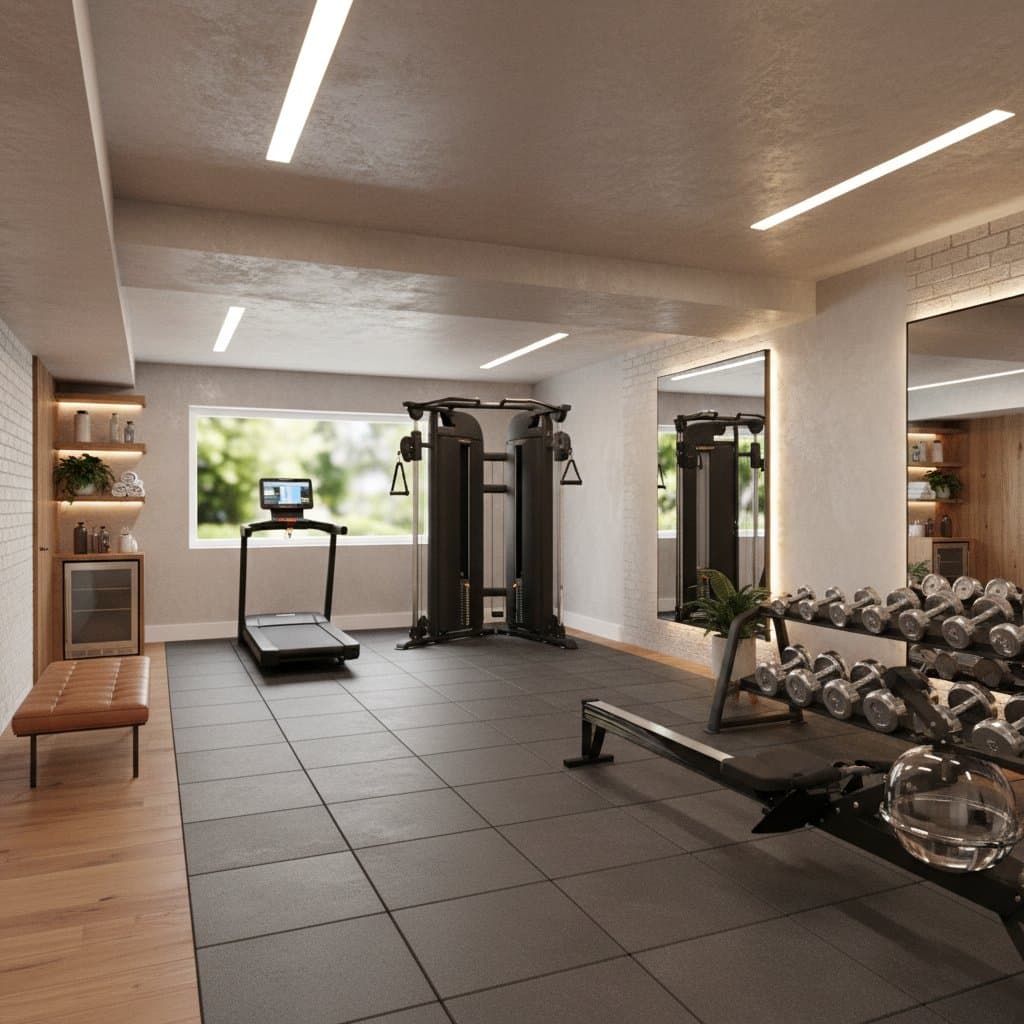
Effective design maximizes usability while enhancing aesthetics. Opt for multi-purpose layouts that accommodate yoga, strength training, and cardio zones. Use modular shelving to organize accessories and keep pathways clear.
Flooring choices protect the space and reduce noise. Rubber mats or interlocking tiles provide cushioning and easy installation, costing about $3 per square foot. Wall-mounted racks save floor space and create an open feel.
Incorporate motivational elements like full-length mirrors to track progress and amplify light. Neutral color schemes with accent walls promote a calming atmosphere. These details make the gym inviting for daily use and attractive to future buyers.
Lighting and Ventilation Essentials
Proper illumination prevents eye strain during workouts. Install LED recessed lights for even coverage, aiming for 500 lux brightness. Dimmable options allow adjustments for different activities, from high-intensity sessions to relaxation.
Ventilation combats humidity buildup. Exhaust fans rated at 100 CFM effectively circulate air, while dehumidifiers maintain 40-50% relative humidity. These measures extend equipment life and ensure comfort year-round.
Tackling Moisture Challenges in Basements
Moisture poses the biggest risk to basement gyms, potentially leading to mold and structural damage. Start with a sump pump and waterproofing membrane on walls to seal against groundwater. French drains around the perimeter redirect water away from the foundation.
Regular maintenance includes inspecting seals annually and using silica gel packs for humidity control. Insulating pipes prevents condensation. Addressing these issues upfront safeguards health and preserves the investment.
Invest in moisture-resistant materials like vinyl plank flooring over concrete. These options resist warping and are simple to clean after sweaty sessions. A dry environment not only supports fitness routines but also reassures appraisers of the space's longevity.
DIY Tips Versus Hiring Professionals
DIY projects suit budget-conscious homeowners with basic skills. Install peel-and-stick flooring or assemble freestanding racks using online tutorials. These tasks require tools like a level and drill, completable over weekends.
However, complex elements such as electrical wiring demand licensed experts to comply with building codes. Professionals ensure safety and quality, particularly for load-bearing modifications. Weigh time, skill, and cost to decide the best path.
For DIY enthusiasts, prioritize safety gear and follow manufacturer guidelines. Start small with painting and organization before tackling equipment setup. This phased approach builds confidence and minimizes errors.
Calculating Return on Investment
ROI hinges on quality and market trends. A $15,000 renovation might add $30,000 to home value, factoring the 11% projection. Track expenses meticulously to claim tax deductions for home improvements.
Local real estate dynamics influence outcomes. In urban areas with high demand for wellness features, returns climb higher. Appraisals often value functional gyms at 80-90% of cost, providing clear financial incentives.
Monitor evolving buyer preferences through annual market reports. Updating the space periodically maintains its appeal. This strategic view positions the gym as a smart asset in your property portfolio.
Long-Term Benefits and Maintenance
Beyond value appreciation, a basement gym fosters consistent exercise habits, improving physical and mental health. Families benefit from shared wellness activities, strengthening bonds. The convenience reduces travel time, freeing schedules for other pursuits.
Maintenance keeps the space performing optimally. Wipe down equipment weekly and vacuum floors to prevent dust accumulation. Annual deep cleans address any moisture signs promptly.
Ultimately, this renovation creates a legacy of health and financial gain. Homeowners who invest thoughtfully enjoy immediate use while securing future resale advantages. Start planning today to capitalize on this growing trend.