Boost Home Value by 15 Percent with Wine Cellar Renovations
Well-designed wine cellars typically increase resale value by up to 15 percent, with installation costs ranging from $25,000 to $80,000.
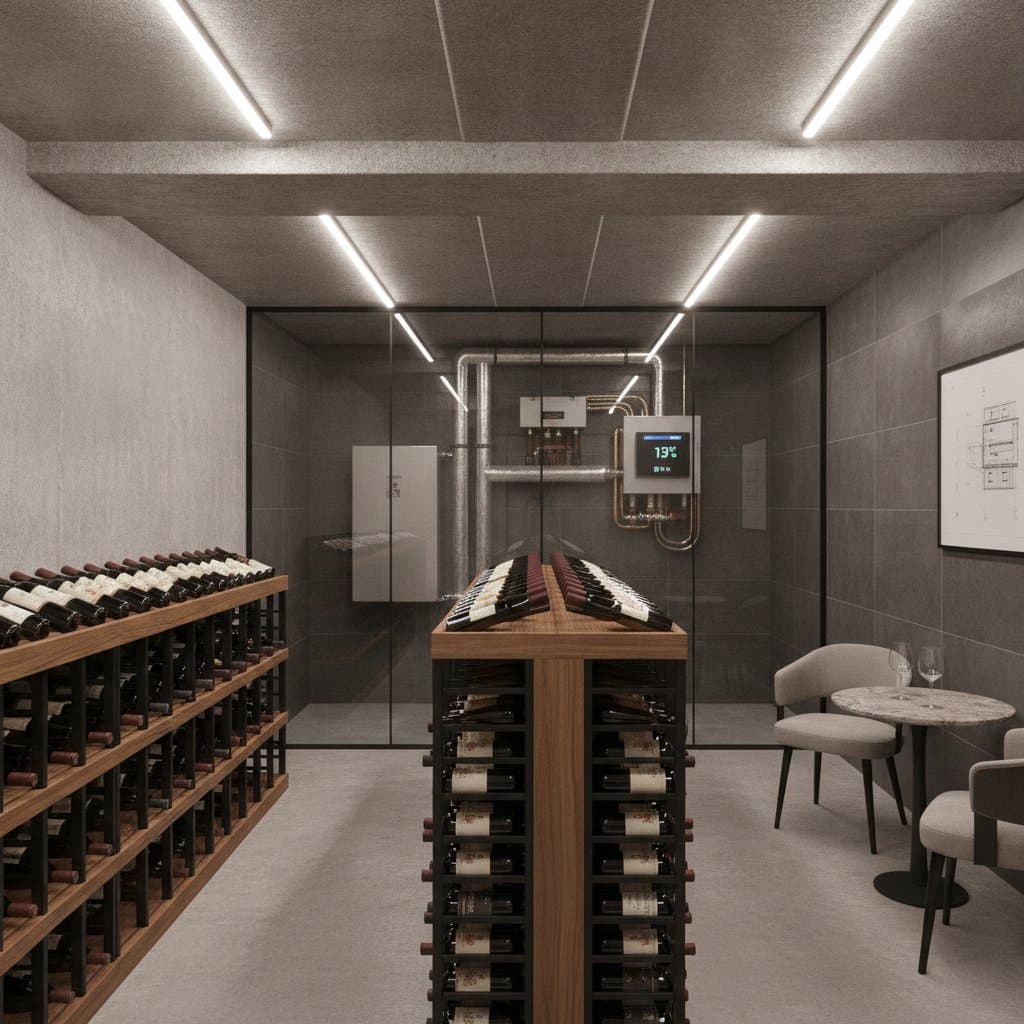
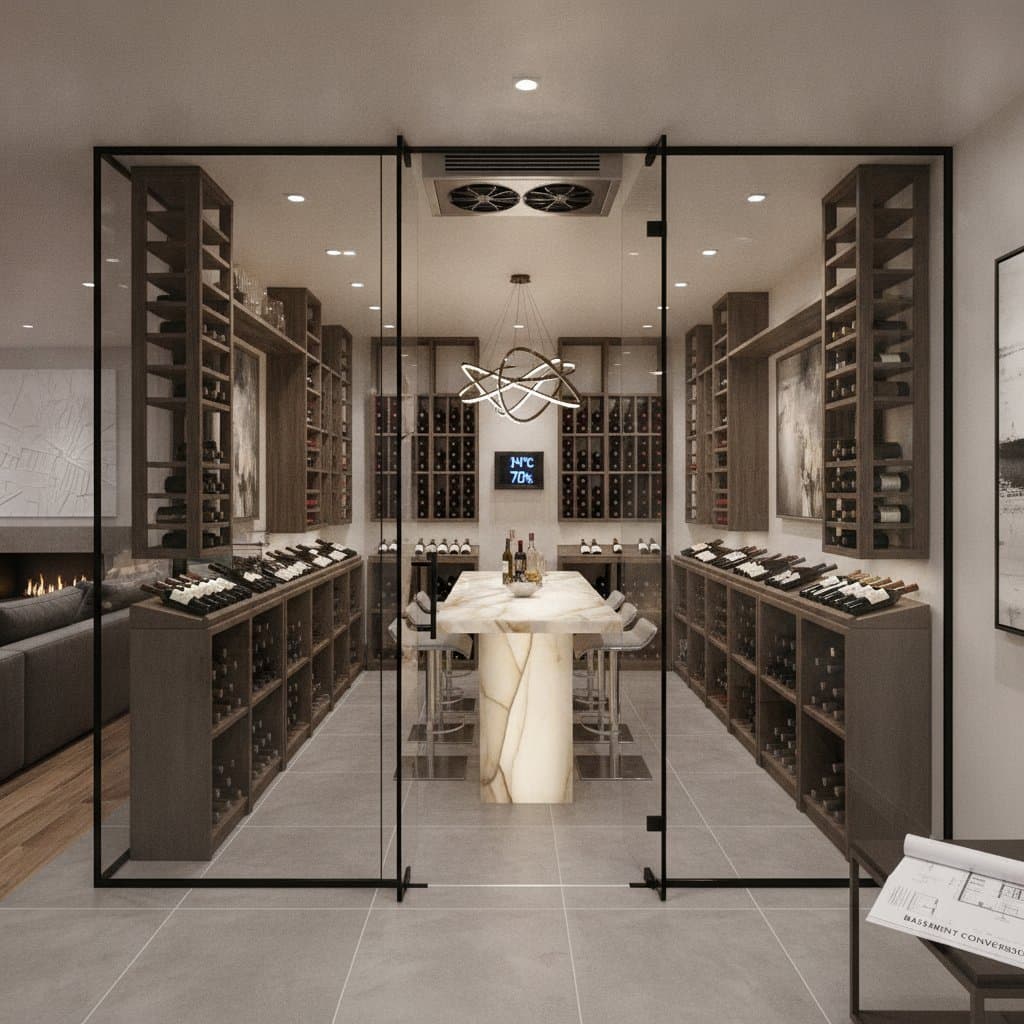
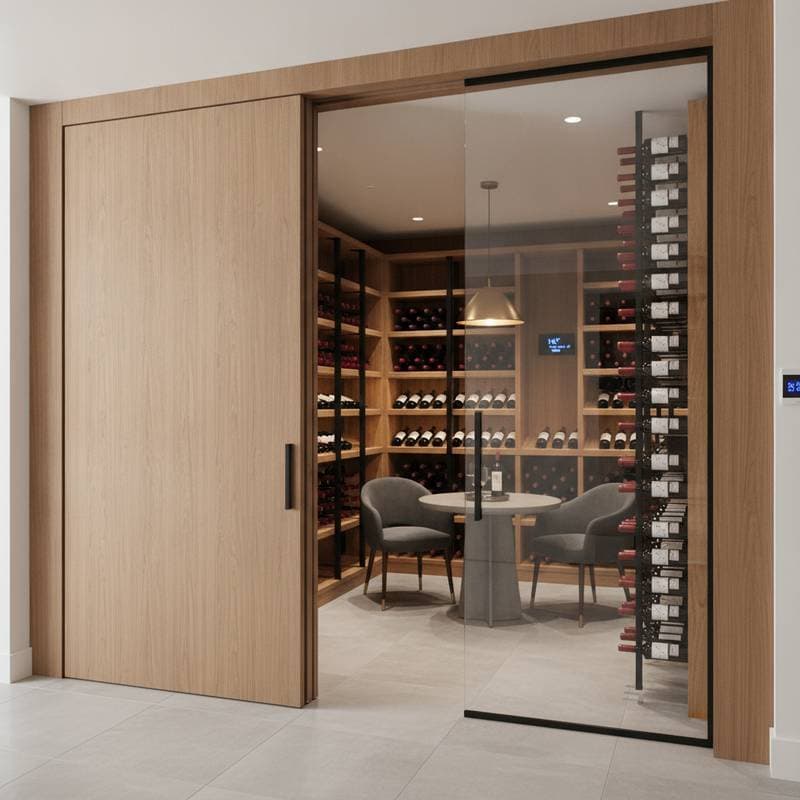
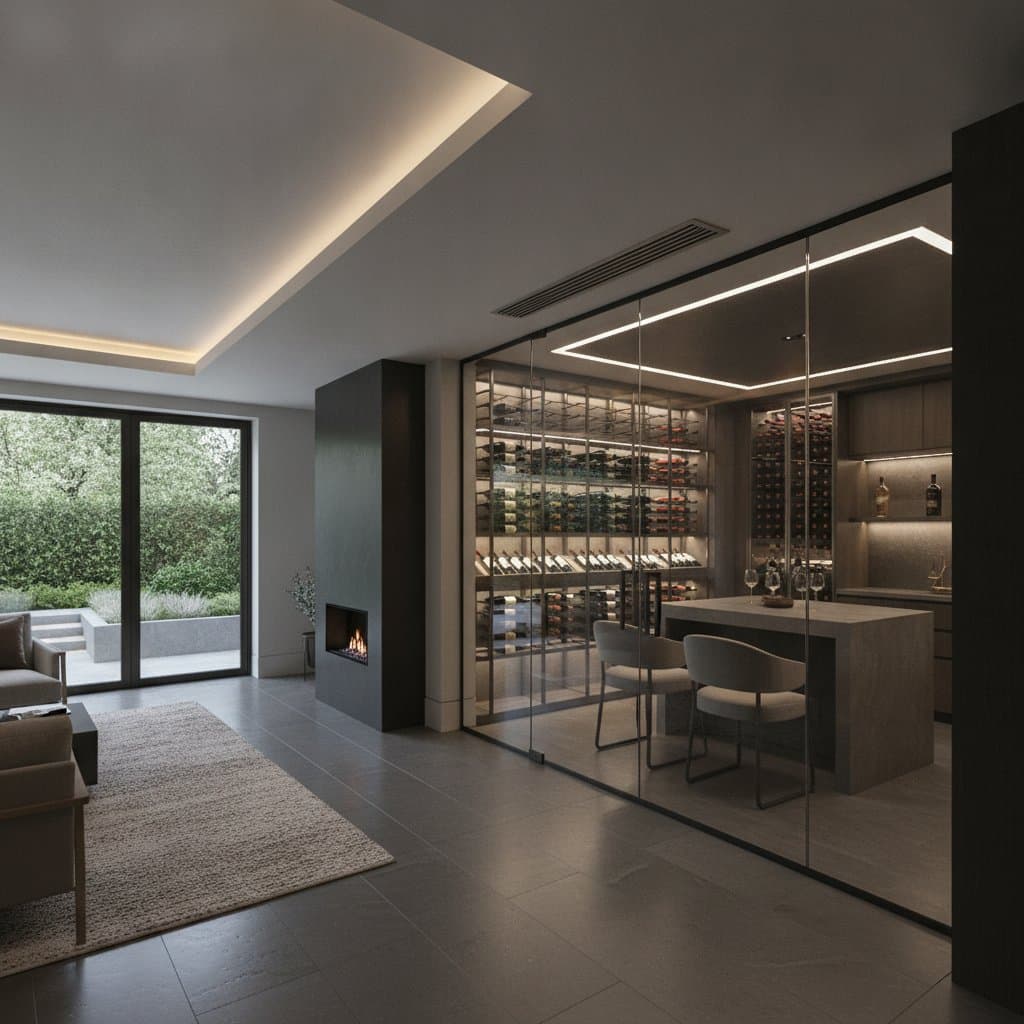
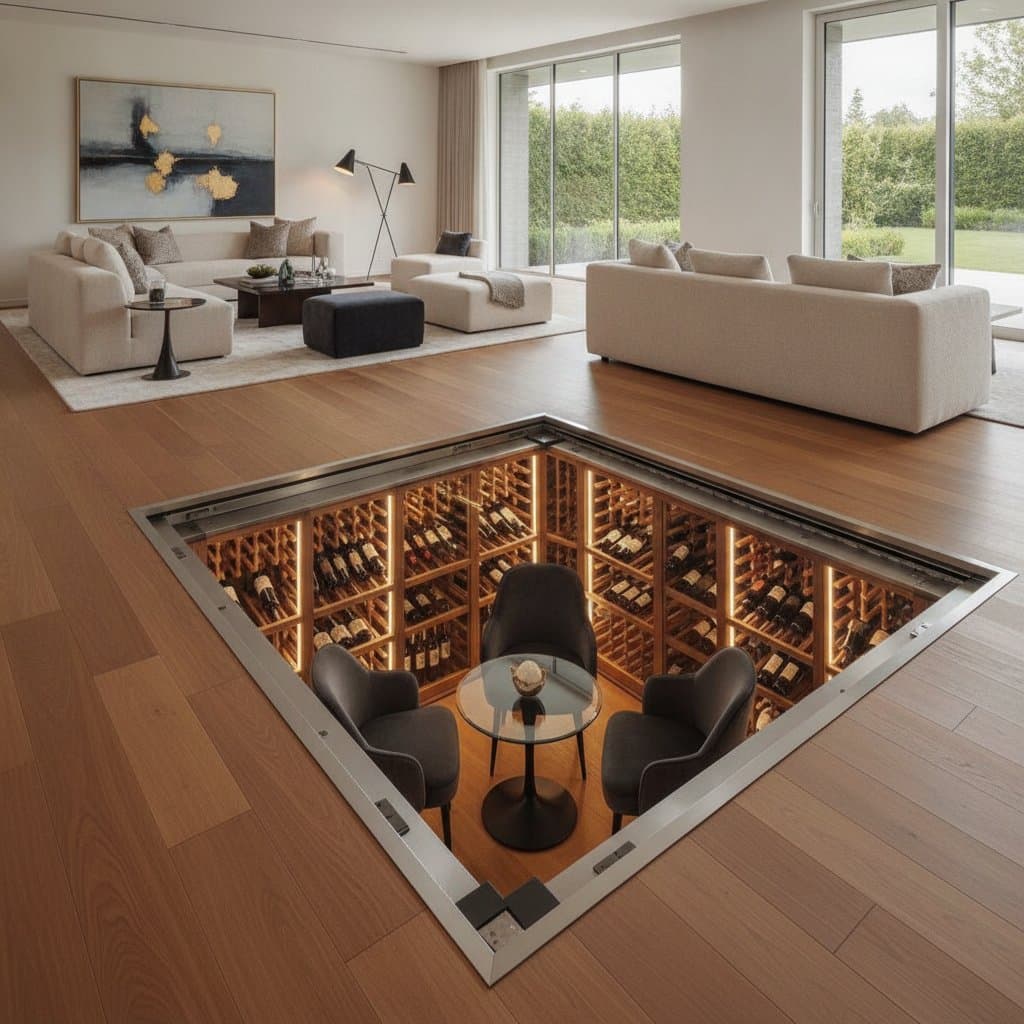
A completed wine cellar provides more than mere storage. It demonstrates superior craftsmanship, luxury appeal, and an elevated lifestyle, all of which enhance the property's attractiveness to buyers and appraisers. Thoughtful design transforms overlooked basement areas into temperature-regulated showcases that draw premium bids from discerning purchasers.
Key Cost Factors
Multiple components influence the overall expense. Early awareness of these elements enables better budgeting and prevents unexpected increases or project setbacks.
- Location and accessibility: Selecting a basement area close to current utilities reduces expenses. Isolated or ground-level locations demand more robust cooling solutions.
- Size and storage capacity: Standard cellars accommodate 500 to 2,000 bottles. A setup for 1,000 bottles usually requires 120 to 150 square feet.
- Climate control systems: Cooling equipment costs between $2,000 and $12,000. Ducted options prove more expensive yet deliver quieter performance.
- Insulation and vapor barriers: Allocate $2 to $5 per square foot to achieve effective moisture management.
- Racking systems and surface treatments: Simple wooden racks begin at approximately $25 per bottle, while bespoke hardwood or metal designs surpass $100 per bottle.
- Lighting and electrical setup: Plan for $1,000 to $3,000 to install adjustable LED lights and isolated wiring circuits.
- Permits and structural modifications: Budget $1,500 to $5,000 for any necessary framing, plumbing adjustments, or reinforcements to load-bearing elements.
Reserve an additional 10 to 15 percent of the total for unforeseen issues, particularly in established residences.
Safety Protocols and Regulatory Compliance
Prior to commencing any demolition or construction, consult local building regulations. Certain jurisdictions mandate approvals for enclosed, climate-managed areas.
Implement these essential safety measures:
- Disconnect power and water supplies prior to any cutting or drilling activities.
- Utilize gloves, protective eyewear, and N95 respirators when working with insulation materials.
- Inspect for mold growth or excess moisture in basement environments. Address any water intrusion before enclosing surfaces.
- Verify the structural integrity of floors when incorporating weighty stone or glass components.
- Engage a certified electrician for all new wiring or electrical panel enhancements.
Project Timeline and Cost-Saving Strategies
Anticipate 4 to 10 weeks for completion, with extended periods often linked to specialized racking or cooling installations. The standard progression includes:
- Design and planning approval (1 to 2 weeks).
- Framing, insulation installation, and vapor barrier application (1 week).
- Electrical and heating, ventilation, and air conditioning setup (1 to 2 weeks).
- Final finishes and racking assembly (2 to 4 weeks).
Potential Delays
- Supply chain issues with cooling components or glass enclosures may extend timelines by 2 to 3 weeks.
- Remediation of moisture problems or foundation waterproofing can halt advancement.
- Custom wood treatments frequently necessitate extended drying periods.
Optimal Seasonal Scheduling
Initiate projects in fall or winter to capitalize on consistent humidity levels and reduced contractor availability. Steer clear of summer commencements, as demand for cooling systems peaks and availability diminishes.
Effective Cost Reductions
- Repurpose an existing basement chamber rather than constructing from scratch.
- Opt for prefabricated racking systems initially, with provisions for future customization.
- Coordinate electrical and climate control installations simultaneously to minimize labor requirements.
- Inquire about pre-owned climate control units from vendors, which often carry 20 percent discounts.
Evaluating Repairs Against Full Replacements
For properties with existing modest wine storage, weigh the expenses of upgrades against comprehensive rebuilds.
| Condition | Repair Cost | Replace Cost | Recommendation |
|---|---|---|---|
| Minor wall damage or leaks | $2,000 to $5,000 | - | Repair |
| Outdated cooling unit | $4,000 to $9,000 | - | Replace unit only |
| Rotten racks or mold | $10,000+ | $25,000 to rebuild | Replace |
| Poor insulation or vapor barrier | $12,000+ | $25,000+ | Replace entire enclosure |
Persistent failures in insulation or climate mechanisms warrant a complete overhaul incorporating contemporary vapor barriers. Surface-level fixes such as repainting or patching seldom resolve underlying dampness concerns in subterranean spaces.
Enhancing Market Appeal and Resale Potential
A professionally finished wine cellar draws buyers who prioritize artisanal details and versatile entertaining areas.
Real estate professionals observe that properties featuring dedicated wine storage command 10 to 15 percent premiums over comparable homes lacking such amenities. This addition also accelerates sales cycles, as prospective owners view it as a high-end lifestyle enhancement akin to dedicated media rooms or professional-grade culinary spaces.
Steps to Launch Your Wine Cellar Project
- Evaluate available space. Gauge current humidity levels, overhead clearance, and utility access prior to contractor consultations.
- Define storage goals. Determine desired bottle volume and preferred display configurations.
- Solicit multiple proposals. Scrutinize at least three estimates, focusing on climate specifications, insulation approaches, and racking compositions.
- Secure funding options. Consider home improvement loans or lines of credit tailored for upscale modifications.
- Time the project wisely. Target fall or winter schedules to expedite processes and lower expenses on climate equipment.
- Maintain long-term performance. After construction, regularly track humidity and temperature to safeguard the investment.
This strategic approach not only elevates property worth but also creates a enduring feature that enriches daily living and impresses future owners.