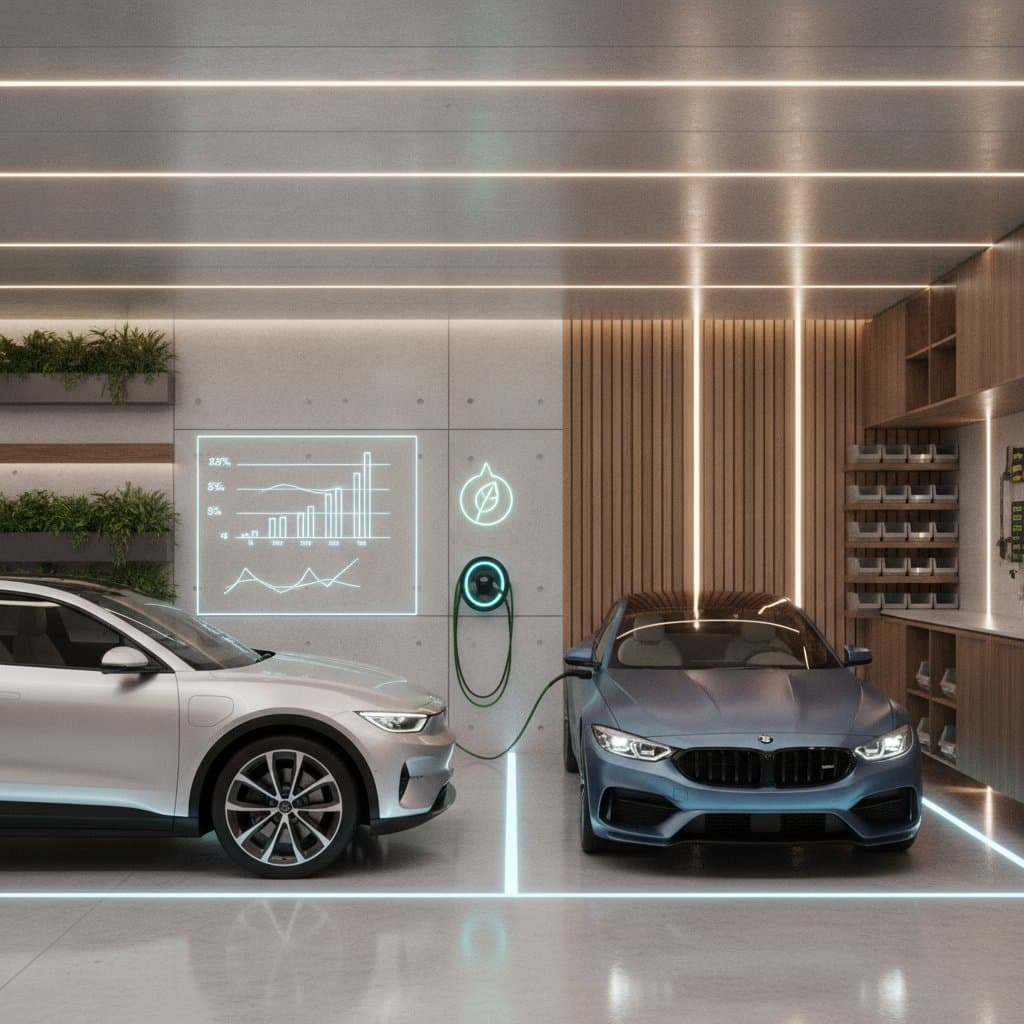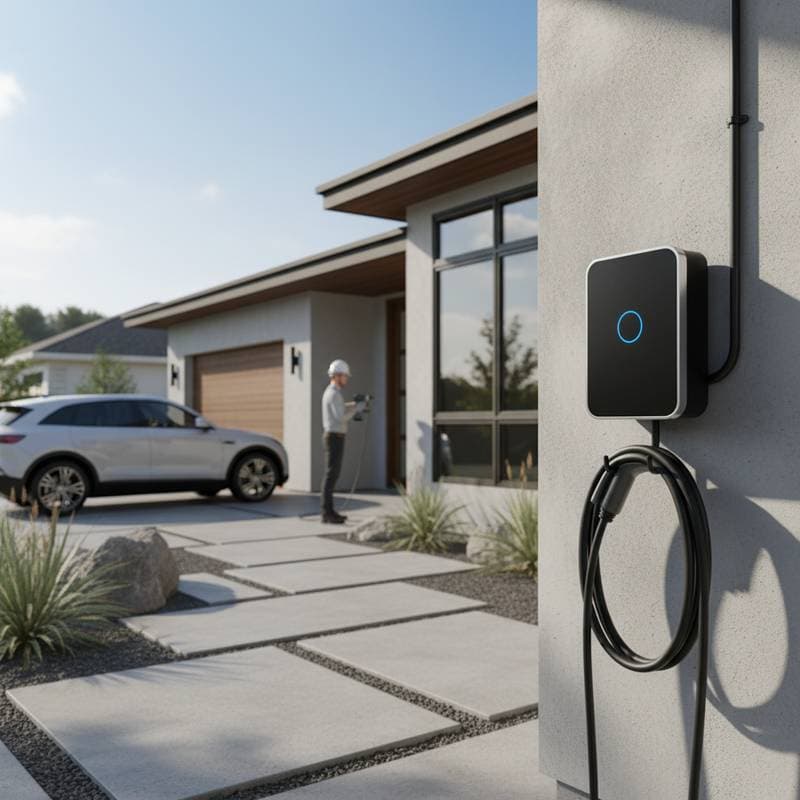
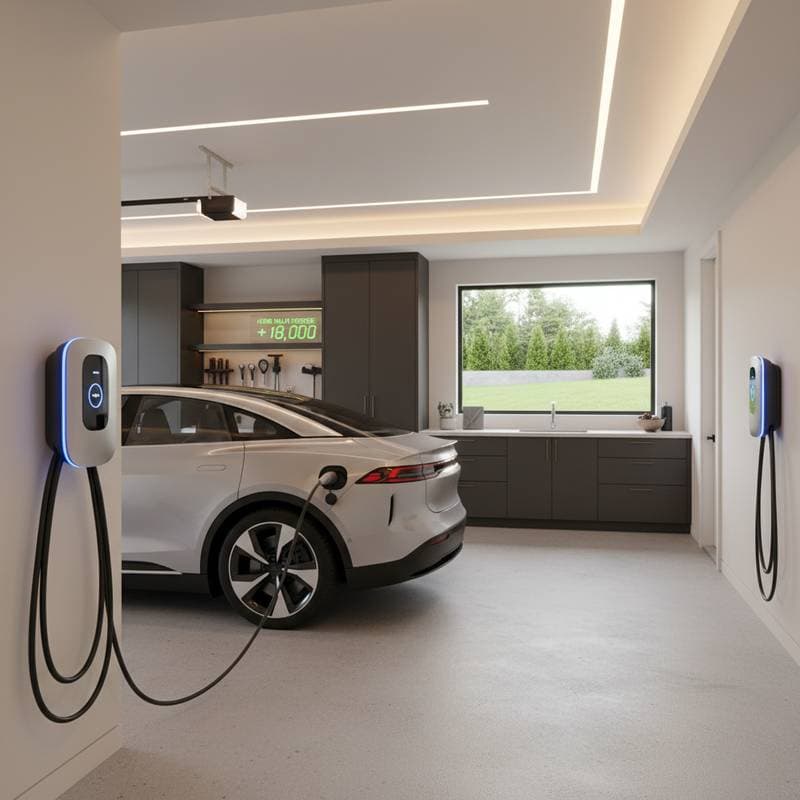
Why Install an EV Charger in Your Garage?
Electric vehicles gain popularity each year, and homeowners seek ways to accommodate them. An EV charger transforms a standard garage into a modern, efficient space. Beyond convenience, this addition signals to potential buyers that the property aligns with sustainable living trends.
Studies indicate that homes with Level 2 EV chargers command higher resale prices. The average boost reaches $18,000, depending on local market conditions and buyer demand. This value increase frequently exceeds the installation cost, making the project financially sound.
Homeowners enjoy practical benefits as well. Level 2 chargers deliver power at rates up to 240 volts, reducing full-charge times to several hours rather than overnight or longer. Energy-efficient operation may lower utility bills over time, especially with off-peak charging schedules.
Assessing Your Electrical Needs
Before proceeding, evaluate your home's electrical system. Most garages require a dedicated 240-volt circuit for optimal performance. Older homes often face capacity limitations that necessitate upgrades.
Consult your electrical panel to determine available amperage. A typical Level 2 charger draws 30 to 50 amps, so ensure the panel supports this load without overload risks. If the panel operates near full capacity, plan for an expansion or subpanel addition.
Look for signs of outdated wiring, such as aluminum conductors or improperly tapped breakers. These conditions pose safety hazards and may void charger warranties. A preliminary inspection reveals whether professional intervention proves essential.
When to Hire a Professional
- The electrical panel approaches maximum capacity.
- Aluminum wiring or double-tapped breakers appear present.
- Rebate programs mandate certified installation for eligibility.
Professionals guarantee adherence to local building codes and enhance overall safety. They also preserve the charger's manufacturer warranty through proper setup. Attempting a DIY approach risks costly errors and potential insurance complications.
Installation Costs and Planning
Budgeting forms the foundation of a successful project. Basic Level 2 charger installations range from $2,500 to $6,000, including equipment and labor. Factors like distance from the panel to the garage influence the final figure.
Trenching for underground lines or installing a subpanel adds $500 to $1,000. Permits and inspections contribute another $200 to $500 in most areas. Allocate 10 percent of the total budget for unforeseen issues, such as wiring replacements.
Rebates and incentives offset expenses significantly. Federal tax credits cover up to 30 percent of costs, while utility companies offer additional rebates. Research local programs early to maximize savings and streamline the process.
Steps to Prepare for Installation
- Conduct a site assessment: Identify the main panel location and measure the route to the parking area.
- Evaluate mounting options: Ensure sufficient wall space at the recommended height, typically 18 to 48 inches from the ground.
- Verify charger specifications: Confirm compatibility with your vehicle model and desired smart features, like app-based monitoring.
Obtain quotes from at least three licensed electricians. Each should detail permit requirements, potential upgrades, and timelines. Compare not only prices but also experience with EV systems and customer reviews.
The Installation Process
Order the charger in advance to account for shipping delays, which can span two to four weeks. Secure permits through your local authority or electrician before scheduling work. This step prevents interruptions and ensures compliance.
Installation typically requires one to two days, depending on complexity. Electricians run wiring, mount the unit, and connect it to the circuit. A final inspection by a certified authority verifies safe operation.
Post-installation tasks solidify the investment. Register the device with the manufacturer to activate the warranty. Submit documentation for rebates promptly, as processing times vary. Retain all records, including permits and receipts, for future resale discussions.
Maintenance for Longevity
Regular upkeep extends the charger's lifespan and maintains performance. Monthly visual inspections detect cable wear, cracks, or loose connections. Clear vents of dust and debris to prevent overheating.
Seasonal testing of the ground fault circuit interrupter (GFCI) ensures electrical safety. Avoid direct water exposure during cleaning; use a damp cloth instead. Refrain from kinking or tightly coiling the cord to avoid internal damage.
Most chargers include warranties of three to five years. Electrical panels and wiring carry separate coverage from the installer or supplier. Schedule comprehensive inspections every two to three years, particularly before listing the home for sale.
Address issues promptly if they arise. Tripped breakers or slower charging speeds often indicate moisture problems or faulty connections. Contact a licensed electrician immediately to diagnose and resolve these concerns.
Long-Term Benefits and Resale Appeal
An EV-ready garage enhances daily life and property marketability. Buyers increasingly prioritize homes equipped for electric vehicles, viewing the feature as a premium amenity. This upgrade future-proofs the property against evolving transportation norms.
Financial returns extend beyond resale value. Reduced reliance on public charging stations saves time and subscription fees. Integration with home energy management systems optimizes costs further.
Consider pairing the charger with other garage improvements, such as improved lighting or storage solutions. These elements create a cohesive, appealing space that stands out in listings. Professional photography highlights the setup to attract serious inquiries.
Actionable Steps to Get Started
Begin with an electrical capacity audit to confirm feasibility. Contact certified electricians for detailed quotes tailored to your setup. Explore rebate applications through government and utility websites.
Prioritize a Level 2 charger with a dedicated circuit for reliability and code compliance. This choice minimizes future maintenance and aligns with industry standards. The investment delivers returns in convenience, efficiency, and enhanced home equity.