Wellness Mudrooms: The 2026 Advantage for Elevated Home Sales
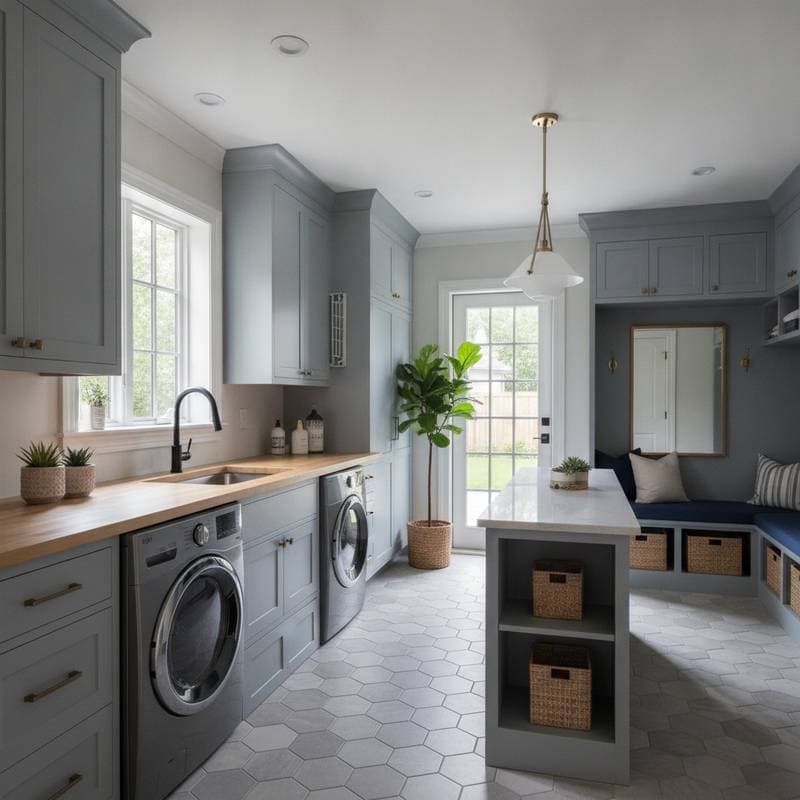
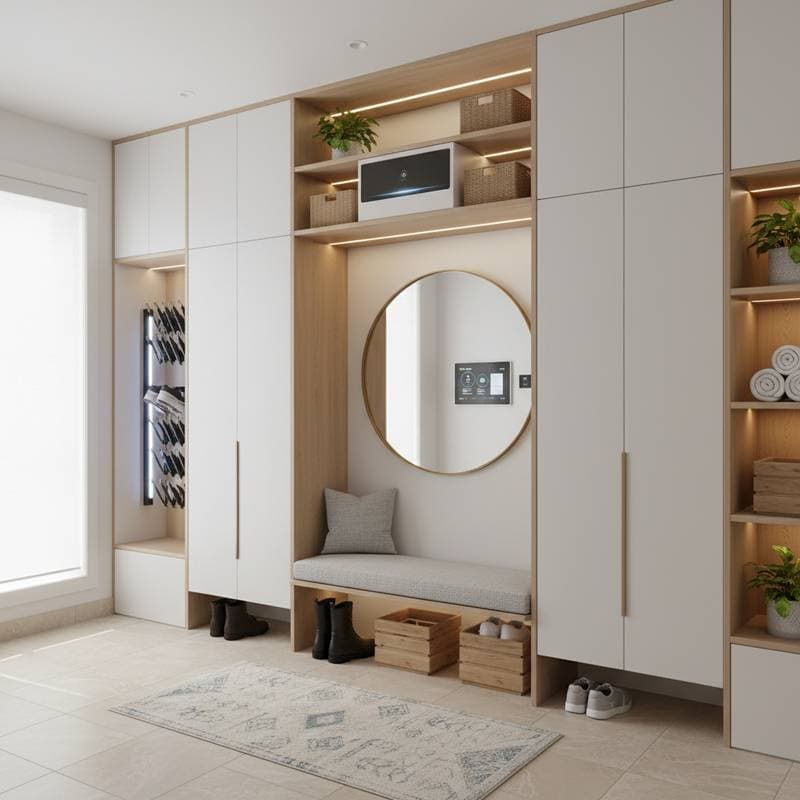
Wellness mudrooms emerge as a pivotal feature in contemporary home design, blending practical entryway functionality with elements that promote physical and mental well-being. Homeowners preparing for resale or personal enhancements find these spaces increase everyday usability while significantly lifting property worth. By integrating air purification systems, ergonomic storage solutions, and soothing visual elements, wellness mudrooms address the growing demand for health-centric living environments.
These areas prove ideal for households seeking reduced allergens, streamlined gear management, and a peaceful shift from exterior chaos to interior tranquility. They align particularly well with upscale residences, dynamic family settings, and listings targeted at discerning, health-aware purchasers. As real estate trends evolve, incorporating such a mudroom positions a property ahead in competitive markets.
Benefits and Drawbacks
Key Benefits
- Enhances property appraisal by attracting buyers who prioritize wellness amenities, potentially adding $8,000 to $25,000 in value.
- Prevents the influx of outdoor pollutants, dust, and humidity into primary living zones through specialized barriers and filtration.
- Streamlines the arrangement of footwear, outerwear, and equipment with custom benches, hooks, and cubbies.
- Fosters a relaxing buffer zone that eases the transition from busy exteriors to serene interiors.
- Promotes eco-friendly practices via recyclable, low-maintenance surfaces and energy-efficient components.
Potential Drawbacks
- Involves substantial initial investment, especially challenging for compact or aged structures.
- Often necessitates modifications to existing frameworks or heating, ventilation, and air conditioning setups.
- Demands consistent upkeep to sustain health advantages like optimal air flow and surface hygiene.
- Presents retrofit challenges in constrained layouts where space optimization becomes critical.
Approaching the Project: DIY or Professional Installation
DIY Considerations
Complexity Level: Moderate to high, requiring familiarity with multiple trades.
Duration: Typically spans three to six weeks, varying by project scale and homeowner skill.
Essential Tools: Include standard woodworking implements, basic plumbing fixtures, and electrical testing devices.
Associated Risks: Moderate; missteps in sealing against water, ensuring proper airflow, or optimizing spatial use may compromise performance and diminish returns.
Professional Recommendations
Engage a licensed general contractor for projects involving water lines, underfloor heating elements, or load-bearing alterations. Collaborate with an interior designer to harmonize storage capacity with visual harmony. For integrated air handling units, consult a certified heating, ventilation, and air conditioning specialist to comply with regulations and maximize operational efficiency.
Upkeep and Durability
Wellness mudrooms endure for 15 to 25 years when subjected to routine care, ensuring long-term functionality and aesthetic appeal. Perform monthly tasks such as surface wiping and filter or vent cleaning to maintain hygiene standards. Conduct seasonal reviews, including resealing floors, examining grout lines or moisture shields, and laundering removable mats.
Annual inspections should encompass ventilation system testing and detection of any mold or dampness issues. Built-in cabinetry and flooring typically include warranties of five to ten years, whereas ventilation hardware benefits from biennial professional tune-ups to preserve peak condition.
Regional Influences on Design and Cost
Local weather patterns, regulatory requirements, and site-specific conditions shape both the configuration and expense of wellness mudrooms. In colder climates, incorporate heated subflooring and robust vapor barriers to combat frost and condensation. Humid environments call for integrated dehumidification units and anti-fungal coatings to safeguard against microbial growth.
Coastal properties benefit from corrosion-resistant hardware and saline-tolerant surfaces to withstand environmental exposure. Urban settings with restricted footprints favor multifunctional, wall-mounted solutions to maximize utility. Rural homes gain from reinforced dirt-trapping zones and dedicated boot-cleaning stations that handle heavier outdoor loads.
Municipal ordinances may mandate approvals for any alterations affecting structure, utilities, or airflow. Consult local authorities early to confirm adherence to construction standards and ventilation guidelines, avoiding delays or penalties.
Essential Safety Measures
Prioritize electrical installations by employing a certified electrician for fixtures, outlets, or warming mats to avert hazards. Delegate plumbing tasks, such as sink or drainage setups, to qualified plumbers who ensure leak-proof connections. Verify that air circulation systems align with ASHRAE Standard 62.2 to uphold superior indoor atmosphere quality.
Implement moisture management through impermeable materials at thresholds and routine seal inspections. Secure all necessary construction permits upfront; this step not only fulfills legal obligations but also bolsters the feature's contribution to future marketability.
Steps to Implement Your Wellness Mudroom
Wellness mudrooms deliver tangible enhancements in livability and financial return, tailored to individual needs. Begin by clarifying your priorities: enhanced respiration, sanitized access points, or effortless decluttering? Align the layout with daily habits rather than fleeting fashions to ensure enduring satisfaction.
Solicit estimates from at least three vetted contractors specializing in foyer transformations. Evaluate their proposals on material quality, guarantee terms, and project schedules, with particular attention to strategies for airflow, illumination, and humidity regulation.
For imminent sales, opt for versatile palettes and understated patterns that emphasize pristine order. Long-term residents can infuse character via elements like untreated timber accents, potted greenery, or subtle aromatic diffusers. This versatile upgrade extends beyond elite constructions, establishing itself as a foundational choice for vitality and investment security.
Frequently Asked Questions
What distinguishes a standard mudroom from a wellness version?
Wellness iterations incorporate health-boosting attributes like particulate filters, easy-to-sanitize finishes, and humidity regulators. The emphasis lies on excluding external irritants while cultivating an inviting, restorative atmosphere.
What dimensions suit a wellness mudroom?
Configurations generally span 40 to 100 square feet, scaled to family size, usage frequency, and entryway availability. Larger areas accommodate multiple users, while smaller ones leverage clever partitioning.
Is retrofitting an current foyer feasible?
Affirmative, provided sufficient clearance and utility access exist. Introduce resilient tiling, airflow enhancements, and modular shelving to replicate wellness outcomes without full reconstruction.
Which surfaces excel in wellness mudrooms?
Opt for porcelain tiles, treated concrete slabs, or sealed hardwoods engineered for dampness. These options facilitate swift cleaning and thwart mold or lingering smells.
Is natural lighting mandatory?
While sunlight aids ambiance, it remains optional. Emphasis on mechanical ventilation and purification delivers the core air quality gains.
Wellness mudrooms instill order and serenity into everyday transitions, underpinning robust health practices and crafting memorable initial encounters. In new constructions or renovations, this thoughtful entry elevates a dwelling's uniqueness amid forthcoming market dynamics.