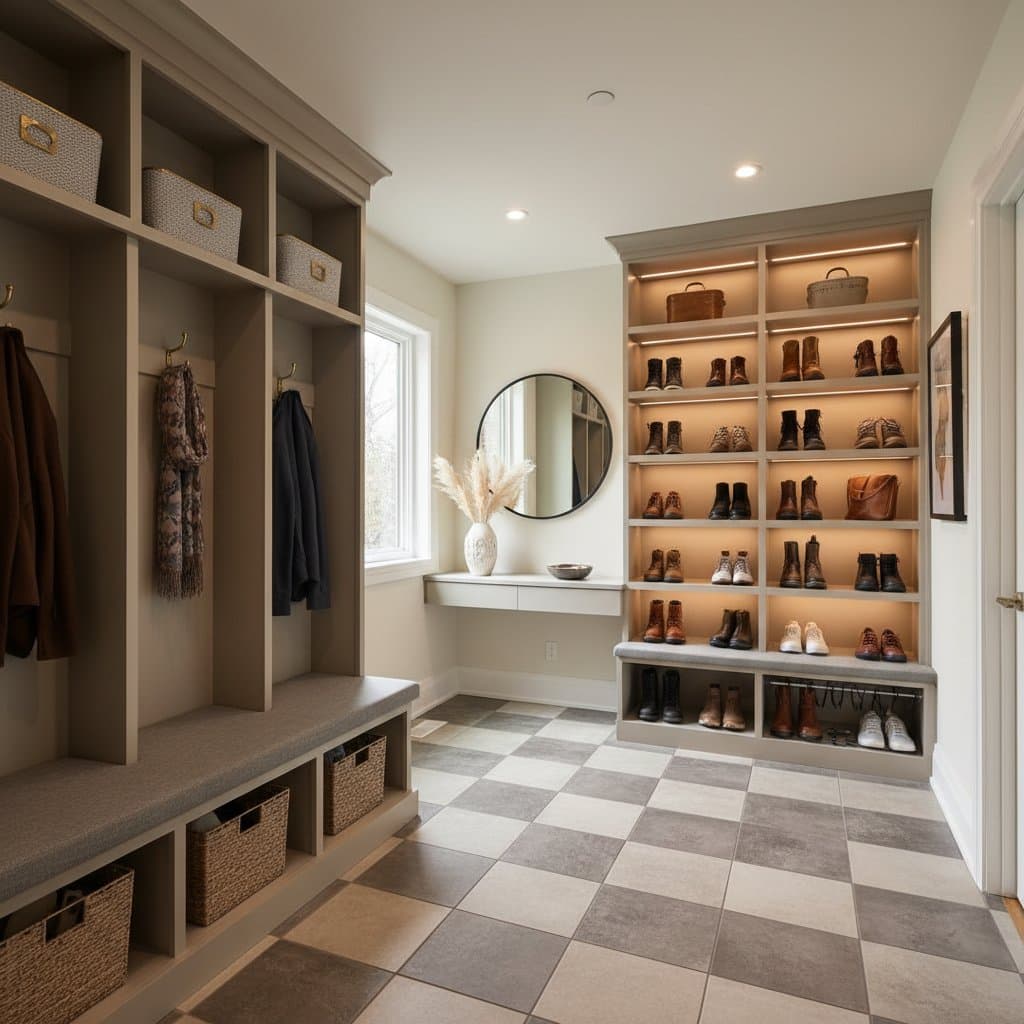
Enhance Home Value Through Mudroom Upgrades: Achieve 73% ROI
Well-executed mudroom additions or remodels typically deliver 73% return on investment. Such projects range from $12,000 to $24,000 and provide immediate utility while enhancing resale potential.
The Value of Mudroom Investments
Prospective buyers and professional appraisers prioritize spaces that promote order and hygiene. A dedicated mudroom establishes a distinct boundary between exterior and interior areas, safeguarding floors and expanding storage options. This feature also demonstrates intentional architecture, which elevates the overall assessment of property worth. Resale returns average 73%, particularly in designs integrated with primary entrances or attached garages.
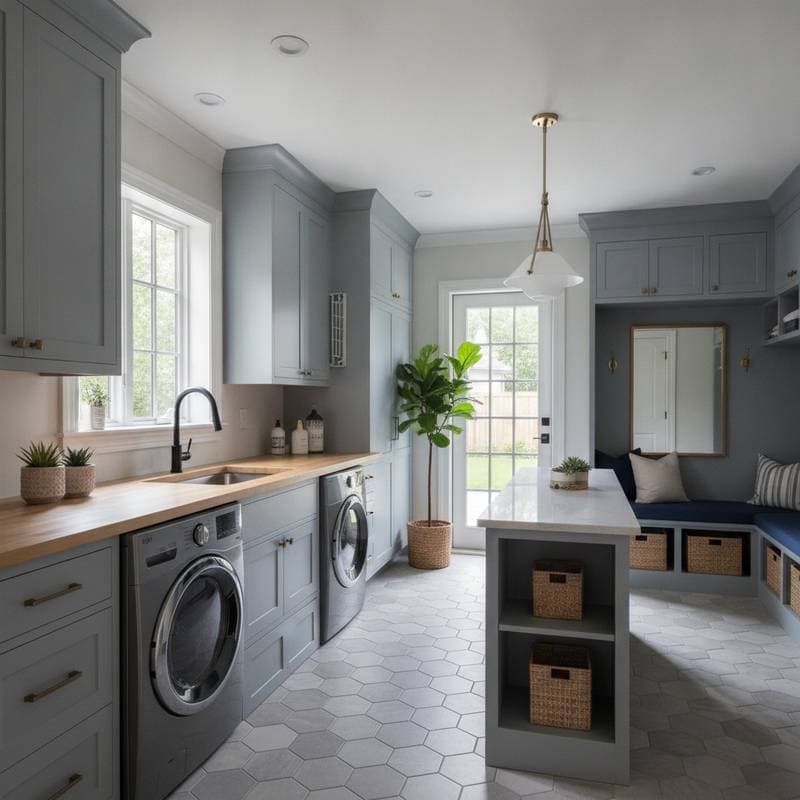
Mudrooms often serve multiple purposes, such as laundry facilities, pet grooming stations, or equipment storage. Each incorporated element heightens practicality and investment recovery, provided the layout remains streamlined. Expenditures that exceed community standards seldom yield proportional gains, so align project scope with local market dynamics and buyer preferences.
Upgrade Categories and Features
Mudroom enhancements vary from modest improvements to extensive constructions. Tailor selections to financial constraints and household routines for optimal results.
Basic Refresh Options
- Apply washable semi-gloss paint to walls for easy cleaning.
- Install vinyl plank or ceramic tile flooring resistant to moisture.
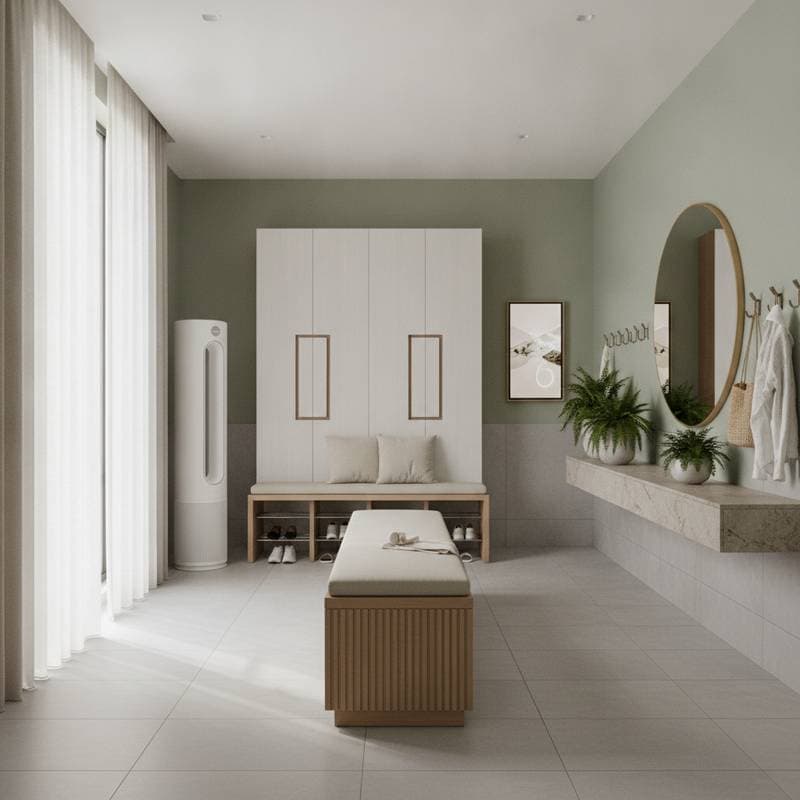
- Incorporate wall-mounted hooks, modular shoe racks, and a compact seating bench.
- Position weatherproof mats and containment trays near entry points.
Estimated Cost: $4,000 to $7,000
Expected ROI: Up to 60%, driven by aesthetic improvements and basic usability.
Midrange Remodel Features
- Integrate custom cubbies for storage and built-in bench with cushioning.
- Lay durable tile or natural stone flooring over sound-absorbing underlayment.
- Add a deep utility sink and designated area for boot cleaning.
- Equip with adjustable task lighting and automatic motion-activated switches.
Estimated Cost: $10,000 to $18,000
Expected ROI: Approximately 73%, balancing robust performance with broad market attraction.
Premium Addition Elements
- Construct additional square footage adjacent to a garage or secondary entrance.
- Feature embedded laundry appliances, pet washing station, and heated flooring systems.
- Utilize premium cabinetry, quartz surface counters, and concealed drying mechanisms.
Estimated Cost: $20,000 to $35,000 or more
Expected ROI: 65% to 75%, influenced by execution quality and regional pricing limits.
Ensuring Safety and Regulatory Adherence
Prior to commencing any structural alterations, locate and mark electrical, gas, and plumbing shutoff valves. Equip workers with protective gloves, safety goggles, and N95-rated respirators during tasks involving dust generation from drywall sanding or cutting. In homes constructed before 1978, test for lead-based paint and asbestos prior to material disruption.
Position grounded electrical outlets adjacent to wet areas and mandate ground-fault circuit interrupter (GFCI) safeguards. For new plumbing installations, verify proper pipe sloping and secure drainage ties in accordance with municipal codes. Document all exposed structural framing and electrical configurations with photographs before enclosing surfaces, facilitating future maintenance.
Upkeep Strategies and Protection Plans
High-traffic mudrooms demand consistent care to preserve both appearance and longevity.
Daily and Periodic Maintenance
- Perform weekly sweeping and mopping to eliminate abrasive particles that could damage finishes.
- Reapply sealant to tile grout lines every two to three years to maintain water resistance.
- Promptly repair paint imperfections on moldings or seating surfaces to avoid escalation.
- Renew door weatherstripping every five years to block air infiltration and energy loss.
Common Wear Points
- Door hinges and drawer glides degrade from repeated operation; select heavy-duty models for durability.
- Inexpensive wall hooks may detach from inadequate drywall anchors; secure them directly to wall studs.
- Unprotected grout absorbs dirt and corrosive salts, leading to premature fading and cracking.
Coverage and Durability Expectations
Flooring materials carry warranties from 10 to 25 years based on composition and quality. Cabinet installations include one- to five-year guarantees on hardware and components. Organize all purchase records and product specifications in a dedicated file to substantiate claims during resale discussions.
Tiered Upgrade Recommendations
| Level | Key Modifications | Typical Cost | ROI | Considerations |
|---|---|---|---|---|
| Good | Wall painting, flooring replacement, basic organizers | $4,000–$7,000 | 60% | Quick implementation, minimal disruption |
| Better | Custom storage, enhanced lighting, sink installation | $10,000–$18,000 | 73% | Optimal value for most properties |
| Best | Space expansion, integrated utilities, advanced heating | $20,000–$35,000+ | 65–75% | Ideal for long-term residency, extended recovery period |
The mid-tier approach maximizes returns for properties entering the market soon, unless extended occupancy justifies premium investments.
Expert Recommendations for Optimal Results
- Verify measurements meticulously prior to procuring cabinetry, as bespoke pieces involve extended production timelines.
- Maintain a minimum 36-inch pathway width to ensure comfortable navigation and compliance with accessibility standards.
- Layer illumination sources, pairing ceiling-mounted units with low-profile LED strips beneath cabinets.
- Apply protective sealants to grout and wooden elements immediately following installation to resist initial wear.
- Assign and label dedicated compartments for family members to sustain organization over time.
Prioritize a moisture-barrier flooring foundation in any project; this foundational step averts water-related deterioration to adjacent woodwork and fixtures.
Execute Your Mudroom Project Effectively
Mudroom transformations yield practical benefits alongside quantifiable financial advantages. Initiate the process with a detailed blueprint, prudent financial allocation, and preliminary review of permitting requirements. Assess whether surface-level updates or spatial expansions align with your technical proficiency and long-term plans.
Time renovations for off-peak contractor seasons to secure favorable rates and availability. Procure resilient materials only after finalizing layouts to minimize waste. Allocate a contingency budget equivalent to 10% of total costs to address unforeseen challenges.
Upon completion, capture high-quality images of the finished area for marketing materials and documentation purposes. Begin implementation by diagramming your existing entry sequence, identifying primary pain points, and establishing a feasible spending limit. Thoughtful execution ensures your mudroom enhances livability, maintains tidiness, and strengthens property equity.