The Value of Adding a Wine Cellar to Your Home
Homeowners often seek ways to differentiate their properties in competitive real estate markets. One effective strategy involves incorporating a custom wine cellar, which can increase resale value by up to 15 percent. This addition not only serves practical purposes but also conveys a level of sophistication that appeals to discerning buyers.
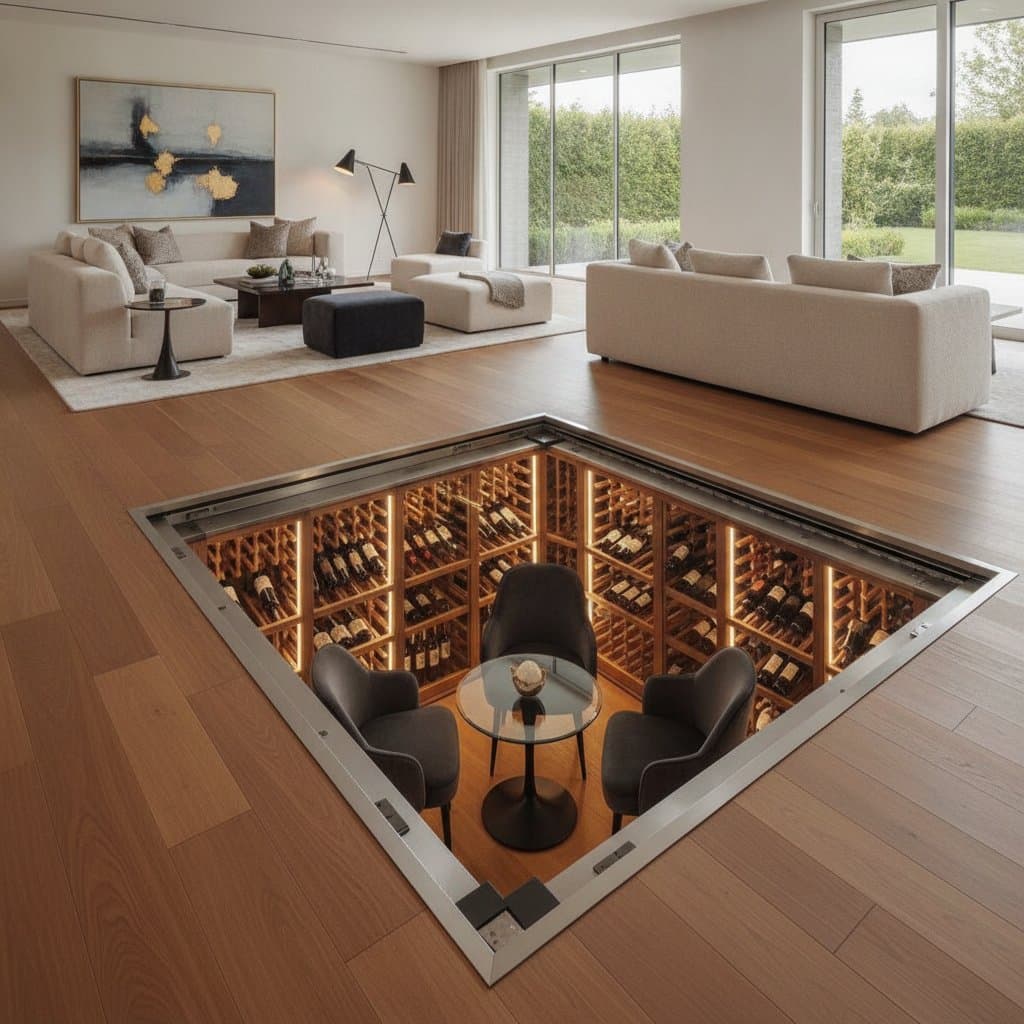
Such cellars transform basements, closets, or spare rooms into controlled environments ideal for wine storage. Proper construction addresses key factors like temperature stability, humidity regulation, and structural integrity. Buyers appreciate these features as signs of quality craftsmanship, potentially shortening sale times and commanding higher offers.
Real estate experts note that luxury amenities like wine cellars correlate with premium pricing in upscale neighborhoods. For instance, a well-designed cellar in a mid-sized home can justify an additional $50,000 or more in listing price, depending on local market dynamics. The investment pays dividends through enhanced curb appeal and interior prestige.
Understanding Costs and Budgeting Essentials
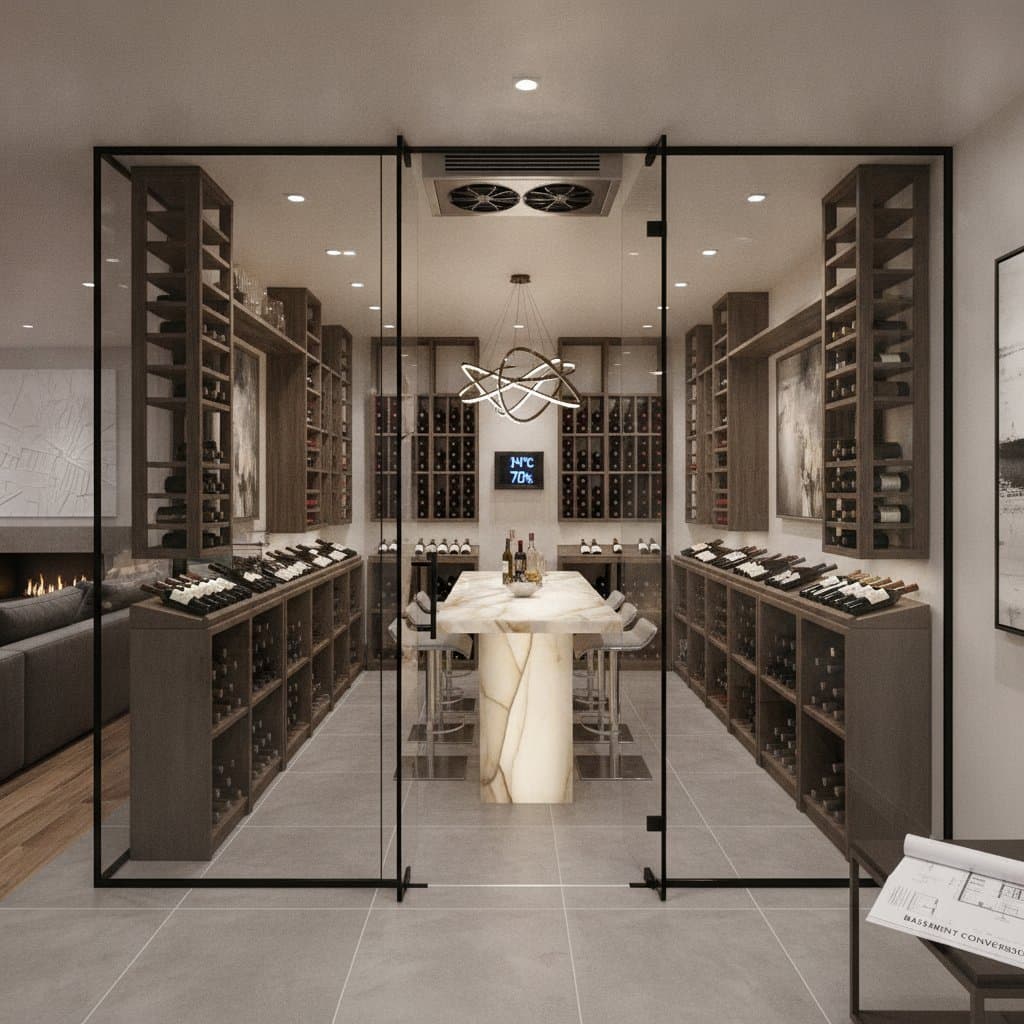
The financial commitment for a wine cellar varies based on scope and materials. Basic installations start at $8,000 for small spaces holding 100 to 200 bottles, while elaborate designs with custom racking and advanced cooling systems reach $45,000 or higher. Factors influencing price include room size, insulation quality, and aesthetic choices like glass doors or decorative flooring.
Allocate funds for essential components: cooling units account for 20 to 30 percent of the total, racking systems 15 to 25 percent, and labor 40 percent. Unexpected expenses arise from site-specific challenges, such as reinforcing floors in older structures or installing vapor barriers in humid climates. A detailed budget breakdown helps avoid overruns.
To optimize spending, consider modular racking kits that allow future expansion without full redesigns. High-quality materials, though initially costly, reduce long-term maintenance needs and preserve wine integrity. Consulting with specialists early ensures accurate estimates tailored to your property.
Construction Process and Key Considerations
Building a wine cellar requires precision to maintain ideal conditions of 55 to 57 degrees Fahrenheit and 50 to 70 percent humidity. Engage a licensed contractor experienced in structural framing, vapor barriers, and cooling installations. Errors in insulation or electrical work risk damaging collections or invalidating insurance coverage.
HVAC professionals play a crucial role in managing temperature zones and preventing condensation buildup, aspects that general contractors might miss. Select materials resistant to moisture, such as sealed wood or metal racking, to safeguard bottles from cork degradation. Integration with home systems, like backup power for cooling, enhances reliability.
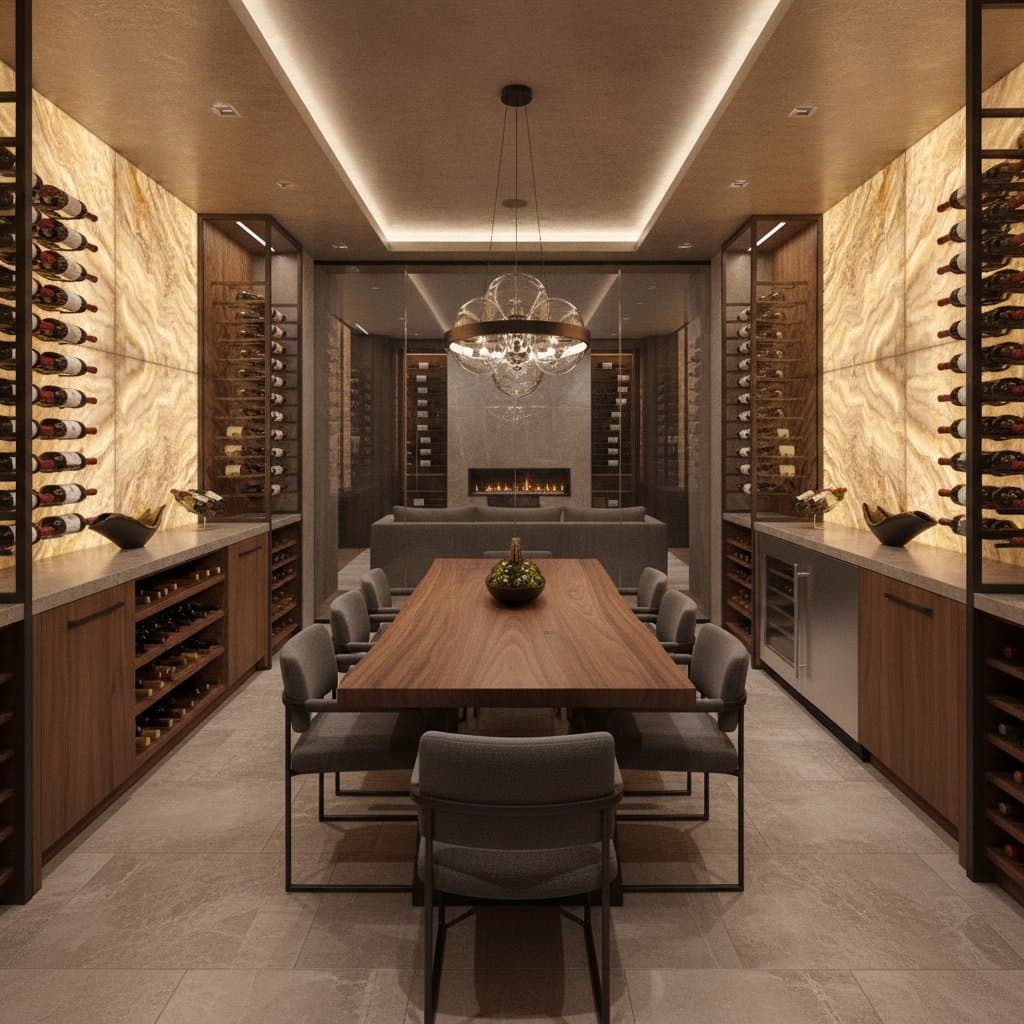
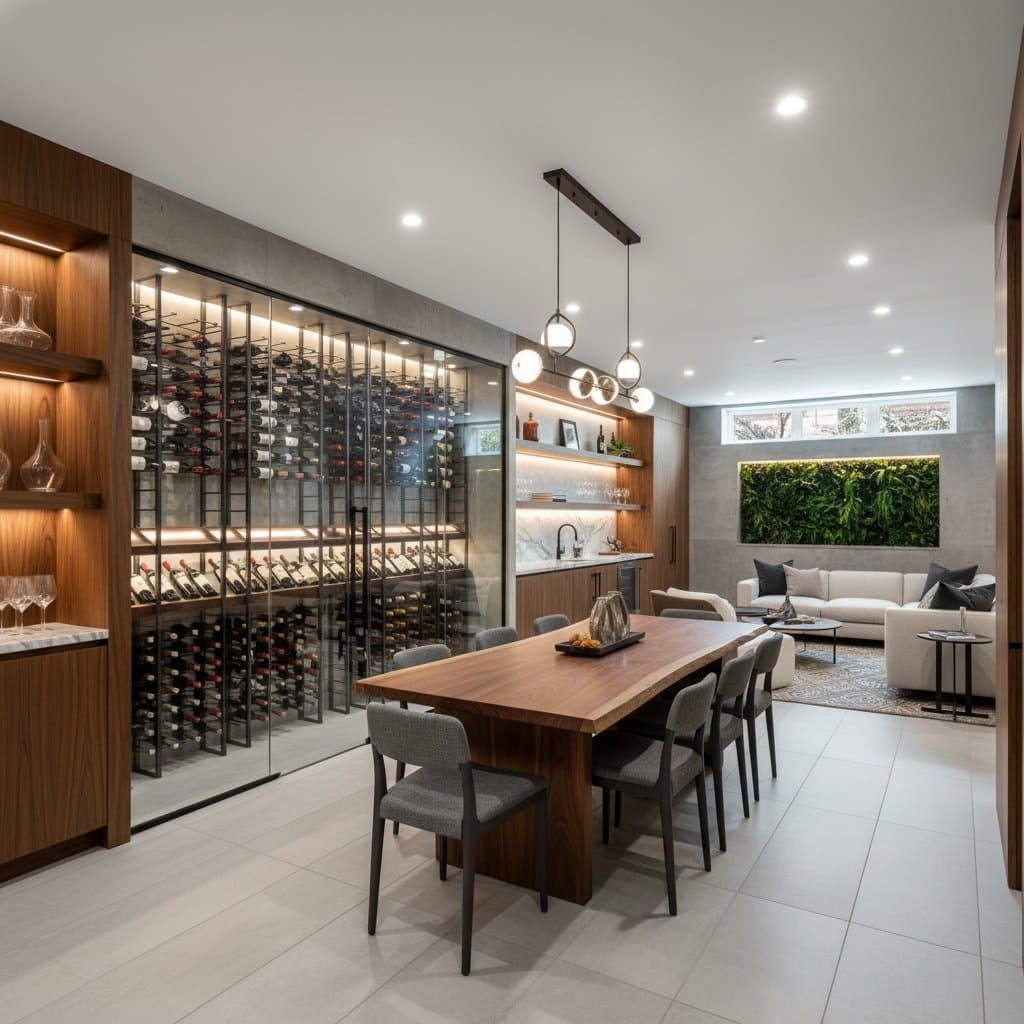
Design elements contribute to both functionality and style. Opt for UV-protected glass if visibility matters, and incorporate secure locking mechanisms for valuable collections. Compliance with local building codes ensures safety and avoids costly revisions during inspections.
Timing and Strategies for Efficiency
Construction timelines span 3 to 8 weeks, influenced by lead times for specialized equipment like cooling units and custom racks. Schedule orders for climate control systems well in advance to mitigate delays, especially during peak renovation periods from spring to fall. Permitting and inspections add 1 to 2 weeks in regulated areas.
Combine the project with broader renovations, such as basement finishing, to achieve savings of 10 to 20 percent through shared labor and materials. Off-season work, typically winter months, often secures discounted rates from contractors with lighter schedules. In older homes, reserve an additional 10 to 15 percent of the budget for surprises like hidden moisture damage or framing repairs.
Energy-efficient options further reduce expenses. Cooling units with inverter technology consume up to 30 percent less power, and LED lighting minimizes heat output while lasting 50,000 hours or more. Investigate utility rebates for qualifying installations, which can offset initial costs by $200 to $500 in eligible regions.
Ongoing Maintenance for Longevity
A wine cellar demands regular upkeep to function optimally and protect investments. Inspect and clean air filters every three months to prevent dust accumulation that strains compressors. Replace filters biannually, and monitor humidity levels with a digital hygrometer to stay within the 55 to 70 percent range.
Wooden racks require sealing every two to three years to resist warping from environmental fluctuations. Avoid direct placement of bottles on unsealed surfaces, as this invites mold growth. LED fixtures need little attention beyond occasional dusting, offering lifespans of 10 to 15 years.
Most cooling units come with 3- to 5-year warranties covering parts and labor. Extended plans, costing 10 to 15 percent more, provide peace of mind for continuous operation. Document all maintenance activities to support warranty claims and demonstrate care to potential buyers.
Practical Steps to Get Started
Begin by evaluating your available space for suitability. Test moisture levels in basements or intended areas; install dehumidifiers if readings exceed 60 percent to prepare the site.
- Determine your target bottle capacity, typically 100 to 500 for residential cellars, to guide rack dimensions and cooling power requirements.
- Obtain quotes from at least three contractors specializing in insulated wine rooms, comparing their portfolios for quality assurance.
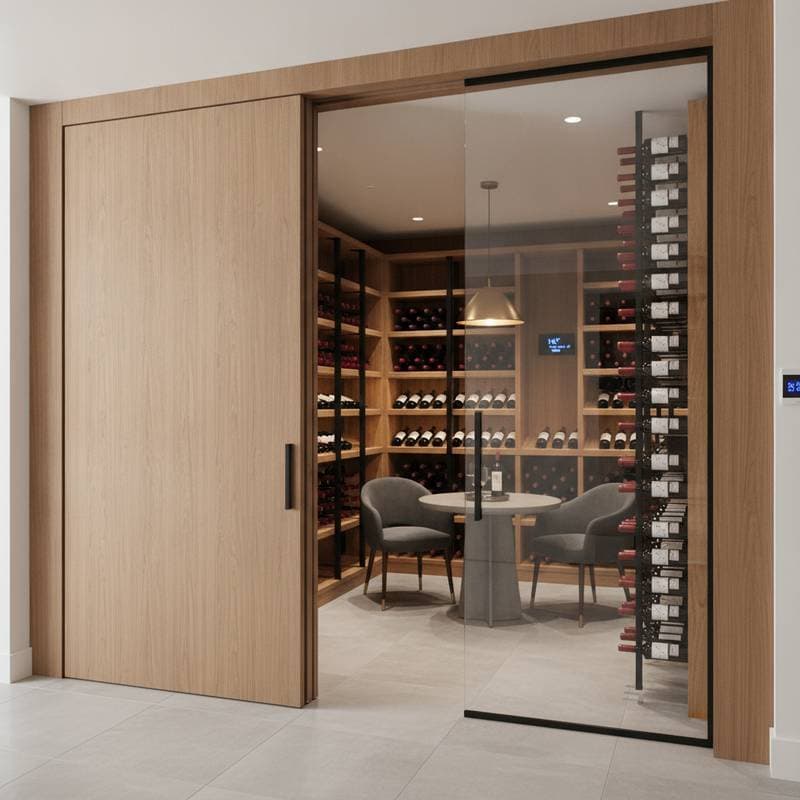
- Select finishes that harmonize with your home's overall aesthetic, such as oak racking to match cabinetry, ensuring seamless resale integration.
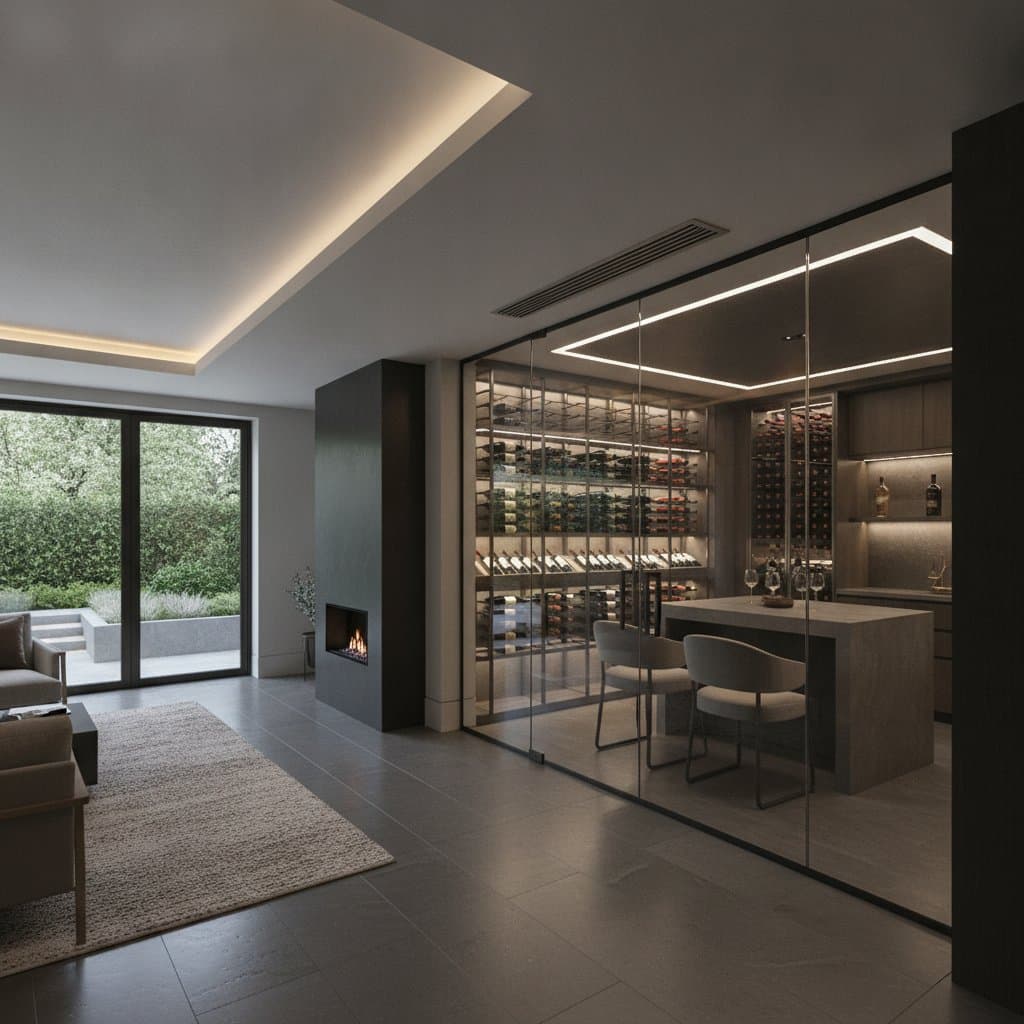
- Incorporate ambient lighting and glass panels for display purposes, enhancing visual appeal without compromising climate control.
- Review insurance riders for wine collections post-installation to secure comprehensive protection.
Realizing Lasting Benefits
Beyond storage, a thoughtfully constructed wine cellar elevates daily living and future marketability. It showcases meticulous attention to detail, attracting buyers who value refined amenities. This feature not only safeguards your collection but also infuses your home with an air of enduring elegance, yielding returns that extend well past the initial investment.