Introduction to Hidden Wine Cellars
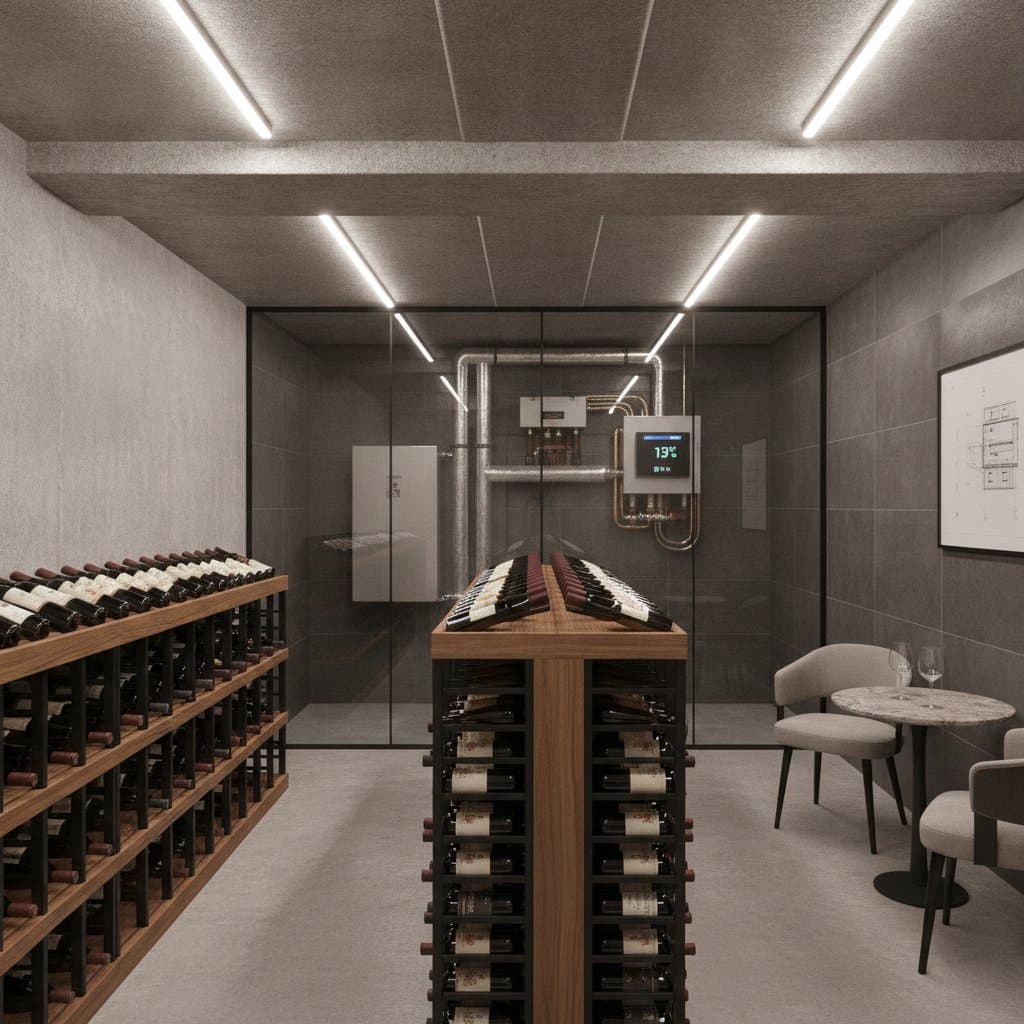
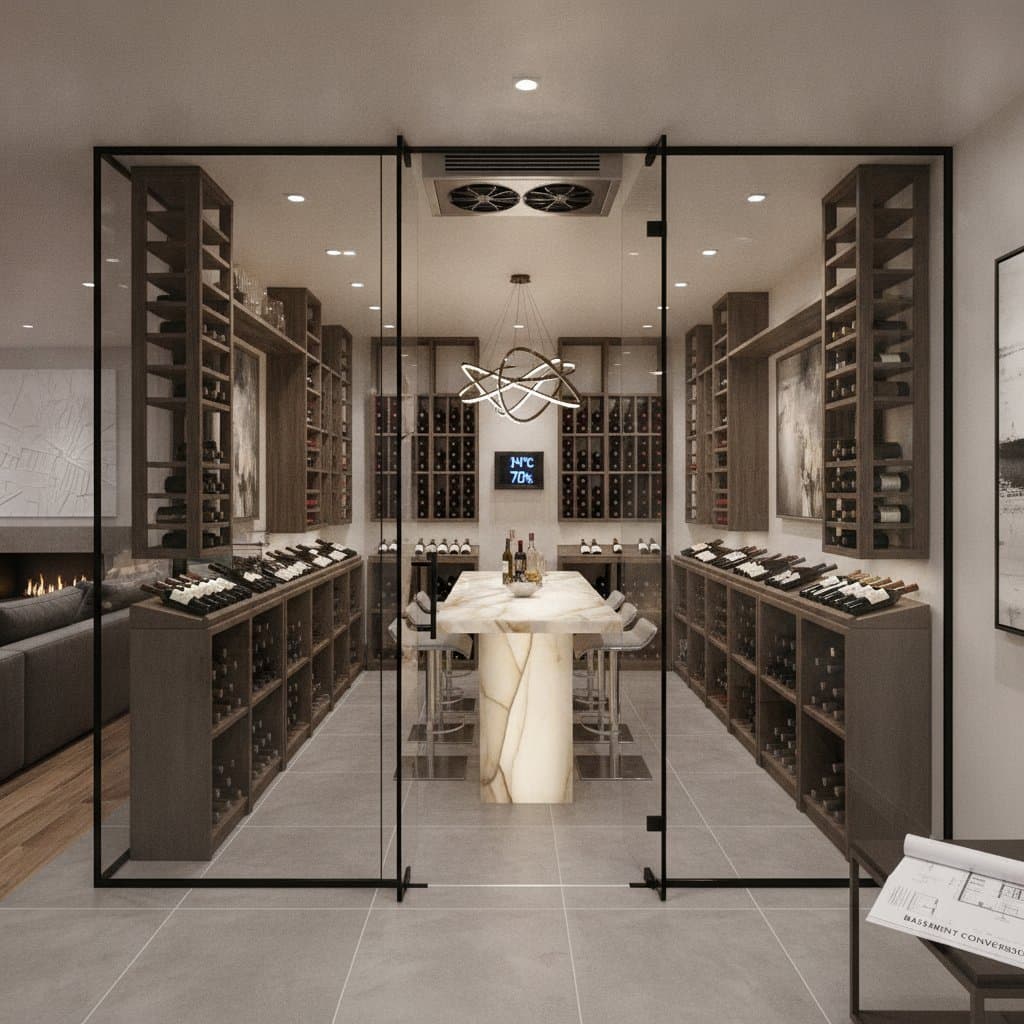
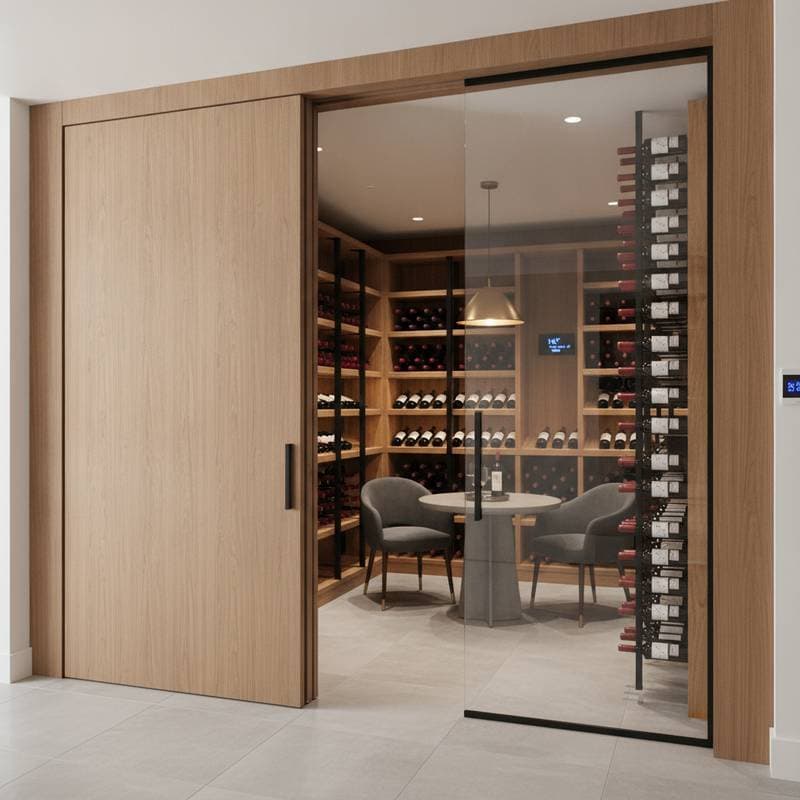
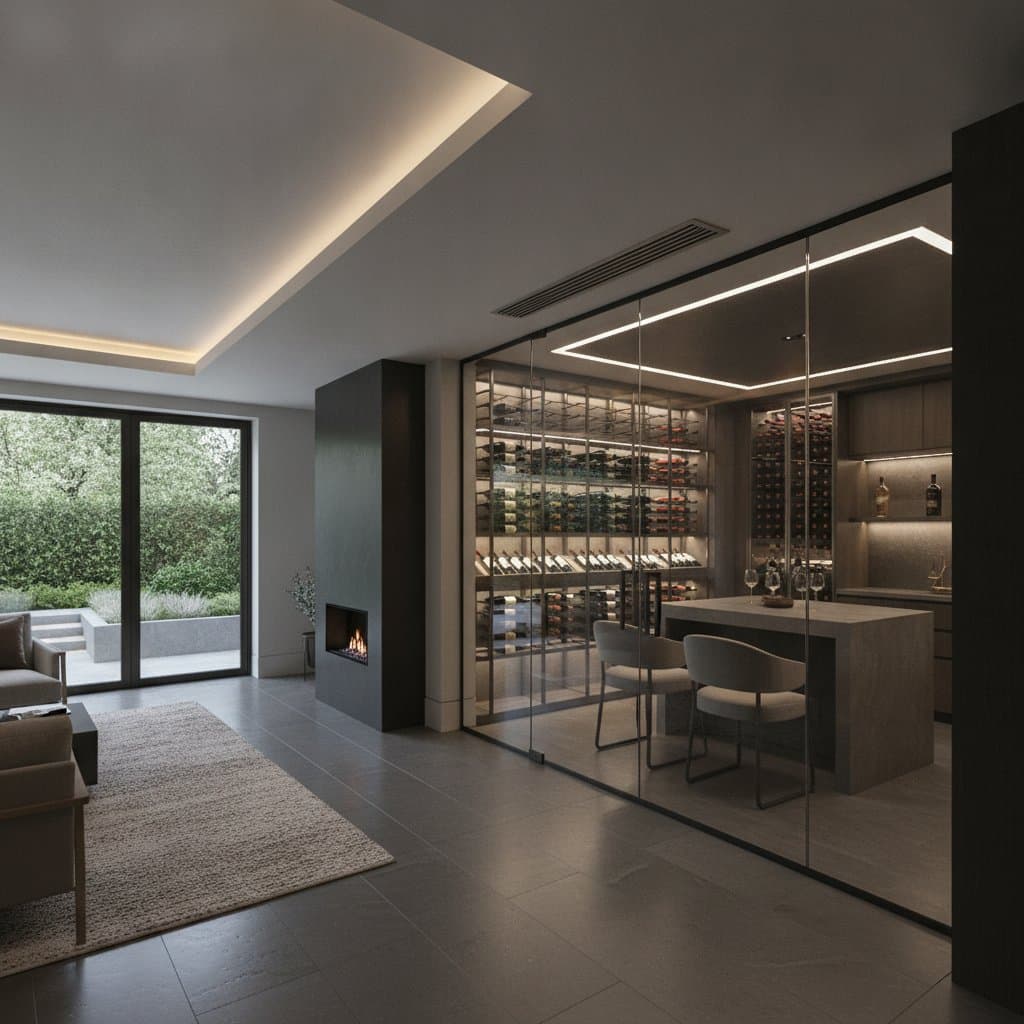
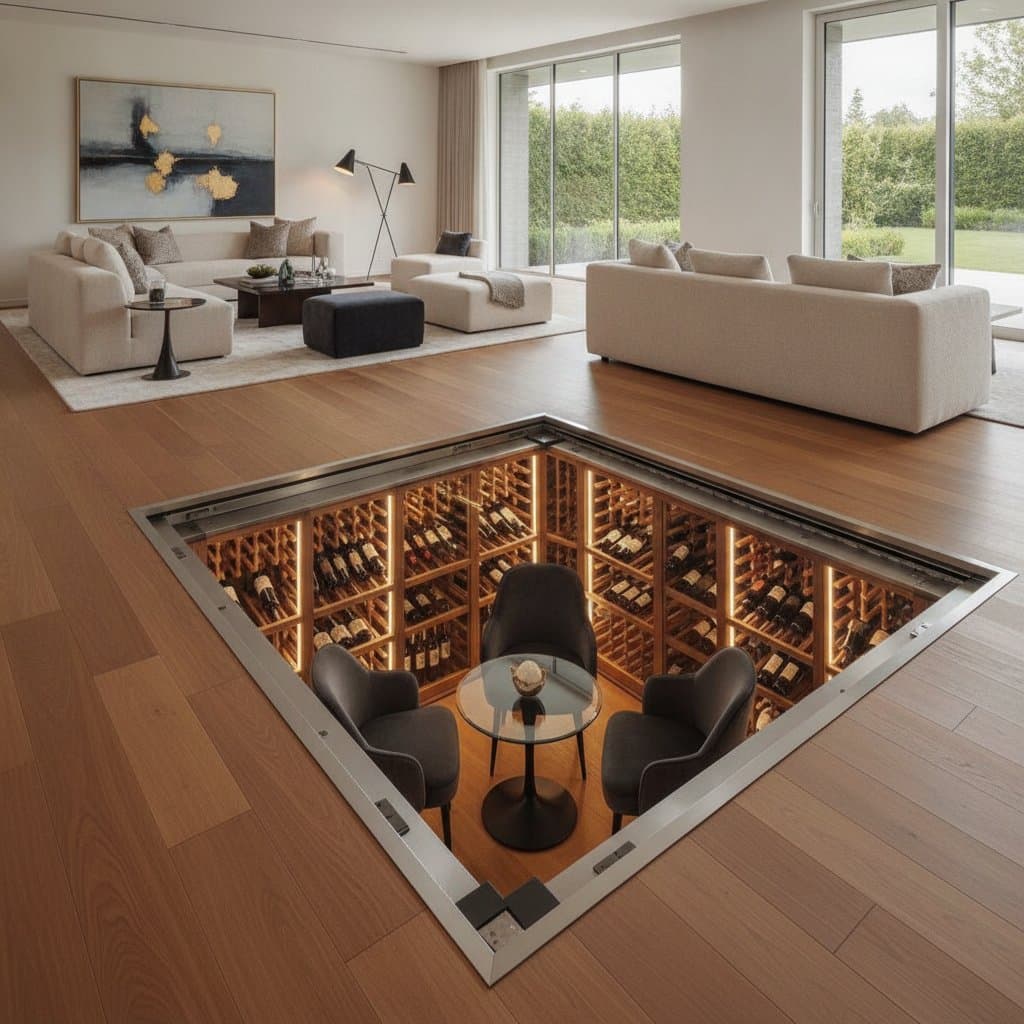
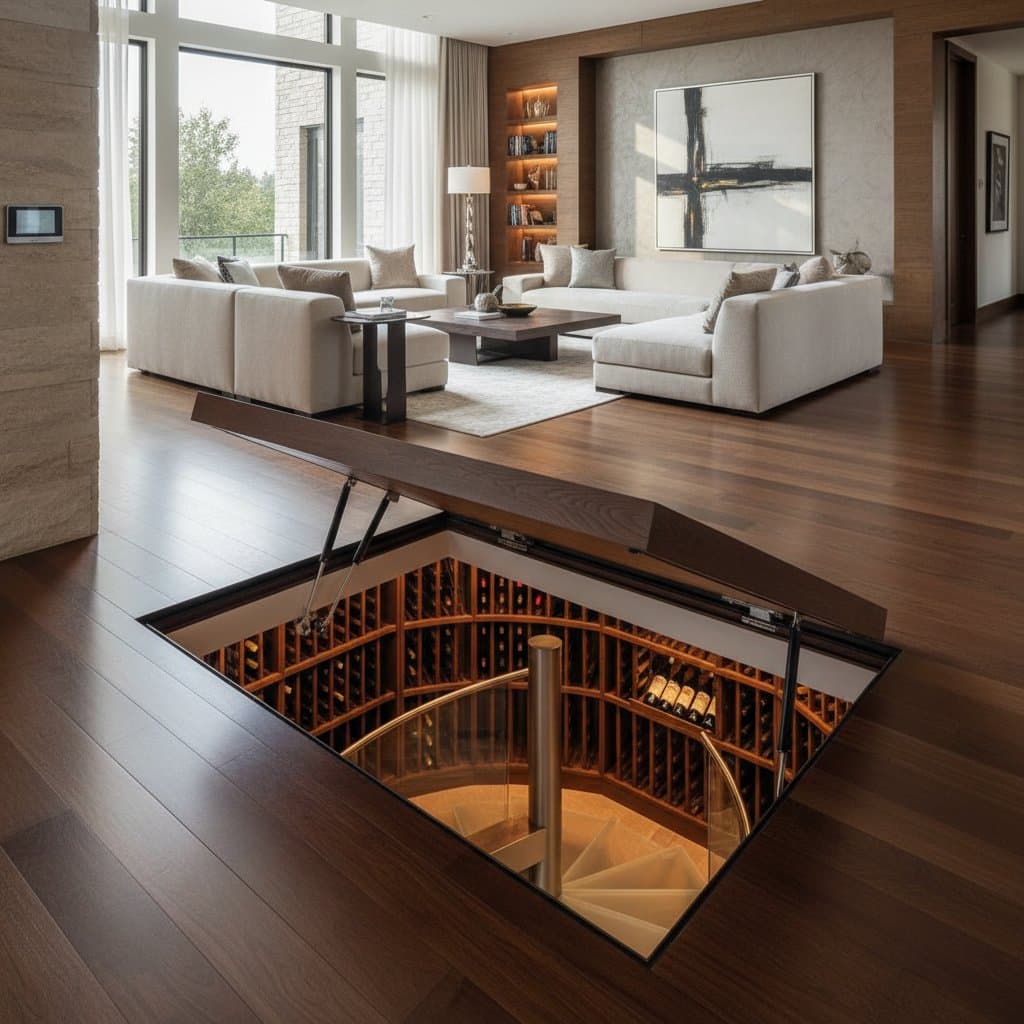
Hidden wine cellars represent a sophisticated upgrade for luxury homes, blending discreet storage with elegant design. These features transform underutilized spaces into valuable assets that appeal to discerning buyers. Projections indicate that by 2026, such installations could increase property values by up to 15 percent in premium markets. Homeowners benefit from both practical wine preservation and enhanced aesthetic appeal.
Design options vary widely, from compact under-stair units to expansive concealed rooms behind bookcases. Costs typically range from $10,000 for basic setups to over $50,000 for custom builds with advanced climate control. Professional guidance ensures these cellars meet building standards while maximizing return on investment.
Local Factors Influencing Design and Installation
Environmental conditions play a crucial role in planning a hidden wine cellar. In humid or coastal regions, install robust vapor barriers to protect against moisture infiltration. These barriers, often made from high-density polyethylene sheets, prevent mold growth and maintain optimal humidity levels between 50 and 70 percent.
Cold climates demand additional measures, such as enhanced insulation using rigid foam boards with R-values of at least 10. Backup heating systems, like low-wattage electric mats, safeguard against freezing temperatures that could damage wine bottles. Urban environments introduce further challenges; local building codes may limit excavation depths or mandate specific ventilation systems to ensure air quality.
Before any work begins, consult municipal regulations for electrical and structural requirements. In major cities, labor expenses often rise by 20 percent or more due to higher contractor rates and permitting fees. Early assessment of these factors avoids costly delays and ensures compliance.
Return on Investment and Resale Benefits
Investing in a hidden wine cellar yields significant financial returns, particularly in luxury real estate segments. Appraisals in high-end markets frequently attribute a 10 to 15 percent value increase to this feature, as it demonstrates thoughtful space utilization and lifestyle enhancement. Prospective buyers perceive it as a mark of quality craftsmanship.
Beyond monetary gains, these cellars accelerate sales in competitive areas. Properties with unique amenities like concealed storage stand out in listings, potentially reducing time on the market by weeks. For instance, a well-integrated cellar can elevate a standard luxury home to the status of a bespoke retreat, attracting affluent clientele who prioritize exclusivity.
To maximize ROI, focus on timeless designs that align with current trends, such as minimalist panels or integrated smart controls. Document the installation process and materials used, as this information bolsters appeal during showings.
Safety Considerations for Secure Installation
Safety forms the foundation of any hidden wine cellar project. Dedicate a separate electrical circuit to the cooling unit, rated for at least 15 amps, to prevent overloads. Shared outlets with high-draw appliances, such as refrigerators, pose risks of power failures that could compromise temperature stability.
Select moisture-resistant lighting fixtures, like LED units with IP65 ratings, to withstand humid conditions. Seal all wiring and outlets with silicone gaskets, which resist condensation buildup and reduce electrical hazards. In basement locations, incorporate a sump pump or floor drain system to handle potential water ingress from groundwater or plumbing issues.
Structural integrity requires professional evaluation before modifications. Engineers should verify load-bearing capacities when cutting into floors or walls, using tools like stud finders and moisture meters. Fire safety protocols, including smoke detectors and non-combustible materials, further protect this investment.
- Conduct a pre-installation site survey to identify hazards.
- Hire certified electricians for all wiring tasks.
- Install carbon monoxide detectors near any fuel-based backup systems.
Steps to Plan and Execute Your Project
Begin the process by defining your objectives, including desired storage capacity and level of concealment. Aim for 100 to 500 bottle capacities for most homes, depending on collection size. Sketch initial layouts to visualize integration with existing architecture.
Solicit bids from contractors experienced in wine storage solutions. Request detailed specifications on humidity controls, such as dual-zone systems maintaining 55 to 65 percent relative humidity, and insulation types like closed-cell spray foam. Compare at least three quotes to balance quality and budget.
During construction, oversee key phases: site preparation, framework erection, and system integration. Test cooling and monitoring equipment post-installation to confirm performance. Regular maintenance, including filter changes every six months, preserves functionality over time.
- Assess space and budget constraints.
- Select materials suited to your climate.
- Coordinate with designers for seamless aesthetics.
Realizing Lasting Value Through Thoughtful Design
A hidden wine cellar elevates a luxury home by combining utility with understated elegance. Proper execution not only preserves prized collections but also enhances overall property allure. Homeowners who invest in these features enjoy both immediate enjoyment and long-term appreciation.
By addressing local nuances, prioritizing safety, and following structured planning, you create a feature that resonates with future buyers. This addition transforms ordinary spaces into extraordinary ones, delivering enduring benefits in the evolving luxury housing landscape.