Dark Moody Walls: A Defining Trend for 2026 Interiors
Typical cost: $2.50 to $6.00 per square foot for paint and supplies; $1,500 to $4,500 for a professional repaint of an average-sized room.
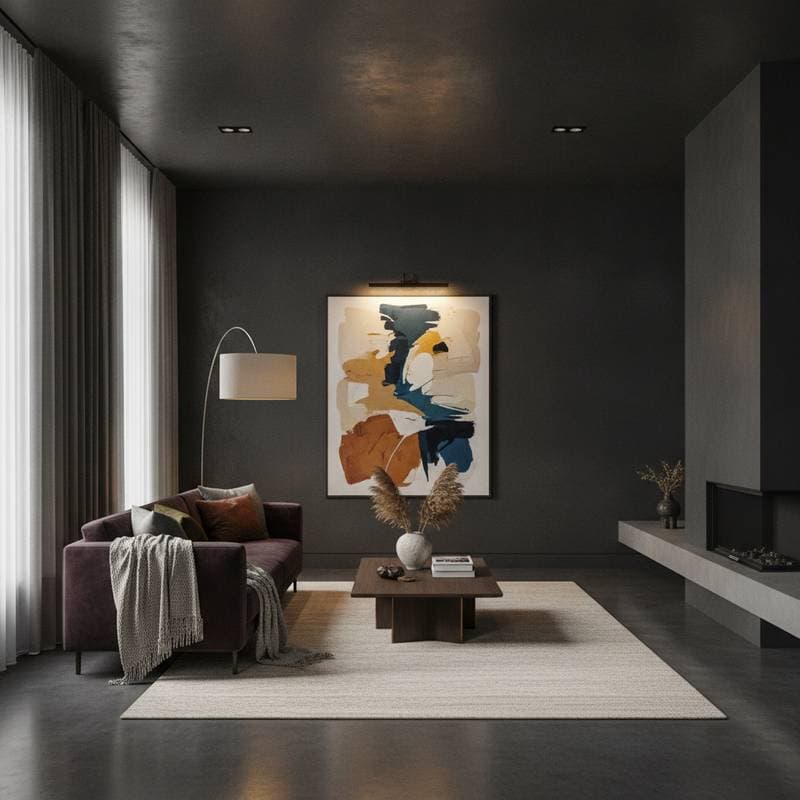
Dark moody walls transition from niche design spaces to mainstream residences. These shades introduce depth, warmth, and refined elegance while avoiding the need for structural changes. Executed properly, they foster a sense of stability and purpose in any environment.
Factors Influencing Costs
Multiple elements determine the overall expense. Understanding these allows homeowners to align financial constraints with aesthetic goals and long-term performance.
1. Paint Quality and Type
- Matte or eggshell finishes for interiors cost $50 to $90 per gallon on average.
- High-end, low-VOC options reach $120 per gallon and provide superior resistance to scuffs and color fading.
- Darker hues require additional layers; allocate 10 to 20 percent more paint compared to lighter shades.
2. Surface Preparation
Dark colors accentuate surface flaws, necessitating thorough groundwork. Budget for fillers, primers, and sanding if walls exhibit irregularities.
- Supplies for patching and sanding: $30 to $70.
- Primer: $25 to $50 per gallon.
- Labor time: 4 to 6 hours for preparation in a medium-sized room.
3. Labor and Project Complexity
Professional painters bill $2 to $4 per square foot, influenced by wall condition and ceiling height. Features like trim, shelving, or built-ins extend the timeline.
4. Lighting Enhancements
Dark walls demand adjusted illumination to maintain visual balance. Factor in $150 to $400 per room for updated fixtures or dimmable LED bulbs.
5. Furniture and Decor Modifications
These walls may contrast with light woods or white pieces, prompting updates. Repainting trim, replacing shelving, or refreshing accents adds $200 to $1,000, scaled to the extent of changes.
DIY Approach Versus Professional Services
Opt for DIY When:
- Walls remain smooth and previously coated.
- Essential tools such as rollers, brushes, drop cloths, and time for meticulous application are available.
- Furniture relocation and cleanup occur without safety concerns.
Potential Drawbacks:
- Inconsistent coverage results from omitting primer.
- Roller marks become evident in dim settings.
- Overlooked edges or drips stand out on matte surfaces.
Required Tools:
- Rollers featuring a 3/8-inch nap suit smooth walls.
- A 2-inch angled brush handles edges precisely.
- Include painter's tape, an extension pole, a step ladder, a dust mask, gloves, and goggles to manage sanding particles.
Engage Professionals When:
- Cracks, stains, or moisture damage appear.
- Ceiling or trim painting forms part of the project.
- Textured or specialty finishes are desired.
Rationale: Experts identify hidden issues, deliver uniform applications, and optimize light reflection. They manage cleanup and waste disposal efficiently.
Scheduling and Cost-Reduction Strategies
Align with Supply and Labor Patterns
Paint prices vary with pigment sourcing and logistics. Purchasing during quieter periods yields 10 to 20 percent savings on materials.
Anticipate Lead Times
- Standard paints stock at local retailers for immediate access.
- Custom finishes require 1 to 2 weeks for shipment.
- Schedule painters 2 to 4 weeks in advance during peak demand.
Practical Savings Tips
- Focus on a single accent wall to conserve funds.
- Retain neutral trim paint from prior projects for harmony.
- Clean and reuse rollers and trays effectively.
- Inquire about discounted mis-tinted paints from suppliers.
Energy Considerations
Dark walls absorb light, potentially requiring brighter bulbs or extra fixtures. However, they retain heat in cooler areas. Integrating efficient LEDs offsets long-term energy use.
Integrating Light and Spatial Design
Dark walls alter room perception by drawing attention, minimizing glare, and enhancing furniture definition.
Achieve Equilibrium Through:
- Layered illumination from ceiling, wall, and task sources.
- Mirrors to amplify natural light.
- Lighter ceiling colors to prevent enclosure.
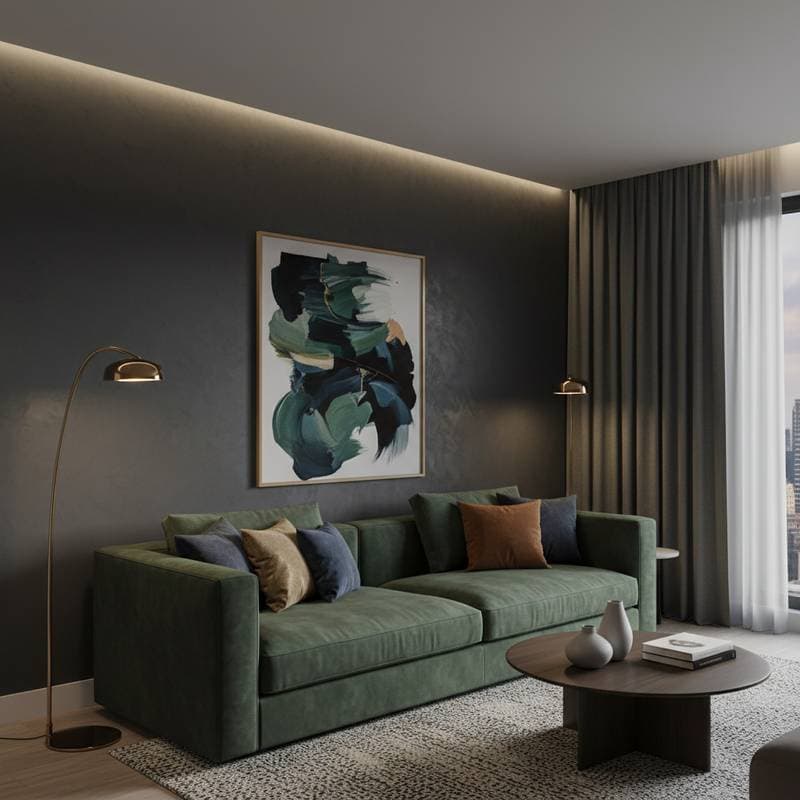
- Warm woods or metallic elements for visual contrast against deep tones.
Sample Room Configurations
- Compact Bedroom: Apply deep navy to the wall behind the headboard; pair with soft gray on adjacent surfaces.
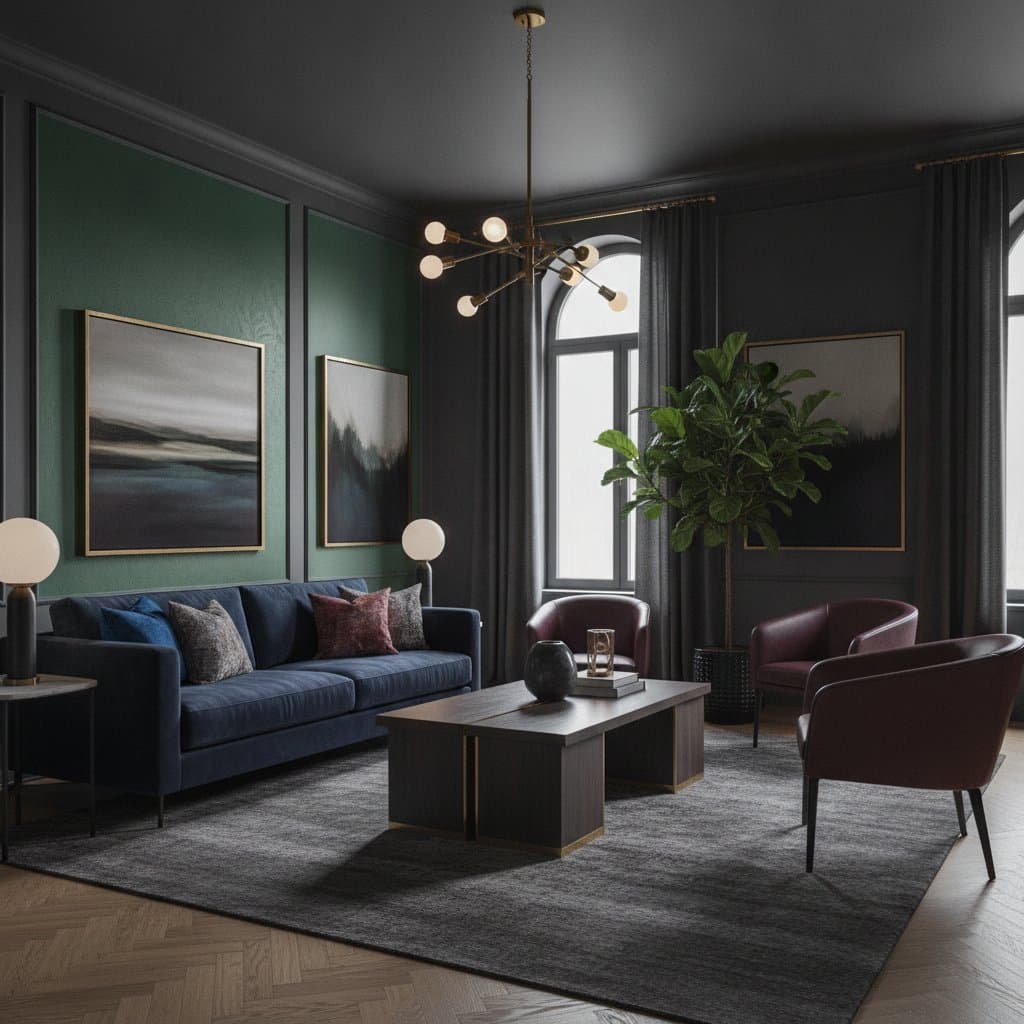
- Living Area: Coat all walls in charcoal, accented by brass or matte black hardware.
- Dining Space: Select deep plum walls with cream curtains and subdued lighting to evoke an intimate bistro ambiance.
Assessing Repairs Versus Full Repaints
For existing dark walls, evaluate whether minor fixes suffice or a complete overhaul is necessary.
Pursue a Full Repaint If:
- Fading, scratches, or uneven patches appear.
- A shade shift aligns with updated furnishings or decor.
Opt for Repairs If:
- Damage limits to minor chips or nail holes.
- The current color and finish remain suitable.
Strategic touch-ups prolong durability by 2 to 3 years prior to comprehensive renewal.
Enhancing Long-Term Property Appeal
Well-implemented dark moody walls elevate a home's market perception. Prospective buyers view them as contemporary and ready for occupancy. These finishes complement eco-friendly elements like reclaimed wood or natural stone seamlessly.
For imminent sales, favor versatile deep neutrals such as graphite or slate over vivid hues; they convey polish without limiting future adaptations.
Steps to Implement Dark Moody Walls
- Establish a budget, distinguishing between complete room coverage and accent walls.
- Sample colors on 2-by-2-foot sections; observe under varied lighting throughout the day.
- Examine walls for cracks; apply filler, sand imperfections, and prime for uniform adhesion.
- Select finishes thoughtfully: matte for subtle texture, satin for resilience, eggshell for versatility.
- Time the project for moderate humidity levels, ensuring ventilation through open windows.
- Gather safety equipment, including gloves, a respirator, and eye protection.
- Determine assistance needs; professionals excel with high ceilings or complex textures.
- Preserve excess paint in sealed containers; perform gentle cleaning annually.
Dark moody walls transcend fleeting styles. They infuse residences with enduring personality and serenity.