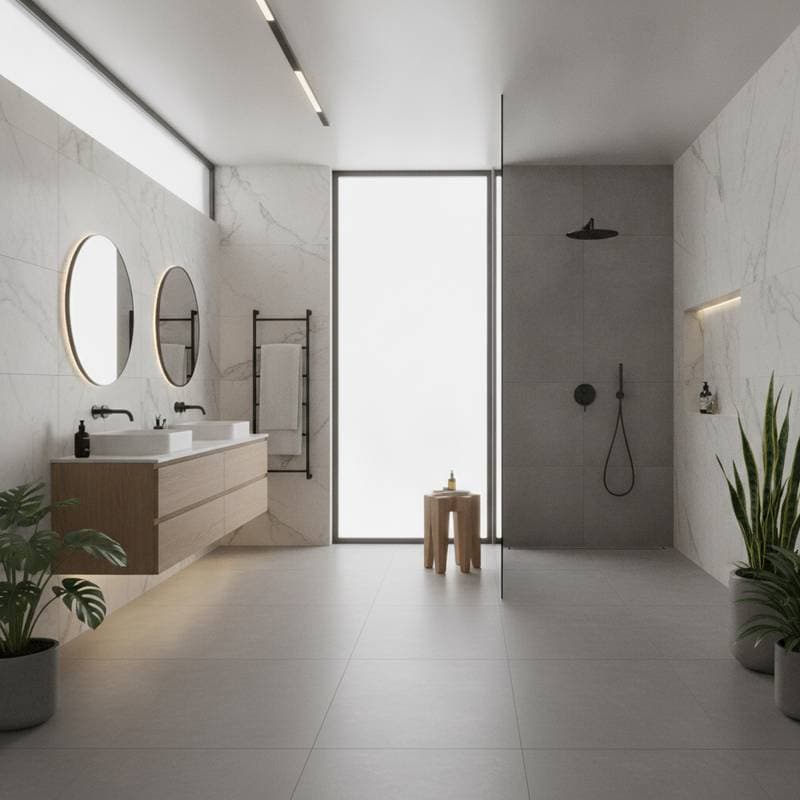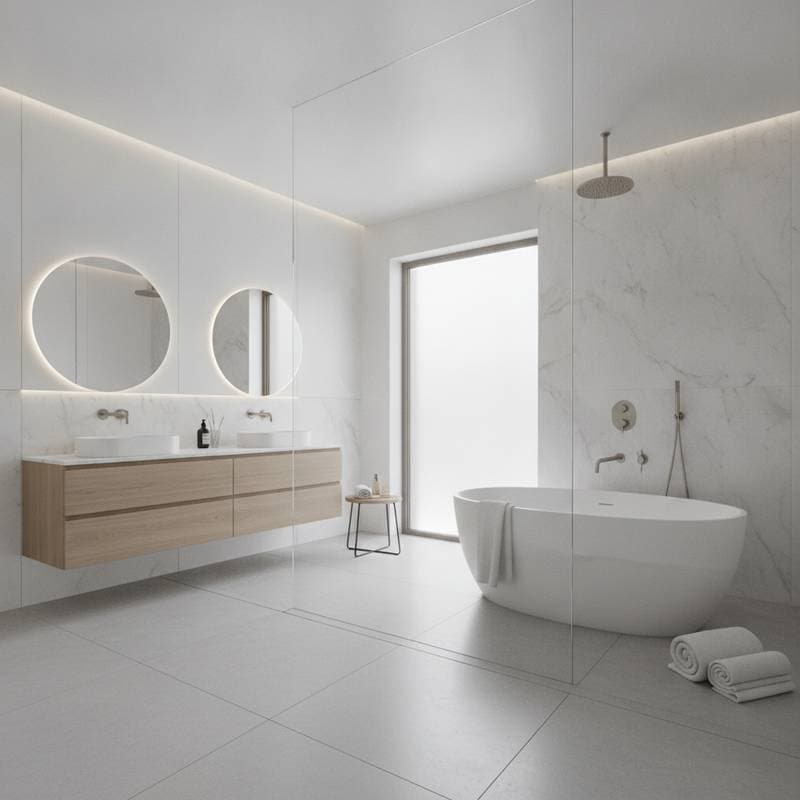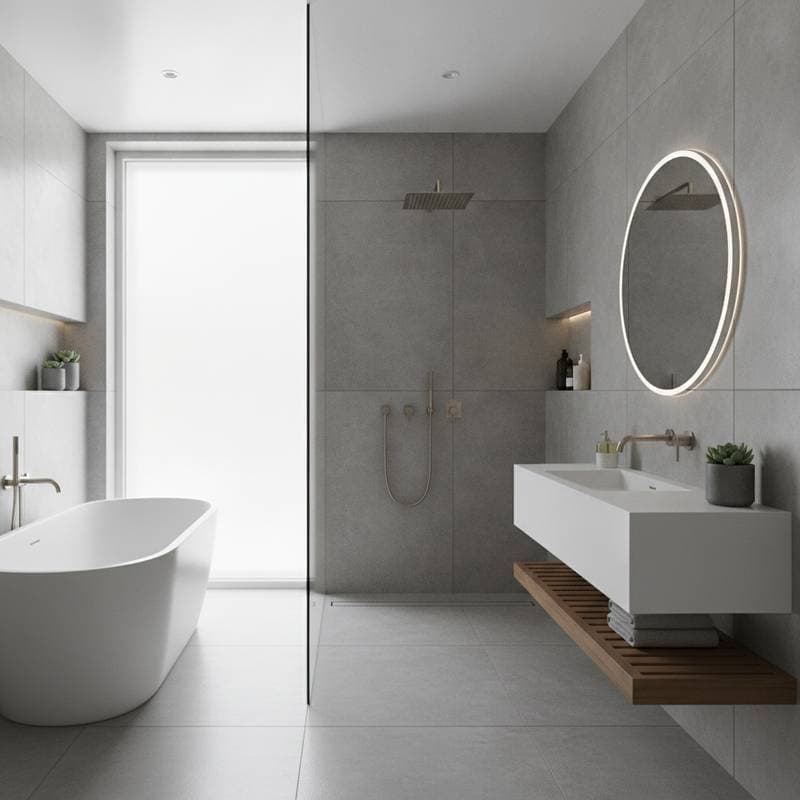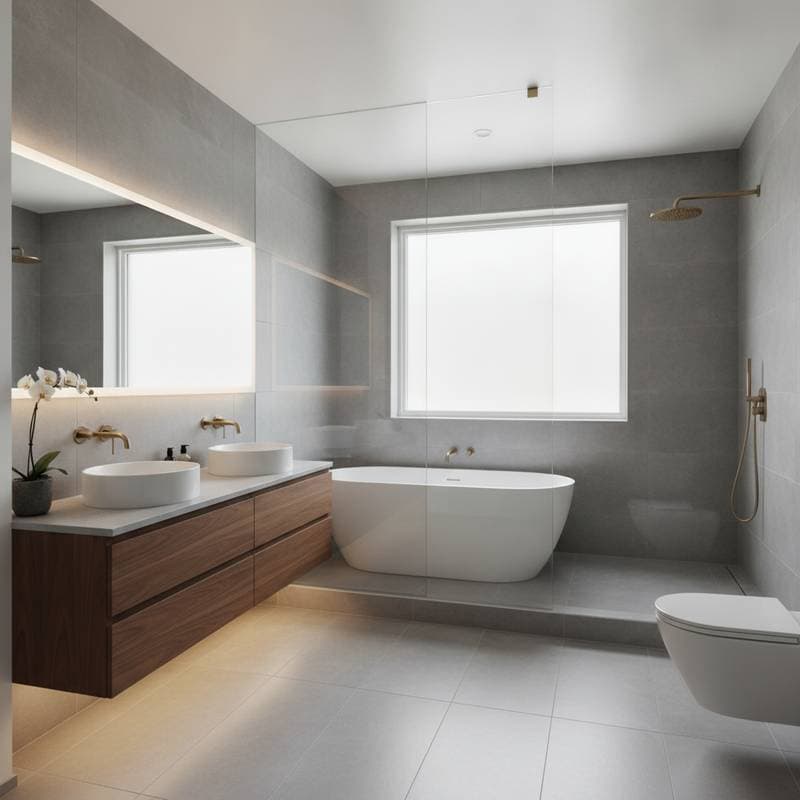
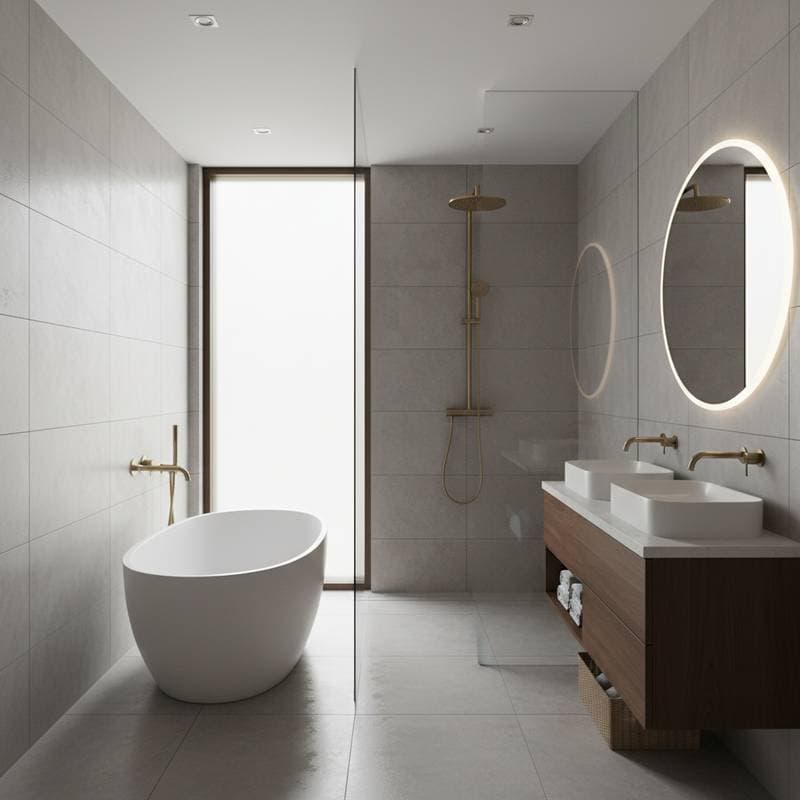
Understanding Wet Rooms and Their Value
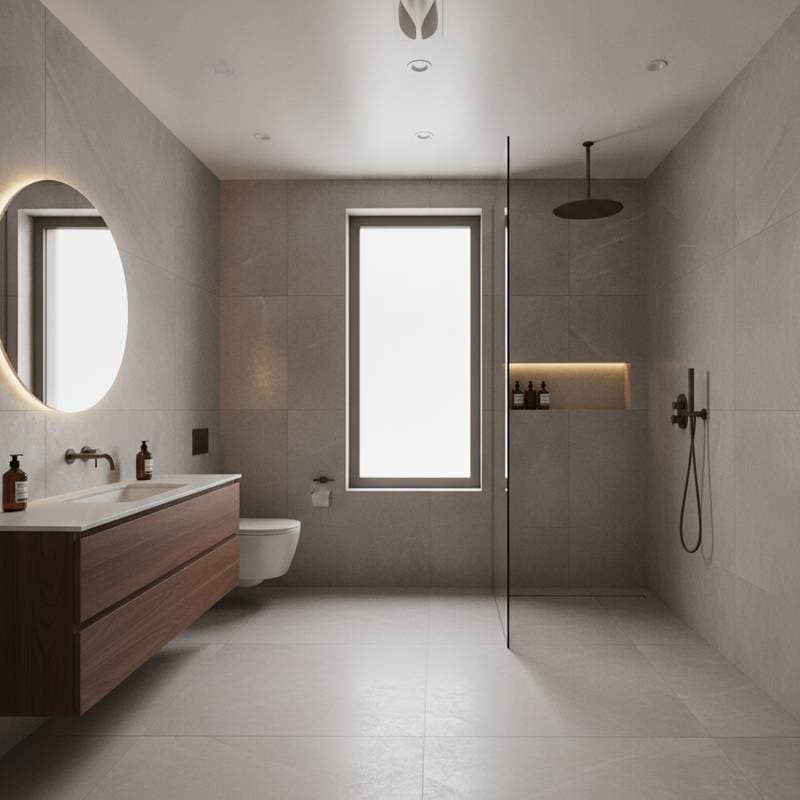
A wet room represents a fully waterproof bathroom design where the entire floor functions as a shower area. This setup eliminates traditional shower enclosures and curbs, creating a seamless, modern space. Homeowners increasingly choose wet rooms for their aesthetic appeal, ease of cleaning, and enhanced accessibility, particularly for aging in place.
Transforming a standard bathroom into a wet room can increase a home's resale value by up to 15 percent. Real estate experts highlight this upgrade as a top trend for 2026, driven by demand for low-maintenance, luxurious features. The investment pays dividends in both daily use and market competitiveness.
Installation Costs Breakdown
Budgeting for a wet room requires careful consideration of materials, labor, and regulatory factors. Total costs typically range from $12,000 to $28,000, depending on the bathroom's size and existing infrastructure. Factors such as plumbing relocation or custom features can influence the final price.
Key expenses include:
- Waterproofing membranes and underlayment: These essential layers cost $1,500 to $4,000, ensuring complete moisture protection.
- Tiling and flooring: Premium porcelain or natural stone tiles add $2,000 to $6,000, with anti-slip surfaces recommended for safety.
- Drainage systems: Linear or point drains range from $300 to $800, vital for proper water flow.
- Glass panels or enclosures: Frameless glass options contribute $800 to $1,500, based on dimensions and thickness.
- Labor: Skilled professionals charge $70 to $110 per hour. Projects involving intricate floor slopes or integrated heating systems extend the timeline to 5 to 10 days.
Permits often add $200 to $600, varying by local building codes. Relocating plumbing lines may incur additional inspection fees of $100 to $300. Always obtain multiple quotes to identify potential savings without compromising quality.
DIY Versus Professional Installation
Certain aspects of a wet room renovation suit capable homeowners, while others demand expert intervention to comply with safety standards. Attempting complex tasks without experience risks structural issues or code violations.
Tasks Suitable for DIY
Homeowners with basic skills can manage preliminary work to reduce costs.
- Demolition and debris removal, using protective barriers to contain dust.
- Surface preparation, including painting walls and installing simple tiles.
- Accessory additions, such as shelves, mirrors, or towel racks.
Essential safety measures include wearing gloves, goggles, and an N95 mask to handle dust and debris. Always shut off the water supply before disconnecting fixtures to prevent flooding.
Tasks Requiring Professional Expertise
Critical elements necessitate licensed contractors to ensure durability and compliance.
- Creating the precise floor slope, typically 1 to 2 percent toward the drain.
- Applying waterproof membranes and sealants to prevent leaks.
- Integrating electrical systems or radiant floor heating for comfort.
- Adjusting plumbing for balanced pressure and efficient drainage.
Engage a professional if the project involves reinforcing floor joists, achieving slopes beyond 2 percent, or addressing signs of water damage like mold. Substandard DIY waterproofing often leads to costly repairs exceeding $5,000 in leak remediation.
Ongoing Maintenance for Longevity
A well-constructed wet room endures over 20 years with routine care, preserving its functionality and appearance. Regular attention prevents common issues like grout degradation or drain clogs.
Follow these maintenance practices:
- Seal grout joints once a year to block moisture penetration and staining.
- Inspect and clean drain covers monthly to ensure unobstructed water flow.
- Examine silicone seals quarterly; replace any that show cracks or separation.
- Clean surfaces with mild, pH-neutral solutions to avoid damaging waterproof layers.
Professional waterproofing installations typically include a 10-year warranty from certified providers. Retain all records, including receipts and certificates, as they substantiate the upgrade's quality during home sales.
Enhancing Market Appeal Through Wet Rooms
Modern buyers seek bathrooms that evoke spa-like serenity and practicality. Wet rooms meet this preference by expanding perceived space, removing obstructive doors, and providing barrier-free access for all ages and abilities.
According to real estate professionals, properties featuring thoughtfully designed wet rooms sell 20 to 30 percent faster and fetch 10 to 15 percent premiums. This boost proves most significant in urban apartments with limited square footage or remodels focused on lifelong livability. The combination of style, simplicity, and durability positions wet rooms as a strategic choice amid evolving housing preferences.
Steps to Plan Your Wet Room Upgrade
Embark on your project with structured preparation to achieve optimal results.
- Evaluate the existing space by measuring dimensions and inspecting the subfloor for levelness and damage.
- Establish a comprehensive budget, allocating 15 percent extra for unforeseen issues like pipe corrosion.
- Interview certified installers, requesting client references and verification of specialized training in waterproof systems.
- Source materials in advance, including tiles, drains, and glass panels, to avoid project delays.
- Maintain detailed records of the process, from permits to warranties, to support future resale claims.
Realizing Lasting Benefits
Investing in a wet room yields immediate enjoyment through its elegant, effortless design. Beyond aesthetics, it delivers practical advantages like simplified cleaning and inclusive access. With expert execution, this renovation elevates your home's worth and aligns with forward-thinking real estate trends, ensuring enduring satisfaction and financial return.