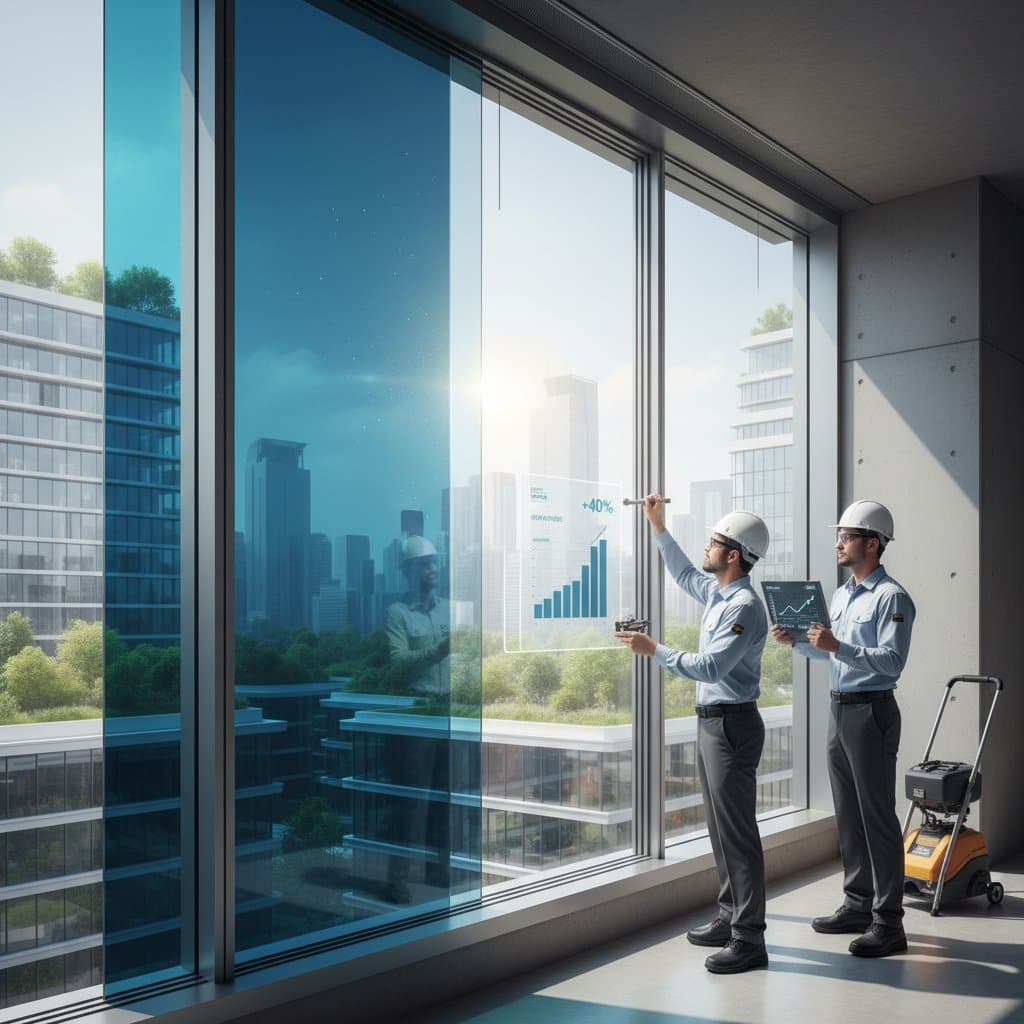
Understanding Smart Windows and Their Energy-Saving Potential
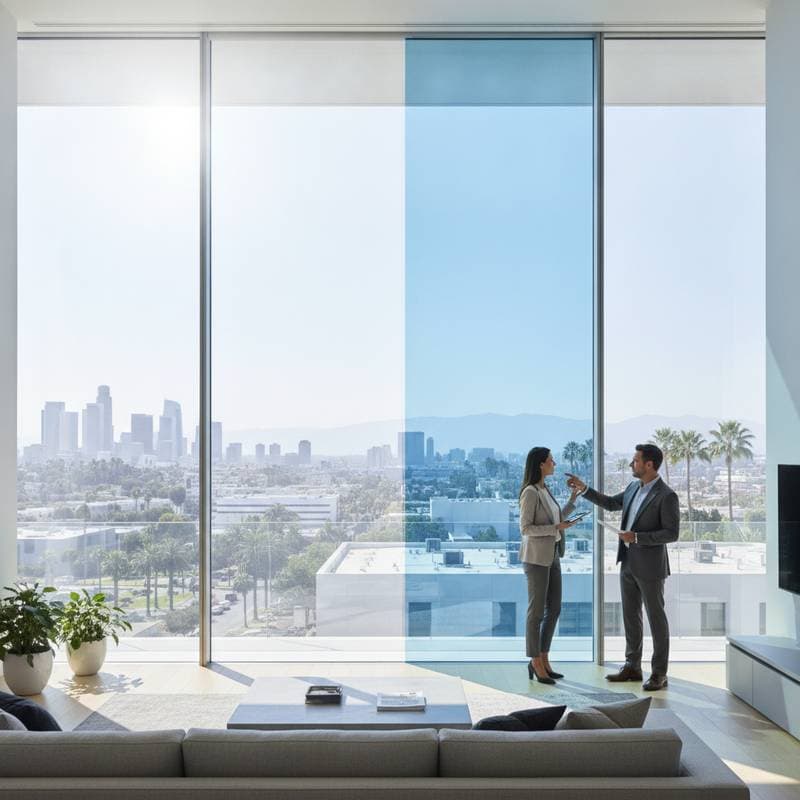
Smart windows, often referred to as electrochromic glass, represent an innovative approach to building design. These advanced glazing solutions automatically adjust their tint levels to regulate the entry of light and heat, thereby optimizing indoor environments. Homeowners benefit from reduced energy consumption, enhanced comfort, and improved privacy, making these windows ideal for those focused on efficiency, glare control, and contemporary aesthetics.
Installation of smart windows occurs primarily during new construction projects or extensive renovations, though retrofit applications gain traction. Professionals and property owners select them to minimize utility expenses, comply with sustainability regulations, and elevate property marketability.
Key Advantages and Drawbacks
Smart windows offer compelling benefits that address common household challenges. Consider the following advantages:
- They reduce heating and cooling costs by as much as 40 percent through precise solar heat management.
- Glare diminishes significantly, protecting interior furnishings from ultraviolet damage.
- Privacy enhances without the need for traditional coverings like curtains or blinds.
- Modern homes gain increased appeal in the real estate market.
- Eligibility exists for various rebates tied to energy conservation programs.
However, potential drawbacks warrant careful evaluation before commitment. These include:
- Initial expenses exceed those of conventional glazing options.
- Opportunities for self-installation remain limited.
- Integration may require electrical infrastructure or specialized wiring.
- Repairs for damaged panels involve substantial costs.
- Effectiveness depends on the reliability of the producing company.
Installation Considerations: Professional Versus Self-Directed Approaches
The process of installing smart windows demands technical expertise and proves unsuitable for novices. Essential steps encompass electrical connections, proper sealing against environmental elements, and precise system calibration to ensure functionality.
Assessing Feasibility
- Complexity Level: Extensive for whole-home implementations; somewhat manageable for isolated window upgrades.
- Duration: Approximately two to four hours dedicated to each window.
- Required Equipment: A multimeter for electrical testing, sealant applicator, comprehensive screwdriver assortment, and tools for configuring control interfaces.
- Potential Hazards: Risks involve electrical malfunctions, moisture infiltration, or inadequate seals, any of which could invalidate manufacturer guarantees.
Engage a certified professional in scenarios such as:
- Replacement of multiple windows.
- Connection to broader home automation networks.
- Situations necessitating electrical approvals or adherence to building standards.
Self-directed efforts suit only minor applications, such as plug-in privacy panels or kits designed for pre-existing wiring setups. Always consult product specifications to verify compatibility.
Longevity and Upkeep Practices
Under typical conditions, smart windows endure for 20 to 30 years, with electrochromic layers degrading at a gradual rate comparable to traditional insulated units. This durability supports long-term investment returns through sustained performance.
Essential Maintenance Routines
- Perform cleaning biannually using a gentle soap solution and a non-abrasive cloth to preserve surface integrity.
- Conduct yearly examinations of seals and electrical components for signs of wear.
- Swap out batteries in wireless controllers as needed to maintain responsiveness.
- Steer clear of harsh chemical cleaners that might impair the tinting mechanism.
Manufacturers typically provide warranties spanning five to ten years for electronic elements and up to 20 years for glazing seals. For hardwired systems, verify compliance with regional electrical standards through inspections. Budget for occasional professional servicing to extend operational life and avoid unexpected disruptions.
Regional Influences on Performance and Expenses
Geographic and environmental variables play a pivotal role in determining the efficacy and pricing of smart windows. Tailor selections to local conditions for optimal results.
Climate-Specific Adaptations
In colder climates, these windows excel at heat retention during winter months, thereby lessening reliance on heating systems. Opt for triple-pane insulated variants to amplify thermal efficiency.
For warmer or sun-intensive areas, the technology excels in curtailing solar heat influx, which eases the burden on cooling units. Adjustable tint settings allow for customized comfort levels throughout the day.
Coastal environments pose challenges from saline exposure, which accelerates corrosion in electrical fittings. Select components rated for marine durability, including robust, sealed framing materials.
Urban settings often impose stringent requirements for energy-compliant materials in renovation approvals. Contact the local building authority early to confirm specifications and avoid delays.
Labor expenses fluctuate regionally, ranging from 45 to 85 dollars per hour. Metropolitan areas tend toward the higher end due to regulatory hurdles and logistical complexities.
Ensuring Safe Implementation
Safety remains paramount when incorporating smart windows into residential spaces. Adhere to established protocols to mitigate risks associated with electrical and structural elements.
Electrical Precautions
Disconnect power sources prior to handling control modules. Employ components certified by Underwriters Laboratories and align installations with the National Electrical Code.
Handling and Structural Integrity
Use protective gloves and eyewear during glass manipulation, as these panels weigh more than standard alternatives. Confirm that existing frames accommodate the added load; reinforce structures if assessments indicate necessity.
Regulatory and Environmental Measures
Obtain required electrical permits in applicable jurisdictions for powered installations. Seal all connections meticulously to guard against moisture-induced failures.
Avoid placement in zones subject to direct water exposure unless products carry explicit wet-location ratings. Professional oversight ensures compliance and longevity.
Frequently Asked Questions
How exactly do smart windows contribute to lower energy bills?
They dynamically alter tint to exclude excess heat during warmer seasons while permitting clarity in cooler periods. This modulation cuts demands on air conditioning and heating systems, potentially reducing consumption by up to 40 percent.
Is operation possible without an external power source?
Electrochromic varieties require minimal voltage for tint transitions but retain their configuration during power outages. Alternatives like thermochromic or photochromic options function independently of electricity, responding to temperature or light changes.
Do these windows integrate with intelligent home ecosystems?
Integration proves seamless with platforms such as Amazon Alexa or Google Home, enabling control via voice commands or mobile applications. Standalone options include remote devices or manual switches for simpler setups.
Are they suitable around children and animals?
The surfaces stay at safe temperatures and produce no harmful emissions. Position control interfaces beyond easy access to prevent unintended adjustments.
What ongoing expenses arise from maintenance?
Costs stay low, centered on periodic cleaning and basic electrical verifications. Anticipate replacements for controllers or power cells every few years, depending on usage patterns.
Practical Steps for Integration
Evaluate your home's sunlight exposure patterns to prioritize installation areas, such as south-facing rooms. Compare pricing against conventional energy-efficient alternatives to quantify potential savings over time.
Solicit estimates from qualified specialists experienced in electrochromic installations. Request examples of prior residential projects and scrutinize warranty terms covering both glazing and technological features.
As adoption accelerates, smart windows transition from premium choices to accessible enhancements. They deliver tangible reductions in energy use alongside elevated living standards, positioning your residence for enduring efficiency and appeal.