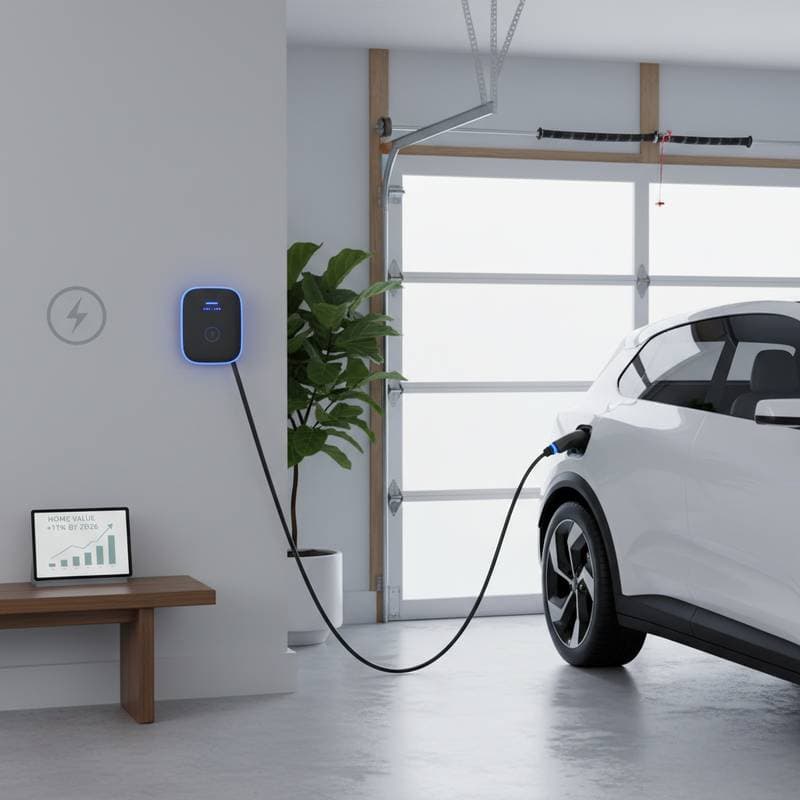
EV Chargers Position Homes for an 11 Percent Value Increase by 2026
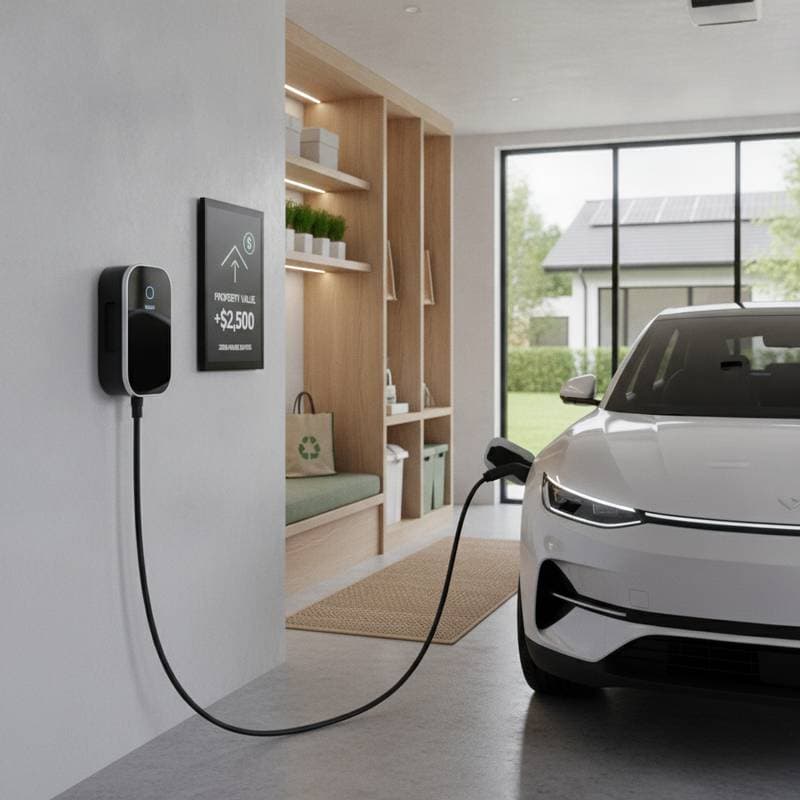
Homeowners who install electric vehicle (EV) chargers stand to gain approximately 11 percent in resale value by 2026. The average installation expense ranges from $900 to $2,500, influenced by specific setup requirements.
EV charger installations rank among the most strategic home improvements for enhancing both property worth and everyday usability. Prospective buyers increasingly view reliable home charging as an essential amenity rather than an optional feature. An appropriate installation not only elevates resale prospects but also draws in technology-savvy and environmentally aware purchasers willing to invest in properties equipped for immediate charging needs.
This trend reflects broader shifts in consumer preferences. As EV adoption accelerates, homes without charging infrastructure may lag in competitiveness. Early adopters of this upgrade secure a distinct advantage in a market where sustainability drives purchasing decisions.
Key Cost Considerations
Understanding the elements that determine installation expenses helps homeowners budget effectively. Costs vary based on equipment choices, home infrastructure, and local regulations. Below, we break down the primary factors.
Charger Levels and Options
- Level 1 Chargers: These connect to a standard 120-volt outlet and provide slow charging speeds, typically adding 2 to 5 miles of range per hour. Vehicles often include them at no extra cost, but they contribute minimally to property value due to limited performance.
- Level 2 Chargers: These demand a 240-volt dedicated circuit and deliver faster charging, adding 20 to 60 miles of range per hour. The charger unit itself costs $600 to $1,200, while labor for installation adds $300 to $1,000. This level offers superior appeal to buyers seeking efficient daily charging.
- Smart Charger Features: Models with Wi-Fi connectivity enable remote monitoring, load balancing to prevent circuit overloads, and energy usage analytics. These enhancements increase the total cost by $200 to $500 but justify the expense through added convenience and integration with home automation systems.
Level 2 smart chargers represent the optimal balance for most households, combining speed with intelligent functionality that future-proofs the installation.
Electrical Panel Requirements
Many homes require assessment of the main electrical panel before proceeding. If the panel lacks sufficient capacity, an upgrade becomes necessary, costing $800 to $1,800. This step often emerges as the largest unforeseen expense.
Properties with available breaker slots avoid this additional outlay. Professional evaluation ensures compliance with safety standards and prevents future disruptions. Homeowners should prioritize this check to avoid project delays.
Wiring and Location Challenges
The distance from the electrical panel to the installation site directly impacts expenses. Shorter runs minimize material needs, but every 10 feet beyond the initial setup can add $50 to $100 for conduit, wiring, and labor.
Configurations such as detached garages or extended driveways complicate the process and elevate costs. Planning the optimal placement early streamlines the project and controls budgeting.
Permitting and Regulatory Compliance
Most jurisdictions mandate permits for EV charger installations to verify adherence to electrical codes. Fees typically range from $100 to $300, varying by municipality.
Securing approvals prior to commencement avoids penalties or rework. Electricians familiar with local requirements can manage this efficiently, integrating it into the overall timeline.
Finishing and Mounting Details
Standard wall-mount brackets come included with most units, simplifying indoor setups. For pedestal or exterior placements, weather-resistant enclosures add $150 to $400 to ensure durability against environmental exposure.
Professional finishing guarantees a clean, integrated appearance that enhances curb appeal. These details contribute to the long-term reliability of the installation.
Installation Approaches: DIY or Professional
Deciding between self-installation and hiring experts depends on technical comfort and project complexity. Each option carries distinct advantages and risks.
Scenarios Suitable for DIY
DIY proves feasible when a 240-volt outlet already exists nearby. Individuals experienced in electrical work, equipped with tools like a multimeter, torque screwdriver, and circuit tester, may proceed if they adhere strictly to local codes.
However, risks include improper wiring that could lead to fires or malfunctions. Unpermitted DIY efforts might invalidate warranties or fail inspections, complicating resale.
Benefits of Professional Installation
Opt for licensed professionals when panel upgrades, outdoor routing, or wall penetrations are involved. They conduct thorough load calculations, ensure proper grounding, and navigate permitting processes seamlessly.
Rates for electricians range from $75 to $150 per hour, with most standard jobs completing in under a day. This investment safeguards against hazards and upholds installation quality.
Professionals also provide documentation essential for warranties and future home sales. Their expertise minimizes downtime and maximizes safety.
Ongoing Maintenance and Protection
Quality EV chargers endure 10 to 15 years with routine care, requiring little intervention beyond basic inspections.
Essential Maintenance Practices
- Clean the cable and plug monthly to remove dust and moisture buildup.
- Inspect connections quarterly for signs of corrosion or loosening.
- Test the ground fault circuit interrupter monthly to confirm functionality.
- Secure cords away from walkways to eliminate tripping risks.
These habits extend equipment life and prevent operational issues. Integrating checks into regular home maintenance routines ensures consistency.
Warranty Essentials
Manufacturers typically offer 3 to 5 years of coverage for core components. Smart chargers connected to apps may qualify for extended terms through verified usage data.
Retain all installation receipts, permits, and proof of professional work, as claims often hinge on these records. This paperwork also bolsters property value during appraisals.
Enhancing Marketability and Buyer Interest
Real estate professionals report that EV-equipped homes attract offers more quickly. Purchasers of electric vehicles prioritize properties that eliminate charging uncertainties, streamlining their transition to homeownership.
A Level 2 smart charger conveys a commitment to efficiency and modernity, resonating with demographics in high-EV regions. Neighborhoods with rising electric vehicle penetration experience the most pronounced value gains, often exceeding the 11 percent projection.
Shared charging in condominiums and townhomes similarly boosts rental appeal, drawing eco-focused tenants. The return on a $1,500 investment could yield thousands in added sale proceeds, far outpacing traditional upgrades.
Market data underscores this shift: Properties with chargers list at premiums and close 20 to 30 percent faster in competitive areas. As federal and state incentives expand, the financial case strengthens further.
Steps to Implement Your EV Charger Upgrade
- Assess Electrical Infrastructure: Examine the panel for available capacity and consult a professional if upgrades appear necessary.
- Obtain Multiple Quotes: Solicit bids from at least two licensed electricians, specifying inclusion of permits and warranty details.
- Verify Incentive Programs: Research utility rebates and local grants, noting that eligibility criteria evolve annually.
- Schedule Strategically: Select off-peak seasons for installation to secure better availability and potentially lower rates.
- Document Thoroughly: Archive all permits, invoices, and compliance certificates for future reference and resale support.
Realizing Long-Term Advantages
An EV charger installation delivers multifaceted returns, from daily charging ease to substantial energy cost reductions. Homeowners who act now align their properties with emerging standards, commanding higher values in a sustainable housing landscape. This forward-thinking enhancement not only meets current demands but anticipates the widespread electrification ahead, ensuring enduring appeal.