Introduction to EV Chargers and Home Value
Electric vehicle adoption continues to accelerate, transforming expectations for residential properties. Homeowners who install EV chargers discover a direct link to increased resale value, with projections indicating a 14 percent uplift by 2026. This enhancement stems from the growing demand for sustainable living options and the convenience these chargers provide to prospective buyers.
The initial investment in a charger, often between $1,200 and $2,800 depending on location and setup complexity, yields returns through faster sales and premium pricing. Buyers prioritize homes equipped for electric vehicles, viewing such features as indicators of forward-thinking design. This trend aligns with broader shifts toward energy-efficient homes, where EV readiness complements installations like solar panels or advanced insulation.
Key Considerations for Safe Installation
Proper installation ensures safety, compliance, and optimal performance. Essential elements include GFCI protection for outlets in garages or outdoor spaces, appropriate wire gauge to handle electrical loads, and adherence to height and clearance standards around the charger unit.
Hire licensed electricians for any work involving service panels or extensive wiring. Failure to do so risks inspection rejections or voided insurance coverage. These professionals assess your home's electrical system to prevent overloads and ensure long-term reliability.
Before proceeding, evaluate your current setup. Outdated wiring or insufficient panel capacity may require upgrades, but addressing these issues proactively avoids costly surprises during resale. For homes with adequate infrastructure, the process remains straightforward and efficient.
How EV Chargers Enhance Property Appeal
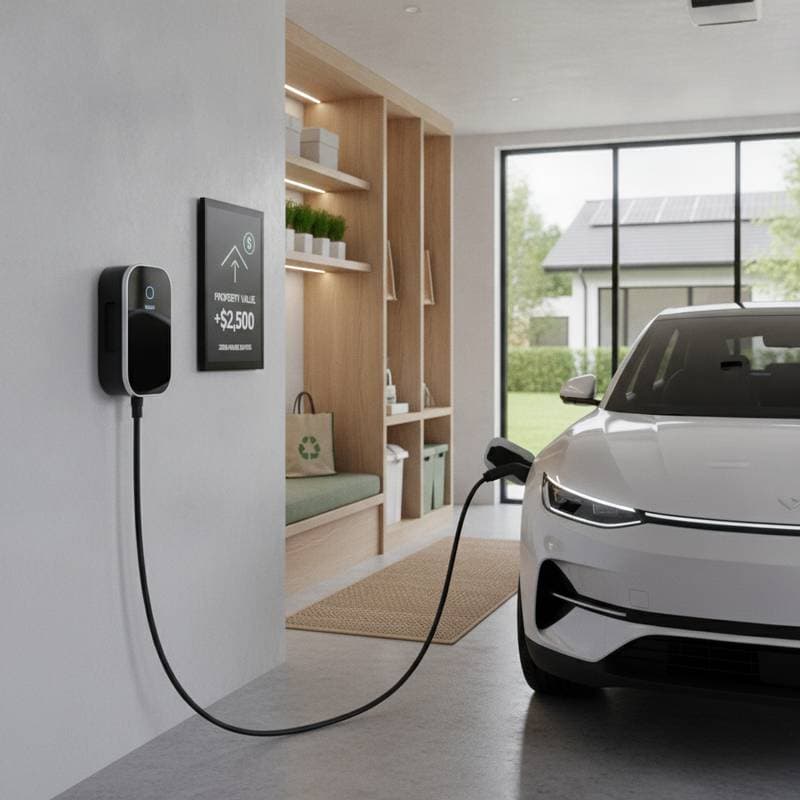
Prospective buyers increasingly regard EV readiness as a baseline expectation rather than an optional upgrade. Properties featuring a dedicated Level 2 charger often secure offers more quickly and at higher prices compared to similar homes without this amenity.
Several factors contribute to this value increase:
- Convenience for Owners: New residents bypass the hassle and expense of post-purchase installation, allowing immediate use of their electric vehicles.
- Adaptation to Market Trends: With EV sales rising steadily, homes prepared for this technology appeal to a demographic committed to sustainable transportation.
- Alignment with Efficiency Goals: Intelligent chargers integrate with home energy systems, supporting reduced utility bills and environmental objectives.
Real estate agents observe that listings with operational chargers generate multiple bids within the first week. This enthusiasm mirrors responses to other eco-friendly upgrades, such as energy-efficient windows or smart thermostats. The visual and functional presence of a charger in listing photos further amplifies buyer interest.
Common pitfalls, like inadequate electrical service, can undermine these benefits. Homes with undersized panels face limitations on charger types, potentially deterring tech-savvy buyers. Early intervention, such as installing a 240-volt circuit ahead of charger purchase, demonstrates preparedness and integrates seamlessly with routine electrical maintenance.
Strategies for Timing Your Installation
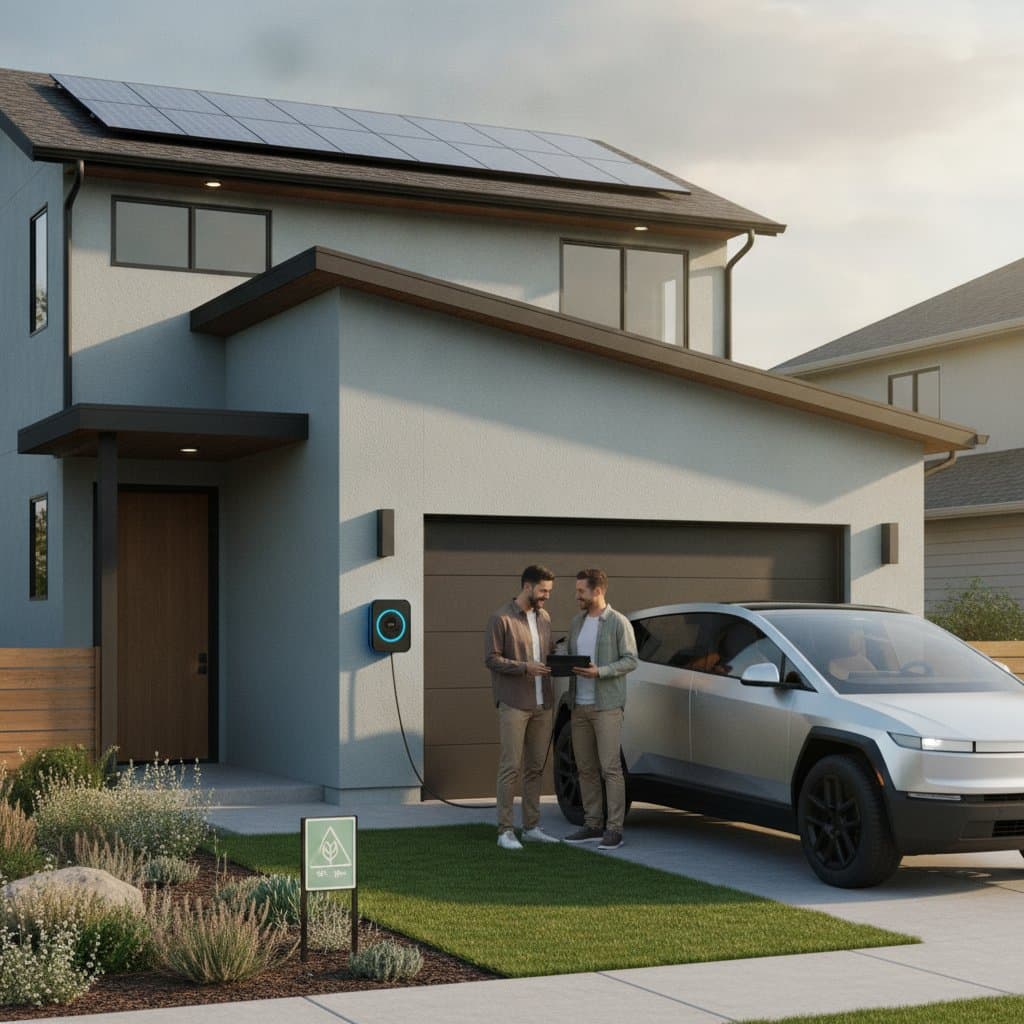
Timing influences both cost savings and market positioning. For sellers planning to list soon, complete the installation well in advance to showcase the feature in photographs and virtual tours. Visible evidence of EV compatibility reassures buyers and sets your property apart in competitive markets.
Consider delaying under specific circumstances:
- When a comprehensive remodel includes panel enhancements, merging projects minimizes labor expenses.
- If local charger prices decline or promotional deals emerge, waiting captures additional value.
Act promptly in these scenarios:
- During utility-sponsored rebate periods or subsidized installation initiatives, which offset upfront costs.
- If your existing panel accommodates the additional load, sidestepping potential future regulatory adjustments preserves budget.
Market dynamics play a crucial role. New constructions routinely incorporate EV chargers as standard, pressuring older homes to modernize. Properties without this feature may linger on the market longer as buyer preferences evolve toward electrified lifestyles. Staying ahead maintains competitiveness and supports premium pricing.
Navigating Regional Variations and Costs
Regional factors shape installation feasibility and expenses. Urban centers with high EV penetration, such as coastal metros, witness elevated demand, positioning Level 2 chargers as non-negotiable for many buyers.
Cost breakdowns vary by location:
- In high-cost coastal areas, labor and materials push totals to $2,000 through $3,000.
- Suburban or rural settings benefit from reduced rates, averaging $1,200 to $2,000.
Utility infrastructure influences planning. Regions with aging grids often necessitate panel reinforcements prior to charger setup. Contact your local provider early to confirm capacity and explore incentives tailored to your area.
These differences highlight the importance of localized research. In EV-friendly zones, the value premium exceeds national averages, accelerating ROI. Homeowners in emerging markets find even greater opportunities as infrastructure investments expand access.
Practical Steps to Implement Your Upgrade
Embark on this project with a structured approach to ensure smooth execution.
- Assess Panel Capacity: Locate the main breaker and verify availability of at least 40 amps for the new circuit. This step identifies any immediate needs for expansion.
- Obtain Multiple Quotes: Solicit estimates from general electricians and EV specialists to compare pricing and expertise levels.
- Pursue Rebate Opportunities: File pre-approval applications with utilities or government programs before commencing work to secure financial support.
- Arrange Installation Timeline: Align scheduling with required inspections and confirm charger availability to avoid delays.
- Maintain Comprehensive Records: Store all permits, inspection reports, and warranties in an organized digital or physical file for future reference.
Following these steps transforms a technical upgrade into a seamless enhancement. Documented compliance not only satisfies regulatory demands but also bolsters buyer confidence during showings.
Realizing Long-Term Benefits
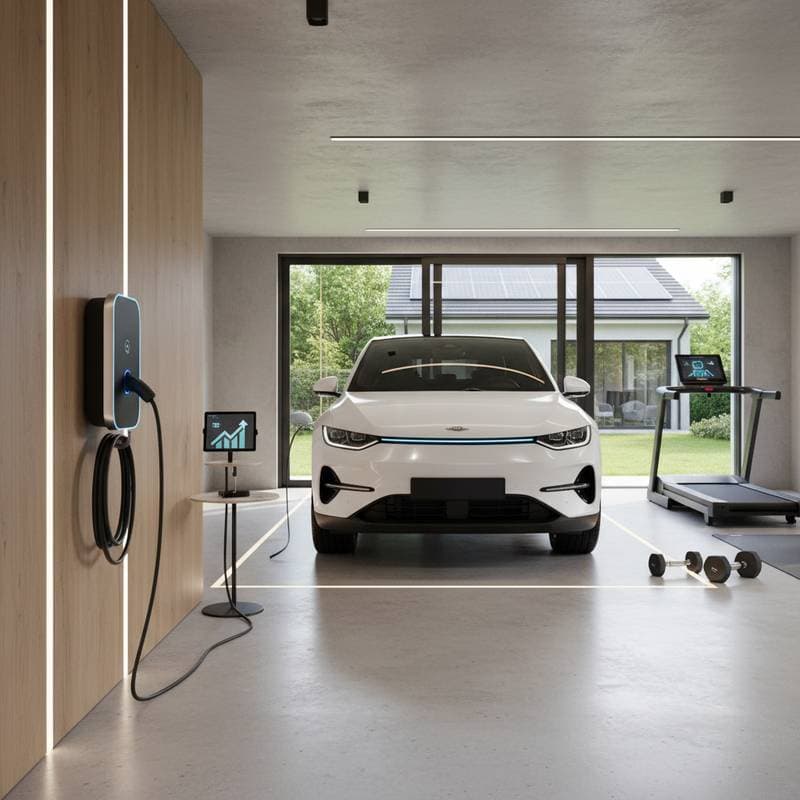
Beyond immediate resale gains, EV chargers deliver enduring advantages. Reduced reliance on public stations cuts commuting time and fuel equivalents, while smart models optimize charging during off-peak hours for lower bills. Integration with home automation systems further elevates efficiency, appealing to buyers seeking interconnected living spaces.
As electric vehicle infrastructure matures, early adopters position their properties for sustained appreciation. This investment reflects a commitment to innovation, yielding dividends in marketability, cost efficiency, and environmental impact. Homeowners who prioritize such upgrades find themselves ahead of the curve in an increasingly electrified real estate landscape.