Introduction to Smart Glass Windows
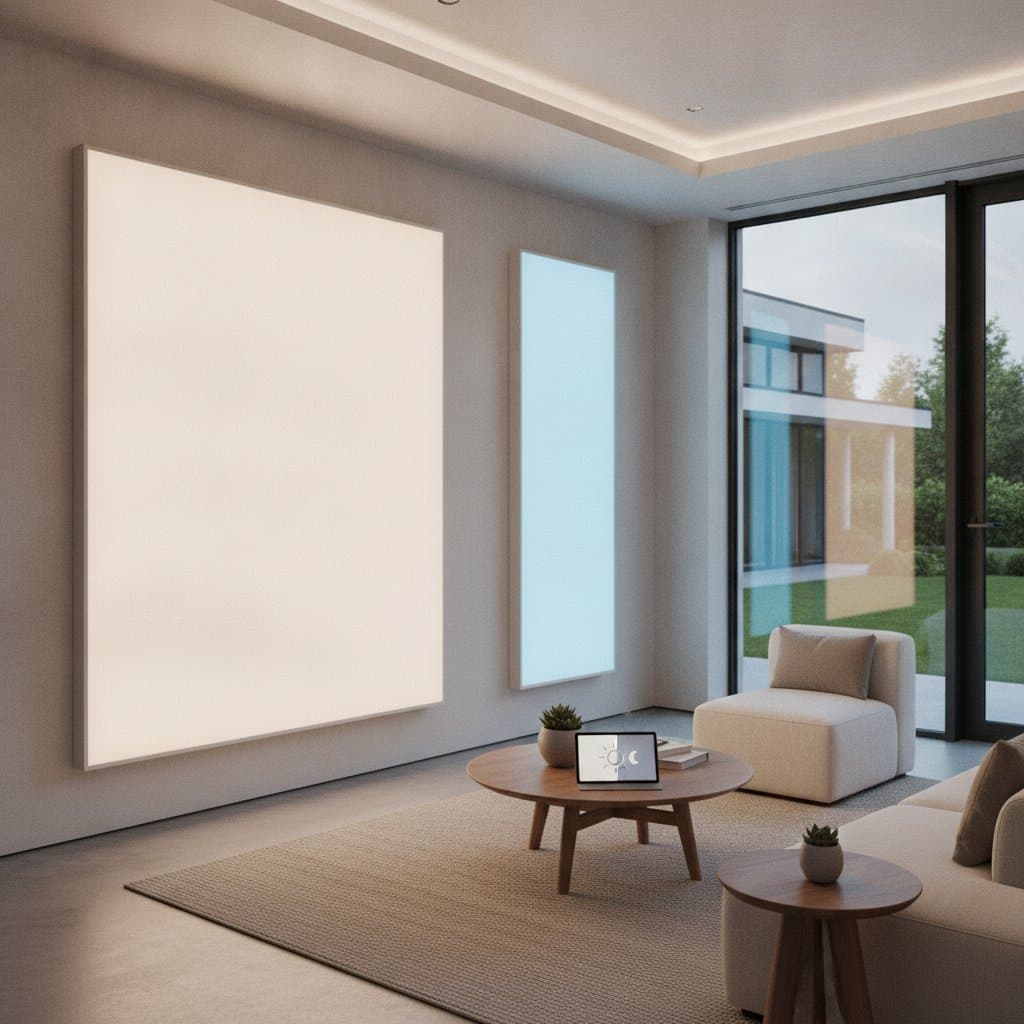
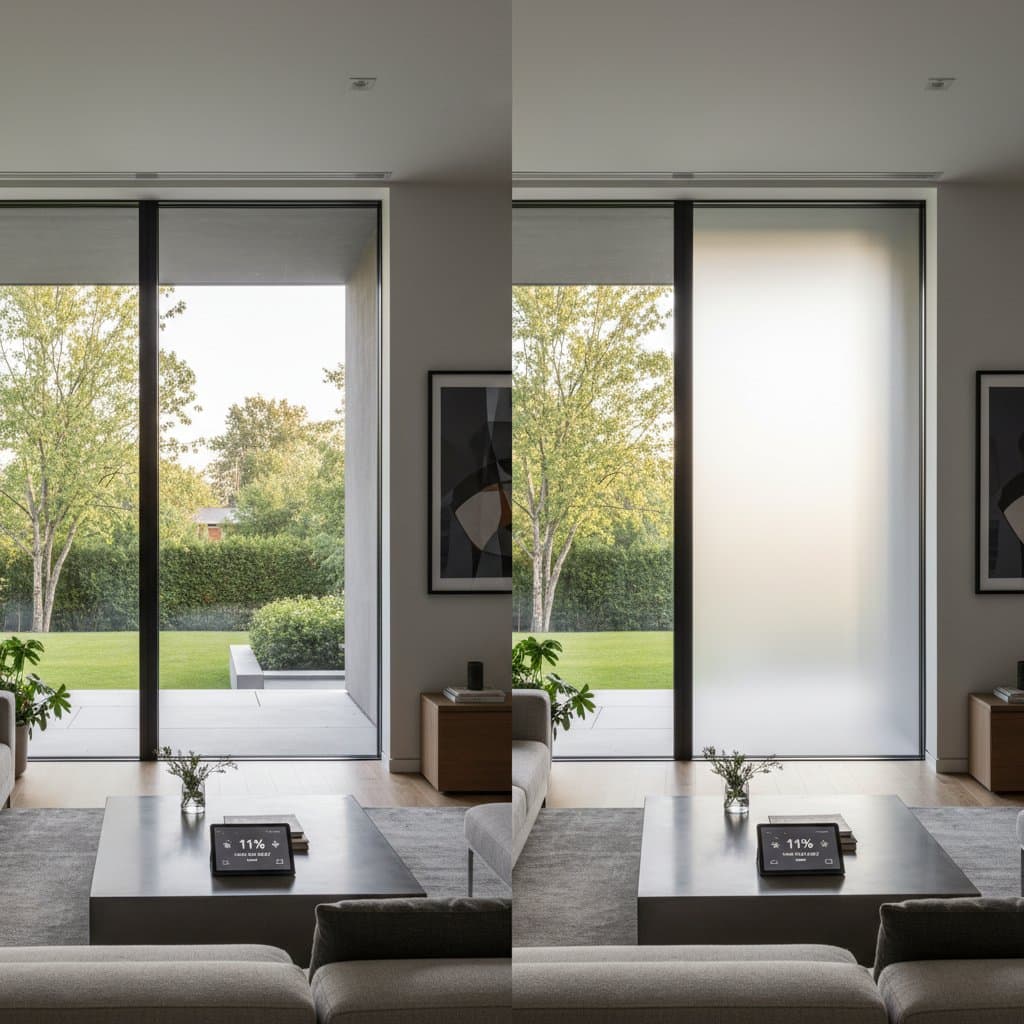
Smart glass windows represent an innovative upgrade for modern homes. These windows use advanced technology to switch between transparent and opaque states, often controlled by electricity, light, or heat. Homeowners gain enhanced privacy without sacrificing natural light, along with improved energy efficiency through better insulation and glare reduction.
The appeal extends beyond daily use. Real estate trends indicate that such features attract buyers who prioritize smart technology and sustainability. As a result, properties equipped with smart glass often command higher prices in competitive markets.
Key Benefits for Homeowners
One primary advantage lies in energy savings. Smart glass reduces the need for air conditioning by blocking solar heat gain, potentially lowering cooling bills by 20 to 30 percent in warm regions. This efficiency also contributes to a smaller carbon footprint, aligning with growing environmental awareness among buyers.
Privacy and comfort improve significantly. Users can tint windows instantly for seclusion during the day or evenings, eliminating the need for blinds or curtains. The result is a brighter, more open living space that feels secure and versatile.
Aesthetic value adds another layer. The sleek, high-tech appearance of smart glass elevates a home's interior and exterior design. This modern touch appeals to younger buyers and can differentiate a property in listings.
Installation Costs and Process
Expect to invest between $800 and $1,200 per window for quality smart glass installations. Factors influencing price include window size, type of smart technology (such as electrochromic or liquid crystal film), and labor charges. Full-home retrofits for a typical three-bedroom house may total $10,000 to $20,000, depending on the scope.
Professional installation ensures optimal performance. Certified technicians assess existing frames for compatibility and integrate wiring for controls. The process typically spans one to three days per section of the home, minimizing disruption.
Consider long-term durability. These windows boast a 20-year lifespan under normal conditions, far outlasting traditional films or shades. Initial costs recoup through energy savings and increased property value over time.
Troubleshooting Common Issues
Monitor for signs of malfunction to maintain reliability. Bubbling film, uneven tinting, or delayed electrical response indicate potential problems. Address these promptly by consulting a professional to prevent further damage.
Power supply issues often cause inconsistent operation. Verify connections and test the system with a multimeter if basic resets fail. In many cases, a simple firmware update resolves software glitches.
Environmental factors can affect performance. Extreme temperatures may slow response times, so ensure proper ventilation around control units. Regular inspections catch issues early, preserving warranty coverage.
Maintenance and Warranties
Smart glass requires minimal routine care compared to traditional options. Simple practices extend functionality and protect the investment.
- Cleaning: Apply mild glass cleaner or distilled water with a soft cloth. Steer clear of ammonia-based products, which may degrade protective coatings.
- Electrical Check: Test tint activation monthly. If a panel responds slowly, reset the controller or inspect the power supply.
- Seal Inspection: Watch for moisture buildup between panes, a sign of seal failure. Repair immediately to avoid corrosion.
- Manufacturer Warranty: Coverage typically includes 10 to 15 years for tint functionality and 5 years for electrical components. Retain all purchase documentation for straightforward claims.
- Lifespan Extension: Regulate indoor humidity between 30 and 50 percent and maintain stable temperatures to reduce wear on seals and gaskets.
Persistent problems like clouding or discoloration warrant installer contact. Many issues qualify for warranty repairs, ensuring long-term satisfaction.
Property Value and Market Trends
Real estate professionals observe that smart glass-equipped homes sell more quickly and fetch premium prices. The combination of contemporary design and verifiable energy benefits resonates with discerning buyers. This contributes to the reported 11 percent average increase in resale value.
Consider a practical illustration. For a $600,000 property, a comprehensive smart glass installation could add approximately $66,000 to its market worth. Such gains often exceed upfront expenses within a decade.
Regional variations influence outcomes.
- Hot Climates: Substantial energy reductions accelerate return on investment, frequently within 6 to 8 years.
- Cold Climates: Benefits focus more on thermal insulation and glare management, enhancing overall livability despite modest direct savings.
Market projections for 2026 suggest rising demand. As smart home adoption grows, these windows will become standard in upscale renovations, further boosting their value proposition.
Practical Steps for Implementation
Begin by evaluating your existing setup. Inspect windows for drafts, condensation, or discoloration to identify priority areas for upgrade.
- Obtain estimates from at least two certified installers. Review costs per window, warranty details, and project timelines.
- Check for incentives. Contact local utilities or building authorities to confirm rebates and compliance with codes.
- Schedule during favorable conditions. Opt for mild weather to facilitate precise sealing and electrical integration.
- Factor in smart home compatibility. Verify that the system works with existing hubs to prevent additional expenses.
Thorough planning maximizes benefits. These steps ensure a seamless transition to advanced window technology.
Realizing Long-Term Gains
Smart glass merges innovation with everyday practicality. Although the upfront price surpasses conventional windows, rewards manifest in reduced utility costs, enhanced design, and tangible appreciation in home equity. Select reputable professionals and maintain diligently to secure enduring comfort and financial returns.